Aaron Hartman describes how gut bacteria control GLP-1 production and metabolic traits. Stool transplants from obese and lean twins transferred those conditions to mice, and the effect reversed in subsequent transfers. Specific bacteria influence satiety and insulin sensitivity, opening possibilities to reshape metabolism through targeted probiotics and nutrients.
Chapters
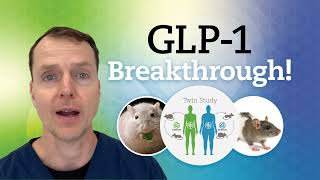
What if obesity and weight and metabolic issues were transferable between people? Have you ever thought about that? There was a really interesting research that was done between twins, and there was two twins. One was overweight and one was normal weight. And they took the feces from these two twins and put them into mice. And what happened was the obesity from one twin and the skinniness from one twin actually transferred to the mice. The research was extended, and they took the stool from those mice and then flipped it out. What they saw was the fat mouse then became skinny, and the skinny mouse became fat. There was something in the stool that was transforming from the adults to the mice and then the mice between the mice that actually was related to the metabolism, to the weight loss, to the insulin resistance. So what we now know is the gut microbiome is a major driver for our metabolism. Back in the 1950s, we already figured a few things out with antibiotics. We realized that putting antibiotics into cow feed, into chicken feed would make the animals grow faster and fatter. We've seen the same thing happen in humans where kids that are fed antibiotics, not in food, but just when they get sick, actually have more obesity, allergies, and a whole host of issues. So what we've come to realize is the gut microbiome is a huge, huge player with our metabolism, obesity, insulin sensitivity. But how can that be? How can our gut B bacteria or microbiome be so intricately connected with our metabolism? GLP1 is kind of what it comes down to. The glucagon, like peptide 1 is a peptide our body makes that controls metabolism, satiety, insulin sensitivity, insulin production. It's an interesting molecule because now we have weight loss drugs. Ozempic, Wegovy, Trulicity, Bata, Victoza. These originally were diabetes medications. We found out surreptitiously that they actually lowered people's risk for heart disease as well as obesity. What's really, really cool is that our gut makes these in response to molecules made by bacteria in our GI tract. So that's the connection between antibiotics, bacteria, and the metabolism. And now with the technology, we've actually been able to figure out which bacteria in particular have the biggest impact on the GLP1 main RGI tracts. And it can affect our metabolism, our satiety, or insulin sensitivity the most. And those bacteria are Akkermansia, misinophila, Clostridium butyricum, Bifidobacteria infantis. And there's one or two other bacteria that have actually been studied to see how they affect people's metabolism and Sugar. Um, there's a company called Pendulum that's been the head of this research for the last year, year and a half. And they've actually been looking at diabetics. How can changing the gut bacteria and diabetics actually impact their sugar levels as well as their weight? And they've actually formulated a couple of proprietary products that actually have these combinations in them. What really intrigues me is we're, the science is getting to the next level. We're actually using these kind of nutrients to actually change people's metabolism and how they express their sensitivity to insulin as well as their metabolism weight. The other thing that's come out in this research is these, these things called prebiotics. You've got probiotics, you've got prebiotics, you've got postbiotics. So the, the prebiotics are fiber and different chemicals, plant colors that the bacteria will eat to actually make these molecules that turn into the GLP1s or what else. The biggest source for those are cranberry pomegranate extracts, grape seed extracts that actually feed these bacteria. One of the things that these, these bacteria will make are butyrate or short chain fatty acids that also have a big impact on healing leaky gut on the gut mucosal membrane as well as your brain and brain inflammation. So this is opening a whole wide range of different research opportunities as well as clinical opportunities to how can we actually improve people's health through prebiotics and probiotics, getting a change in their metabolism. So I'm really excited about that. I'm really excited about some of the options coming out there. The pendulum GLP1 probiotic as well as our glucose control and metabolic probach, these are different formulated probiotics with this information and data that actually are having pretty, pretty amazing clinical outcomes. So I'm really excited to start using those and share that with you because these are a big game changer in how we deal with our patients with weight issues, satiety issues as well as sugar issues, using nutrient like products that are like pharmaceuticals to change people's metabolism. Take care and we'll talk to you soon.