New Fascia Research Reveals Why Acupuncture Works: Inflammation Network Links Organs to Skin Points
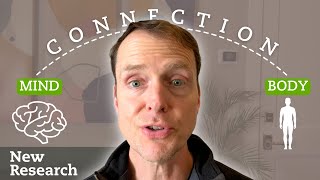
A short video by Aaron Hartman, MD describing recent research linking fascia, the autonomic nervous system, and lymphatic drainage to systemic inflammation and chronic pain syndromes. Hartman summarizes animal-model findings that organ inflammation can travel via autonomic nerves to spinal cord segments and manifest as inflammatory markers in skin/fascial trigger points, offering a biological mechanism for acupuncture, bodywork, and other somatic therapies in conditions like whiplash, fibromyalgia, chronic fatigue, dysautonomia (POTS), and complex regional pain syndrome.
Chapters
What if I told you there was some new science actually helping us to understand the connection between our mind and our body that might explain acupuncture and traditional Chinese medicine? This is some pretty cool research that's come out in the last couple years looking at the concept of fascia, which are connective tissues, how they're connected with our spinal cord, part of our nervous system, and ultimately how that connects with our internal organs. So it's really cool. Actually read this research article recently. It was actually one of my groups, actually, research article. They'll probably link it below. But the gist of the following is this. We can actually now measure inflammation in animal models. In organs, you see things called cytokines like IL1 beta, TNF alpha, IL6, and TGF beta. To a certain extent, these are just fancy words for cytokines, which are these inflammatory molecules. In our body, if your liver is inflamed, your kidney's inflamed, they can actually biopsy these in animals and see those. Those markers. Well, what happens is this inflammation actually will travel from the organ through the nerves of mainly the parasympathetic nervous system, autonomic nervous system. They go to the spinal cord. And what happens is that inflammation will travel those nerves to the same level that corresponds with that organ in your spinal cord. And because the way our nervous system works, it'll go up and down the comma a little bit. But the interesting thing, which is really super intriguing, is that those nerves actually will go touch. They'll have different nerves of your skin and different dermal patterns. These are trigger points. What they found with these trigger points, these fascial tension points, that the inflammatory markers in the organs actually can be found in these trigger points. This is intriguing, for one, because it actually helps understand whiplash injury. And actually, the article talked about the idea of whiplash injury where you get the initial injury in your neck, but the nerves that become stretched send signals to your spinal cord. And this is how these things become centralized. You develop central pain syndromes. I'll talk about this correlation with chronic fatigue and fibro here in a second. But what happens is you'll have this injury and all of a sudden, now, that initial injury, about a week, 2, 3, 4, 5, 6, once it goes from acute injury and starts to become subacute, which is, you know, anywhere from two to six weeks, and the chronic is, you know, more than six to 12 weeks, plus or minus, you actually start to have this thing become centralized and actually will then flex back to the trigger points in your Back. So all of a sudden you get whiplash injury, you're hurt. I actually had a whiplash injury during K1 speed with my son, which is a golf cart thing. Had the injury, actually got a T bone, felt a little twinge in my neck. And later in that night, everything started tensing up and tightening on me. Well, this now explains how that initial injury sends reflexes back to our spinal column, basically. And then with the little roulets that go back to the skin, you get these fascial tightness. And actually these fascial tightness contain inflammatory markers. One of the interesting things about these centralized pain syndromes, chronic fatigue and fibromyalgia. Back when I did my training initially, the American college of rheumatologists had these trigger points for diagnosing fibromyalgia. And there's certain trigger points you touch on the thigh, shoulders. We actually know those trigger points now actually contain increased inflammatory markers, which is kind of cool, but they actually correspond with internal organs that actually are part of this reflex arc. Well, this is really interesting because I'll talk about therapies here towards the end, but it kind of helps explain why bodywork, different kinds of bodywork actually can help with systemic inflammation. Now, one of the interesting things the article touched on, and we also know from other articles, is that when you have these centralized syndromes, chronic fatigue and fibro or other injuries, concussion, chronic Lyme mold, whatever, and you get this systemic inflammatory response with some kind of centralized pain, you have toll body symptoms. And the major symptoms associated with that, sleep disturbances. You might have fevers and some like irregularities in your sleep, wake cycles, your body's regulatory system. But the interesting thing about that is this explains why like a pain syndrome kind of thing will have systemic symptoms. Now the really, really intriguing thing about this is that this article actually talked about this newly found pre lymphatic system in our body. So what is that? Our lymph system. Right. The clear stuff when you get cut, that comes out, There's a whole network of that stuff throughout our body. Before you get into your lymph system, ultimately to your venous system. If that system gets disturbed or backed up, which this happens with patients with pots, they'll have congestion in their pelvic organ. The venous system gets backed up, it backs up downstream to the lymphatic system, and ultimately you get low oxygen hypoxia in the tissues in that lymphatic drainage, actually you'll create inflammation in those tissues. And one of the ways your body responds is by fascial tightness and you create these trigger points. So it's really kind of interesting how it's all connected. But now we're understanding how lymphatics, lymphatic drainage can correlate with inflammation, pain, but how that can be caused by upstream effects from venous congestion, which we see in our patients with dysautonomia pots, varicose veins, people with internal ptosis or hanging of their organs, which get a lot of GI tract issues and that can have downstream effects. So this is really, really cool stuff. So well what, what's the point? Well, it's interesting because the article actually talked about somatic therapies that actually now have research showing their impact on internal organs. So it's really kind of interesting. Traditional Chinese medicine, they go to my acupuncturist and she says that's your liver point, that's your spleen point. And I didn't really understand what that meant. It seemed kind of weird and woo woo to me. Now we actually have nervous system biological and anatomical understanding that maybe people figured this out four to five thousand years ago in a different understanding. But now the question is, so what? Well, it's interesting types of therapy, how do you treat this? So you got internal organ inflammation, your dysautonomia, pots, chronic fatigue, fibro, post concussive, whatever patient who has pain, sleep disturbances, inflammation, fascial tightness, you know, which we tend to see in our MCAS patients, we tend to see in our chronic Lyme, we tend to see in our hypermobile patients. And people with hypermobility are way more prone to this than in my clinical expertise experience than non hypermobile people. But it's interesting looking at strain counterstrain, which is a type of therapy, type of fascial physical therapy where you actually find these tension spots, take the tension pressure off and apply pressure and you actually release those spots. But also acupuncture and there's actually a type of acupuncture, like a direct acupuncture, which my acupuncturist does. I had no idea what she was doing until I read this article. We actually do the acupuncture punt and you twist, either twist or kind of go up and down with the needle. It actually has a profound impact on these fascial tension points and affects this whole reflex arc I was talking about. This also is where other types of body work, fascia work, rollers doing, rolling your body out, massage. It's really interesting in the massage world they've had lymphatic massage, lymphatic treatments for people with breast cancer since my early training in the early 2000s. Now it kind of makes sense how if you have a systemic illness, you have inflammation and you have body pain. Fascial pain with internal organ dysfunction. Now we can understand how acupuncture can be helpful, how different kinds of body work can be helpful massage. So it's really interesting how ultimately how our fascia interplay with systemic inflammation and these pain syndromes, these generalized pain syndrome. And this article was very specific about generalized pain syndromes. An interesting comment on that is a thing called complex regional pain syndrome. It used to be called reflex sympathetic dystrophy. And that's where you get an injury in your body. I saw one young lady who had a, I think she had a wrist fracture and over time that wrist fracture turned into an arm pain, turned into left side body pain. Eventually she developed a whole body pain from it. And we didn't quite understand how that happened. Now we have a mechanism for how an injury can go to your spinal cord, go up and down your spinal column and then diffuse up that then go back to your fascia and cause the whole body pain. Ultimately different types of body work. Massage, acupuncture, strain, counter strain, foam, rolling tens. It's really interesting. The article did mention electrical acupuncture, putting acupuncture pads on the acupuncture spots, using electricity to affect those affecting this whole reflex arc. Again that affects systemic inflammation. So it's really interesting. Now the mind body connection is real. So what? So what? You know, basic health things. What can you do? Well, massage has, we've known it can help calm your nervous system down. Well, now we have a biological plausibility how massage is anti inflammatory, which is interesting. Basic fascia work, different body works, whether it's fascial release, trigger point release, dry needling, acupuncture, cupping, a whole host of other things can be useful to help decrease this whole organ. Spinal cord fascial loop that unfortunately when it kicks in can be really, really deleters. So let me go back to my story when I mentioned before I have my whiplash injury. Most people who, when they get a significant and I was probably going 35, 40 miles an hour at a go kart when I had this injury, felt the issue in my neck. But because I knew to ice it like crazy, I went home and put ice on it. Made my whole back go numb. The next day I was a little tight, but not that tight, kept on putting ice on it, felt the Trigger points released them basically 90. Well, I never got significant pain from the injury and within five days I was probably back to 90%, 90% of my range of motion back. And then two weeks I was 100% back to normal. And it's typically when I see patients with whiplash injuries, they're weeks if not months into it. And usually when you find someone who's out three or four months, it's even more difficult for them to get the pain down. And you have to end up doing different medications, muscle relaxants, things like tizanidine, which actually is interesting how it works as a muscle relaxant. So the point being is that knowing what to do if you get an injury, icing it like crazy, realizing your fascia can do this arc thing and have the pain spread and be super careful on the front end can help with acute injuries, but also can help you understand how with systemic inflammatory issues, mold, Lyme, a bunch of other issues, how your fashion body can play in your whole body inflammation. So this is cutting, cutting. This actually was Frontiers in Pain Research. The article is impaired lymphatic drainage and interstitial inflammatory stasis is the name of their thing they're calling it and chronic musculoskeletal and idiopathic pain syndromes. It was really interesting article. But the point is like I love sharing these kind of things because it just helps me deeper understand the ancient wisdom that was passed on to us, you know, thousand years ago and having a new understanding of how different modalities, not just acupuncture just now dry needling, but a whole host of things can be used for people with pain. And one of the interesting aspects of this as well is the impact of that. Sorry that the central nervous system on this whole arc, because your conscious brain through meditation, prayer, breath work can actually have a profound impact on blocking this. And it's really interesting. I've had people with semic pain syndromes who simply through breath work, so simply through some kind of meditative practice have had a significant impact on their pain. So that also helps us understand how the mind itself, through calming, through self calming stuff, meditation, breath work, EMDR tapping, you know, a whole host of brain retraining exercises can have a massive impact in pain patients, but also people with fascial issues and ultimately inflammation. So that's really cool. We're getting more and more science and data that the good old stuff works really well and also helps me understand a little bit how to apply this to patients. So little snippet I want to share with everybody. If this is helpful, please like share. Put your comments below. If you have any additional questions about this, put them here and we'll try to answer them either in our podcast or somewhere else on our social media platform. Time allowing. So take care and talk to everybody soon.
More from Aaron

Too Many Gut Fixes Can Undo Your Healing. What Helps It Last | Dr. Sabine Hazan


Women’s Heart Attack Symptoms Differ From Men’s 95% of the Time — Only 30% Have Chest Pain #shorts

Heart Disease Kills More Women Than All Cancers Combined — 80% of Cardiac Research Is on Men #shorts

Women’s Physiology Was Systematically Ignored in Drug Research — The Consequences Are Still #shorts



It Took the FDA 20 Years to Realize Women Need Half the Dose of Ambien #shorts

Until 1993, Women Were Banned From Clinical Drug Trials — Then Those Drugs Were Prescribed t #shorts