Plastic Containers and Reusable Food Pouches: Plastic is Everywhere
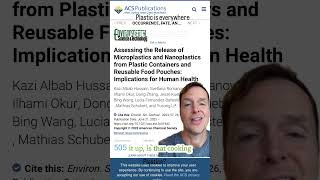
Aaron Hartman, MD (speaker) discusses the pervasive presence of plastics and describes evidence that heating, cooking, or storing food in plastic containers or pouches can transfer micro- and nanoparticulate plastic into food and ultimately into the human body. He notes variability by heating method and container type and cites biopsy/surgeon findings of microplastics found in human tissues (e.g., heart tissue).
Chapters
More from Aaron



Women’s Heart Attack Symptoms Differ From Men’s 95% of the Time — Only 30% Have Chest Pain #shorts

Heart Disease Kills More Women Than All Cancers Combined — 80% of Cardiac Research Is on Men #shorts

Women’s Physiology Was Systematically Ignored in Drug Research — The Consequences Are Still #shorts




Until 1993, Women Were Banned From Clinical Drug Trials — Then Those Drugs Were Prescribed t #shorts