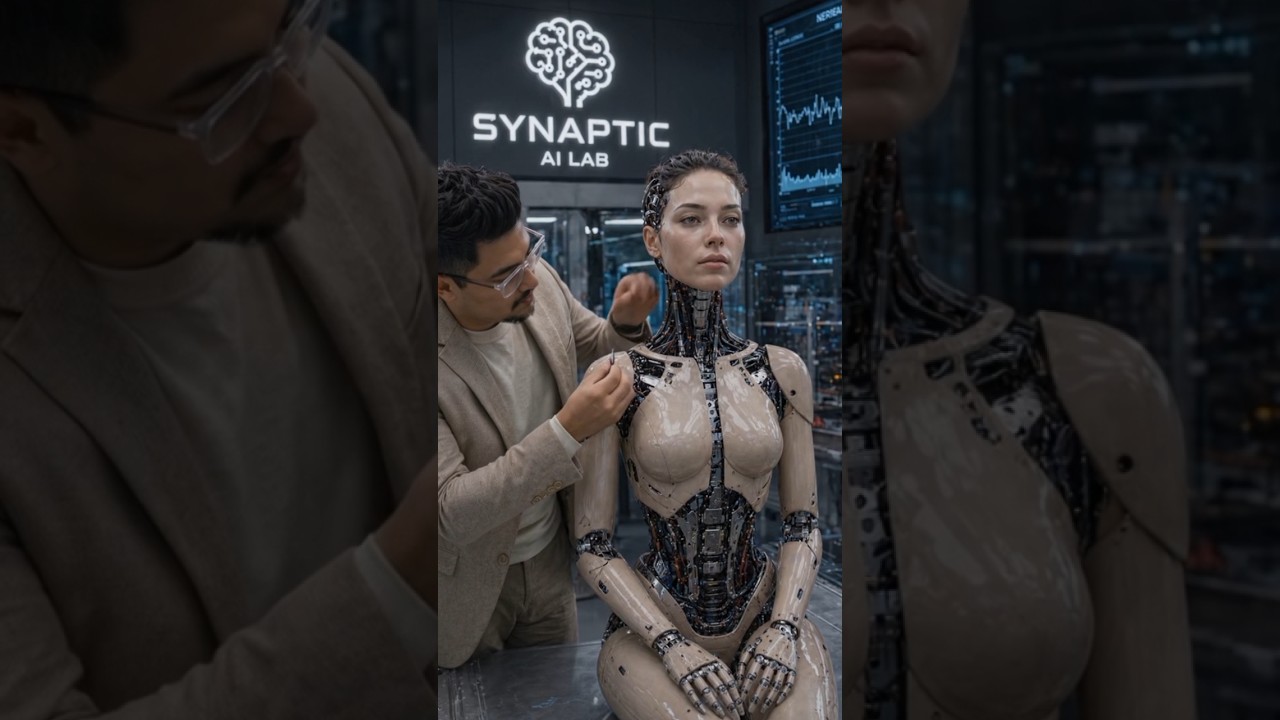
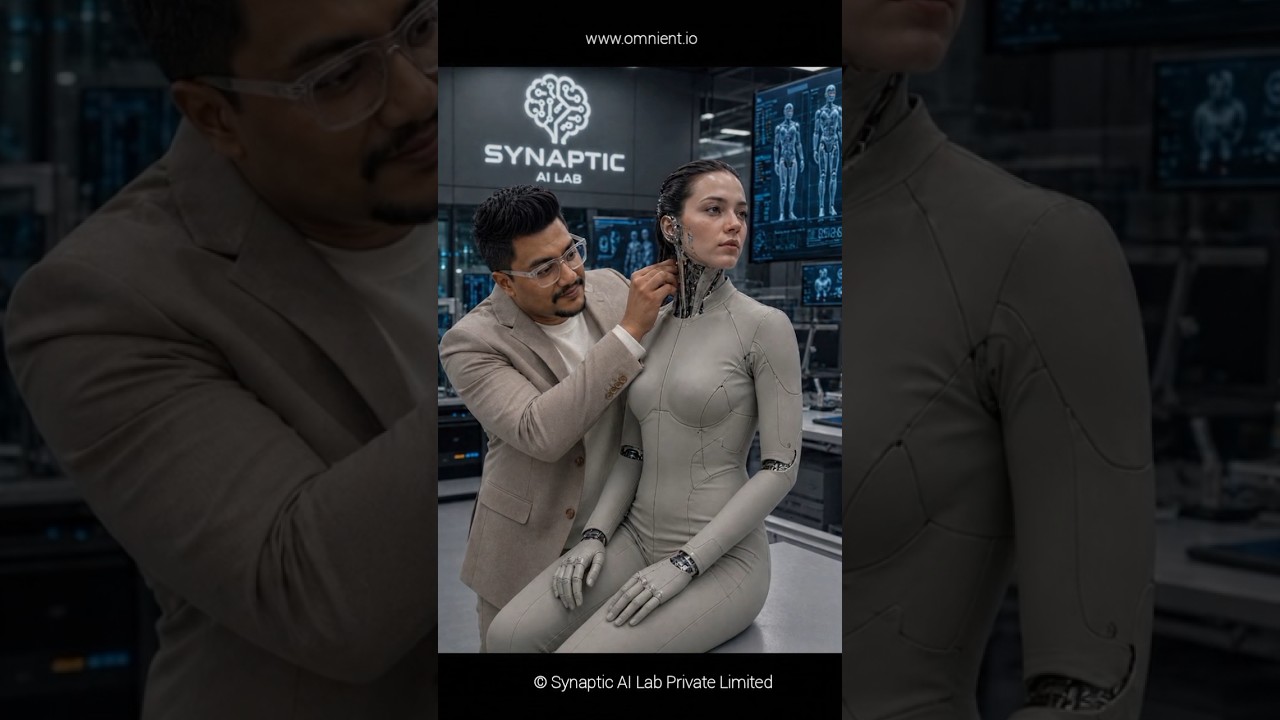
Abhijeet Sarkar traces humanity's obsession with artificial minds from ancient myths like Talos to the Industrial Revolution and early computation. The prelude argues this isn't just history but a meditation on mechanizing thought, setting up the ethical questions that arise when minds exist outside flesh.
Chapters
Prelude: The Dawn of Artificial Thought. In the quiet corners of human imagination, and in the loud debates of philosophy and science, the idea of artificial thought has always kindled a unique flame. This chapter embarks on a journey through time, a journey that begins with ancient myths and dances through the corridors of Enlightenment reason, the mechanical marvels of the Industrial Revolution, and the nascent dawn of modern computational ideas. We will explore how early visions of machine thinking, interwoven with shifting cultural and philosophical paradigms, set the stage for a new era where the boundary between mind and machine blurs. The narrative is not merely a chronology of inventions and ideas; it is a meditation on the human aspiration to extend our own mental faculties beyond the organic realm. Our quest for knowledge has often sought to mechanize what we hold most sacred, Thought itself. As we journey together through these pages, we will not only celebrate the intellectual triumphs of our ancestors but also reflect on the ethical and social implications of birthing minds beyond flesh and blood. 1.1 Ancient Inspirations and Mythical Automata. Long before the age of silicon and circuitry, humanity's imagination was already stirring with visions of life Beyond the Natural. Across diverse cultures, the spark of artificial thought can be traced back to myth and legend, where deities and heroes interacted with beings crafted by skilled hands and divine inspiration. Myth and Mechanism. In the ancient world, stories of mechanical beings were as much about wonder as they were about the mysteries of life and creation. The Greeks, for instance, were fascinated by tales of Hephaestus, the divine craftsman, and his bronze automata, meticulously fashioned to serve the gods. These early depictions of artificial life symbolized not only the ingenuity of craftsmanship but also the tantalizing idea that inanimate materials could be imbued with a spark of life. The Myth of Talos of Crete.