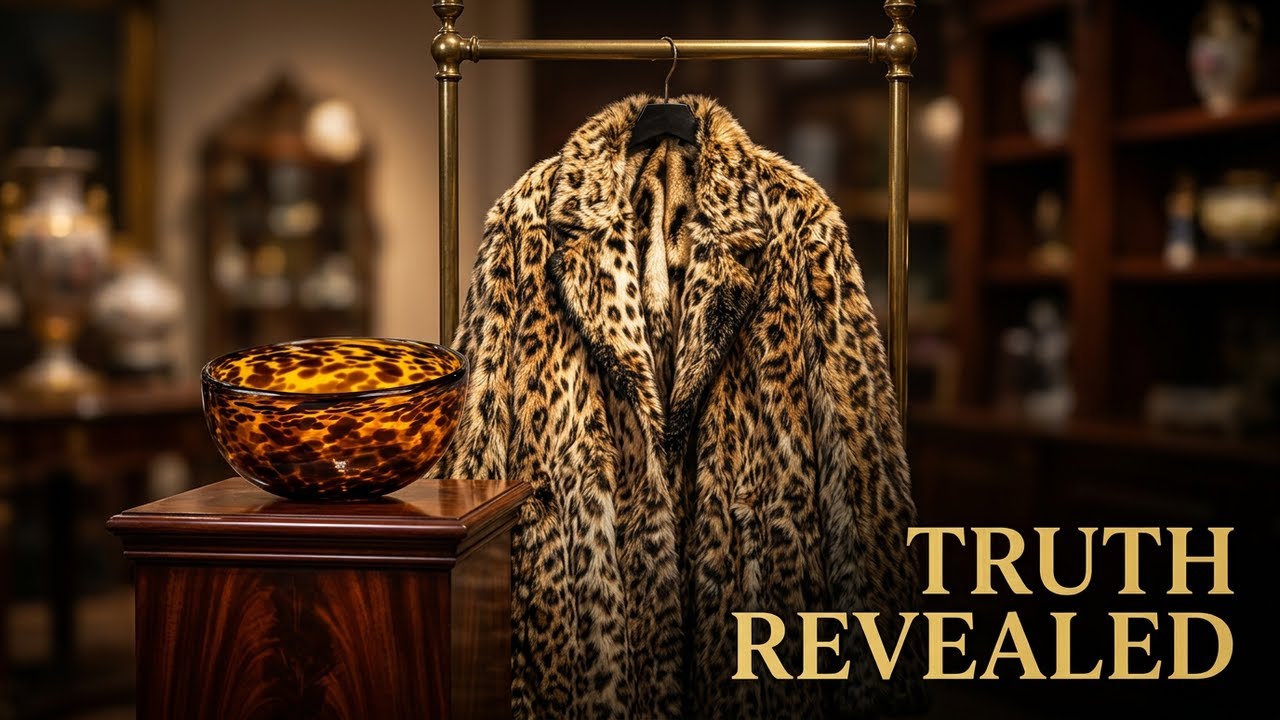
In this talk, the presenter, an antiques appraiser, shares anecdotes from recent estate visits to illustrate why many once‑valuable household antiques have become unsellable. He explains how legal bans on wildlife‑derived items (ivory, tortoiseshell, leopard fur, coral) have eliminated any market value, and how changing consumer tastes have driven down prices for porcelain figurines (Hummels, Copenhagen, etc.), heavy brown mahogany/oak furniture, ornate gold frames, and traditional silver or lead‑glazed dishware. The speaker also highlights practical issues such as the high cost of insuring over‑valued items, the difficulty of moving bulky pieces, and the generational reluctance of younger buyers to maintain or display these objects. He advises owners to have early conversations with family, consider bulk sales, obtain realistic appraisals, and recognize that even a “nothing‑worth‑money” assessment can provide valuable peace of mind. The talk ends with a call to subscribe for future videos.
Chapters
Good evening, everybody. Good evening. It's a pleasure to be here. Most of the people who live in this community have probably moved in the past 20 years, and when you ask their children, do you want any of my items? What do they say? Not much. I went to an appointment in Syosset, not too far from here. I walked in, and the second I walked in, I knew I was in trouble. The woman tells me, my father was there about 20 years ago, and he offered her $10,000 for a bunch of figures that she had. So I said, okay, sounds good. And she's like, 20 years later, I'm sure it went up. So I'm like, okay. So I go to the basement, I start looking at the items, and I start sweating. The problem was these items were all carved ivory. 20 years ago, ivory was great. Not great because of the poor elephants, but the market was good and you could sell it. So now I had to tell this poor woman that everything is worth nothing. So it was tough. I did ask her, I said, why didn't you sell it back then? And she said, I knew my kids would want it. He promised when he got his house he was going to want it, and then he got it. Moral of the story is maybe you shouldn't wait so long. Yeah. Talk to your kids, and maybe talk to your parents. Whatever it is, have the difficult conversations. And like I said, we're here to help. So even if you're not selling it, get an idea of the number. Maybe reinsure it. I had a lady in Manhattan insure her jewelry for $1 million. It's worth $200 grand. The price of the insurance is going to end up being more than the jewelry itself. So the items that are not so saleable anymore. First thing, anything related to wildlife that used to be popular. Things like tortoise shell, you can't really sell these. Ivory, you can't sell it. I can go back and forth and argue and say the piece is 150 years old, it doesn't matter. There's a couple people who might have bought some ivory things today. It's illegal, but they're not looking for you, so you don't have to worry. They're looking for the stores that promote the killing of the elephants. It's a tricky situation. I love elephants, but I'm also an art guy, so I'm in a mystery. But laws are laws. Leopard fur is illegal. Coral is legal now, but there are processes going into place now Now a coral might even be considered poaching. So coral's another problem. The reason leopard is illegal— does anyone know why leopard birds are illegal? What sparked everything? They can speak to you. John F. Kennedy's wife, Jackie, decided one day to go out in a leopard bird. So what happened? Every housewife in America wanted to wear a leopard bird. She almost killed the entire species. So they made it illegal, and that's part of the law. So endangered species is the first part of things that don't sell anymore. Next, porcelain figurines. Hummels, dolphins, alligators, Copenhagen figures. Everyone in this room either had them or knows someone who had them, or parents, sisters. The kids don't want to dust these things for the rest of their life. It's a lazy generation. There's not much else to say. It's a less is more world. These kids are— they just don't want to work. It's tough. It's my generation, so it is what it is. Um, to sell this trick, a humble that used to go for $100 is now $10. And if I have to buy it, I have to buy it at 5 or groups of them. They used to say full bees are worth more than the other ones. Um, I don't know. I could go on for a million years about proper research because if you look on eBay, someone's selling them for $100, someone's selling $50. The actual value for most normal Hummels is about $5 or $10, and maybe if you're lucky you get $20, and then you ship it, it breaks, and then they go crazy. It's a nightmare. So those things are very difficult to sell unless you sell them in bulk. So I'll go through a house, I'll buy 20 Hummels, maybe $100, and I don't even want to do it, but I'm in there anyway. So we'll go over a few things, but that's just one example of things that don't sell. Another thing that is tricky is brown furniture— mahogany, oak, great runts, curio cabinets. Why? Because they hold some figurines that you don't use. So it makes it a little bit difficult. Um, next on the list besides the brown furniture— I mean, going to brown furniture also takes up a lot of space. And it's heavy. These days people want to move 10 times. They want to rent. They don't want to buy. They don't want to bring all this heavy stuff around with them. So it makes it tricky. When it comes to artwork, next on the list, the beautiful gold frames that used to be popular and ornate— ornate is gone. Art nouveau is gone. They don't want that. Too much. Too ornate. Too much going on. Not popular. So that people all the time, the frame alone is worth $1,000. It used to be when my father was doing this. It used to be. How come people don't want to buy dishes? They're not entertaining. What more specific? What do kids not want to do? You can't put them in the dishwasher. You can sometimes maybe take a chance. Waterford maybe take a chance. It might chip. If it's Colleen, it's a little bit better pattern. It's thicker. Lizmore probably won't make it in the dishwasher. Washer. But what else? I mean, I don't know about you, but why else would the kids not want to use these dishes? Microwave. Well, the 5-pounders, they still like dishes, but, uh, but yeah, it would blow up in the microwave. Yes, ma'am. If some of the old dishes did have lead, you know, silver's a tough one. Again, lazy generation, you're not going to shine I mean, most of the people in this room can tell me the color of silver pops. What's the color? Pink. That's right. What does it smell like? What's this? What does anyone know what it smells like particularly? I mean, when I was a kid, I did it a little bit. Rotten eggs. Smells like rotten eggs. I don't know if your children and grandchildren are I'm planning on polishing and putting that elbow grease into it because I haven't done it myself in 20 years. The list is pretty long of the items that don't sell. But listen, there's light at the end of the tunnel. It's not everything. And I've been in houses where I do the whole walkthrough, I check everything out, and at the end of the meeting I'm saying, listen, I'm sorry, there's absolutely nothing in the house worth any money. And they give me a hug. I'm like, why are you hugging me? And the reason they're hugging me is because now they know that they're not giving away the Mona Lisa. It's peace of mind. So I'm surprised at that, but it's happened more than once. Please subscribe so you don't miss any future videos.