Overcoming Adversity: Autumn Kyoko-Cushman’s Journey to Building Shiftrx
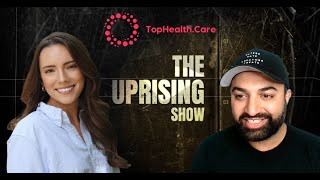
This is a transcript of a July 1, 2024 YouTube interview on the Uprising Show (host Vivek Nanda) with Autumn Kyoko-Cushman, CEO and co‑founder of ShiftRx. Autumn recounts her family’s financial hardship after the 2008 crisis, her four-and-a-half years in the U.S. Navy to fund education, and how those experiences motivated her to co‑found ShiftRx with a high‑school friend (Leanne). ShiftRx is a marketplace to help pharmacists and pharmacy technicians find additional paid shifts and contains AI onboarding modules for temporary placements. Key operational facts from the interview: ShiftRx reports ~150 healthcare facilities on the platform, ~2,000 pharmacists and technicians live on the platform, organic TikTok traction (~1.3M likes), a channel partnership with the PTCB (PTCB ~300,000 technicians), launched first in Texas then California with a Florida launch planned soon, and providers currently pay a one‑time background/credential check fee (company plans to cover these soon). Autumn also discusses co‑founder dynamics, user acquisition (faxes, LinkedIn, TikTok, channel partnerships, enterprise sales for larger chains), fundraising lessons and investor fit, and a long‑term vision to build an “AI healthcare administrator” to reduce administrative burden on clinicians.
Questions this video answers
July 1, 2024.
Four and a half years.
Over 150 healthcare facilities.
Over 2,000 pharmacists and technicians.
Approximately 1.3 million likes (organic, no ads).
Chapters
Foreign. Hello and welcome to the Uprising Show. I'm your host, Vivek Nanda. And today I have a very special guest with me, Autumn Koyoko Cushman. Autumn, I will have you introduce yourself real quick.
Thanks for having me, Vivek. My name is Autumn Kilgal and I am the CEO and co founder of ShiftRx.
And Autumn, I have done a lot of digging. What I have found is you have also served in the US Navy for I think just over around four years. And I also found out that your parents have also served in the services. Marines, I think. And so my first question to you is, was it something you wanted to do because your parents did or what was your inspiration to go to Navy?
Yeah. So yeah, I was in the Navy for four and a half years and my parents both served. So my mom was in the Marine Corps, my dad was in the Marine Corps and now he's in the Air Force. And it was not on my list of things to do at all. In fact, I would never have guessed and I don't think they would have guessed that I was military. But you know, we were really affected by the 2008 financial crisis. And so my parents were at a point in their lives while I was in high school where they were restarting their careers and we just didn't have a lot of money. And so when I started college, I was working full time, paying tuition and it was really, really difficult. And I felt like I really couldn't focus on studies because I was working a full time job and a part time job. And so the just made a ton of sense because I was like, okay, I want to go to school for nursing and then I want to be a physician. And so I can kind of do this simultaneously and the military will pay for my education. While you're in the military, college is covered. And then when you get out, you have a GI Bill. And so the GI Bill is about four years worth of school. And so I was like, perfect, I'll get my bachelor's degree when I'm in and then when I get out I will go to med school. Because at that time I was, you know, naively optimistic.
Yeah, it's not to, not to say like it's a good or a bad thing. I have seen a lot of people forced through, you know, financial circumstances and using, you know, go to Navy because then I know I can also even, you know, educate further. And it's kind of the way it works. But, but I'm sure like, you know, you had you know, two people in front of you who's done this. So it's kind of also back of your mind just like ah, this is an option. Right. So that's kind of how it works. My dad was in air force in India, my uncle was in army and I went to a boarding school in sixth grade to like high school, to like these are 18 schools in India, the military schools. You go and go to army. That was my whole dream that I wanted to just follow which school my uncle went to. I'll go to the same school. This is exactly. But you know, life as it is. I didn't end up in army after that. I had to do engineering. That's how it's in India, engineering or doctor, that's all. And I had to be in. But my younger brother, he ended up going and joining military and he's still in Indian army in India with my family there. So it's. I have a huge respect and soft corner for army and anybody who serves. So thank you for your service and to also your parents. Yeah. You briefly touched about a little bit about your family's financial situation that you had to suffer due to the 2008 financial crash. So the question is it gets very difficult. So what motivated you to pursue the path that led to especially founding of this company? Because the reason why I ask is like I come from a very much service background and it took me several years to even take risk because I always felt like this to secure things like. And once you're in that setup, the mind takes a lot of, I don't know, it's called preparation or time. You need time to like move things up. And I'm the first engineer in my family. I'm the first who moved out of the country. I'm the first who actually married to a foreigner. My wife is American and white. So I've done so many firsts after that, but it took me, it takes a lot of like I have to prepare myself for everything. It's not easy even to this point, to this day. So I want ask how can you walk me through your journey, how that happened for you after especially going through the difficult times.
Sure, yeah. So initially I grew up very, very privileged. My parents had served in the Marine Corps and my mom was a stay at home mom. My dad was in the real estate industry and I grew up outside of metro Detroit and we had wonderful house surrounded by love, all the awesome things that come with growing up in suburban America. And then when I was in eighth grade we got over leveraged and so we lost everything. And that is really hard to go through when you are entering this part in your age, which is so formative. So I was 13 and then my whole life changed. So we lost the house, we lost the cars, and we moved in. It was my dad, my mom, my brothers, my two brothers, my sister, myself, our two cats, and our dog. We moved in with my aunt and my grandma into a three bedroom house in Florida. And so we were there all four years of high school. I slept on an air mattress in the living room or I would share a bed with my grandma. And it was really difficult seeing my parents go from having everything to nothing. And the initial response to that was like, how do we rebuild? And so my parents were in school the same time I was in high school. My dad started pursuing a career at the police academy and my mom started going back to school for occupational therapy. And then my dad ended up joining the Air Force so we could get health insurance as a family. And so it was, it was really, really difficult because you're so young, but you really are like forced to grow up. And my siblings and I have a bit of an age gap between us. My youngest sister is 10 years younger than I am. And so I really took on this role of, like, how do I try to support my parents? Which, you know, it's. It normally should not occur to kids at that age. And I've. My parents really were trying their hardest. They always worked like multiple jobs. They were going to school. But I remember this, like, really critical moment when I was a senior in high school. I was working full time, going to school, trying to figure out how I could pay for college. And my mom was like, look, I can stop school for a little bit and I will stock the shelves at Target at night and dad will get another job and then grandma will pay a little bit, and all of us will pay a little bit. And then you can work and then you can go to school here. And I just remember having like this immense amount of guilt because they wanted me to go to school that I wanted to go to. And I was like, no, like, there's, there's no way. I can't let you do that. Like, you still have to go pursue the things that you want to do. And so two weeks after I graduated high school, they were able to get a house, but it was like, it was in terrible condition, needed to be rewired. It didn't have electricity. We, we got camping lights. But at this point, you know, it was. I was graduating High school. And so I knew, like, I needed to go out on my own. And my parents ended up taking in these billet boys, which I don't know if you know what a billet boy is, but they come from other countries to play sports, particularly hockey in southwest Florida. And so at any given time, my parents had between like four and eight boys at the house. And so right, right after high school, they got a house, but I moved out. And so I was going to school. I went to a school that gave me a partial scholarship and I was working full time in the restaurant industry and then also part time as a caterer. And my studies were really suffering. Like I had to miss assignments or I had to miss exams because if I didn't work, I couldn't pay the tuition and then I couldn't stay in the dorm. And it's really confusing being at that age and thinking, like, why can't I do the things that I feel like other people get to do, like, you know, decorate their dorm or join a sorority. And I know it was, it was really painful for my parents because they wanted to be able to give me that. And they tried, like, wherever they could. They always tried, but they had to, like, stabilize themselves. Right? And so I think that was a huge driver for me because we didn't grow up that way initially. And so I was like, how do we get back to that? How do we get back to that? So everything from that point forward was like, how, you know, how do I make it so I can take care of my parents? And even now when I like, you know, buy my parents dinner or something, my mom's like, we aren't poor anymore. Like, you don't have to buy stuff, but it's like, it's that, like, overwhelming need. And so for me, I think, like, I had always been entrepreneurial because I was always trying to figure out how I could make more money to cover like these life costs. But joining the military was like the best option that I could have done at the time because I could focus on school. I was actually working less being in the military than I was working, you know, a full time job and a part time job and being in school full time and getting a lot of hands on experience. And then you're with people in your same peer group where you almost feel like you fit in. Unlike in college because you have so many kids that don't work or they do work part time or their parents pay for school and they get to go to, you know, the fun school events and they're not living a real adult life, which I don't think that they should be. But it's very hard to relate to other people your age. And so in the military, I mean they treat you like an adult because now you're an adult. And so for me, I really felt like I found my people when I joined the military and it was a really good like formative experience and I learned a ton. So I'm really thankful I did that. But I think that has been my main driver and the stability thing that you mentioned is huge because that's, I mean that's what I was craving this entire time. My co founder and I both, you know, went through tough times and so we wanted to get to that point in our lives where we were like entirely stable. And this was the scariest thing that we've ever done because we left these super stable like six figure jobs that we had accomplished by the age of 25 to say, like, let's risk it all, hopefully this works out.
Yeah, couple of things from there. One is, I mean it has to be extremely difficult from, you know, because you were earlier comfortable life relatively and then go back and especially when you are kind of like just especially going in your teenage, it gets really difficult. So, you know, I can totally sympathize and also admire your courage to keep that as a motivation. Anyone in your family, was it like during that time, was it like you were able to communicate your feelings with your family or was it more of like you had a friend or someone outside of family that you were able to talk with? Was there anyone you were able to talk through? Because I think just that's what I'm trying to understand, how you got that courage and make sure like, you know, I want to keep my focus and keep going.
Yeah, I think during that time it's not something we talked about. Right. Because like it was only supposed to be a temporary thing. Like we were just going to move in with our grandma for a couple months and then we were going to get a house and like the real estate industry sucked and my dad was trying to get back into real estate and restart in a new state. And if anyone knows anything about real estate, it's very entrepreneurial. So you have to build up like a client base and it just wasn't working. And then he decided to go back to school to get a degree so you could go to the police academy. And so like, you know, for my parents, I can't even imagine how they felt during that time. So it wasn't something we really talked about. And there was a lot of tension in the house because, you know, my grandma's there, my aunt's there. Like, it was. It was a packed house, and I couldn't have, like, you know, friends spending the night all the time. I was kind of like an embarrassing thing because, like, I don't have a room. And it's. It's little things like that when you're at that age. And so I found a lot of solace and like, spending the night at friends houses, I had. I built, like, my own family network when I was in high school. And this is not to say that my parents weren't supportive during that time, but they also had other kids to worry about and, like, their careers that they were trying to, you know, redevelop and like, trying their hardest. And so there was other friends that I got really close with their families and always helped out. So, like they say it takes a village. And I had so many of those friends in high school. Like, one of my very good friends, Maggie, her parents, her mom took me shopping for my first dorm and, like, just super sweet things. And so I would not have gotten through, like, that tumultuous period, period of my life without, like, a village of support network that I had built up. But now it's something we can talk about. And my parents, you know, I don't want them to feel ashamed of it. And I think that they're starting to see that, like, this was a period in our life that was really tough, but we all got through it, and we're much closer as a family now. And I want them to reflect on it and be really, really proud because that's a hard thing to go through. And when you look at, like, the statistics, I mean, I went to five high schools. When you look at the statistics of kids that grow up in, like, that socioeconomic band, and they have, like, a lot of tumultuous stuff going on. At that age, it's really easy to fall into this trap where you're not hanging out with the best people or you get into bad habits. And all of their kids have turned out wonderful. I think me especially, what can I say? But my younger brother is very smart, top of their class. My sister's at Texas State studying comp sci. And I think they just. They did a great job, but they were also marines, so I had that, like, in the back of my head, like, they're going to kick my ass if I don't perform.
Yeah, well, good job, Good job. Parents Good job family. And good job you too. Keeping it steering in the right direction. So now fast forward to what was the moment or insight that led to the creation of your company, ShiftRx. Like what specific problem does ShiftRx solve today and how do you approach it differently? If you could also expand on that.
Yeah. So it's funny, ShiftRx is so personal to myself and to my co founder because we come from this similar background story. She did not grow up very similar to me. Similar situations in high school and Leanne's dad actually passed a year after we graduated high school from cancer. And so like same type of like financial provider situation, working multiple jobs, going to school full time and she was working full time as a pharmacy technician, going to school to be a pharmacist and when I was in the Navy. In the Navy you can get like EMT certifications, your LPN certification, do a two year rn, but there's not a great way to leverage your skills for additional income. You can, there's so many people in the military and even other types of health care providers. When you look at it, I think it's almost 50% of healthcare providers that are in this like, that aren't mid levels or physicians are living underneath the poverty line and then they drive for Uber, they shop for Instacart or they work for doordash. And it's like if you're a healthcare provider, you should be able to leverage your skills to make that additional income that is so critical to these households. And what we really wanted to do was like build a way to enable that and build it from the perspective of a provider and putting the providers first. And so we both started as healthcare providers. We ended up going onto the corporate side and then we were like, hey, we think we could solve this, we think we could build a really good option. And like, let's let providers self source their shifts. Let's give them the tools to be successful when they're placed in these temporary care environments. And so what we're doing today is we started with pharmacists and pharmacy technicians and helping them leverage their skills to find these additional income opportunities. So PRN shifts and then we give them the AI onboarding module that says, hey, here's everything that's expected of you from the second you get there until the second you leave. But as we look to the future, like we want to move out of just pharmacy and just these temporary shifts and short term contracts and we really want to be all encompassing but keeping in mind that like the provider needs to be put first.
Awesome. And speaking of the co founder, can you tell us, like, how did you meet your co founder and what, like, what qualities made you decide that this is the right person for me to build this company with?
Yeah, so Leanne and I actually met in high school, high school number four. And we had a photo class together and we were going through really similar things. Her dad was doing chemo at the time. My biological dad, who still resides in Michigan, was sick. And so we kind of, you know, we talked about that and I think we just built this really lasting friendship because we both had to grow up, you know, between that, like, age, that age of like 14 and 15. And like I said, it was hard to find, like, peer groups where you felt like you could really relate to them because everything feels like it's, you know, ending your world when you're 14 or 15. But when you're in that situation where you're a financial, like, provider for your family or you're having to financially provide for yourself, you're living an adult life even though you're young. And so we really, you know, we bonded on that and we both have this, like, drive to want to, you know, do do more and be successful and like, reach the next level and figure out how to create, like, a more stable environment for ourselves and for our families. And so I think we always were in tandem within our careers and we have been best friends for a long time. And when I wanted to build a company, we had chatted about, like, building a company or building a business. We talked about, you know, coffee shops or plant shops and, you know, things that, things that I wouldn't say necessarily like VC backable businesses, but we're like, oh, if we were rich, we would do this. And then when we were chatting about this, it was like, you know, we both burned out as healthcare providers and then we felt like maybe we could do something to solve it. And it was kind of. It was kind of game of chicken actually to begin with. I was like, we could totally do it. And she was like, you're crazy. And then I was like, no, no, no, I think we could. And we started chatting about it and we started researching it and then we got really into it. And then she was like, o, let's do it. And I was like, all right, let's go.
Interesting. Kind of like you, you've known her for a, for a while and you obviously something is very hard, today's world, to find, you know, founders. It's like, not especially once you're adults. It's very hard to do friendships and trust. So like for example, the company I worked in, Germany, those two founders were also best friend from childhood. And you know, they just like, you know, they had that kind of trust. Like, you know, once you have that kind of comfort, I think it really helps. And then I've also worked at companies where the other company where I was VP of marketing, which was not HealthTech, I mean, I took a break from health tech for a little bit. Little bit. They were also friends from their dorms, from college in New York, Rochester. And I have seen as like, it's obviously very difficult building company just one person as a founder and not having a co founder. And then it's even more difficult if you just have to find a co founder later on. Then that needs a different level of trust. So I guess what would you advise or what might you have seen in just like startup world from your experience? If somebody has to find a co founder, how can they find someone?
I actually can't even imagine. Leanne and I talk about this all the time, how lucky we are to have each other. We've heard the horror stories about like co founder dating and co founder matching or getting randomly matched, or you start working with a colleague that you've worked with for, you've known for a year, maybe two, and then you find out that like stressful situations really change people and you don't really know their true colors until you're put into this. And I mean, Leanne and I have gone deeper doing this company than we had ever gone in our friendship. And it really does. It tests you. And so we're so lucky to have each other. Honestly, like, we are very good, like yin and yang. We balance each other out and we're really good at like communicating with each other. So when she's frustrated, I absolutely know. And when I'm frustrated, I get really passive aggressive. So she knows then too. And we know how to like, you know, kind of, kind of diffuse one another and also have like the hard conversations. When you're not super close with someone, it can be really hard, hard to have conversations that are uncomfortable. Most people don't like doing that. The ones that do scare me. So for us, I think just having that super strong communication. But for people that are looking for co founders, I would say finding someone that balances you out but also has the same attitude I think is way more important than just pure skill set. Skill set, because neither of us had on paper what would look to be like A perfect VC backable startup founder skill set. But we had a lot of lived experience. We knew the problem, we knew what we wanted to build and we were our ideal customer at one point in our lives. And so we thought to ourselves, hey, we can do this, why not us? But it is, it's very difficult and we have heard tons of co founder horror stories. So I guess I don't have great advice on how they find them, but I wish them all a lot of luck.
That's how I say that too. It's like, oh, this is tough to find co founders afterwards. All right, cool. So I've heard, like I said, I've done some digging and I've heard both of you talk about how you are acquiring your users. And this is on both on your pharmacy and facilities side and also on the other side, the candidates who are probably looking for work. So talk to me about some acquisition channels those have worked for, especially for pharmacies and facilities. What, what, what you have done and what hasn't worked.
Yeah. So cold calling did not work. Pharmacy owners are not typically the ones that are answering the phones. It's going to be a pharmacist or a technician and they're like, yeah, sure, we'll call you back. They do not call you back. And so faxing worked for us in our early days. We still sent out some faxes and then like LinkedIn groups, word of mouth. One of the things that we've been working on recently is channel partnerships. We just actually did a partnership with the ptcb. I don't think it's splashed all over social media yet. It will be soon, but it is official so I can talk about it. And that's when you're scaling. Like the things that you did at the first, you know, six months don't necessarily. They're not scalable. Right. But channel partnerships I think is something that we have a lot of focus on. So like we could individually email all the pharmacy technicians that exist, but it will take a long time. How many of them will see it. The PTCB has over 300,000 pharmacy technicians because the Technician Certification Board and so partnership with them was super valuable for us and other organizations that support independent pharmacies or that work with independent pharmacies on the software side or there's lots of different types of channel partners and I don't want to go too far into them because we're still working on getting the deal across to the a couple channel partners. But that's been a big strategy of acquisition for us. And then on the provider side, same with the channel partnerships and organizations which is a new thing that we're testing. But LinkedIn, Facebook, TikTok has been huge for us. Actually we have over I think 1.3 million likes on TikTok and we have not run any ads. It has been like totally organic on TikTok and just posting like meme content.
Yeah, it's. And how about. Have you also like you mentioned like other, other than pharmacies in other institutions like hospitals and long term facilities and other. Whose institution that you went to and those have been in similar way you've had to reach out to them through channels or some other things or faxes.
Yeah. So hospitals, the big retailers, chains, anything that's like on the enterprise side, those sales cycles are typically a lot longer. And so you have to go with like a true like SaaS sales strategy playbook and finding some champions and talking to them, showing them what the value of the product is. And we're working on closing some of our first like enterprise pilots right now, which is super exciting for us. We wanted to start with the independents. One, because it's the quickest decision maker and you can get to them in like a day or two. You can get them signed up on the platform, they can just start posting. It's not like they have like a whole legal team that has to go through everything. And so those are really, really quick, like make contact, they sign up, they post a shift, the shift gets filled, perfect. Anything that's like larger than that, these big companies, those take a while and we are working on that. We'd like to work with anyone and everyone that places a pharmacist or technician is what we say. And so those are some of the other channels that we're working on. But I don't think faxing will get you the CVS's and Walgreens of the world. That may be something we should consider.
Yeah, yeah, right. And you know like I'm, I'm, I'm again I am coming from my experience of marketing world and also healthcare and I think that one of the things that I see successful companies do is like kind of create a wedge for them of keeping the buyers, in your case the facilities or the people who are hiring for the providers. How do you keep them engaged? Start building a database of them for the reason, which is more than just at the time when they are ready to make hiring. Have you done anything to create some sort of value outside of the product to get them into building a network or A community of whatever sorts of engagement through whatever you can. Have you tried anything or anything that, anything that you would like to add there?
Yeah, so we're super early. We have not built anything, I would say super resourceful yet. It's something that's definitely like on our playbook. This is stuff that we want to do in the near future. But up until like a couple months ago, it was just my co founder, myself. We've just hired our first employees which is just such a huge sense of relief. But we have started like a future pharmacy group and like we try to be active in like the health tech nerds and some of the other like health tech communities. And we're in the process of pumping out a newsletter which is really exciting with like pharma industry news and stuff for job seekers and so like educational resources, things that people find to be helpful and not just like brainless, mindless content. I'm starting to like, I'm sure yourself as well. Anyone who logs on a LinkedIn and you see like, are you ready to unlock emoji? Like this chat, this was totally written by ChatGPT. Read it. And it's like the same, the same stuff and it's content now I think more than ever real, like raw human generated content is a very precious resource. And so if you put the time and effort into it, I think you'll see the reward. Because I think, think very quickly we're all getting sick of like ChatGPT generated LinkedIn and Twitter posts.
Yeah, yeah. I mean this is, this is where we are at, right? Like content has become thanks to AI commodity and everybody can generate a whole bunch now. And I think this is where it will become more and more about authenticity. And authenticity is of course not just like, you know, presenting raw, but also sharing real information that from real experience will get more value versus just people. Like I'm claiming to be a sales guru and just doing ChatGPT. Right. So that's where we are at. But I like what you said. There is certainly a value of doing the useful content, not the content that we don't want to see it. The cringe one. But. But I would add one more thing. I think there is a value in, even for startups, I think there is a value in having authentic dialogues like you and I are having it and I did not know you before this and now I know you. And while this is having, I think strategies like this can be implemented even for companies. Might not be as scalable, but it's a way of building those and especially going into enterprise accounts, like, because if you run a show or your company runs a show, and if you are able to engage that audience in building just a thought leadership or at least in your field, that content, and then engage with those people, there is a real chance you will go one by one. But once you do 50 for 50 episodes for 50 weeks, those are 50 customers and you have a probably high conversion rate on those. So. So that's kind of where it's going. And I think we're going to see this circle back on content side, like from being like totally scalable content to going back to doing unscalable but real content. And that's what it's going to happen and that's how you will build real relationships. That's how you'll create value. So it's always interesting when I hear from people, like different views. It's always interesting to me, especially, you know, after spending my second career as marketing for last 15 years or so. All right, great. So let's talk about fundraising. So like, you know, it's always difficult to fundraise. It's never easy. And as a founder, I always hear like, you know, you're always in fundraising more. It's like you get to one round, then you're worrying for the next round. That's how it goes. And one of the things that comes is like really like the finding the right type of investors. And I've worked in health tech in like different areas, you know, from selling it to private practices, physicians offices, to enterprise health plans, to hospitals and to even in home care. And it's very different. Like not all investors are not the same. It's almost like if you have health tech, patient tech, patient communication software, investor in home care, they will hate their life because they will be like, this is like, what is it? This is like 20% margin. That's nothing. What are you guys doing? All that stuff. So my question to you here, twofold. One is like, how do you educate potential investors, especially about the value prop of ShiftRx and you are in pharmacy space and it's not something usually investors get it. So. And then from there, how do you kind of like make sure that they are the right fit for what is aligned to your industry? Do they understand you?
Yeah. So I mean, we encountered tons of investors at the beginning and throughout the journey that just really didn't understand the vision. They didn't understand the value prop. And your goal is to educate investors on what it is you're building and the value you think it could potentially bring and then how you would scale that past the value that you're initially going to bring. But you can't really like change an investor's mind. So when people are fundraising, if like the investor seems like disengaged or disinterested or just doesn't know the space at all, maybe that's not the investor that you want to have on your side. And we have gotten so lucky with our investors. We have an all star cap table. Almost all of our investors are in health tech. We only have one investor that's, that's like industry agnostic and is a little more generalist. And they're still incredible and very helpful. And I've heard from so many founders that they, you know, their investors aren't really helpful. And there's the type of investors that just cut the check and then they don't talk too much or they're, they're overly involved. And I think we really hit the sweet spot. There's any one of my investors that are on our cap table, I can text at like 1am and be like, hey, I need help with this or I need a thought partner or like even being like, hey, can you help me do this task? And they'll all jump in. And so that's from what I've heard from other founders, super rare. So we got really lucky there. But we were also super picky. We raised for a long time and there was offers that we got for capital, like an initial term sheet and then we got into techstars and we declined both of those. And it was the stupidest thing at the time. We were thinking to ourselves, like, we have no money and not generating enough revenue to be sustainable yet and we could die. And we have this offer for capital, but we don't like that investor. So we said no. And we would tell other people that and they're like, you're insane. Like just take, take the money and stay alive. That's your goal, is to stay alive. And I'm like, well, I don't want to be alive and like with that person because you're really picking who you're going to build this company with. And in my mind, whether this is correct or incorrect, but I was like, if I really can't stand someone, I don't want them to be a part of all the success I'm about to build here. I want them to be like, wow, I really like missed out on this opportunity. And so for us, we really wanted to find investors that understood the space, the Value prop and the large vision of everything. And so when you're pitching, you really need to be able to weave together that story. And for the first six months, I really didn't understand the fundraising game and the dynamics. And so I was like, look, this is what we're doing right now. We don't have any of those things, but these are the things we want to have. And I think, like, in three months we could have this, and nine months we could have this, and 12 months we could have this. And I'm like, I'd rather be really realistic about, like, how fast we could grow and then come out on top. And that was not the. That was not the pitching strategy to take. And then once I started taking the calls and being like, look, like we are working towards this, and, like, as soon as we have capital, that's just fuel on the fire. And, like, we're just full speed ahead towards that, then I started getting a lot more reception. And for us, like. Like, this entire time I'm fundraising, but we're also. I'm working and building the product at night. And so we're just continually growing. And then we found investors that. Actually one of our investors heard us on a podcast, which is so funny. And so, yeah, we. For fundraising, I think it's really important to find people that are interested in the space and understand it, and you can educate them on why you're the founder to solve that problem and why this scales past the initial solution. But I don't think it's great to bring in an investor that has no understanding of the space whatsoever, because there's just a huge educational gap.
Right. Okay. Yeah. Fortunately enough, I've had experience with a lot of investors in different companies, and I almost prefer if you are not aligned as an investor, at least you are one of those who is more like a sleeping partner who give the money and let us do the thing versus still when show up on board meetings and create problems, I almost don't want those people. If, you know, there is a way of compartmentalizing even that which some investors do well, and I'm fine with that, but certainly don't want if they don't understand the market and still have things to say. And that gets very difficult and very messy very quickly. I have seen companies go into years of survival after raising eight rounds and then again go back just because of all these things. All right, great. So where is your company headed right now? Like, how. In terms of traction, where do you stand?
Yeah. So we have over 150 healthcare facilities, that's pharmacies. We have a couple urgent cares, primary care and hospital with a small regional chain in California. For us, like, we really wanted to make sure that like, we fixed a lot of the initial bugs on the mvp. And so before we scaled like crazy, because originally we, you know, we launched in Texas, a month later we launched in California and then we're like, we're launching in Florida the month after. And we delayed the Florida launch because it was just Leanne and myself and we were like, this is getting really crazy and there's all these bugs. And so we really wanted to do some thoughtful product iteration before we started scaling again. And so now we're in the process of hiring our first founding team members and then thinking about how to scale pretty sustainably. And so we're planning now a Florida launch come the next month or two, which is really exciting. But as of today, we still have over 2,000 pharmacists and technicians live on the platform, which is super exciting and a huge wait list in the remaining 48 states. And so our real goal here is to expand to other states and other verticals, add in those health care systems or the retailers or the grocers and making sure that like what we're doing really does add value and that the customers on both ends are really happy. We want this to be a product that they feel is genuinely making an impact in their life. And they say when you're building a product, like if your product were to disappear tomorrow, would people be really upset? And I think for us, we feel that it does have that impact because there are people who are going to school or they really need this additional income because maybe their spouse has been affected by one of the recent layoffs. And so we love being able to make that impact in our customers lives. And it's really important for us just because Leanne and I, like I said we were those end users. And so as we look to the future, like we want to grow into more states, we want to grow into more verticals, but we want to do it in a way that, that's still bringing that like maximum impact that we had from day one.
Got it. And on the business model side, do you also charge providers anything or is it just on the facilities they have? You know, they pay you or providers also have to pay anything for that?
No. So we don't charge providers when they are picking up shifts. We don't, you know, take the cut from their, from their hourly pay. But we do charge providers a background check when they start. This is something that like, initially we had a lot of pushback on, but we had to do it because we were at the very beginning we were bootstrapped. Right. So it was like my 401k and Leanne's 401k. And we were like, look, we can't cover your background checks. We have to pay for them. And so you guys have to pay for them or we're basically going to go out of business. And so we had a lot of people step up and be like, hey, they're just starting out, they're a startup. Like, they can't afford to cover everyone's background checks, like you have to pay for your own. And we're like, look, like you'll make it back in one shift. And like, like, if you pick up three shifts, we'll pay it back. And a lot of like, experimentation there. And so one of the things that it does is when you start to sign up with the platform, if you're a provider, we made it so that you don't have to complete the background check. You can see what shifts are available. And then if there is a shift that you want to pick up, then you are prompted to complete that background check. And it's a one time fee. And then it does like your licensure checks and your criminal background history. And then we know that, like, hey, we've certified you now. You're safe to pick up all these shifts, whether it's in a hospital or a retail facility. And that's like extra assurance for our facility owners as well. But in the future, in the near, very near future, I think we'll be covering all the background checks. So that's very exciting.
That's good. Yeah. All right, cool. So where do you see the company in the next five years? What's like the long term goal for the company?
Yeah, so for us, we really want to grow this into something that brings healthcare providers to this point in their life where they don't feel like they're burning out. That's the reason that Leanne and I both left our professions. And I think there's this critical mass shortage of healthcare providers and there's no one, it feels like sometimes on your side. And so what we wanted to do was make sure that they're being put first. The product is always having their voices involved and that we're giving them something that they feel like is truly making a difference in their lives. And so for us, we work with these pharmacies right now and we work with pharmacists and technicians. But we want to scale past those verticals and work with different types of healthcare providers, different types of healthcare facilities and kind of create this like AI healthcare administrator that takes care of all of the operational staffing issues that happen. So being short staffed, credentialing, licensing, onboarding, the billing and payment process, when you can eliminate all that from a clinician's plate, then you can give them back that free time to spend with the patients. And then you're also able to really allow people to take a hard look at their career and say I feel like I'm adequately supported, I feel like I have a lot of staff now and those are the only things that we can do at the this point to start to solve that shortage is putting the providers first. And you have so much of that administrative, that budget for these healthcare facilities that is going towards like administrative services. And so if we can cut down on that then you can offer healthcare providers more pay, better benefits. And so big, big picture goal is to have this like AI healthcare administrator that takes care of all the operational staffing challenges so we can give back to the providers and ultimately like work on fixing the system. And the reversal I think will take take quite some time. But that's yeah that's big, big picture goal.
Well, well you've heard it. It's the AI administrator for healthcare and it is I was just talking to Autumn before the show that you know the cost of administration is just going up in the country in last 20 years and if we look at the numbers, the numbers tell us that there is the administrators are 4x in numbers compared to providers. No wonder we have shortage of providers and increasing cost. So that's where that's the big problem they're solving at the end of the day if you think the big picture so really fascinating. Okay now before I conclude the show I tend to ask this very personal question and tell us about one personal thing that no one in your professional circles knows and this is your opportunity to share with them or anyone. And so what would be that could be anything that you want to share of course but would love to hear just one thing that no one in your professional circus knows.
What examples have you heard in the in the past? I'm really curious here.
It's fascinating. I have found that some, some technical writer at a software company Big he is a professional woodcutter and goes to forest make things and that's his and he's created a whole thing and there's a guy whom I talked he Has a collection of 113 historical cultural instruments from different countries. 113. And he plays 95 of them. So it's, like, really varies. So anything that you think is, like, you know what you want to share.
Yeah, unfortunately, I don't think I'm that interesting. I'm sitting here racking my brain, trying to think of what would be an interesting tidbit to share. I have spent the last year so engulfed in ShiftRx, and like, any second of free time I spend reading things or trying to strategize on things, and it really is, like, on encompassing. So I guess prior to ShiftRx, interesting things, something that my professional career, my professional people don't know. Sorry, I'm thinking. I mean, I started a true crime podcast, but I burned out really quickly. I had like, four episodes. You can probably find if you just Google it. I don't think that's exciting, though, Vivek. I really don't know.
I mean, I mean, it doesn't have to be exciting. It's something that you want to tell people. I have. Someone also told me that they do a lot of baking, and I didn't know that. And once we build a relationship through podcasts, they actually sent me a cake with what they baked. That was the amazing thing. So I love that. Yeah.
So I got really into, you know, side hobbies, side projects. I had always been very entrepreneurial. When I was 8, I sold a ton of Girl Scout cookies because I wanted to go to horse camp. And my parents were like, you have to sell this many boxes of cookies to go to horse camp. And so I did. I went and sold them. Freaking everywhere, man. And then I got to go to horse camp for, like, two weeks. And then all the cookies came in. And so my parents were like, you sold all of these cookies? Like, we have to go deliver them to all these people. And I was crying because I didn't want to. It was cold out. It was Michigan. It was in the middle of winter. I'm like 8 years old. I'm crying. I don't want to go deliver all these cookies and be in the car for hours because we were going to have to do it three, four days in a row because I sold all of these Girl Scout cookies. And so, being a very traumatic child, I just started coughing as hard as I could until I made myself throw up. And then my mom was like, do you think that's going to get you out of the. Of going to deliver these cookies? So she made me clean myself up, and then she's like, get in the car. We're going to deliver all these cookies. And I, I, it was just absolutely devastated. Like, I wanted the fruit of, I wanted like the reward of having sold these cookies and going to horse camp. But I did not want to do, like, the delivery aspect after. I just wanted my parents to ride around for hours, a couple days a week to deliver all the cookies that I had sold. And I was like, I did, I did the hard work. I sold the cookies. Like, you guys work for me. Go deliver these things. And they were like, absolutely not fascinating.
How old were you?
I was eight. So I was in. Yeah, third. Third grade. Yeah. I went to horse camp for two weeks and I did not want to come home. And then of course, I was like, how do we get a horse? My parents were like, no, that's.
That sounds like my four year old daughter who is, who will do things like this, like cough and puke if she doesn't want to do stuff.
Oh, yeah. So dramatic. So dramatic. And I used to just do anything I could. I have always been very entrepreneurial. When my dad was a real estate agent and I was growing up, he would have me like, collect the coins from the laundry systems because we owned apartment complexes. And so I would sit and I would sort them. And then I would tell him, like, I'm taking my fee. And so I would take a couple rolls of quarters and then I would buy my friend's ice cream. And I'm like, I have all the, I have all the friends in the neighborhood because I'm buying them ice cream. So I learned early on, I'm like, you want to be the kid with all the quarters.
Perfect. Well, thanks for sharing it. Much, much appreciated. And where can people find you if they want to connect with you?
Yeah, so I'm on LinkedIn. LinkedIn is. I. Hopefully I am responsive on LinkedIn, but almost nobody reaches out to me on Twitter. So if you're really trying to reach me, Twitter is great. And I'm also, you know, we're on shift directs.
You know what? I actually think that at least today, Twitter is more reachable and more intimate versus LinkedIn, because too much noise on LinkedIn. So. Yeah, well, you heard it, people. If you want to get in touch with Autumn, hit her up on Twitter, not LinkedIn, probably. So get her there. All right. Thanks, Autumn. It was fascinating having you here. Great, great conversation. Great to know you and really appreciate you having here. Thank you, everyone. See you next time.
More from Autumn-Kyoko
Fixing Pharmacy Staffing Shortages with Autumn-Kyoko Cushman | Catalyst Pharmacy Podcast Episode 147

Autumn-Kyoko Cushman — Fixing Broken Healthcare with AI and Human-Centered Design
The “Mission Over Metrics” Growth Strategy | Autumn-Kyoko Cushman on BeyondSaaS Ep 034