#108 Semyon Dukach— MIT Blackjack Team Former Leader, Current VC, Invests Only in Immigrants
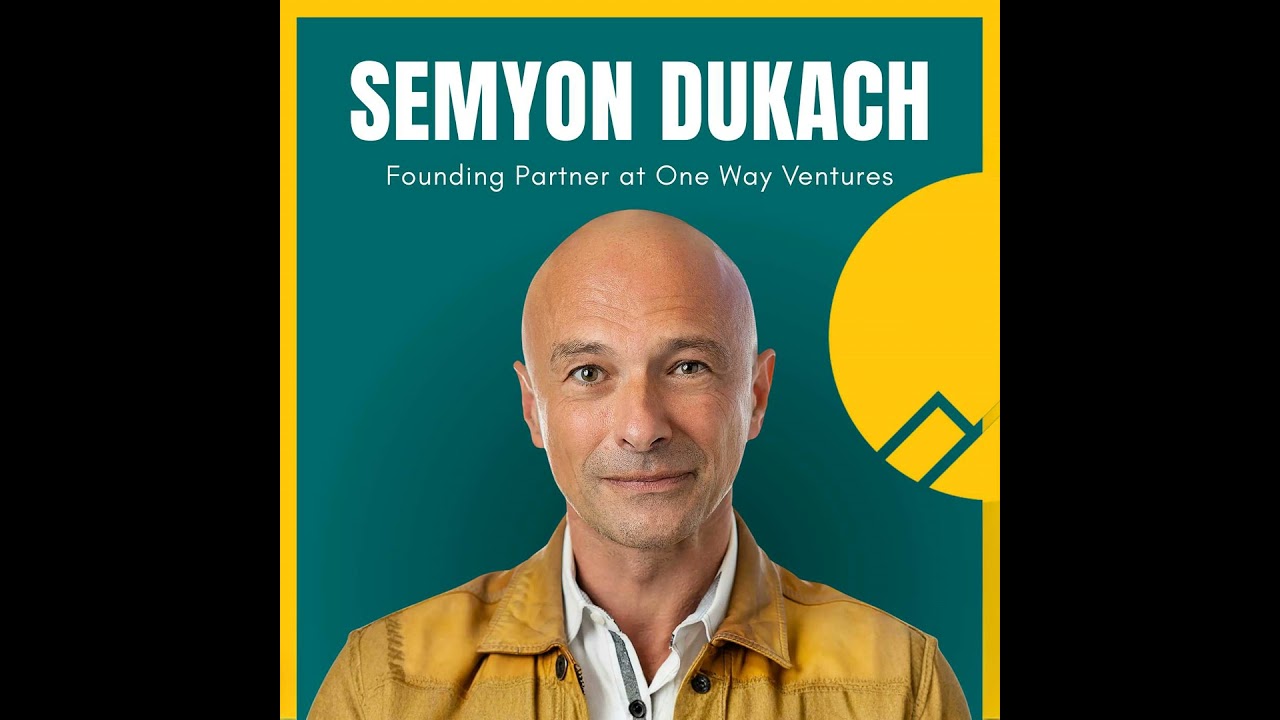
Semyon Dukach, who led the MIT Blackjack Team and now runs One Way Ventures, invests only in immigrant founders. He points out that 55% of U.S. unicorns were started by immigrants, yet they remain systematically undervalued. The blackjack team taught him quantitative decision-making and disciplined process, which he applies to backing founders who took a one-way ticket to a new country.
Chapters
Do you think that immigrants are quote unquote kind of undervalued? If I think about like moneyballization of like venture.
Absolutely, absolutely. They are undervalued. I mean, the valuations of immigrants are not lower than of native-born Americans. They're not lower, but they're undervalued. They need to be higher. A significant majority of all success is immigrants. Yeah. 55% of all the unicorns was started by immigrants. Actual immigrants, not the kids of immigrants. Yeah, it's pretty clear. Like all the VCs know that they want to invest in immigrants. They're just not maybe as good at it as a fund that focuses just on that asset. It's like anything else. When you focus on something, you get a little better at that.
Welcome back. This is From Startup to Grownup. My name is Alisa Cohn, and today I'm thrilled to welcome Semihun Dukac to the podcast. Semihun is the founding partner of One Way Ventures, which is a venture capital firm which backs exceptional immigrant founders in the US at the pre-seed and seed stage. Before that, he led the famed MIT blackjack team, He started multiple companies and he became a prolific angel investor. We talked about his unusual path from card counting to venture capital, why he believes immigrants make the strongest founders, and what he's learned about building high-performing teams from casinos to startups. Samin also shared why the best founders don't need encouragement, they just can't help but build. Please enjoy my fantastic conversation with Semyon Dukach.
Here we go. I'm so thrilled to have you on the podcast, Semyon. You're fascinating. You went from Pac-Man champion to blackjack card shark to entrepreneur to investor. Your life has many chapters and we're gonna dive into them, but I have to start with one of your early startups. What's Gotta Flirt?
Uh, gotta live, gotta love, gotta flirt.com. Yeah, it was a, a terrible effort. I think that was the last time I actually tried to start a company as a co-founder. I actually started several, but over time I realized that I'm gonna make a much better investor and this was the The very last attempt.
Yeah.
And what was it?
Oh, it was like a dating site. Yeah, it was more of a game. It was like The Dating Game, the old TV show. Very challenging because we tried to make like a simultaneous experience on the internet way before such things existed. People had to be on at the same moment and play various games, put each other on the spot, make jokes. Yeah. Interesting company. Didn't go very far.
You didn't, you didn't get rich on Got2Flirt.
No, it completely failed.
That does happen.
That's what I hear about the startup world.
But something that did not fail is that you were on the famed MIT Blackjack team. Tell us a little bit about, I guess, just give everybody a little tiny, brief, brief, brief history of the famed MIT Blackjack team. And then I wanna hear about what you personally learned about that experience being on a team like that. That's a high-performing team.
Yeah. I mean, it was definitely formative for me. I learned a lot. It was my first company in a sense.
Yeah.
And it was my first fund as well because yeah, we had investors. People played, right? So it was kind of like an investment fund. So many lessons. Thinking about probabilities, like very quantitatively, very precisely. The history of the team, I mean, it goes way back, way back. The game has been known to be beatable in theory for a very long time, and various people have done it. And there were teams at MIT. I know of some people who played, you know, many years before me, and there were others who played before them. I think since the early '60s, at least. Yeah.
And basically, they— these guys at MIT who they're, as you just said, analytical and precise. And also, I would just kind of say kind of like troublemakers and pranksters. They all got together and they built up this culture of how to beat the house at blackjack by card counting. And there was sort of like this storied history passed down from generation to generation of people who wanted to get involved in this— what is it called— the blackjack team or whatever at MIT. Is that right?
That's right. There was more than one, of course, but yes, that's basically correct.
Yeah. So what else did you learn about being part of a team? Not just about like sort of probabilities and analytical stuff, which I know is important, but like what was it like to be part of a team at that time, especially that was sort of like such a, I don't know, doing such an interesting thing?
I loved the fact that we were doing something that was supposed to be impossible, right? I didn't keep it as a secret. Many people did, but I talked about it freely and yet no one really believed you, right, back then until there were Dr. Documentaries and Kevin Spacey's movie and whatnot, books, people just assumed we were compulsive gamblers who thought that they had an edge in the way most of them do think that. But we actually did win money over the long term. A lot of it came down to precision, like practice, record keeping actually. We ran simulations on a computer afterwards, so we kept track of everything that happened and then we went back and wrote, ran some code and basically figured out how much we would've like been expected to win on average, was what standard deviation and modeled it all. But so many lessons. I guess just basic teamwork, um, in a company, having a shared set of values, a mission is important. We needed to rely on a lot of trust because there was a lot of money flying around. There was no way to really verify that everyone was doing what they should. And so it had to feel right to everybody. And it was fairly sizable, like with the group that I ended up being a leader of had as many as 40 or 50 people part-time. And there was another team in parallel at MIT that was similar sized. So yeah, we had to train people and we did these tests and we had— then we did, we would have the big test that you have to pass once, checkouts we call them, but then there'll be a trip checkout right before trips to make sure you're current enough. And really probably the most important thing in the software simulators was modeling the human error. So we were cognizant that we would in fact make mistakes and we would predict how many we would make, how often, what kind of mistakes, and that would be part of the strategy, you know, playing, understanding that you're not gonna be perfect.
Right.
So, yeah.
So being able to come, come, come back from failure.
Not even come back from failure, but just as you apply these heuristic methods, which involve, by the way, very little actual math. You're just keeping track of a single number. Maybe you have to divide, you know, 20 by 4 or something, or 4.5 very quickly, but there's no mathematics in the applying of it, just maybe in the developing of the methods there is. So yeah, we weren't actually relying on people being math geniuses. Breaking news for you, I'm actually not a math genius, despite occasionally people saying that, or often people saying that, nor is everyone who goes to MIT a math genius. But we did have to have an extraordinary amount of discipline, and we practiced a lot. And the money we made, you know, it was a few million dollars, but it was not a significant amount of money for the people involved and the time that they spent. I'm not in the top 3 most successful people who were on that MIT Black Tech Team, right? We have multiple people who made billions and billions of dollars, built big companies afterwards as entrepreneurs. It was a lot of fun. I learned a lot. I certainly don't regret doing it, but I do sometimes regret spending 3 or 4 years, at least half my time or more doing it. Probably a little bit— one year would've sufficed, but yeah.
Yeah, that's interesting. I mean, what I'm taking away from what you said though, in terms of just what you can learn about teams is like, number one, you had to have a lot of trust. Number two, I'm hearing there was a system system, people had to get trained in the system and they had to follow it with discipline. And then number 3, I'm really hearing that you had to onboard new people. That's the whole point about it being a 4-year program 'cause you're in college.
Well, so yeah, we weren't actually undergrads mostly, but we did have to onboard people a lot.
Yeah.
Either because people didn't want to keep playing that much, but mostly because the casinos recognized them, they got too known and they were kicked out too quickly. And that was just a constant part of what we did is getting kicked out, getting tracked, connect, being connected to someone because you the coffee together in the coffee shop afterwards, and then newer people, yeah, we would sometimes disguise ourselves and we certainly give them different names when we didn't have to produce ID, but newer people could play longer and more flexible.
That makes sense. That makes sense. But just before we sort of talk more about, you know, sort of your more current life, I am just curious, because I want to just mention that like, yes, you had to have a lot of trust and also you were working kind of in a remote team. Not everybody was in the same quote unquote workplace, right? So how did How did you build trust or did you think consciously about building trust or how did you guys have that high level of trust with money flying around everywhere?
We kind of assumed trust, but we also treated people like, like partners. We, we didn't really take equity, right? The gains were split between the people based on how much they invested and put at risk and how much time they played. Not so much how much time they spent managing the organization, but someone had to keep the books and it was a bunch of work. And so, you know, it, it had to be a team that there was an attempt on the prior team to make it more of a, of a standard business that really paid people a salary and minimal bonuses. And that didn't really work. I mean, the team that I was involved with most of the time definitely treated everyone like owners, like partners. Yeah. Yeah. Even when they were minority partners and they occasionally played. And we didn't have outside investors really. We had the people, people would generally first play a lot and then they would mostly invest and they would get to invest like, because The size of this bankroll was pretty limited. We couldn't use more than like a million and a half to a million at the most. And so we would basically expect, like, like angel investors or VCs are expected to add some value, right? People who got to invest in the Blackjack team were mostly people who used to play a lot and then got too burned out to recognize to play a lot. They would still play sometimes, but they would make money by being allowed to invest more and, and by helping train new people and helping manage it.
Amazing. It's so fascinating. And so then from there, you went and you started, by the way, were there a lot of entrepreneurs that came out of that blackjack group?
Would you say? Yeah, absolutely. Yeah. But like John Hirschstick, for example, was a little bit older than me. He, but he was still playing occasionally, interacted with me and he started SolidWorks and, and a bunch of other companies, very successful companies. Yu-Chen Li played a little bit after me, but on my team. And yeah, he started Unica, he took public and others as well. So yeah, there were plenty of entrepreneurs.
Yeah. Yeah. You were also an entrepreneur. So you started a couple of companies and And so I guess I'm curious, certainly, you know, sort of we can talk about the companies that you started, but you know, at some point you made the leap into investing 'cause you realized that you really didn't resonate as an operator more than you, as you did in an, as an investor. So talk a little bit about the journey of starting some companies and what was the insight that made you realize I'm really an investor, not an operator?
Yeah, I guess my, the companies I started were not really mission-driven in any sense of the word. I didn't have this like burning desire to change the world in a particular way for sort of customers that I cared about, which is what you need. Blackjack was cool, but I just wanted to make some money. You know, we were refugees, we were poor, and I wanted to feel smarter than the people I was up against, which was easy to do with a bunch of MIT kids dealing with the people who work in the casinos in Vegas. Generally, they're not famous for hiring the very best and the brightest people, but they're good at what they do, of course, but we didn't like them, right? There was also this us against them way of looking at it. Like, I still don't like them, you know, I still just personally feel like the whole industry does deceive a lot. They do get, they try to get people addicted to gambling. They offer them a lot of drinks and treat them like they're loved and really they take advantage of them in some ways. So we kind of felt like we were doing the Robin Hood thing a little.
Right. Against the system.
Yeah. We didn't really give to the poor, we just took it for ourselves. But we, I don't know, we, we felt perhaps it was silly, right? I, I don't necessarily look at it that way now, but we, we felt, uh, like, uh, we were on a moral high horse of some sort. Um, yeah, many, many things that I do now I picked up there, especially like with fund investing, just being able to think very quantifiably. About not just strategy, but about risk. You know, you might have an advantage statistically, but like how much do you bet in blackjack or how much do you invest? Or if one of your companies in the fund now is worth a lot, like do you sell some and do you sell half or what do you do, right? Or I guess in blackjack we could theoretically get the optimal solution 'cause the information existed. It was a fairly simple system. In investing in technology, you rarely have enough information to make the absolute precise calculation, but it It means a lot, I think, to know that a single right answer exists. Like, there is an optimal amount. If you bet more or less than that, you will make less. There's an optimal solution. And so it kind of forces you to think first principles a little bit more. It forces you, for instance, to maybe ignore some of the mistakes that people automatically make because some things are counterintuitive in probability, like if you want to think about whether you should sell, it doesn't matter whether you've lost or made money. It doesn't matter what your entry price was, right? It's actually not selling is identical to buying a similar amount. So things like that, it's a little bit easier to be rational in, in those ways when you've had that experience with life tech.
Yeah, that makes sense. So you started what, 2 or 3 companies that you don't feel like were mission-driven, and then you had this insight that you were not as much of an operator as you were an investor. And I'm curious, what was that insight like? But also, when did you start investing and realize like, oh, I'm an investor?
Yeah. Yeah. I started investing well before I realized I'm an investor, but just a few years before, in the '90s, before I sold my first company, which was called Fast Engines. I started in '97 and sold in late '99, which it had some customers, it had products that made their lives a little bit easier, which was nice. It was better than blackjack because in blackjack we didn't have customers per se who said thank you for your service. It was like arbitrage. Crash, right? We were like traders. So a little bit soulless in that sense. Like you don't really contribute to the world. Nobody thanks you. With the software company, I had customers who miraculously did thank us and me for building the software. In addition to giving us all this money, they actually felt like we solved some problem and that was really nice. But it was not like a big long-term problem that I really believed in. I just saw, I was seizing an opportunity that was there. And so before I even sold the company, just from some money I made with blackjack and some other random businesses, I was kind small businesses. I was doing like real estate. I wrote angel checks into other startups by people I knew. There was a mentor CEO group I went to at a nonprofit called the Cambridge Business Development Center. That wasn't exactly YC or Techstars, but it was something. And the peer group, you know, with some older guys who mentored, it gave me a lot. And I actually, they asked me to be a mentor when I sold my company and I was 40 years younger than the next youngest mentor who was in his 80s or whatever, which was cool. I took it seriously and I ended up investing into some of those startups. That were in that group. And yeah, then I started something else. I did Got a Flirt, you mentioned there was a company called SMTP.com that I kind of ended up acquiring first having invested in it, but I owned all of it for a while, so I had to really run it and I took it public and it made some money. But I just had the realization that when I had my startups, if someone asked me at a party what I do, I'll tell them, well, I run this company, but really I'm thinking of some other thing. It's like I would downplay the thing I did and it dawned on me that I actually, what I actually do is I'm an angel. And I can be a better angel. I can lean into the angel part of angel investor and actually try to maybe mentor or just try to really help in any way I can with empathy. And that's awesome because then people are really grateful if you can actually give them some advice that's actionable, that impacts them in a meaningful way. So they're much more grateful than because they bought some product that you solved some specific problem. And I realized they're my people. Like, I love people who start companies. And they're the ones I want to help, right? Like they're the ones I want to serve. So once you have your group of people and you know, you're— I thought I was good at it. I was good at being quantitative at identifying opportunities. I made money by investing from the beginning and I still have a good track record as an angel investor. And later I, I managed the Techstars program and now One Way Ventures. But it's not just that I'm good at it, it's that it, I really feel like it's, it's my calling. It's, it's what I have to do.
Yeah.
And it was a relief ever since that I have never had any doubts. I'm very surprised that I I got into venture capital per se. That's, I wouldn't have predicted that, but I, I knew, I think it was about maybe 2002 or 2003 that I kind of realized, yeah, I'm an angel investor. That's who I am. I will always be one and I could be better or worse, but that's who I am.
Yeah.
Well, and there's ADD too, I have to say. It's also the fact that it's nice to be involved in a bunch of different things and not like one thing for many. It takes a decade or two to really build a meaningful, important business. And I'm not sure I can hold my attention quite that long. And so yeah, I think I definitely have to stick to investing. Plus I, I'll add one more thing. There's private equity type of investing where you might, your organization might buy a controlling stake and install a CEO and really be involved in the managing of it. And I've realized like that's not for me either. I don't want to have too much control. I'm very good when, when I have 10 or 15% of a business and I'm at the board meetings. If I have I have, you know, 40% of it or 60% of it, and I'm at the board meetings, it doesn't play to my strength. It's the part comes out that my, you know, when you're raising kids, I have 6 kids, like when you lose it and you yell at the kids, that part comes out, right? When you, yeah, control is not great. I don't want to have that much control, right?
Got it. Oh, that's fascinating. It's so, and you've really kind of gotten a lot of self-knowledge through all this, through like sort of trying and doing, like iterating and learning. And then I just want to note that like, So as you mentioned, you're, you emigrated here and we hear from your voice, you're not from Oklahoma, right? So you're from Russia and you started your firm now called Oneway Ventures, and you focus on immigrants. So kind of connect the dots about how your own immigrant experience kind of has, you know, has impacted the way you've grown businesses, the way you've invested and how Oneway fits into all of that.
Yeah. Well, Oneway as a fund does, does have a mission around immigrants. We only back immigrant founders. Yeah. Immigrant founders. Stronger than other kinds of founders, all else being equal. They're more likely to persevere, to go through walls or around them. They're just very motivated. And, uh, not because the culture in other places is particularly better, but because the specific people who make the journey, you know, who make the choice, who buy the one-way ticket, which is why we call it One Way Ventures. It's a tough choice. You really commit to it. You have a vision of your own future that you just You just can never let go. And people around you don't necessarily support your decision to abandon them and move somewhere else, right? And yet you, uh, you do it and you can't go back. You can't quit. And you, you figure out a language, a culture, you figure everything out, but you somehow know that you have to make it and you make it. Uh, we back immigrants indeed. Myself, I was young, right? I was, uh, 10 years old. I think I turned 11 shortly after coming here. We were refugees. Um, want to disagree a little bit about being from Russia. Although I, I was in fact born in Moscow.
Mm-hmm.
It was the Soviet Union at the time. It was a very different country.
Ah, yes.
Yeah. Although today's Russia is taking on some of the worst aspects of the Soviet Union, but I've never had their passport. And certainly like the Soviet Union fell apart more than a decade or two after I was already in the US. And yeah, we were stateless refugees. We, my first documents for Amer— I mean, I guess I had an ID from Italy that was a temporary handwritten thing. The child who calls himself Semih Endukac notarized by some Italian police person. But then my first, my only passport is the American one. And so, and I'm ethnically Jewish and I've kind of thought a lot about identity over time, but in more recent years, I've spent a lot of time in Ukraine, which is where my grandparents are from and have learned the language, did a lot of nonprofit work or helped my wife do some meaningful work. And so at this point, I I consider myself to be Ukrainian and not at all Russian, which given that the war is still happening, it's an important distinction.
Yeah, I see that. That is, I mean, first of all, identity is such a fascinating topic in the way, you know, we have it, what we're kind of made of and how we get shaped. And then I think that your immigrant experience is so fascinating and also your understanding that like immigrants in some ways, by the way, I'll just step back and say all the data from Inc. magazine has like showcased the importance of, or let me say that highlights the success of immigrants who start companies. So like, this is definitely a thing. It's sort of the way you frame it is very interesting. Like, you know, there's like almost no choice when you're an immigrant. You gotta come here and kind of figure it out. And that's very entrepreneurial. And you wrote an article on your website about why immigrants make the best entrepreneurs. And you said immigrant founders have lived diverse experiences. They don't look back and they are resilient. And maybe I could, maybe I could get you to like give some color commentary on those qualities and some of the founders that maybe you've backed through OneWay.
We've backed so many. Many, and they're all immigrants. And in fact, we started out having a fairly loose requirement of an immigrant co-founder, and sometimes it was people who came as very young children. But by now, you know, that part of the strategy is working so well that we've tightened it up and we really back people who themselves have made the journey and who is the CEO of the company that is doing the fundraising that's talking to us. The resilience is probably the most critical factor. Because you do need a lot of luck to build a truly big business. But luck comes to those who are still around to get lucky, right? Who refuse to lose, refuse to sell for too little, don't necessarily have a lot of offboarding options. Like they don't have the network to land a cushy consulting job, right? Like they are committed. Yeah, we don't really back immigrants in order to help 'em because we don't look at 'em as like a disenfranchised and deprived group that needs like more money directed to them for inclusion purposes. It's not like that. It's not a charitable in that sense at all. We get to back the strongest people because we know how to leverage this network where we unite immigrant diasporas and we, we make it even stronger. And we are able to convince really great founders who lots of investors will wanna back to work with us because they like what we do and they like how we do it. And ultimately it leads to greater financial success, which is necessary in venture to earn respect, 'cause we are making money for limited partners. But the mission as I see it is that this success creates recognition. And so like the Boston Globe highlighted me recently and sort of implied that I was the top VC in Boston, which is a huge exaggeration today, but I think I may very well be on that path. And then when that happens, and like Time Magazine listed us, you know, as one of the stronger funds that draws attention to the success of immigrants. Or like this summit that we're putting on in San Francisco in December as well, where we're bringing in some really high-profile immigrant entrepreneurs. It just, it shifts a little bit of focus generally. I mean, people who read the Boston Globe aren't necessarily in tech or aren't investors, but I think highlighting the fact that a fund can be recognized and viewed as a very successful fund that only invests in immigrants sort of shifts attention to the value that these immigrants create for the country. Country, which is important, right?
Yeah, that is really important. And also, I, I wanna ask you a little bit more about your system and your process for getting into these networks, but I just wanna highlight something that you said that you really get it at, which is people talk about like, oh, just keep your head down and keep working. Just let your success speak for itself. And on the one hand, success speaks for itself, but on the other hand, actually it's very helpful to have recognition. It's helpful to build a brand, as we say, because then it shines a light on the work that you're doing. It brings other interest and attention. It gets interest of other immigrant founders who are great, who wanna then, who are willing to take your money. It brings more LPs, it brings more kind of like goodness to the ecosystem you're trying to build. So I just wanna highlight that because I think that sometimes certainly founders and investors don't always see the value of building a brand, but I, I feel like you've just kind of highlighted it right now.
Yes. I mean, in venture in particular, I think it's critical of course to have a brand because you need a network that keeps strengthening and expanding. You can't just like leverage existing connections and get access to some deals and then what? You have to A, add a lot of value, So we like to lead rounds, we like to be the first money in, um, and use our broad network to really help the founders in a meaningful way. But you also do need to build a brand and be recognized more broadly. And in fact, the startups in our portfolio, um, they are run by immigrants from, I think we have 45 different countries that they've immigrated to the US from and still adding more. If there's one kind of weakness they might have as a group, public relations. Communications in general, not the biggest strength, right? Relative to the otherwise weaker, but US-born founders, but who are better at that. And so as we start to pick up a little bit of scale and we, you know, we're raising a third fund, we're able to kind of hire the first full-time person who does work for the portfolio companies as part of the package. And the person we have is actually the public relations woman who introduced us, you and I. Yeah, yeah, yeah.
Yeah.
She's phenomenal.
And, and her whole agency is phenomenal.
And so we brought in full-time, I think about a year ago, in order to help the companies with an area where we might help extra.
Yeah, yeah, that makes complete sense. It makes complete sense that like your population is not the best at like beating their chest on Twitter or whatever.
Like they're kind of focusing on the content. On average, of course, some are better than others, obviously.
Right, right, that's fascinating. So let's go back to your system because one thing that I heard you talk about in a previous podcast was the idea that like what makes, what distinguishes any venture capital firm, and one thing that distinguishes you is your ability to get deals, right? To get into hot deals, to get, be able to invest in the best companies. And part of what you need to do, as you pointed out, is build a network, but you have to have a system. Talk specifically about the mechanics of the system you've built as of now. I'm sure it's changed. I'm sure you've tested and learned, but what, how, how do you right now make sure that you are known to the right founders to get into the best deals?
Yeah, I would say my partners do a lot of that work. My partner. Eugene in particular is putting on this, the summit that I mentioned, which is gonna be a very high-profile event in San Francisco on December 10th. And, um, he's built also this Pathfinder Collective, which is a group of, uh, unicorn founders who are supporting— they, they each have committed a little bit of time to help people in our portfolio, and they're all multi-billion-dollar success stories. But we also, I would say deal flow in general has been a strength for us just because of my background. I've been investing for a long, long time, and I do have a strong reputation as someone who really cares about the founders. And I also managed the Techstars accelerator in Boston for several years before starting the fund, which has its own large and effective network. The fact that we just have a lot of investors, limited partners, uh, couple hundred people, many of whom are themselves entrepreneurs who have their own networks, all of whom believe in the strength of immigrant founders, and many of whom are immigrant founders. So, um, then of course we have deal flow from the universities just because Boston, San Francisco are our partners, and the other two of us are here in Boston. There's obviously a lot of technical knowledge that comes out of the MIT and Harvard and BU and Northeastern and all these schools.
Yeah. So it sounds like, I mean, but you have your tentacles out there and you're really sort of constantly reinvesting in, I think, the influencers, kind of like, you know, your LPs who are themselves loves immigrants and they're wanting to give back and they probably have their tentacles out there, connections to the universities. And you know, it sounds like you are also just conscious of it, like that you're somebody who's conscious of figuring out how to be a deal guy.
Definitely conscious of it. We are not like resting on our laurels because we have good deal flow. It is probably the most important thing for driving returns. It's more important than your processes and skills around picking which deal to invest in, right? It's, you make a bigger difference. There's a bigger difference between the best and the average venture capitalist in their deal flow than in their investment process, for sure.
That's interesting.
Yeah, because often the really extraordinary founders, pretty, like once you meet them, you want to invest. It doesn't take a genius to want to invest. Sometimes we do see it a little earlier though, I would say, because we focus on the immigrants. Sometimes we're just better at seeing that they're extraordinary in some way that's maybe not quite as obvious. They have to succeed a little more before it becomes obvious here. So there's a moment where we can recognize it, especially like when we have a depth of more experience with people from one country, we might know what the good schools are, we might know about the companies they've partnered with and their failed attempt to start something over there or whatnot. And we are trying to, of course, develop more of that depth in other countries where we don't have it.
Yeah, that makes sense. Do you think that immigrants are quote unquote kind of undervalued? If I think about like the moneyballization of venture.
Absolutely, absolutely.
They are undervalued.
I mean, valuations of immigrants are not lower than of native-born Americans. They're not lower, but they're undervalued. They need to be higher. Yeah. Well, no, I mean, it's not a joke. I mean, a significant majority of all success is immigrants. Yeah. 55% of all the unicorns was started by immigrants.
By immigrants.
Actual immigrants, not the kids of immigrants.
Right, right, right, right.
That's fascinating. Yeah, it's pretty clear. Like, all the VCs know that they want to invest in immigrants. They're just not maybe as good at it as a fund that focuses just on that.
Right, because they don't don't have the same pattern recognition and don't know what to look for necessarily.
It's like anything else. When you focus on something, you get a little better at that.
Yeah. So, so Simeon, what do you look for? Now, I know this is very hard because also you've done this for a long time, so it's like a little gut feel and I know it when I see it. But if you had to think, you know, if you were giving advice to the founders listening to this who are immigrants themselves and they wanna showcase themselves to you so that you get like, these are extraordinary founders. It's not even a question. We definitely wanna in, what kinds of traits, behaviors, skills, mindsets are you looking for that will help you get your spidey sense around that particular founder?
Looking at someone who has led an extraordinary life, like they had to have achieved something incredible, rare in some way, right? Not necessarily in a business, almost certainly not in the actual business that you're investing in because otherwise we're seed investors, it wouldn't be a seed. And they need to have a vision of the future of how the world will work that they have a lot of conviction about. They certainly have had to have started the company, have to have customers. They don't have to have a product, but they have to have customers that they're talking to, that they want to serve. And they need to be able to hear objections and skepticism about their vision. They need to be interested and curious and engaging in dialogue, but they absolutely have to not accept all the advice that they give them on the spot. Right? And that's, that's rare. Usually people either are quite weak and looking for answers and have too much respect for us, I guess, or they're obstinate and stubborn as hell and they're just not listening to anyone and they just know that their vision is, is the holy grail and that's it. So we don't like that either, right? Yeah. But when people have that strong vision, high conviction, and are interested in hearing what you think, not in order to take all your advice, but in order to learn more and to understand and to perhaps think of something they haven't thought of. That's what we'll look for. And of course, they need to be able to tell a story. They need to be able to inspire strong teams to join them. That's a really good sign when people can get really strong people to come and work with them, the kind of people who would not go to work for anyone else, right? They might start their own company or whatever, but if you can convince people to join you, that's important. So all of those things, but I'll say one more thing, just the way you framed the question. It was like just slightly, slightly triggering in that so much of the press and the podcasters and the whole world is telling these founders that they need to figure out how to convince VCs to give them money and that this is what they need and this is, should be their goal. And they might be listening to this in order to figure out how to behave when they get a meeting with me. It's not at all true. That's not a goal. Nobody really needs venture capital per se. You know, they should talk to their customers. They should be excited about doing something for their actual customers. Raising money, in particular venture capital money, it's something you have to do as a way to get to the endpoint. It's not a goal in and of itself. You're much better off not raising VC money and getting to the same revenues, right? You have to kind of, you have to pay it back for one thing. Yeah. There's a preference stack on investments. The more you raise, the more successful you have to be before you make anything, for one thing. But even just beyond that it's, if they really are able to excite customers, like raising money is not hard. That's not the hard part. The money will come. And they really need to think more about like which VC they want to take money from and why. And they should be asking, they should be watching this podcast in order to figure out whether they actually want our money and not to figure out how to get us to say yes.
First of all, I'm so glad that you added that and thank you for sharing that. And I appreciate that you got triggered by that question. And I think rightly so. I think you're exactly right in terms of like, it's not about It's not about, you know, sort of going and being like, I'm trying to be, I'm trying to play startup. And where you play startup is like to get VC money and to like beat your chest on Twitter. You've actually gotta have a burning desire inside of you to serve a set of customers. And I appreciate that you made that point.
Yeah. Yeah. And, and of course, as we know, people often forget how just incredibly hard it is.
Very hard.
Yeah. Like so far, at least none of my 6 kids have started companies and maybe one of them, Lila, to whom, but you don't necessarily wish it on your children. Like, it's incredibly hard.
Yeah.
And there's no formula, right, for disrupting an industry and winning. Like, there's no steps you can follow. You just have to need to do it, right? You have to be internally motivated.
Yeah.
To, to make it happen.
And yeah, for sure.
You either have it or you don't actually.
Interesting. Do you, I, I guess I'm just curious because you've seen, you started your firm in 2017. Right?
Yeah.
And you were, I mean, you were an investor and obviously a founder yourself, but also an investor even prior to that. I guess I'm curious what you, how you've changed in those years of much more experience and pattern matching and sort of talking to entrepreneurs and helping and serving entrepreneurs. What, what maybe you've changed your mind on, but also how you've personally grown or changed in that time?
Oh, since OneWay. Oh, so many ways. Yeah. I, I've actually done more investing before, than during OneWay. I mean, I had, I think about high hundred, close to 200 companies as an angel. I had another 50 companies, 48 or 50 companies in my portfolio around Techstars. And yeah, I guess we're approaching that level at OneWay now as well. But I knew nothing about so many aspects of venture really. Well, the hardest thing was partnership, like a real partnership. I never had like really strong lasting partners that were truly complementary, like very different and very strong. And I do now, which is incredible. Incredible and very, very lucky to have it. But I think I had to kind of grow a little bit for that to be possible.
Yeah. How did you grow? What did you learn or how did you change or how did you grow for that to be possible?
You get humbled in some ways, right? You get, you let go of the desire to control. And specifically, like I talked a little bit about my partner Eugene, my partner Lex, who's younger, they're both younger than me, but Lex is younger than Eugene. He's a fantastic investor and kind of a natural talent, but also he created all these processes. Processes. I wasn't big on processes. You know, I was skeptical of processes. I was skeptical of OKRs. I was skeptical of just the investment process, like writing things out and just doing all this diligence. I wasn't a huge fan of diligence. Like as an angel, you don't really need to do a lot. It doesn't make sense. It's, you're investing too little. You're better off just writing more small checks. It's, most of them will fail because there's no product market fit. They're not going to fail because of something you could have necessarily caught. Now, you know, we make concentrated bets and we evolved too. We weren't as concentrated in Fund 1, we had more checks. I think we had about 40 in the first fund and, um, 30 in the second, and we are doing 20 in the one I'm investing out of now, which is our Fund 3. And that means, like I said before, leading and being very involved. And I say, yeah, that would be more— more recent lesson is just realizing that it's all about relationships and you want your relationships to be deep. That's one of the reasons you have to be concentrated it is A, you do more diligence, you make more high conviction bets, but B, you just have a more manageable number of founders to stay close to. And then, you know, same thing kind of applies to limited partners too. I love having all these people, but I don't necessarily spend the time to enjoy the company, right? Like to, to get all the value. And sometimes they can add a lot of value to the portfolio, but there's not enough of us to actually remember who can add value to whom and when and how, right? So that applies to, to to all the aspects of the network, like other VCs that we work with for later stage and for the same stage as we are at, and even like contacts of the press or whatnot. I think I want to have, you know, deeper and a more manageable quantity of relationships across the board.
Yeah, that makes sense. I think that that must be very challenging because you're really dealing with scale, like making more bets is good, although you, to your point, it's concentrated, but then also you need more money coming in, which is LPs, but then you have this desire to keep it more of a tight circle. So I think that must be an interesting tension inside of, you know, when you want to scale your firm.
Yeah. Yeah. I mean, that's the thing is it's, it's hard to raise venture capital funds and it's hard to run them too. You're running a startup, like a smaller business startup, and you're investing. And yeah, it's actually very intense in terms of time commitments. I'm still kind of struggling through having some balance between spending time with the 6 kids and now some of their spouses and soon grandkids, Actually, my oldest daughter is expecting her son, and so it'll be my first grandson in this winter. And yeah, where was I? I'm sorry.
Well, I wanna ask you a different question. For any entrepreneur and investor over a long journey that you've had, there've been ups and downs. Can you maybe share one of like the biggest downs you've had? Like, like, uh-oh, this is not gonna work. Like, this is like, uh, catastrophe. And then maybe one of the biggest ups you've had.
Funny, I'm very optimistic and when, when downs happen, like you get disappointed, you, some deal falls through something. I mean, before starting OneWay, I was exploring actually a role at MIT when I was starting The Engine, which is a larger fund. It was much larger now, but it was a couple hundred million already before we had raised anything. And I was like one of the two finalists for the role of running it. And I really thought after Techstars that that's what I wanted to do. I love MIT, I love technology, right?, and a woman who actually ran Techstars before me, Katie Rae, got that role. And she's, A, was an incredible manager at Techstars and had a venture fund she briefly ran as well. But like, she's particularly suited for the job that she got. And really, I would've been the wrong choice. But I was upset about that for, I don't know, maybe 2 or 3 days, a little bit disappointed that I wasn't picked. And then that created the opportunity to start One Way Ventures, which is like my life's work, right? That's the perfect role for me. And I wouldn't have been very happy if I took that job. I wouldn't have lasted there probably more than a year or two. It wouldn't have been right for me. And that's, I think that generally applies to like all my disappointments. They always in retrospect look like wins and opportunities because maybe because I choose to see it that way, but I think it's generally true.
Yeah, because they also open doors for you. And like you said, to do your life's work. I think it's very powerful. Semyon, have you ever experienced imposter syndrome or severe self-doubt?
Yeah. Yeah. I think everybody does in venture in particular. It's very, well, actually starting companies, you always feel it. Like when you're the CEO, you feel it. In VC, you feel it even when you have, you know, good track record. You're like, well, what if I just got lucky? Well, that one, you know, that one was a special thing. Like that one was a one-off. That was, so I felt that about my investment track record. I mean, I had 36% cash-on-cash returns to myself as an angel over a 24-year period. Okay. This is a, this is good. Like, I know it's like, that's not, that's not enough necessarily to raise venture funds because it's so different. There's no portfolio management and whatever, but it's, it's a, it's a good thing, right? And yet I, I actually, when we already had one, I, I had like doubts about that because of like, well, this was that, you know, you'll, you do. And then eventually you sort of, you stop having it because you, the more numbers come in and it just becomes more clear. Things get repeated, but it certainly does happen and I think you just work through it.
Yeah. What advice do you have for others to deal with their own imposter syndrome?
Well, I think you want to see yourself realistically, right? You don't want to be so narcissistic as to believe you're, you know, perfect at everything, but you also don't want to be so full of self-doubt. And often actually it's the same person who, who goes back and forth, right? So I think Chester Muffin tells us, you know, being aware of how others see you helps you see yourself more objectively. Being interested in your flaws as opportunities for improvement, like wanting to grow, wanting to change, being willing to change your mind about anything always. I think that's a big one for me. Yeah, I think that's— you lean into those things. And yeah, so you feel imposter syndrome, you accept that you in fact aren't perfect and you just, you improve the things that aren't, but it doesn't make you a fraud and imposter, you know?
Yeah.
It just makes you somebody who's well on their way. Way and needs to get better at some things. I love that.
Well on your way, needs to get better. I love that. Just a couple more questions. What did you, what do you wish you had known earlier on your journey?
Well, like all the lessons that I've said we've learned recently, it would be nice to learn them earlier. I wish I had like great partners earlier. I even going back to an old lesson, I wish I realized earlier that you need a mission. You need to care about your customers. I think I, I wasn't aware aware when I was younger just how powerful reputation can be. When I shifted more of my focus as an angel investor to try to really do good and really help the companies and consciously started to care less about making money from it, like I wanted to make some money from it, but I wanted it to be less of a priority. I felt like I wanted to be more, you know, philanthropic in a sense. I actually explored philanthropy in other ways and then decided to stick with the Nest thing. I met Jimmy Carter for that purpose. I was gonna do something with the Carter learned and he wisely advised me to stick to what I know, make the world better one person at a time, which is what I just advised someone in philanthropy the other day in the same, like, you don't want grandiosity necessarily, right? You just want to do good. Anyway, I had no idea that by actually focusing more on adding value, it would improve my results, my financial results, like, because the reputational loop is shorter than you think and it's more powerful than people realize. And I think Maybe in my immigrant culture, this wasn't built in. Maybe some American founders would recognize how important, but they, they would look at it sometimes from a place of fear, like, you know, don't let— but I think it's also a place of opportunity, like do the right thing and the world will value it and it'll come back. The karma will come back in many, many ways.
I love that. And last question, what advice do you have for founders as they embark on their journeys to grow into leaders?
Founders growing into leaders. Yeah, I mean, once they have founders, the journey is about the business, not growth. But yeah, I suppose you also grow into leaders. I don't know. I don't know if I'm necessarily a great leader. I certainly couldn't run a large organization effectively. I maybe got a little better at it as I got more comfortable with all these processes and communication. But advice for founders, well, I mean, if they haven't started the company yet, the advice is keep the job. I mean, you've probably heard this from other investors. Keep the job, you're gonna fail anyway. Yeah. Choose the safe course. It's all a bunch of bullshit. Don't, don't take the bait. Don't start a business. Right. That's the right advice. Of course. Because you're laughing, I think you're familiar with the advice, right? It's, you can do a lot of harm with, with, with the other advice and, and you cannot do any harm with this advice. 'Cause like, no, no one who has a chance of building real business will ever take it. So it's safe.
Yeah.
That's a safe thing to say. It's a kind thing to to say, actually. Yeah. Weirdly.
Wait, so you're saying if someone's wondering if they should start a company, you're like, don't keep the job. Yeah.
No, that's so bizarre.
Like, you should only build a company if you're excited to do that.
It's one of the worst things I've done. Like, when I was foolish and irresponsible thinking that I'm helping people, right? I would encourage them to do that. And like, but people who need that encouragement aren't gonna succeed.
Right.
You can't, I don't believe in entrepreneurship programs, even though one of my kids went to Babson and really liked it. Like, I, there are great people at Babson, but it's not just them. Like, every, every business school has entrepreneurship tracks and focus and whatnot. I think it has to come from the inside, and there's people who are looking for advice or rules to follow in order to do that. Like, they're not going to find it because it's all about breaking the rules, not about following the rules.
Very wise. What can I tell you? This has been such a great conversation, and I so appreciate all your wise counsel and your perspective. And so thanks for joining me today. I really enjoyed it.
I enjoyed it as well. Thank you. And thank you for helping me figure out the mic. Now I know.
I've just— I've added value to you and your podcasting journey.
Absolutely. And of course, my wife's been telling me about it. About the mics for a long time, but you have to hear it from the outside. The setup here is complex. Like, see, there's like, there's some boxes and they, I don't even know how, what they do, but it's, it's all goes through there. I don't know. There's a whole big pult over there. Like, whatever, you know, the stuff.
I know this stuff.
It's a mystery to me. A lot of cables.
Thanks for listening to From Startup to Grownup. If you like what you heard, give it a review on Apple Podcasts so other other people can find it. And if you know of a founder or someone else who is meant to be on this podcast, drop me a line through my website, alisacohn.com.
More from Alisa

128: Ken Davenport Produces Broadway Hits. Here's the Startup Playbook Behind Them


The Library of Minds Podcast | Top Startup Coach: The New Hiring Rule for the AI Era | Alisa Cohn


124: Alex Lieberman Built Morning Brew to $75M. But That Was Just the Start [ENCORE]

123: GiaNina Paolantonio Has Millions of Followers. Here’s the Business Behind Them

122: The Kettle & Fire Founder Is Fixing How America Pays for Health | Justin Mares, Co-Founder a...

121: Founder Mode on Bitcoin: Double the Volatility, Double the Stakes | Will Reeves, Co-Founder ...

120: Miro's Founder on Reinventing a 100-Million-User Company | Andrey Khusid, Founder of Miro

119: Eric Ries, Author of The Lean Startup, The Corporate Governance Crisis No One Wants to Admit

118: Josh Reeves, Co-Founder and CEO of Gusto, The 3-Part Alignment Framework Every Founder Needs...