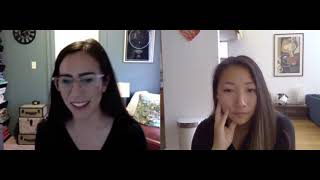
Working for and backing generational businesses | Amy Wu | Head of Ventures, FTX

Amy Wu Martin, Head of Ventures at FTX, discusses running a $2B fund deploying roughly $1B in year one. She came from Insight Partners and Lightspeed, started as a concert pianist, and looks for founders with drive and the ability to recruit. FTX's approach combines Slack and in-person decision-making, strategic M&A during downturns, and a pragmatic view on crypto adoption through incumbents.
So Amy Wu, thanks very much for coming on, for joining us and searching for Mana. Amy is obviously the head of Ventures M and a gaming FTX where she's recently joined over the last eight or nine months. Previously a partner with Lightspeed so really sort of top tier venture capital fund and across those two mandates she's back the likes of Yuga Labs, Aptos near we've obviously had Ilya and Mariek come on Lightspeed, you know the likes of Webull and interestingly FTX as well while she was a partner there and before that she operated she's with Discovery as an exec there. So CFO news, cred insight, a few other sort of names in there as well. So highly prestigious career in that. Amy, thanks so much for joining us and yeah, just wanted to check in obviously sort of in the Bahamas with FTX most of the time. Would be great to hear about how it's all kind of going.
Yeah, thanks so much for having me on the show guys. Yeah, moved to the Bahamas at the, at the beginning of this year actually I think like January 3rd from San Francisco and then previously I had been living in New York city for over 10 years actually with a brief like year and spent in Singapore. Yes, been a different, a change of lifestyle I would say. You know every day the weather is like 90 degrees and but you know we FTX like we honestly spend most of our time in the office here. It very much is like an in office culture and especially in these markets we are grinding so lots of time in the office.
Can imagine not too much time on the beach.
Not too much I would say. Although, although you know the Bahamas is a great place for our partners and friends to come visit us because, and spend some time on the beach. It's interesting like I'm actually in a phone booth right now in our office but you know we have these small, these small we call like Hacker House kind of vibey buildings that we call huts here in this large parking lot and there's like a few dozen of us crammed into a pretty small space. So you know I sit probably about 10ft away from Sam and, and Assad at FCX. So like we're all kind of up in each other's spaces but it's really great to just be able to reach over and ask questions with anyone. Yeah, we're kind of embracing that office culture here.
Yeah, absolutely. I mean it must be such an easy sell into all sorts of clients and partners to get them out there. I guess just in terms of sort of you know, obviously really interesting time within the crypto landscape at the moment, obviously in a little bit of the bear market. But sort of more crucially, how it's all going with ftx, one of the more animated, dynamic sort of businesses, I guess, within the space, very active. Like, how's your current position there? Like, how are you enjoying sort of working on this side of the table now with ftx, having been an investor previously?
Yeah, so I've, you know, I spent probably half my career as an investor and half as an operator and really at ftx I'm able to do both and it's a pretty rare opportunity. And so it's been amazing. We've been very busy on the investment side. So FTX ventures, we're a $2 billion fund and we've deployed, I mean, we're going to deploy close to a billion dollars in year one. And then, you know, on the FTX side, I also spent a lot of time in M and A and a number of our partnerships, particularly on the consumer Internet side. And so being able to really get my hands dirty and actually be working with building products alongside our partners and also just with our core business while also looking at investments in potential acquisitions both for FTX and for ventures. I think it allows me, and it allows a lot of us here to have a very holistic view of what's happening in crypto. There's so many different aspects of it. There's cefi kind of like the interplay with traditional finance firms and a narrative there around when will like really the, the trillions of dollars of, of assets, you know, and, and tradfi, like, you know, start coming more so into crypto. Then there's like, you know, what's going on? Defi. That's what's going on. Consumer Internet, which equals gaming NFTs. There's like, you know, the narrative around stable coins and, and then of course there's like the volatile markets. You know, we're in bear market right now, although there's a bit of a rally the last couple of months. You know, lots of speculation around how long that lasts, what happens after the merge. I would say, you know, never a dull moment really. And we think through, we think about a lot of these pretty much like across the board.
Amy, when you're thinking through that with the team, how are you doing that? Like what type of systems are you using to be logical across all of that macro and then come out of it making those type of big impact decisions?
I was gonna say slack, as in like you Know we, I mean the decision making here is very quick, right. And people hold a lot of knowledge in their, in their heads. And so like you know, a lot of people's areas of expertise are called on when we're making large decisions. And you know, people really are diving deep into certain areas. Certainly not everyone is an expert in all of them. In fact I would say most people are an expert in a couple. But like bringing out all that expertise together is what allows us to make decisions quickly and we're able to do that pretty effectively when we're in person. But also just on slack we basically have debates all day long on certain decisions.
And how big is the team that's making those decisions? Amy? I'm imagining it's a bit smaller than it was at lightspeed.
I mean actually it's larger. I mean so FTX is about 3, 300 people today and which is you know, I think pretty small compared to some of our peers. And everyone has access to these slack channels. And so you know, I think like a lot of probably like you know, people who are participating in the debates usually have expertise in a certain area that we're debating whether that is payments or KYC and sometimes even like you know, issues around environmental, you know, sort of decisions that we're making and yeah, across the board but I think like, because like the slack channels are quite open, you're able to accrue knowledge across the company.
This sounds like a dao.
The difference I would say yes, like yes and no. I would say like interestingly with a dao there's a little bit of like sometimes there's actually information asymmetry. Sometimes I think well run daos like actually do have a pretty publicly available data and also in terms of how the Dow treasury is, is essentially given out like you know, it's fairly public. Right. But I think in terms of decision making it's not, it's you know, decision making is not democratic. Decision making is done very quickly with like a handful of people with subject matter expertise ultimately in that area and will also take responsibility for the consequences of those decisions.
Very cool. And, and you obviously sort of touched upon, you know we're seeing sort of crypto rally a little bit over the last couple of months but the wider macro sort of trend of market just seeing a little bit in the midst of a bear market let's say. Are there any moments there where you're starting to sort of doubt, you know, you're obviously somebody came to crypto quite early. You're one of the first investors, I think to really immerse yourself in the discord community and really obviously are long term, very long on crypto. I just wanted to get a feel, just like a personal level. You see sort of the markets go up and down, you see sort of what's happening with the likes of Celsius and 3ac and various other sort of things kind of go wrong a little bit. Is there ever a moment where that sort of bullishness, you know, confidence in the space starts to dwindle?
I think on a long term perspective, no, you know, like definitely not on a long term basis. This bear market already feels very different from the last one in terms of really like not having like a decrease in like an interest in builders in the space, like building, playing around with the design space of Web3 and blockchain. That's very different. The last bear market, I mean one can argue that maybe we're not as far into it yet. I don't think that's the case where people actually just stop talking about crypto. Right. Like I think like, you know, despite the volatile markets, actually more people are talking about it now. And so you see this like next rung step function of maturity and you can start seeing like you know, perhaps the next rung or maybe the one after that being like more mainstream adoption and then at some point more tradfi like participation and then over time it becoming more of just a part of this kind of like mainstream technology adoption. It kind of like orders a magnitude of more maturity than we are right now. That just is becoming more clear for us now in terms of like short term and medium term like price volatility. I'll be honest, I thought, I thought things are going to be worse before like this like bounce back and so I mean you just like can't predict it, right? Because I mean like there's concentrated holdings like you know, sentiments impact. But also we have like the macro environment as well. We have a large amount of overlap in investors between like crypto and like for example the tech industry. And so what's going on there which is more impacted by you know, macro trends. So yeah, I think the short medium term is like harder to predict.
FTX has certainly emerged over the, you know, last few months as probably the, the prominent player to look at mergers and acquisitions. Why has that been the stance?
I believe it's because you know, we have been very prudent and disciplined with our capital. You know, as a, as a large exchange we are fairly profitable business and we also have kind of sister funds. Right. Pools of capital to invest in as well depending on whether the acquisition is really from a more of like a private equity style investment or a strategic one for ftx. And so we had the capital and then at a time when a lot of, a lot of similar players I would say were pulling back, I think Sam has always been more risk on and a more clear headed view on I think risk adjusted probability of sort of returns and also kind of like a, a thinking through like okay, what are like the, the impact for example in terms of stemming contagion and this is like a theme that was coming up a lot. Right. And that contagion is as much about confidence is about actual like bankruptcies and so on the ripple effect that has towards like a regulator stance on an industry. And so he just is able to I think see that with a more clear, clear mind and also because like you know he has capital that is more flexible than a funds with LPs. He's able to do investments that others can in these times. Right. And so I think for a lot of reasons, you know, he's able to lead investments and acquisitions in, in companies where others were not able to and the, and the industry is taking notice.
Yeah. In terms of the narrative you see like even just on Twitter and various sort of social media like sort of Sam, you know, almost single handedly sort of keeping crypto afloat over the last few months or whatever, you know, slightly some clickbaity titles but still like and then compare that with Coinbase and how they've seen the market and how they've sort of behaved. It certainly seems quite interesting approaches sort of being taken there and I, I just want to get your feeling like working with Sam, Amy, like you know, you're obviously formerly an investor sort of in ftx, worked on that side when you're at Lightspeed now working with him, sitting very, very close to him as you were sort of saying that I would love to get a feel for what that's like.
Yeah, I mean he holds a very high bar. I mean we, you know, all of us who work with him and for him, you know, kind of bring it every day from like an intellectual rigor perspective. He's very much into being first principles thinking like just because 100 people have done a certain way before doesn't mean we should like we should always think about it from a first principles perspective. He also makes a lot of decisions on, on like this like again like probabilistic, you know, spectrum. Right. Like what's the Probability that X, Y, Z might happen, that we lose our investment entirely, that you know, that we make our money back or that we maybe like 10 20x like this investment. What's like, what's one in which if things go right on this product decision, like we could potentially, you know, add $10 billion of enterprise value to our company. What's the probability of that? Like, I think these are. He's a trader, right? And there's a lot of the co founders and others of the company who are as well. And so that is essentially like a framework of thinking that really pervades our, the company. And I mean I've, I've learned a tremendous amount like working with him. You know, I decided to join FCX because I mean of all the founders that have ever had the, had the, you know, honestly like the honor of meeting in my venture career, I would say that he's honestly the most brilliant like decision maker that I have met like for, from like speed and also just like intuition kind of devoid of like emotional bias I would say. And, and that's been, that's been incredible to learn from.
So thanks for kind of setting the scene and you know, talking through the landscape, the, the very nice beach landscape that you never get to see right now. Amy, apart from afar, from huts where you're making calculated decisions. Could you take us back and really set the scene for us in the audience in terms of where you got some early experience, exposure and start to really think through who you might be in your career, please?
Oh wow. That's a really interesting question that I haven't thought about in some time. But I think probably my, my second job after college was at Inside Venture Partners, which is now one of the preeminent growth equity funds, you know, based in New York, was founded by Jeff Horing, who's still, you know, a great mentor of mine today and I think was the first person who I talked to actually after I had gotten an offer from FTX from Sam. And that was definitely the most formative experience I had because Insight has this culture of hiring people almost directly from college and essentially just throwing them out in the deep end and having them cold call and figure out how to cold call, you know, CEOs of very large companies. And I remember at the age of, I think like 24, Devin Parak, one of the most senior managing directors there, trusted me to be a board observer on JD.com who now is, I think like the third largest e commerce company in China and, or you know, one of the top and And I think there's just this, like, culture of trusting young people with a lot of responsibility, which then brought, like, young people to, I think, like, perform at their absolute best. And I think, like, not everyone, not everyone made it, but the people who really, like, thrived in that kind of challenging environment. It left an absolute lasting impression and also gave us a lot of life lessons that I carried on for the rest of my career. Like, this idea of, like, you know what, I might be 23 years old, but there's actually, like, people might say I'm too young to do a lot of things, but actually, like, that's just like a artificial barrier and there's really nothing that we can't try to accomplish. And basically, like, for you, my current CEO, Sam takes that to the nth degree. I mean, accomplishing what he has had, has done at the age of 30. And that that mentality has really been pervasive across, like, FTX as well. You know, basically people are not judged by the resume or their prior body of work, but actually the contributions that they are actively making at the company.
It's really inspiring. But that tends to come from a minority of individuals who've had some type of outlier experience to give them, you know, the tools to, to do something so impressive at 23, to take the responsibility on, to be so ambitious, to step up. There's a lot of people who wouldn't do that. So if I could ask you to go back even further to kind of explain what type of environment you might have been in or what inspirational scenarios or figures led to that.
Gosh, I mean, I've. Yeah, I've always been the toughest critic on myself. So, I mean, growing up I was actually a concert pianist and. And so I had a very unorthodox childhood, actually practicing piano, you know, 46 hours a day and being on the competition circuit and touring kind of around the world. And I remember at the age of, I think when I was like a freshman in college, sorry, a freshman in high school or something like that, I was. I had the chance of, you know, getting very close and grooming with actually one of the best pianists, like, of our generation, this woman named Yujia Wang. And I think at a fairly early age, understanding what like, genius looks like and, and also like, of what the bar could potentially be for a specific craft. And that was, I think, like, both, like, humbling in terms of, like, wow, I. It's really important to know what one can achieve and what can't and the. In the areas that like one is like actually potentially like at 1% of like to really lean in there. And if you know I'm at the 50 percentile, I'm really never going to be world class at a particular skill set, whether that is like negotiation or in my case like mental math. Constantly shipping up on that and, and really being kind of like very self aware about that but also inspire, inspiring oneself towards like the greatest like one can be. And so yeah, I think like I've always found a lot of this drive to be really internally driven for myself like holding that bar to be very high. Also like, you know, as a female, having always been in very male dominated professions, I've always felt like this like pride but also like responsibility and kind of showing others what can be done like, but also the hard work that it takes to get there. I mean I think I've probably worked 100 hours a week my entire professional career today and like we'll continue to. But it's something that I absolutely love and, and yeah, I think some form of formative early life experiences in a competitive setting, naturally being a competitive person and then finding culturally like from either a fund or a company perspective, like minded people to work with.
Just a couple of things. So when you, you know, with this concert pianist touring, you know, I'm sure that in most piano halls you were number one. And then, then you get, you get.
I'm good, Lloyd, I'm a good piano player.
I'm terrible. Which, which is by the way my, my mum's ambition when she was, you know, she found out she was going to have a son was that I'd be a famous pianist and she tried her best.
I think I got, I think I got grade one. I mean I got to grade one.
I love it.
Yeah.
You know, something you have for the rest of your life, it's quite, you know, relaxing.
I was a prodigy. Yeah.
I mean you get, you get to this scenario where there's then this, you know, person who goes on to be a generational great. What, what did you see? Did, did you see that there was no way to be at that level and then you walk away from that and go into a traditional career or did it inspire you or why does the story not carry on with you being, you know, a professional pianist?
I mean, truthfully, yes, one of my revelations was, wow, like I will literally never be a fraction of this talent and it is a wonder to behold but also extremely humbling and given kind of like how the distribution lies, like as a classical musician in terms of making a living probably doesn't make sense for me. And so pivoting like once I got to college around that. So maybe I was pragmatic even when I was like a lot younger, but I think it came along with an equal amount of, of just like, of appreciation for brilliance. And so, you know, I've always wanted to work with people I've just been absolutely inspired by and work for people I've been inspired by which, whether that is like Jeff Horrid and Devin at Insight or you know, Ravi Mastery at Lightspeed and you know, David Zaslav at Discovery, the, you know, Sam at ftx. I think I learned so much from these people and I become like better at my own, you know, sort of role by learning from them.
The, the skill that you've described in two of those, you know, now a mentor and a person you work with, but a leader sounds a lot about decision making and first principle considerations and probabilities and all these type of things. What are you working on at the moment so that you can be as brilliant at what you're doing as possible?
I think, you know, I spend most of my career at this point as an investor, you know, unit at Discovery. A traditional media company really thinks about it as like portfolio management, right? And deploying, really deploying capital into a portfolio of assets. So it's not dissimilar in that sense as well. And over the years you grow kind of like muscle memory around different signals, whether they might be macro environments that impact what you can can't do with capital entry and exit valuations to people, you know, like, is this the right group of people, the right organization, organizational setup of people in order to actually execute on what you potentially can execute in a certain market position. And then crypto, these cycles are so volatile and so much faster that you know, you're actually learning even faster. And so trying to bring all of that together in helping FTX make investment decisions for the most part has been what I've been really focused on. You know, because we have, we have a lot of capital but you know, it's, it's absolutely finite and making one investment or one acquisition might mean we can't make another. And so it's all about trade offs and, and also as we look out at where like, you know, who we want to be and who we don't want to be in crypto and beyond crypto because now, I mean on the financial app side we've also launched equities and you know, there's a lot a Long kind of tale of like products that we could launch and what we want to do. These are all decisions that we have to make carefully. I'm by no means the only person making that. You know, it really is a collective team making that, making those decisions. And ultimately it's Sam, the CEO, but you know, certainly take great responsibility in my role in these decisions.
Amazing. We're going to do a quick farm on around now you're on the Searching for Mana show. So we ultimately want to find out what yours is. So you can answer these questions yes or no as quickly as you like or elaborate as much as you want to. Is there a particular type of message or book that you recurrently go to for inspiration?
No, actually I try to read a lot of stuff fiction in the time that I have just to like exercise the other part of my brain sometimes.
What, what's a, what's a great fiction book that you've read recently?
Just read Simone de Beauvoir's Woman Destroyed actually. Very interesting tales.
We'll put that in the show Notes. What is something that keeps you up at night at the moment?
The right timing to aggressively deploy capital on this market.
Why? So.
Just in terms of opportunity cost on how else we might be might deploy it versus, you know, actually valuations being quite reasonable at the, at the time as well.
I know that absolutely everything you do is working incredibly hard the whole time, but outside of that, is there a particular, you know, just to like give give some examples. Is there a particular thing that you do that's built into your habits that you know, gives you energy or keeps you balanced? It could be kite surfing, it could be meditation in the morning, anything like that.
I.
Skiing is my favorite activity in the world. So definitely, obviously backcountry skiing.
If you were to be able to put a message onto whatever your favorite publication is, think of something like Forbes, Bloomberg, whatever it might be for you. You've got the front cover. Amy, what would the message be that you'd put on there?
Something probably like, you know, take agency, love it. Yeah, I think like I'll just give you an anecdote. One thing that I find myself talking about a lot, you know, with FTX is people are like, oh, what do you think is going to create the next like mainstream adoption of crypto, etc? I'm like, we're trying to create that. You know, we take great responsibility. You know, we think we have responsibility in creating that with our investments and also the, the products that we built. But you can apply that to so Many elements of life, you know, so true.
Absolutely love it. So finally searching mana show manages to clarify in gaming you've got your power and then mana is the magic. You know, it could be sword fighting, running really quickly, being able to jump high. Amy, what's your mana?
I'm a relationship builder.
Fantastic. Could you just expand on that a little?
Yeah. I've always been very extroverted person, you know, and love getting to know people, getting to know and really building real relationships. One of the things that I think about even when going into a partnership, large or small, is can I trust this person? Am I, am I feeling the right vibes? And then once we're a partner, like, you know, there's some partners that you have where you're like, this person is family. We're, we're, we're doing this work together beyond just the business relationship. And those are always the best. And I feel like I've always been very, very good at, but also naturally really enjoy building relationships. Yeah.
So important. All right, thank you. So we'll go now into the final part of the show where we talk about, you know, the horizon and perhaps your thesis ollie back over to you.
Yeah, I mean, I guess just to sort of segue on from that. You obviously talked about sort of relationship building and sort of, you know, being an extrovert person, you know, partnerships obviously being so crucial behind who you work with and, you know, who you back as well as an investor. Like when you're looking at a founder as someone, you know, you might potentially back and sort of work with over, you know, let's say 5, 10, 15 years as, as you are as a, as a VC? Like what are the softer elements that you're looking for? What are the non negotiables that I appreciate you touched upon. Trust is like as a key one. What else would you throw in there?
Yeah, I think a few things, you know, soft, soft things that we're constantly looking at. One is just drive. Like why is the entrepreneur doing what they're doing? The path to a company's success is always peaks and valleys. I don't think. I'm not sure there was a single like up into the right company only like ever in history. Maybe there were, but like there's certainly that's like the absolute minority. And so how does that entrepreneur react during bad times, like hard times. And by the way, the entrepreneurship definitely stress test the same scenario with their investor as well. Why? You know, let's say like in crypto, actually in crypto, a lot of Liquid exits happen early, early certainly in defi, right. During defi summer, a lot of these defi founders came into a lot of wealth like the wealth like fairly early, before you know, they've even built too much product, I would argue. And then you saw a lot of them actually stop bringing it every day and, and stop like innovating on products and really driving products. And so like an entrepreneur's drive has to be beyond just making money and it needs to be around like wanting to build something. I mean, I'm not saying like every everyone's is, but I think from what we're looking for, like we want to back generational businesses and that means like taking huge risks, like getting zeros. But like then you're capturing the founders that really build something absolutely special. So I think that's one of them. And then, and then it's like around are they really great at convincing other people to believe in their vision, which is an absolute vital skill set. Whether it is recruiting the top talent when you're about to give them like 20% of the offer Facebook is going to give them or less. Right. Or raising capital, particularly in down markets, convincing partners to work with you and large Fortune 500 companies or whatever to be a beta customer, you know, of your product untested. All of that involves skill set, sales skills. And so like that kind of like magnetism that like at least one of the founders and ideally the CEO has is really important. Then I would say lastly it is this like factor around do I want to work with this person over a several year period of time, you know, and, and that's like there's trust in it. There's also like a personality fitness and all the above. Like, I mean some investors decide to be much more passive and like, you know, my style has always been like more hands on. And so it's like, you know, there's definitely teams that I meet where I'm like, I think this company will actually do well, but life is too short to work with a team that you don't entirely vibe with. And so, and that'll be like kind of like the last criteria just to.
Like rift back from what you were saying earlier about, you know, know, feeling the responsibility to be as brilliant as possible, representing, you know, females in this type of position. How are you seeing that in the crypto space from an investment perspective? Because what makes me think about this is you're saying a lot of it is, you know, is the person backable because they've shown absolute appetite beyond just earning the money. And like, you know, you can trust that they're generationally trying to build this product. There's this vibe that you get from the. You want to watch work with them. So therefore, like, if the predominant amount of venture capitalists are male and they're also looking people from a particular background where most people who've operated are also male, I'm. I'm assuming that you're seeing a lot less candidates who. You come back who are, you know, from a diverse background, but female. And then how are you looking at adjusting this?
Yeah, it is a fact that there are very, really few female entrepreneurs and founders and, like, even more so in crypto. You know, when I find them, I'm thrilled, quite frankly. You know, and I would say that, like, when you find the female entrepreneurs, it's not like they're any. They're any less, you know, ambitious or think differently than a male entrepreneur at all. And so I would say, like, there's. There's nothing I can, unfortunately, we can do about the numbers. I really try to pay it forward and spend more time like, sort of mentoring entrepreneurs who are female just because I think they sometimes, like, like could use that kind of extra push. Like, no, you, like, you actually have all of the ingredients here, like your peers do, and go out and ask for higher valuation or like, go out and just like, do this race now and, you know, with. With the opportunities that I. That I can, like, definitely like to do that and make the time for it, I would say. And yeah, where I find it kind of like in terms of the female entrepreneur pitching me, it is truly thrilling to find that because it's pretty rare. There's just like much a fraction of them, and we're cutting and cutting this down, like kind of the female slice. I mean, if you look at kind of like underrepresented minority entrepreneurs, you see a similar trend as well.
Yeah, absolutely. And I mean, there's. There's a lot of initiatives and funds that are trying to rep that, which is great to see. But it's. It's interesting to think about it from a perspective of, you know, how finite is the funnel versus actually how much is the decision making being affected by bias. And so I was curious in that, I mean, your bias would not be actually potentially even equal because you might see the female entrepreneur in crypto and gravitate to that just slightly more. And of course, I'm sure there's a way that you try and make sure that you're making a neutral decision on how strong the Opportunity is. But what I suspect is overall there's a bias going toward what looks like the typical type of successful investment. And it's just how to get around that when the venture capital space is not sat equally.
Yeah, it's really true. I think it starts with actually like funds are making a mandate to have more female. Female investors. Yeah, like if you look at all the major generalist funds, they are all trying very hard to like diversify because essentially people have a tendency to understand, you know, people who look and have a similar life experience as them. Right. And so like that female investor will be able to like, you know, seek out more female entrepreneurs potentially with subconscious kind of like unconscious bias even and ultimately examples of great success. I mean, when you look out and you see Elizabeth Stark and the success that she's had with the Lightning Network, I mean it's inspirational for like a lot of people. And I mean her gender has nothing to do with it. Kind of like the, the force that she is in the industry. And so when we look at for example the hedge, crypto. Crypto hedge fund space, the fact that like Caroline Ellison, for example, is co CEO of Alameda Research, she's actually one of the most like, you know, influential hedge fund, crypto, hedge fund managers in the space. And so, you know, like, I'm constantly talking about how amazing she is and it really takes kind of like more of these stories, I think to encourage others to pursue a similar, like more maybe like risk on path. And that's why I think like I love to be as local as possible. Like hopefully as I, you know, find success or I am able to find, you know, things that like launch things that we're doing well investing, coming to do well, that other investors might be inspired to follow my path down crypto as well who look more like me. So yeah, I think there's a lot of different ways to support that balance, but we're probably in reality very far from it.
Super interesting to hear, Amy. I just wanted to get some insight from you just with regard to now the, the series of value adds that you think a VC provides beyond sort of allocator of capital and whether that sort of pivoted now from web three investing to you know, maybe what it looked like four or five years ago across sort of web two. Obviously, you know, when you're competing for, you know, I guess in demand businesses to go sort of lead those rounds as a vc, like what wanted to get a feel for, you know, what are those value adds that you perceive to be sort of most crucial. And you highlighted again that you're so very hands on with those founders. But what sort of separates, you know, the best from the good, I guess in what is a super crowded venture capital landscape.
It's very competitive and there's a lot of great investors out there and so everyone sort of differentiates differently. And I would say when we say we are strategic, I mean we, we mean it in a pretty deep way. So we have a lot of, I would say, you know, sister resources at our disposal. Right. Like in relationships. So firstly the fact that like all of us on FTX Ventures are quite crypto native actually I think the only person on FTX Ventures who is not an engineer and technical, right. And it's going to be somebody who's like you know, helping companies with bd but everyone else on ventures actually is helping can build protocols, you know, themselves, you know, are pretty adept at like understanding kind of smart contract infrastructure and, and actually plays a very active role in advising like product roadmap build out in our portfolio we have the resources of ftx right. You know, like FTX Ventures is a sister fund and a separate fund. But you know, we have at our disposal we can make warm introductions into the FTX listings team, for example who is making their own entirely independent decision on listings. But still, you know, we're able to like make the introductions. We're also able to make introductions to across, you know, FTX is in 160 jurisdictions. We know investors, we are very deeply embedded in the ecosystems of all of those countries and so able to really make connections to a company across the board there. Then we're also able to make connections with fellow market makers. Then we're very close partners with for example Jump Crypto then also Alameda Research and being able to talk to them and see whether there's interest in being a liquidity provider for a certain application adapt or building on top of a blockchain ecosystem and doing that together are things that we're able to really do. We also have our own blockchain team, blockchain engineering team. So at times we will also build on top of for example a blockchain ecosystem as well. And so it is very holistic in terms of the value add that we like to bring. And so yeah really that we kind of try to live by that with all of our investments.
Super interesting. And then, and then just to dive into some of those investments I guess, you know, you're obviously across gaming across sort of various different other things across defi and sort of Web three as a whole, like firstly what specifics are you most excited by? And then also I did also want to sort of get a feel on. You've obviously backed a number of different L1 players, quite a few sort of infrastructure and sort of cross chain sort of players in there as well to bridge between different platforms there. And obviously from that behavior it looks like you perceive a landscape where there'll be multiple winners across different maybe sort of subverticles for those L1s. Wanted to get a wider fit on that vision as well.
Yeah, it's a lot of surface area I'll say. One area that I've been spending a lot of time on is the NFT space. We essentially like co led the last round of Yuga Labs with Andreessen and then also supported the community really informing the the dao, Apecoin dao and then you know I serve on currently on the board of the dao and so we've been really like very deeply like working with the team across a number of initiatives and, and, and like kind of like at the same time I've been also spending a lot of times with the other sort of blue chip and also emerging NFT projects as well because I think it's one of the most interesting areas of development right now as these kind of early NFT brands, all of whom are no more than probably a year old for the most part. Right. And some less than that, are deciding who they want to be. Are they, do they want to, do they aspire to be an entertainment company or a gaming company or you know, a technology company as some has decided? It seems like each one of them does really have like a pretty unique identity of product that they want to build, what they want to outsource, what do they want to build in house? At the end of the day like I believe these are valuable IP companies. And so now like in terms of the product that they decided to keep in house versus you know, bring third party like each one kind of has their own path to doing so. We'll see how that goes. I think a lot of them aspire when they think about like aspirational companies like Disney gets brought up a lot, you know, lvmh. I think like Yuga has kind of aspired to be some sort of blend of both, you know and I think it'll be, I do believe that potentially a couple of like multi billion dollar consumer brands could be built from the NFT space and it'll be really interesting to see who they are and also the path they take to go down.
And you also mentioned being like a board member of a DAO there. How does that sort of phenomenon and sort of the rise of dao, it's like how does that affect the psychology, I guess of being an investor and a board member there?
Yeah, it's been a great learning opportunity. On the one hand, I am not sure I've actually seen a more passionate community than is the board, a yacht club community. I mean when it was first announced that I was like joining the special committee or the board, I think something like like 2000 board, a yacht club members immediately follow me on Twitter. And the thing is they do that with each other. It's not just with me, it's actually with each other. You know, they're so closely connected. And then I went to a fest every single day at FT NYC because it was so fun and yet so many different activities every day. And just like meeting community members and just hearing kind of like, and experiencing their passion. That is the essence of the community and that is we're trying to harness that, you know, with the dao. And now I think the day to day is challenging, right? Because in terms of operating what is I think the most visible DAO currently in the, in the world or one of the most visible, you are balancing fairness and decentralization and truly like decentralized decision making with getting stuff done essentially. Right. So unlike other boards that I'm on where you know, we are quickly iterating and influencing and helping a CEO make decisions, we have a very administrative role actually on the AECOIN DAO board. I think that is a difference in role that a lot of community members don't understand. And so sometimes they get frustrated by the pace of like things getting done. And the reality is if we were to actually take a more aggressive stance, it wouldn't be following the philosophy of a dao. And also I think honestly even from a compliance perspective there'd be issues as well in terms of like, you know, this dao running which launched a token, which is an autonomous organization. Right. And so we're constantly managing all of those, I would say like pressure points. And on top of all of that, because we're trying to bring a very democratic decision making process. Inevitably there is process involved with for example, submitting a proposal and the amount of time people have to like review the proposal, comment, iterate, cycle through that. And as a result, you know, I'll be first to say that I think the process around submitting grant proposals is pretty onerous and Daunting for, for a lot of people. And so it's led to some frustration. I do think that we are getting a lot higher volumes now as people realize like, you know, how they can get a grant from the dao. But you know, these are all challenges that we're working through. But I would love to leave, you know, I have a six month term there. Right. And I may or may not be voted for another term. And I would really like to leave a legacy of smoothing out the process more, trying to really hear the community and actually adding some value to the community. And those are all things that all of us on that DAO board think about.
No, it's so interesting sort of hear about that sort of slight pivot almost, I guess let's think about a Web2 company for a VC board member into that, you know, ultimately you've got a CEO sort of accountable and responsible for, for that company and sort of reporting into the board versus that obviously is sort of almost administrative role that you've kind of got without. It's like so interesting. What do you perceive to be the time frame, I guess for mass sort of web3adoption? Like, you know, we're obviously seeing more and more users come onto these different L1s, onto these different platforms.
Yeah, I mean it's a question that everyone asks and I think the time frame could be a couple of years. And I increasingly believe that it will be driven by incumbent players. So if I look out at for example some of the largest consumer Internet companies, whether they're social networks or they're large gaming companies, there is no one who is not either actively experimenting or actively building in the Web3 space. And these are companies with really reach into the billions of people. And so like as, as they expose their customer and user base in tokens and NFTs etc, then inevitably like orders of magnitude more people will suddenly be be engaging in these for the first time. And it basically kind of begets the question of like what's the L1 that's going to dominate? Like what's the wallet that's going to dominate before all of these products cater to a predominantly crypto native community. But in a world where that massively changes, like who actually owns that, does web3 sadly become more centralized again? Because actually the incumbents decided to build everything in house and so it's yet again a walled garden of, you know, pseudo web3 products. I don't know, I think like it remains to be seen, but I do think that we're going to see the Incumbents coming in with some aggressive announcements. And we've actually announced our partnership with Reddit, which has over 400 million active users, which is a staggering number of users. They rolled out essentially they put community points on chain as an ERC20 token and rolled that out to two subreddits, the Fortnite one and cryptocurrencies, two very active subreddits. And I mean, you know, we just launched with them with FTX pay and we're seeing kind of like over the next like few months what the reception looks like. The intent is actually to give more tools and capabilities to the community so their communities will eventually be able to launch their own token on top of this platform, for example, and then kind of build utility, use it as they like. And so we think it's quite a decentralized approach. And so I think like other large companies will take other directions with their Web3 launches and we'll see kind of what works.
Amy, without asking you broadly about the whole thesis on that particular point, you just laid out what sounds like it could be the path to a mass adoption, which unfortunately would have more of a centralized feel to it. Within your thesis, are you taking agency to try and invest in the plays where it will be truly decentralized?
So I guess I am not a decentralization maxi. I believe in certain parts of it. For example, it is an incredible thing that data is democratized right with blockchain. So in a world where you don't for example actually know whether Twitter has deleted certain tweets or banned certain tweets or like if Meta has, you know, banned certain individuals from posting, if these transactions one day are actually like on chain anyone can actually see that. And that transparency of data I think I do very much believe in however like around decentralized decision making around and some other, you know, kind of like types of like when people say decentralization I think I'm a lot more. I think it's like remains an early experiment and remains to be seen whether those are better models than we have today.
Like when you're talking through the difference of making decisions through the board of a dao and it sounds like that right now is such a time consuming process and an administrative one where if a few people have made decisions and if there was weighting of decisions it could be a slicker operation. So it sounds like the good work that you and others are doing will possibly create that scenario, but you might have scenarios where daos become very useful for certain types of things. I suspect and like definitely not very useful for other things. So what we're looking at with the ledger is hopefully that's useful for everything because there is then open data. We can see, you know, decisions that have been made, but still for there to be in certain industries or elements of them, you know what would have been very similar to a Web2 company in your view?
Yeah, I think that the a hybrid approach probably is the best. Like so for example, some of the best things that came out of the eight coin dao is when we constantly are reading through all the comments that that community members are leaving and it's fascinating. They have phenomenal ideas, you know, they have really great insights and really great you know, questions for proposals, criticism I would say. And how do you harness that while still be able to do things like hire a team to actually essentially be able to do things like marketing and branding and outreach and some of these functions that don't involve actually critical business decisions that may, may well be put up to dao vote, but actually can just make decisions like, you know, more fastly made. Like how do you have you balance that? I think like all those are interesting questions also like from a putting full data on chain I would say that like no blockchain today in the world could actually for example run Twitter transactions as an example. Right. And it's interesting to see what hypothetically in the next number of years like how the infrastructure might develop so that one of them could. And that's why I think like you know, to your earlier point on like what's going on the L1 side, I think a lot of investors believe generally that we're in a multi chain world. There are architecture decisions that blockchains make in which they make some advantageous, maybe in one area, one type of transaction, but disadvantageous with another. And so we do believe like while there are general purpose blockchains that some amount of specialization will occur. And so we believe in a multi chain world and it will be interesting to see like for example who unlocks and how they unlock the next hundred x throughput increase and transaction speed and then at what cost of like decentralization or security while also just kind of kind of still maintaining for example like open data access. All of those will be really interesting to see over the next few years I think. And I think that's why like in the terms of the L1 wars, like you know, certainly early emerging winners around Ethereum and then you know, Salana as well, but it's an incredibly competitive space in L1 right? Now and so I think the next couple of years will be pretty telling.
So we're, we're, you know, looking at things and trying to make decisions based on I suppose what we suspect, but also maybe slightly what we hope things might look like in several years. Now if you go and read FTX Ventures, I don't know, thesis, mandate, then certainly, you know, you guys are trying to look at what are going to be generational businesses and therefore consider what the landscape might be in seven to 10 years. Could you, with what you hope, describe that might look like?
Yeah, I think like the kind of the, the hope for a lot of us that it's going to be a paradigm shift like mobile has been. Right. Some several years ago there were investors that specialized in mobile investments and that seems pretty silly now since everything touches mobile at some point, whether you're a B2B enterprise company or a B2C, you know, consumer Internet company. And potentially that will be the same with crypto. I think this is not a new thesis. I think believers have long believed this, that crypto rails could first and foremost power a large amount of traditional finance maybe. I mean there's extremely strong vested interest for that not to be the case even though it's probably the best use case of the technology around payment Rails for for example, and what that could do with like for example lowering costs for remittances and money transfers and, and all else. But obviously it threatens like some pretty large incumbents and tradfi and so that might be the last domino to fall even though it's like the biggest impact. And in the meantime the concept, I mean first you have like, you know, cryptocurrencies, the speculative asset class and then you have potentially the, the form factor as like a means of like marketing and customer retention. You know, I think will be, will be embraced and is increasingly embraced by the largest brands in the world and kind of like customer acquisition retention tools because it's fun and different form factor and it's conducive to tying it to perks and rewards. And I think like depending on how regulatory policies are laid out, how you define a security or defining security in a way a token is secured in a way that allows teams to actually become compliant will also unlock a lot more utility, whether that is rev share or royalties or a number of, you know, kind of like mechanisms that really just aren't allowed today I think. So, you know, essentially like the blockchain sort of infusing like different parts of categories in you know, our economy today. And that would really be, that would really be terrific.
So in finance, if that can happen, I think that that makes an awful lot of sense. But when you think about an investment in know what has been some of the early NFT phenomenas which haven't been around for long and in essence they're saying we might be Disney. That's the play here. How is that possibly the play for a financial technology you, you know, like, if it's okay, let's say we were disrupting auction houses, then utility of the ledger makes some perfect sense. But if we're disrupting Disney, why, why would that be on the blockchain in 10 years?
I'm not sure that it's actually disrupting Disney at all. It's actually just another Disney. Right. It's actually just the creation of what is the, in the next two decades, the next generation of 100 billion dollar companies or like, you know, 10 to $100 billion companies. And what percentage of those might be Web3 native? I think that's the question, not necessarily that it's going to replace Disney because ultimately both Companies are valuable IPs, one, you know, significantly more mature than the other.
What percentage is it, Amy? Like ridiculous question you ask, like the percentage of those companies that, that could be, you know, in that 50 to $100 billion range in 10 years. What do you think is.
I don't know. I would say like, say, you know, in the next like decade or two, like north of 10%. I mean. Yeah, like incumbent companies say incumbent. Like you know, some of the, if you look at who holds those ranks, those companies have been around for like decades. Right. And so new entrants actually are pretty hard to come by. And that's why it's like, you know, I'm pretty bullish that like a number of them will be, will be Web3.
Michael from Chainalysis said that in the next five to 10 years there'll be a big shift and then in 20 years, absolutely everything, 100% will be Web3. So you say you're not, you're not bullish. 10% from Amy.
I guess 10% specifically, it depends on the framing. Web3 native companies becoming like a 10 to 100, you know, generational business. Right. But if I think about in 10 to 20 years, like what percentage of those companies will be building products or have products on the blockchain, it could be, I would say, I would say like probably the majority.
Perfect.
All right.
Well Amy, your times hyper precious. So thank you so much for talking so openly through those really interesting topics.
Thank you so much, guys.
We both only just got started there, so we'll set up another call where we can really go into what that piano career would have been. Amy, thank you so much.
Thank you so much, guys. Really appreciate your time.