Breaking Into Wealth Management | Romy Cuadras, Pictet Wealth Management
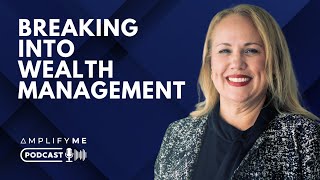
Romy Cuadras, Head of Alternatives at Pictet Wealth Management, started in finance through a short-term contract at Coutts USA without a traditional background. She navigated five major crises by using a "three-circle" framework to manage pressure, moved from operations to trading, and now bridges investment manufacturers and distributors. Her advice: be bold, stay curious, build visible networks, and avoid a victim mindset.
Chapters
Hello and welcome back to The Market Maker podcast, where I'm joined by a special guest, Romy Quadras, who's the Head of Alternatives and Fund Solutions at Pictet Wealth Management. And with over 20 years in the wealth management industry, Romy has led global teams, advised ultra-high net worth clients across Europe, Latin America, Asia, and the Middle East, all while staying grounded in her belief that empathy, resilience, and adaptability are key to long-term success. So thrilled to have you with us. Romy, how are you?
I'm good. Thank you. I'm quite excited to share my life story here.
No, no, absolutely. And you know, when we spoke, I think a few weeks ago, I left that initial conversation feeling super inspired. So, I know that this is going to be packed full of really cool advice. So, first of all, why don't we start with where a lot of our audience is, which is in their formative years. They could be at school, university, or in their early careers, but just want to get a sense of you sort of growing up, what did you imagine that you'd be doing professionally? Like, what were your thoughts at that kind of student age?
Yes. So I'll take a little bit before student age. I need to take a step back. Mm-hmm. And I think it's important to talk about my heritage. So I'm first-generation American of Cuban heritage, and like many immigrant families, and I'll come back to that in a second, you know, parents have the traditional expectations. You gotta become a lawyer, you gotta become a doctor, you gotta become an accountant. And it's also important to take into consideration that Cubans in Miami, especially those arriving before mid-'80s, you know, they feel exiled. So this is why you use the word immigrant in parentheses. And what does that mean? You know, they always believed, you know, I was always taught by my grandparents and my parents that we're gonna return to Cuba one day, right? We're gonna, you know, Cuba's gonna be democratic one day. So you need to have, you need to study and acquire skills across the borders that are transferable. So when we go back, you know, you can also be successful there as well as in the US. Obviously, we never went back, and I don't think we're going back ever anytime soon. And then you fast forward to high school, and I think this is where you really start thinking, you know, in the US and the American mentality, you start thinking about college, right? Where are you gonna study? You know, again, having that lawyer, doctor, accountant mentality, exile mindset. And I liked the social studies, I liked history, I took international relations, I was in student council, I did the mock United Nations, ironically representing Cuba. At 6, 7, 8 years old, I had encyclopedias. I'm that old. We had encyclopedias, and I remember going through them them and saying I was gonna be the Secretary of the United Nations. No idea what that meant at that point, you know? So I always liked things that connected cultures, ideas, people. You know, I thought I was gonna work for the US Department of State, you know, in the embassies or United Nations. I took the test and everything. And then because life has a way of, we say in Spanish, we say, "When life throws you lemons, you learn to make lemonade." So I got thrown lemons. The last 2 years of high school, I worked at a gym, specifically Living Well Lady, and then a nutrition and fitness center, and I really like sports science at this point. So I was now thinking of sports medicine. So you can kind of see, you know, like the typical late, early, we're trying to figure out what we're gonna do with our lives. We have a lot of influence coming from, you know, society and our parents and our day-to-day. So yeah, so if you notice, I've never said the word banking, I've never said the word finance, I've never ever thought I would imagine myself being in the, you know, where I am today. But I think, you know, My career path was shaped by the values and obviously being, you know, my heritage, you know, hard work, integrity, resilience, discipline, commitment, transferable skills, you know, connected to people, ideas, and cultures. So that was always in the mix, just never banking or finance. Yeah.
And so even up to the point where you go to study at university, right? So you were studying international relations and Latin American studies. So I'm assuming the business part had, or finance hadn't even come up to, you must have been in your 18, 19, 20 years old at that point.
Yeah, so yeah, my path to finance was definitely unconventional, but I think it was shaped by 3 things which are really important, and we'll talk about this throughout the podcast, I hope. So one is my personal network. You'd be surprised who's going to open doors for you or where opportunities are going to come from. Having that early practical experience, and I'll come to that in a second, and the academic grounding. I think there is, you know, even though my mom always tells me, "I don't understand, did you waste your university time?" I'm like, "Oh, quite the contrary. I do use my university degree in what I do on a day-to-day basis." So as I mentioned before, I worked at this nutrition and fitness center and I met one of my best friends actually. And in particular, one gentleman, you know, he even walked my mother down the aisle at my wedding. I mean, really close person. He was working at Coutts USA, so it's a private bank, Anthony Cheung and Fitness Center closed, and he invited me to work on a short-term contract back in 1994. I graduated high school in 1993, so we could put the ages now. And if you, you probably don't remember, but for those of you who were around back then, bank statements were done manually. So they were printed, you had to split them, you had to find the checks, you had to do all this stuff that goes. So I came to work for, you know, 4 or 5 days to help with the bank statements so we can get them out to the clients. And I stayed. I stayed for 4 more years. So I worked at Cootes from 1994 to 1998, and I, you know, I pretty much did everything in the operations department. I did securities reconciliations, I did bill paying, I did the account openings and reviewing documents in both English and Spanish, by the way. I worked in the Fed Room. This was fun. We still sent wire transfers manually, so I still have ABA numbers in my head if you can routing numbers in my head. This is before SWIFTs. We're still doing telexes, so really learning the banking industry. So I was there for 4 years and really learning how a bank works, right? And then, I don't know if it was my third or my fourth year, so it was near the end because it was around 1998 and I graduated in 1999, I went to EFG Bank. And again, my friend who brought me to Coutts also left to EFG. But at this time, I had already made connections with a lot of senior management within Coutts. And if you know the story of EFG, a lot of the ex-Cootes people left to EFG, and we created a bank in Miami in this particular— so I left with them. And that was huge because, again, it shows, you know, and I was lucky to also have people who really valued the educational part. So, they really gave me time and flexibility to be able to also finish my studies, because now I'm working full-time and going to school full-time as well. So, yeah, so I went to work at EFG. They had established a presence in Miami, and they were very closely connected to Switzerland. And here I worked, I moved from operations into more trading and portfolio construction, so more on the investment side. I remember doing my FINRA licenses, my regulated license, before even having a university degree, right? So options, derivatives, supervisory, you know, these type of things. And what was clear here also in EFG is, through a Brazilian client actually, I was introduced to the hedge fund sector, which will completely change my life and my career. And shape my career going forward. And this part was fun because I finished my university degree in '99, and if you know hedge funds, there's a lot of derivatives and statistics, you know, the Greek alphabet is represented completely throughout, you know, alpha, beta, et cetera. So I went to night classes in the community college to take classes in statistics and derivatives, and it was quite fun because first night class in Miami in a community college has a really fun crowd. So you, again, you meet different people, different networks. Now I'm not doing it for fun, I'm doing it for my work, work, so the motivation is different. I already have my degree, right? Your motivations are different. Now I really need, I want to be able to sound like I know what I'm talking about when I enter the room, right? And that really helps. So demanding, going back to juggling, demanding a full-time job with my studies really honed my skills in time management, prioritization, sacrifice, which also are things, you know, in addition to discipline, hard work, commitment that really hone, but also the people I meet during this time. So I'm quite young, I'm quite, moldable. That's a word in English. And I thankfully, I use the word luck, but to me, luck is preparation meets opportunities. I think that's a lot about luck. Lucky to have amazing people around me who also helped me and pushed me and recognized, you know, my efforts to able to grow my career into finance, into degrees. And yeah, so Latin American history and international relations. Also remember, I'm working in private banking that's focused on Latin American markets. So that helps me also to discuss with the clients to understand their backgrounds, their cultures, the history of what's going on. Remember, this is the '90s, so most of Latin America's emerging from military dictatorships or different, or social, you know, different types of, you know, their money, the wealth has been created and then they wanna protect that wealth. How do we protect that wealth? So, believe it or not, a lot of my academic, at the moment I didn't understand it, but a lot of that academic background did help me in my international finance part. And then, of course, the training Turning point came in 2004 when I moved from EFG Miami to EFG Geneva, and that really set, you know, focusing 100% in hedge funds, running the fund of hedge funds from 2004 to 2007. And that really set a trajectory for the next parts of my career as well.
So do you think then that that transition going from operations to then doing derivatives and the kind of more that part of finance, which can become quite complex. And then the next part, when you're moving geographic locations, so all these different sort of challenges, is there parts there? Because a lot of people would be quite reluctant or fearful to put themselves through that type of challenge to start with. So what, just break down for me, like that mentality, was it because of what you described from your childhood and that was kind of the way things got done? Or when you look about retrospectively and tried to think about practical advice to share with other young people when they're going through this kind of change and uncertainty and challenge, how do you think you could kind of set them up mentally to overcome those types of situations?
You know, it's actually, I've thought a lot about this and obviously, you know, I knew this podcast was coming. So there's, you know, you start thinking about your career, you know, how things change, where you end up. And, you know, I think there's several things. I think obviously Growing up with this exile mindset, immigrant mindset, I think there is a huge influence. I think if I add into that, you know, being raised by a single mother in the US and the values of hard work, discipline, commitment. And actually, whenever I had to make a decision and I didn't know, you know, I'm scared, I don't know what to do, my mom would say in Spanish, "Tírate, pero nunca de cabeza." So throw yourself, dive, Jump, but never headfirst, always feet first. So you really think about it. Tírate, that's always been the tírate, just go for it, right? You know, the world doesn't end. What the only guarantee, you know, if you die, you cannot change, but everything else is fixable. You know, everything else can be changed. And I think, you know, many times I had, when I moved to Geneva, one of my mom's friends, when I was very scared to leave, you know, we're Cubans, community small, we, you know, we live next to our mother, you know, everyone in our world is Cuban. You know, it's kind of, it's a very safe environment, right? And I'm thinking about, I remember my mom's friend saying to me, "Go, you can always come back. You're not exiled like we are," you know? And it was something that, it was sad. It's quite a sad statement, but at the same time, it gives you that inspiration that yes, you can be bold, you can be courageous, you can take the risks, but there's always a safety net, right? If you do it calculated, if you think about it, if you think, if you know you can work hard, that you know you have those values of hard work, discipline, commitment, I think it's important. And when you talk, I think the first thing I would say to people, stay bold and be courageous. It's so important because you don't regret, you know, when you're, I hate to say, when you're in your deathbed, you're not gonna regret the things you did. You're gonna regret all the things you didn't do, right? And I think this is always, you know, mistakes are great and, you know, that's how you learn, right? So again, it takes time. I'm not gonna pretend these are easy time. You know, I'm in that part of my life as well where I've passed all of this. But I think it's about having the right people people around you, having the support network. So if you fail, and I use the word fail, I don't think failure, failure is death. That's failure. You can't come back from that. You can come back from everything else. My mom always had it in the kitchen, the sign that says, I did Spanish, I have to translate it to English, the secret to those who succeed is the is the ability to start over again. And I think, and it's in Spanish, but reading that, it was almost like a propaganda, you know, this part. You're reading it every day while you're eating your breakfast. You know, it starts becoming propaganda and it stays in your brain. And I think that's the key thing is don't, you know, yes, be afraid, but manage that fear. Take the risk, be courageous, and make sure you have a support network. So if things don't go the way you think they're gonna go, there's always, you know, we can always come back out of this, right? You can always start over. And it's okay.
The world doesn't— No, I think there's such a strong message, particularly here and now, because for young people going into the industry, I think AI has changed it a lot where it's gone super competitive because applications have gone up tenfold. And so a lot of them are feeling like really deflated, very anxious. And, you know, just that idea about trying to keep going, persevering, being resilient. So all of the things that you said, super important.
And I think another one which is important is stay curious. You know, AI is a great one. I mean, hello, I come from, you know, I'm born before Google. I was born before AOL. I was born before iPhones and iPad. I mean, remember these things, right? So, I mean, if you think about my generation, what we've had to learn from a technology perspective, it's, I mean, it's, you have to stay curious. So now I'm doing a lot of AI courses. I'm asking, my graduates and interns to teach me how to prompt properly, you know, crypto, we started on cryptocurrency and Bitcoin and all this, you know. So I think stay curious and going back to why, you know, going back to hedge funds, you know, and doing all this and how that background, you know, being able to change, being able to move, being able to apply those things, but at the same time, taking a step back and saying, oops, I don't know enough, I need to learn more. I need to stay, and I think, you know, the world for young people, I think it's even gonna be more astronomical than for me in terms of the learning curves, right? So stay curious, you know, be adaptable, be flexible, 'cause there's one thing that's guaranteed in life besides death is volatility and is change.
Yeah, yeah.
That is gonna be your life, except that you're gonna, you know, it's gonna be volatile and there will be change. So learn how to interact with that volatility and how to interact with that change.
That's such a great comment, actually. And it's something I hear when I do this podcast. I meet, you know, really experienced people like yourself. I heard this just the other week from someone else. The only constant is change, is what they said. And you've got to have that mentality. Okay, well, let's talk a little bit more about— so at the top of the show, I said your job title, which is Head of Alternatives and Fund Solutions, which might make sense to some people. But probably doesn't make a great deal of clarity for many others. So perhaps you could break that down for someone who's not familiar with the day-to-day and what does it mean, what do you do, would be great.
Yeah, so my role sits at a crucial intersection, for lack of a better word, between what we call the manufacturers of investment products, so the hedge funds, the private equity funds, real estate, mutual funds, ETFs, so the manufacturers, and the distributors on the other hand, which includes the bankers, the investment specialists. So the people who bring these products to their clients. So, I'm really in that intersection. So, if you draw two circles, I'm in the middle, right? And essentially what I'm doing is acting as an enabler, an organizer, helping to build a comprehensive product shelf that's one, aligning our clients' unique investment requirements and goals, and obviously staying within the regulatory requirements, right? So, strategic thinking to identify and select the right mix of products, Working with the due diligence analysts to ensure the quality and suitability of the investment options, working with legal and compliance to make sure we can navigate, you know, this evolving regulatory landscape, working with the bankers to understand, and especially in private banking, you know, one size doesn't fit all. Clients have different outcomes. You know, some of them want to preserve their wealth, some of them want to preserve their wealth plus have a, you know, an income or a tick up, or some of them really want to increase their capital, right, their growth. So trying to figure out what fits within these 3 buckets, for lack of a better word. So it's what I really enjoy about my job is that you have to mix, you have a careful balance between the technical expertise, so understanding the intricacies of internal investments, fund structures, legal, et cetera, but also having strong communication and leadership skills, right? So being able to translate complex financial concepts into clear advice, fostering collaboration across internal teams, to a certain extent, breaking through and breaking down silos, speaking to client-facing professionals like the bankers and investment specialists, and obviously keeping an eye on the markets and shifting client needs as well. So, you know, in practice, you know, establish the marketing activity of the products, you know, launch product, and I use the word campaigns, but we don't really do campaigns in Big Tape, When we launch a new solution, a new idea, you know, we do roadshows, deep dives, webinars, identify the demand from the front, you know, what are the client needs, are they shifting? Some regions are different, going back to the global part, you know, an Asian client may be completely different than a German client, than a French client. I'm inventing here, but you can find some different, some differences, understanding the regulatory constraints that we have and that we can't do everything the same way everywhere we go. Then, of course, providing support to the bankers, so education, client meetings, portfolio reviews, after-sales support, right? So, we talked about a red carpet I did recently, and this was actually a client in a specific region who's coming into a liquidity event. So, they're going to start investing, their money's now become liquid, so they're really looking at how do they invest their portfolios. These are entrepreneurs, understanding their mindset, their approach to risk, where they're sitting, so we can't do everything there. What's the goal? You know, how old are they? Is there a next generation? Working with the banker to understand all these client needs to then create holistically some portfolio using alternatives and funds. And obviously, I work with my equity colleagues and my fixed income colleagues as well. So, this is where I go in terms of what— working across internal teams, but also sometimes silos, right? Hopefully that explains it.
Yeah, no, it starts to make complete sense now as you were explaining kind of learning when you were studying actually. So, international relations, wanted to work the UN and having ability to be really curious about culture. And it sounds like there you're like, you've got to be such a chameleon to be able to adapt, be empathetic and know the cultural nuances of different people. It sounds like It's really interesting because that's a lot of people going to school and think, let's say you learn all the technicals, but everything you're sort of alluding to, a big chunk of that role, the success of it comes from those interpersonal softer skills. I wonder then what's your advice of how people can learn those sorts of skills?
Yeah, that's, think about this one. You know, I think it's practice, practice, practice. And a bit of observation as well. So what do I mean by that? So if you think about, for example, the people you're around, you surround, you know, it's a true belief, you become who you surround yourself with, right? You play to your market, right? To your to whatever game, you know, you're playing up, hopefully. So I think one of the key things is really looking at, is one, creating the environment to be able to see that in action, right? So internships, you know, graduate programs, these type of things. Not, yeah, sometimes you're gonna be doing, you know, some ugly, boring work where you're just typing away, right? But also be, be curious, to look around, see how people are doing, ask to be invited to meetings, ask to see how, you know, people react in certain things. Obviously, tuning into these type of podcasts, I think, are important as well, right? Even I watched some of your previous podcasts and learned some things as well, right? I think it's about, you know, look around, and I think back in my career, who taught me these skills, right? I think some of it always is inbred. I mean, I think we're born, there's a big part of our DNA, But nature versus nurture, right? So, I think that there's the nature part, but the nurture is really important when you're in an environment that allows you to learn this emotional intelligence, to learn, you know, these skill sets of being courageous, being bold, looking, reading the room, right? Learning to adapt depending on the situation you're in. The jokes I cracked, at the red carpet, I would never crack at another client. And this is because I realized they actually, you know, they were open to some of my, these jokes. They were open to going a bit off script where, so you have to learn how to read that room and you follow the lead. So in this case, I saw the banker. So if I see he's cracking a joke, I see, you know, I can see, you know, where I can step in, where I, you know, and again, so, but knowing where the line is, right? Where that fine line is, you know, never cross that line, but knowing where that fine line is as well. And I think this is practice, right? It's practice, practice, practice. You can watch, you know, all the TV shows, and even from TV, you can see how people, you know, in some TV shows, how do people react in certain environment. You could see it in, in podcasts, like I said. So there's a lot of, especially today, there's a lot of non-in-person ways to learn that I didn't have when I was growing up, right? But a big part of learning these skills, I mean, I was lucky to be surrounded by amazing private bankers. So watching them in meetings, how they handled their clients, how they handled conflict, how they handled, you know, influence. These things were really important. Again, I was lucky that I had bankers who would teach me these things, that I had the opportunity to observe this, right? So try to put yourself in that situation where you can observe, where you can learn. And if you don't have it in the office, at least make sure you're watching the podcast, you're watching those TV shows, you know, these type of things. I think this is really important. And again, it goes back to Being curious, right? Learning, always learning to be adaptable, flexible, et cetera.
Yeah, I think it's really interesting you said the word observation, and I absolutely agree because if you think about, let's say a sports analogy, like a professional elite athlete will watch tape of themselves or their competition. They will understand what are the strengths, what are the weaknesses, what could I extract to put into my game, into my toolbox? But yet in all other places outside of sports, it's not that systematic, particularly on the interpersonal side. And people tend to look at it as this kind of fairly abstract, undefined thing. Whereas with technicals, it's always like there's a right and a wrong answer. But actually, I think you can do the same with soft skills to a certain extent. And this isn't to make it sound really manipulative or strange. It's just how do you actually, if someone's really great at speaking, what are the components and what are the levers they're using to get to that point where they can build empathy or excitement or read the room sort of thing. So yeah, it was really interesting, the observation side. But one of the other things I was going to ask you about, just given your career history, was handling pressure. I guess there's pressure in a straight P&L ownership sense, but there's also pressure in being in a leadership position, managing people, decisions generally. What's, you know, the client that you described putting their trust in you or their liquidity event, they're coming to you for advice and I'm sure they're gonna wanna see results as well. So, how do you handle pressure now and then kind of thinking about it to encourage young people to build some of the frameworks to be better at that?
Yeah, so pressure is, I mean, personally I thrive in pressure. I have a joke that if you ever have an emergency, call me. There's one thing I know how to do is this. And I laugh when I say this, but I think there's a lot behind this and it has to do a lot with experience, right? I started, I remember, 1994, so I think we had the, what was 1994? It was the Mexican peso crisis, research me right. '98, we had the Russian crisis, we had the dot-com bubble. What else did we have? We had great financial crisis, obviously in Deutsche Bank in 2016, we had, it was termed the DOJ leak of 2016, which I think was one of the worst. And what I noticed with each time, and we've had, you know, other problems now, obviously, COVID, et cetera, I handle them, I take them less, how do I say this? Otherwise, I don't take them less serious. They're still taken seriously, but we have the tools in place. And this is exactly what you're alluding to. Obviously, you know, learning is that. So I think having a clear and disciplined approach, being grounded in practical, practicalities, but also emotional resilience, right? And I think that's how you handle pressure. And I think I'm a huge, huge fan of Stephen Covey and "The 7 Habits of Highly Effective People." And specifically, Stephen Covey's, I think this changed my life when I read, you know, this theory of the 3 circles, the circle of concern, the circle of influence, and the circle of control. You know, circle of concern are things that are out of our control. We just, you know, the markets are crashing. What can we control, right? Unless we're an actual trader or, you know, the Fed, you know, chairman, we can't really, and even then, how much can they control, right? Let's be blunt. Then you have the circle of influence, right? It's outside of our control, but we can influence somehow, right? And then the circle of control, our actions, our decisions, our preparation, how do we, you know, how do we react to these things? And even today, it's part of our team meetings and our day-to-day interactions. So you can hear me on the floor when someone's complaining to me or saying something, I'm like, "Which circle are you in?" to quickly put them in the mindset, you know, are you in the circle of concern, are you in the circle of influence, or the circle of control? Where are we sitting, right? Because then you're still allowed to complain, but complain from that circle, knowing that if you're in the circle of concern, there's nothing we can do. We need to get it off our chest and try to figure out if can we control the situation or can we control the influence? And sometimes the only thing we control is ourselves, is our action, reaction to certain things. So I really talk about the practical part because there's that part, but this emotional resilience of understanding where you sit in these circles, for lack of a better word. And, you know, and I think it's really easy to become overwhelmed by concerns outside of our control, market volatility, global economic shifts, you know, it's very easy to fall into a victim mindset, like, why me? Why is this happening to us? The world is going crazy. And again, I go back to these three circles. When you put them in these circles, it helps to give you a more, you get out of your emotional side more into your rational mind, right? So you get out of the part of your brain that's fight or flight to then create, then to then really focus on your energy and what lies in our controls, right? You know, actions, decisions, preparation. Where can we exert influence? And it helps create clarity and focus. I think that's really the key thing. So I really say learn the 3 circles and your life will change. And you can use it in your personal life as well. It's not just a professional life. I think the other part is obviously preparation. I go back to preparation and trust, but trusting in the data and trusting in your own intuition because, you know, the famous book "Blink," right? Those 10,000 hours, you start becoming, it's internalized, it's in your gut, right? It's that blink. So trust your intuition. And that's in personal life as well, right? And then the other thing is to set clear boundaries. And I will talk about boundaries a lot, but to maintain that mental and emotional balance, right? Differentiate, systematically differentiate where to focus your attention. You know, the same way we practice physical fitness, going back to your sports analogy, we really focus on our physical fitness, going to the gym. What about our mental fitness? How often are we practicing the mental fitness? And I think this is really important, and it's something that I didn't have when I was was coming out, and I made lots of mistakes and, you know, burnouts and potential burnouts. So now I really, really, really focus on that mental fitness, 3 circles. What's my focus? Where do I spend my energy? And I think the last thing is, you know, having to be open to diverse viewpoints. And really in this day and age where we're not allowed, society is not allowing us to listen to diverse viewpoints or give diverse viewpoints, it's even more important, you know, Read the book of that person you hate. Understand where they're coming from. And I remember reading one book, I won't say which one, I even threw it across the hallway. You know, I was much, much younger, so I really didn't understand this. But I finished it, and then, you know, then I realized, okay, this is not, you know, I really don't understand, but I understand better where they're coming from. So again, going back to that circle of influence, and the only thing I can control there is my reaction. You know, throwing a book was not the smartest thing, what doing my reaction to that particular subject matter, right? So really practicing on your, on focus, practicing your focus on what's in your control, your influence, try to maintain, helps you maintain that composure and decisiveness. Having that balance between emotional and mental sides of your body, really practicing mental fitness and trying to transform these challenges into manageable opportunities. Right, for growth. So, but it takes time, right? And sometimes you're panicking, you're like, oh my God, oh my God, oh my God. So even just saying, what circle am I in? Just giving yourself that gives you, grounds you. Okay, what circle am I in? We're allowed to be in the circle of concern. I mean, but always being in the circle of concern doesn't lead us to action, right? So really trying to give yourself those tools. And this is what I use for me, but to find those tools as you're growing, you, other people may come across other ways, right? But these were the ones. And again, Stephen Covey, Steve my, you know, changed my life when I came across this book, right? With these three circles.
Yeah. And as you were kind of explaining everything so far, kind of putting together all of those skills you're mentioning, and then also your journey and giving, and it is somewhat unconventional to the normal kind of, I went to Stanford, did an internship, then went to here and there. I just wondered then, given this, the people skills that you have, the importance of stakeholder navigation, because I think a lot of students, particularly in early careers who are listening to this, no one really talks about that. It's always like the pursuit of getting, it's like, I gotta, there's the door and it's the journey to the door and smash the door down if I can get my foot in. But then beyond the door, that's where actually your career then begins. But not a lot of that is actually spoken about. And I feel like a lot of people are left to learn on the job, which can then mean that it's quite a long protracted thing that probably someone like you, having gone through what you've gone through, have experienced that could probably accelerate some of those learnings. So what does that mean in practice? How does someone in their early career learn the nuances of the workplace and how to manage different types of stakeholders, your colleague, your boss, your client, all at the same time?
As you were speaking, I was thinking of the movie The Matrix. And that famous line, I forgot the colors, you know, you could take the red pill or the blue. I forgot the colors the pills were, and that changes your life, you know? And I'm laughing. I don't know why that's the thought that came to my head was managing the matrix. And I think it's really like, to a certain level, it's almost like that, but it's not about taking a pill or, you know, it's actually a little bit more nuanced than that. And it's understanding the balancing, the diverse and sometimes competing interests. So the first thing is to accept and identify, one, you have to do stakeholder navigation. Two, that there are diverse and competing interests, and sometimes you're going to— and across clients, colleagues, senior leadership, each stakeholder has a unique priority. They have their own concerns, their own communication styles, and learning to manage these dynamics is really where you could start building your career because then, if you do it thoughtfully, you build trust and you achieve shared goals, right? So I think active listening, we go back to observation, active listening. Truly hearing and understanding what others' needs and value. Sometimes you have to understand the need behind the need or the fear, right? What is the hidden fear, the hidden desires? So sometimes I come up with a changemaker idea, and I'm, you know, and people start panicking because not only am I changing, I'm coming with a new idea that's already, but I'm probably gonna change the day-to-day work environment of that person. And the real fear is, I'm gonna lose my job because I can't do that job. "Right? So, don't never say that, right? I wanna stay in my comfort level." You know, again, I'm using this as an exaggeration here, but you have to think, you know, there's a need, there's something they're saying, but then you really have to understand the hidden fears and the desires that are behind, you know, is your boss trying to get promoted to equity partner? Well, guess what? If that's the need, then help them become an equity partner. Is your boss trying to pick up his son, and I use the word his son, at 6, you know, every day, help him get out that door to pick up. And these are very small things, but, you know, if you multiply them, right, they become bigger things. So understanding the diverse and sometimes competing interests, managing these dynamics, understanding the needs and the value through active listening, building genuine relationships across different functions and levels, you know, so not staying in your own little world. Try to speak to people in tax, try to speak to people in legal, try to speak to people in compliance, try to speak to people in media relations. And I use this as my example because that's not my world, right? Be open, be approachable, be prepared, be visible. Visible is important. Let them know you want, which I know becomes more of a challenge with work from home. And I'm a huge fan of work from home, so I'm not saying we should to take away work from home, but I think visibility is also important, but also be visible communicating your goals, your progress, what challenges. So you, and so when you see, you can bring something to the table to help that person with their challenge or their capability, right? And I think a big part of this, which is something no one teaches us, we always think about managing up, right? Managing with our supervisors, but what about managing down with our junior colleagues, right? Managing sideways with our peers and cross-functional teams. You know, you can't imagine the power for me in the graduate and junior networks, or even the executive assistants, you know, when I work with them and I talk with them, the amount of information I get on the organization from the graduates and the junior network, sometimes things that I don't even know is going on, right? Or an executive assistant getting that meeting that's almost impossible to get just because you're nice to, you know, you're having a conversation, you're navigating this, right? I mean, I remember when I was up for my managing director interviews in Deutsche Bank and I was 6 months pregnant, had to go to London for an interview with CEO, right? That's in a wealth management CEO. And I'm like, I don't wanna take a 6 o'clock in the morning flight. So I called the PA, I explained my situation, you know, woman power, maybe, I don't know what it was, but they put the interview for 2 o'clock so I could take a late flight. You know, it It was, again, it's part of this, right? And that stakeholder navigation is not just about getting your promotion and getting, you know, something, but it's also about helping. But it's really important not to do it Machiavellian, right? I think it's, you can't be Machiavellian in the way you're doing, 'cause you'll see it from a mile, I can see from a mile away when someone's coming to me, and you could see there, and it's all, I see it, you know? Be genuine, be authentic, be non-gossipy, right? It's not about gossiping in the water cooler. Oh my God, did you see? you know, it's also about understanding what's happening, how the place works, right? Again, seek opportunities to work on cross-departmental projects. Request feedback on your interpersonal observation. Observe how experienced colleagues do things, how they're navigating, you know, managing the matrix, as we say. But build— this helps build credibility and accelerate your career growth. So, and you're absolutely correct, it's not something they teach us early on in our careers. It's something I learned much later in life, especially when you're starting to get promotions and you know you have the hard work, but you're not getting those promotions, has a lot to do with your visibility, has a lot to do with your stakeholders. They're the ones that are gonna help you get those promotions. Your hard work is the foundation, but then you gotta go to the next steps, right?
And how is that challenge when, I think when we spoke before, you spoke quite powerfully about being different, both from an ethnicity and a gender perspective. So given what we've just saying about being visible and these sorts of things, is that challenge, I'm not gonna say harder, but different given some of those things? And what advice do you think you could give to young people trying to, who might come from minority or something of that nature?
You know, it's great obviously being Latina, but more importantly, a woman in a man's world, as they say. And I never thought about it before. Before, until now, you know, until it's become more popular in the press and, you know, we have, and there is, you know, there is a minority, I'm not gonna acknowledge, but I think being different, whether it's your ethnicity, your gender, your background, you know, it could feel challenging in a lot of environments, right? But it's also a strength. And I think accepting that it is a strength and looking at it, changing your perspective and looking through the lens of a strength, I think changes the way you approach that, right? And I go, I use the word victim mindset, right? We're not victims. We're not the minority. I hate that word. Guess what? We're different, yes, and it's fantastic. So actually here I have on my office, "Be bold or italic, never regular." And it's a joke, you know, because it reminds me also, right? Be bold or italic, but don't be regular. It's boring. But more importantly is, you know, be proud of your identity, whatever that identity is. Embrace your difference. You bring unique perspectives and you add value, right? And this is important, especially in our environment and the world we're living in. But be authentic. I think authenticity is also critical, right? You can adapt to the cultural norms of a room. You can read the room to build rapport, but don't dilute or lose or dilute yourself. And, you know, another saying that I always have is from Shakespeare's Hamlet play is, "To thine own self be true." And we'll leave aside Polonius's characters, the guy who said it, who was a bit critical of medicine. But the "to thine own self be true" is a motto that I've always had, right? I think we have to be true to ourselves. And if we're true to ourselves, then we're our authentic selves in front of other people. And if you have that, you change the perspective that being a minority or whatever is a strength, not a weakness, that changes the way you go through. I go back to stakeholder management, build a strong network of mentors and sponsors. These are the people who understand your values, who advocate for you, who provide guidance, who help you navigate some of these complex landscapes, right? When I went from Deutsche Bank to PICTED, it's very different cultural environments, corporate cultural environments. So speak— I had a lot of mentors that helped me to adapt, so I know how I need to adapt, but still be me, right? I'm still the person who's gonna crack a joke or go off script because that's who I am, right? And don't hesitate to seek out those champions, those mentors, those people who can also help you open doors, who, like I said, who helped me to navigate these landscapes. I'm in this environment, how should I— How should I speak? How should I whatever? I think also recognizing your own trait makes you noticeable. Recognizing your unique traits make you noticeable in a crowd where many appear very similar. So again, using that uniqueness as a strength, not as a, you know, when I walk into a room full of men, the blonde female is gonna be remembered. Now let's make sure that I'm remembered for the right reasons, right? This is what's key in our technical expertise, et cetera, right? But this helps. That visibility can be a powerful asset. Leverage it with confidence and courage, right? You can break conventions, you can pave your path, but remember that breaking that, you know, when you're in there, they're gonna notice who you are, especially if it's something very visible, right? I think, you know, we talk a lot about diversity, but we need diversity in the workplace. We need the diversity of minds, diversity of thoughts, the diversity, so, decisions can be made. And I mean, we talk about AI. One of the things, I was actually having a conversation in London this week about AI. Is it diverse enough? Are we all gonna have herd mentality because we're all prompting for the same thing? It's a very, you know, there's behind the scenes, I won't go into the whole details, but is this gonna, is this, I think it's gonna be even more important to be diverse, to bring diversity to the table, especially as we use AI because everyone's using AI, everyone's getting the same outcome. And we're all kind of looking like the same poster. So we need, I think now it's even more important to set yourself, you know, how do you set yourself aside? How do you stand out of the crowd? You know, and I think in this environment, you know, those who dare to bring new ideas, who challenge the norms, they become the leaders of the future, right? They're the ones who are gonna shape the future. And I think embracing your difference finding support, adapting wisely without compromising authenticity, and having the courage to be a changemaker, these are the things that will help you thrive in these environments, right? But again, you've heard me say this. If you put AI through this podcast, you're gonna hear a lot of words: courage, authenticity, find support, stakeholder management, right? These things are really important, and this is what I have found in my experience.
That's such an interesting thing that you said about AI. And diversity, because I was reading another piece just this morning about empathy. And actually, as we start to lean more and more on these tools for productivity gains and so forth, but actually then the super skills become these skills that it's kind of like the world's gone through this massive technological shift. And obviously human behavior is to go almost too far in one direction to then kind of snap back. And yeah, I can see how not just diversity, but empathy, a lot of these skills you've talked about, that are critical for human successful interactions and relationships are kind of off-tools. Yeah.
And not things we're taught in school. So we have to find ways to get taught these things, right? To find these skill sets. And I think, you know, maybe the schooling will change, but for now it's not. So it's podcasts like yours and, you know, TED Talks. I'm a huge fan of TED Talks. They're short, quick. I can watch them on the bus on the way to work. This is how we learn these skills, right? And I think this is key, is making sure the awareness that you need to have these skills, and secondly, how do you find these skills, right?
So, my final two questions, and these are much more targeted towards the student community. And so, from your perspective, given that you probably interact, as you said, downward, so lots of grads, interns, and so forth. So, if you were to distill them down to some core characteristics of what is a standout performer in their early career, what would you say that those characteristics are?
Yes, so, and actually I do some of the interviews also for the graduate program in Pictet, so I really, everyone has the same CV, I'm not gonna lie.
Oh, it's gonna be spoilers coming.
But I don't mean this in a bad way. I mean, these are super educated people. Amazing. I mean, I can't even compete. If I had to compete with the young people today, I'd end up working at the supermarket. I mean, let's be blunt here. The foundations, the expertise, the educational foundation that young people have today is amazing. So how do you stand out, right? Because I go back to, you know, our AI thing, right? How do you stand out if I have 100 applications? Or if you're in the office now and there's 50 graduate students, a graduate program, how do you stand out, right? And I think I go back again to the same thing, curiosity, adaptability. You know, a continuous learning mindset, which means you ask questions. You're not embarrassed to ask questions. So I have a graduate now, I think he starts every sentence with, "Sorry to bother you, but I have a question." And, you know, I'm like, "Stop with the sorry to bother me. You're allowed to bother me. The only dumb question is the question not answered." You're not always gonna have people, you're not always gonna work for people who like that. Let's be, you know, let's be also clear about this. So again, stakeholder navigation. You need to find those people you can ask those questions to. So a continuous learning mindset. Mindset, being able to absorb new information, understanding evolving market trends, embrace change with agility, right? So that curiosity and adaptability. If I think especially with technological advancements and like we were discussing earlier in the podcast, right, embracing change with agility is very key. If you think of technical, you know, the technical part remains important, but You know, their ability to, like I said, learn rapidly, apply knowledge in these complex situations, to have those critical reasonings, A plus B. You know, a lot of times they're like, "What does algebra teach you?" I'm like, "It teaches you to think." You know, we're not gonna be solving algebraic equations in the bank, I guarantee you that. Plus we have lots of tools that do all the calculations for us. But the thinking, the critical reasoning skills are important, right? You go from here to here, why? How did that— how did A plus B plus C equal D? You know, sometimes 2 plus 2 does equal 5. How does that happen, right? So also effective communications. And again, the grad, my student, my intern who comes to me says, you know, "Sorry to bother you." I love that, right? But then when he asked me the question, he clearly articulates the ideas. He challenges, he's listening actively. So the other day my boss came to my desk and in French was giving me some instructions. So when my boss left, the grad, the intern says, "I overheard." is, you know, and then nicely, because my French is third language, "Are you okay with the French? Did you miss anything?" Which I thought was so empathetic, you know, because I was like, actually, that's really nice because in case I missed something, he was overhearing, so he was actively listening. He was engaging with clients and colleagues by engaging with me. So, again, now I have trust in him, right? I know I can collaborate with him. I know if I'm traveling, I can send him an email, right? He can take care of things that I potentially wouldn't have given him. By the way, he just started a week ago. So let's be clear here, right? So that idea to listen actively, to articulate ideas, you know, continuous learning mindset, observe new information. And then going back to the interpersonal skills, so the IQ or the EQ, excuse me, you know, navigating, resolving conflicts. How do you keep yourself motivated when you don't understand what you're doing? How it Doesn't fit into the bigger operations. And then resilience, right? Being able to not take things personal, separate your ego. You know, we talk about feedback, you know, when you get receiving, your ego's the first thing to receive the feedback. Separate that, right? How do I know this is a perception? How do I know this is reality? It's not my ego. It's not purposely, they're not trying to hurt me, right? Understand that. And I had a boss who combined it in 3 very distinct ways, and actually, it sounds I saw him last week and I brought it up and he was laughing 'cause he had forgotten that he had taught me this. And it's, you know, you need that IQ, you need the EQ, and you need the BQ. And I'll get to that. So the IQ is that technical foundation, right? That goes without saying. The EQ is that emotional intelligence, right? So curiosity, adaptability, emotional intelligence, resilience, communication, collaboration, right? That's all the EQ stuff. And then the BQ, and forgive my language, but it's bloody quick, right? So be bloody quick. And what does that mean? It's being able to learn and perform rapidly, possess agility, being able to— it's not to be fast and give bad work, but be adaptable, right? That BQ. So IQ, EQ, BQ is really the way, and I always, my 3 circles, I have my 3, EQ, IQ, BQ, you know? And it's something that I find quite funny, but you'll remember it. It's a mnemonic you remember. Because again, the day— the world takes over, you know, the day-to-day takes over, and you know, if you don't take time to take a step back and think about what circle I'm in, is this IQ, EQ, BQ, you don't have these little catchphrases to put you into the moment, into the now. You keep— you're just on the roller coaster, right? You're on the hamster wheel, and you just keep going. So also take that moment to take a step back, strategize, think, you know, have an offsite with yourself, right? I think that's really something, again, I didn't learn when I was younger. I learned it much much later in life, but I think there are things that I'm trying to teach my interns and my graduates going forward.
I'm just envisaging now the PowerPoint slide I'm going to have in my next lecture now. I'm going to have the circles going, there's going to be the acronyms flying around. It's going to be cool. So maybe just the last one then, and this is perhaps a little bit more philosophical. So just to challenge you looking retrospectively through your career, because I think a lot of the people, again, in our community, there's a lot of pressure about, right, decisions I make now, how's that going to influence my future? How do I weight certain things, whether it's financial or emotional and so forth? So I just wondered what's your perspective on advice for building a meaningful, fulfilling career? Sort of throughout?
Yeah, so I think there's, I usually get the question, one piece of advice, and I'm like, it's impossible. First, I'm a storyteller, so there's no way I could stick to one, at least three. But life is a combination of things, right, that fulfill us. And I'll start off with, you know, again, stay bold and curious. You know, this is to me is one of those things. You know, it's career, your career is not about moving up a ladder, right? It's a linear ladder. It's like a tube map, right? You know, you know you want to get to this place, so you might have to take this tube, go down, go this way, then go around. You might have to change stations somewhere along the line. You may do a layover for a little bit of time. You may go backwards to go forward. So I think it's important to understand that it's not this corporate ladder that, you know, it's very up the ch-ch-ch-ch-chick. So, you know, there is a linear way and accept that it is linear. And it's about continuous movement and progress, right? And sometimes the, you know, the non-traditional path and the unexpected path is the fun path, right? It gets you to another place, but you still get to a place where you're supposed to be there. So I think embracing the journey with an open mind, so you, allows you to adapt, learn, and evolve, right? Don't strive for perfection, focus on the progress, right? Use setbacks as feedback, as learning opportunities. Going back to your thing, you know, watch the video, watch your own video, your own athletic video. Okay, oh, I missed that tackle. I'm an American football player. I missed that tackle. Oh, that guy was open. I should have thrown. I didn't see, you know, the different— what— make your own videos of yourself, right? Your mental videos. And make sure you use these learning setbacks as learning opportunities. Building a strong network. This is essential. You never know who's going to open that door for you. In my case, it was a friend of mine from the gym. And throughout my career, there's has been, I mean, the weirdest things you can possibly imagine. Things just fall out and you're like, how did that happen? You never know who's gonna, and that network that's gonna be when I change banks, my network helped me not only to change banks, but to adapt to this new network. When you're working on a project and you're trying to figure out how do other banks do it, that network helps you. How do you do this in your bank? How do you do, you know, it helps you with your projects as well, right? So that relationship is important. But also, having a support network is also part of your network, right? Professional and personal, right? My son plays football, and I can tell you the amount of information I get on the Saturday morning football pitch is astronomical. And you're starting to create this network now out of the football pitch that I never knew I had, right? And it's really fun at the same time, which leads me to my next one. Have fun. Have fun. Find joy in the work and in the process, right? It's not just the achievements, it's the journey that, you know, my husband laughs, I enjoy planning my vacation more than I actually enjoy the vacation itself, right? So it's that journey that's fun, right? So have fun during the journey. Two that I really, really think are important, which I didn't learn till later in my life, and I think is really important, especially to young people starting out as well, One is build your financial independence. This is a critical foundation. You know, save early, manage your finances freely, 'cause this, finances wisely, excuse me, not freely, wisely. This frees you from being financially constrained and gives you the freedom to make career decisions based on growth and passion rather than necessity. And I really, really can't strive, can't say this, I mean, I found myself in situations where I'm like, oh, I wanna leave, but I can't, You can't. And I think the financial independence is such a critical thing, especially as you start out. You know, you still, hopefully, you're not making great money, but you're not spending a lot of money. You don't have the mortgages, you don't have the private schools, you don't have any of this yet, yet. So make sure that financial independence is there so you're not hostage to situations because you don't have the financial independence. And the second, the last one, The last one I'll bring is cultivate multiple identities. And what do I mean by this? Don't let your sense of self be solely tied to your job title or your function, because there will be times if you lose your job, things aren't going well, and if your self-assess is really tied up into that side of your, your whole life will be impacted, right? So embrace that broader identities, maintain a balance of those identities, various identities. Obviously, work is a big part of our lives, right? But if you have other things going on, going on, it helps. So when the work part of your life is not going as you think it should be going, or you're not having fun there anymore, at least you're having fun here, right? So make sure you have a diversified portfolio of identities and fun, right? And we use a lot the whole word life, work-life balance. And you know what? No, it's not work-life balance. It's life balance, and work is part of your life. So erase that word from your vocabulary. Do not use I need work-life balance. No, I need life balance, and work is a very big part of that pie chart, but it's part of, it is part of that life balance. It's not work-life balance, right? You don't separate, have those identities, you know. So stay curious, be adaptable, build strong relationships, protect your financial freedom, embrace your full identity, and enjoy the ride. You know, that's, I think, the key things I would say.
Wow. Well, what a finish. That was amazing. No, I mean, look, I, it's so like coming to the end of this conversation, like just your enthusiasm and your energy. And I think a lot of people have a perception about people who work generally in finance. And hopefully anyone who listens or watches this and sees you and hears about you and your story and just sees like the, just like your energy and the feeling that you get when hearing you speak, it's amazing. And so I hope it makes it more inclusive. Attractive for people to think, right, actually this could be a potential sector that I could have my future in. I think two points I think really stuck out to me were really like when you said about just flip that difference that your natural instinct is that it's a negative. I am an ethnic minority, like for me, you know, I am working class. I come from this certain background. Like I must admit I did have a chip on my shoulder very early in my career and I would say that was a big driving, yeah, motivational force. But I think as I've got older and the advice I'd give is exactly like you did, it's like turn that on its head and don't look at it as a threat to see it as opportunity. I really love that how you said that. And then the other one, financial independence, like very few people talk about that. I wish I'd met you when I was 21 and got my first bonus, but yeah. I wish I bought a London property many years ago, but that was sadly, it wasn't the case. But yeah, I think that's such an important thing. What, like what you said, to have the freedom to choose and have options rather than through necessity. I think that's what we're all striving for in life in generally. So that was amazing. Romy, thank you so much for giving up your time to join me and yeah, thank you very much and see you again soon.
Definitely. Thank you very much. I really, really enjoyed it.
More from Anthony


Inside the Biggest Banking Stories You Need to Know This Week (Anthropic, Diageo, Private Credit)


Inside the Biggest M&A Deals You Need to Know This Week (UniCredit, GameStop, eBay, Eli Lilly)







AI Breakthrough or Hype? Anthropic’s Claude Mythos, Tim Cook Steps Down & LIV Golf Collapse