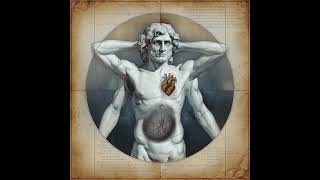
In this episode of the "Recovery Dialogues and Sober Stories" series, host Antonio Matta opens with a repeated mantra that "Recovery is possible," setting a hopeful tone. He then presents an audio adaptation of his teenage poem "Anatomy of Sadness," a vivid, body‑centric description of his experience with severe depression at age 13. Matta reflects on how each line of the poem served as a literal diagnosis, illustrating how mental anguish can manifest as physical imagery. He uses this personal history to highlight the urgency of mental‑health awareness, especially for adolescents who may be silently suffering. Matta stresses that compassion must go beyond listening—encouraging listeners to connect those in pain with peers or professionals. He links the poem to his broader literary work, noting that it is one of over two dozen poems in his novel Love Is in the Eye of the Beholder, which chronicles a woman's journey through clinical depression and therapy. Throughout, he promotes the book as a resource, urges viewers to seek help, and repeatedly affirms that recovery is attainable.
Chapters
Recovery is possible. Recovery is possible. Recovery is possible.
Recovery is possible.
Recovery is possible.
Recovery Dialogues and Sober Stories.
Welcome to Recovery Dialogues and Sober Stories. I'm Antonio Mata, and in honor of Mental Health Awareness Month, I'm sharing something deeply personal, an audio adaptation of my poem, Anatomy of Sadness, written when I was just 13. It's a visceral piece voiced with reflection and paired with commentary about how we make sense of suffering through art, especially in our formative years. If you're more of a visual thinker, A dynamic digital version of this story, with animated text, music, and visuals, is now live on my YouTube channel at r.antoniomada.
Anatomy of sadness, feet of gloom, heart of contempt, stomach ailing, consuming, intestines disposing, ears curved but not bent, hearing words of one cent, chest Broad with pain. You can call me built because my tears fall like rain. Teeth yellow with fear, grinding joy. Genitalia of a hermaphrodite. Warm, moist womb of misery. Penis a knife. Soul torn to shreds like that of a goat's bite. Nose aware of the stench of foulness filling the air. Arms and legs long. No power, no strength. Keeps me weak, unable to carry on. My hair's not nappy but woolly like Jesus. Who just like me was at times unhappy, waited for a resurrection 3 days too long. But my angels sing a melancholy song, my mind full of thoughts getting heavier. My eyes change color like the leaves in fall and glow like a cat's when night falls.
I wrote this poem at 13, when darkness was my only companion. Each line wasn't a metaphor; it was a diagnosis from a child who could only translate mental anguish through the body's language. Feet of gloom, heart of contempt, chest broad with pain. Depression colonized every organ, every limb. Looking back at that isolated boy, I'm struck by how he crafted art from despair, without knowing if dawn would ever break. No one knew. I suffered in silence. No one treated. I navigated those shadows alone, with only words to make sense of senseless pain. This video honors Mental Health Awareness Month because there are 13-year-olds right now drafting their own anatomies of sadness, believing solitude is their sentence. Mental wellness deserves the same attention as physical health. They're interconnected systems, with a fracture in one affecting the other. Sometimes, compassion is simply about listening, creating space where truth can breathe without judgment. But listening alone isn't always enough. When someone shares their darkness, help them find peers or professionals who understand mental illness and can offer pathways toward healing. I don't regret those untreated years. That darkness carved resilience into my character like water shapes stone. But survival shouldn't depend on chance. No person should navigate those waters without a compass or guiding stars. Anatomy of Sadness is one of over two dozen poems in my novel Love Is in the Eye of the Beholder, which charts a woman's journey through clinical depression and therapy. The collection doesn't flinch from darkness but refuses to surrender to it. These aren't just versus their survival mechanisms transformed into art. If you recognize yourself in these words, if your anatomy feels mapped with similar territories of pain, you don't have to wait for the storm to pass. Reach out. Support exists. Treatment works.
A single conversation could save your life.
Pick up "Love Is in the Eye of the Beholder" wherever books are sold. Sometimes, finding your story reflected in another's journey becomes the first step toward reclaiming your own. Stay tuned because more content is coming, and always remember that recovery is possible.