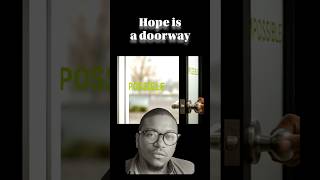
Antonio Matta argues that hopelessness among people with severe mental health challenges isn't failure, it's a rational response to chronic symptoms and stigma. Recovery means meeting people where they are, validating their despair, and keeping possibility open without forcing optimism.
Chapters
Recovery is a fuller life, not a perfect one. Recovery is about steady, self-directed choices that move us toward a fuller life, not a perfect life, a fuller one. Even tiny, honest moves count. I also want to name something the research is clear about. There isn't a single number that captures how many people in our community feel like recovery is impossible. But hopelessness is common, especially with long-term severe challenges. Years of symptoms, low expectations from others, and the grind of stigma can convince us that change isn't coming. If that's where you are, it doesn't mean you've failed. It means you've been carrying a heavy load in a tough context. So what helps when hope feels out of reach? Recovery-oriented care starts exactly where you are. It doesn't argue with your feelings or rush you past them. It says, let's acknowledge the hopelessness and at the same time keep a crack in the door for possibility.