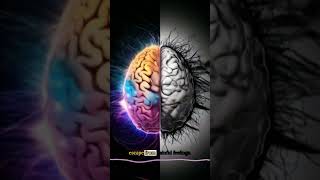
Childhood trauma rewires brain circuits for emotion and stress, making drugs and alcohol more appealing as escape. Many trauma survivors develop PTSD and use substances to manage symptoms, but this self-medication traps them in a cycle that blocks healing.
Chapters
Experiencing trauma, especially during childhood, can profoundly reshape the brain, and this often contributes to the development of substance use disorders or SUDs. When someone goes through traumatic events, it can lead to changes in how their brain processes emotions, rewards, and stress. These changes might make substances like drugs or alcohol seem more appealing as a way to find pleasure or escape from painful feelings. Many individuals who have faced trauma develop post-traumatic stress disorder, PTSD, and there's a close and complex relationship between PTSD and SUDs. Sometimes people turn to substances as a way to cope with the distressing symptoms of PTSD, a concept known as the self-medication hypothesis. This coping mechanism, while understandable, can lead to a challenging cycle where substance use makes it harder to heal from trauma.