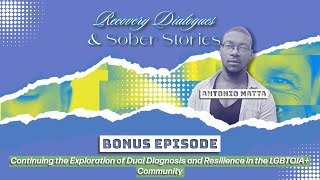
In this bonus pre‑season episode of the Recovery Dialogues and Sober Stories podcast, host Antonio Matta revisits a prior conversation with certified substance‑use disorder counselor Daniel Ingersoll to deepen the discussion on substance use disorders and mental health within the LGBTQIA+ community. The dialogue frames the issue through the Minority Stress Model, highlighting how external discrimination, internalized stigma, and intersecting marginalized identities (e.g., transgender, bisexual) elevate stress and drive higher rates of anxiety, depression, and substance misuse. The hosts explore the prevalence of dual diagnosis—co‑occurring mental health and substance‑use disorders—and argue for integrated, trauma‑informed treatment models that combine counseling (e.g., CBT), harm‑reduction strategies, and culturally competent care. Systemic barriers such as lack of insurance, financial constraints, and insufficient provider training are identified as major obstacles to access. The episode proposes solutions: expanding provider cultural‑competency training, leveraging telehealth and digital mental‑health platforms, improving data collection on sexual orientation and gender identity, and advocating for policy changes. The conversation concludes with a call to action, promoting a GoFundMe campaign to fund Season 3 and encouraging listeners to support the series and share the content to broaden awareness of LGBTQIA+ mental‑health and addiction challenges.
Chapters
Hello everyone, and welcome back to Recovery Dialogues and Sober Stories. I'm your host, Antonio Mata. Today, we're continuing our pre-season bonus series by revisiting one of our most impactful conversations from Season 2, exploring substance use disorders in the LGBTQIA+ community Intersectionality, Challenges and Resilience. In that episode, we sat down with the insightful Daniel Ingersoll, a certified substance use disorder counselor with a wealth of experience in addiction recovery and mental health. Daniel shared profound insights into the unique challenges the LGBTQIA+ community faces regarding substance misuse and mental health. Today, we'll dive even deeper into those critical topics, highlighting key moments from our conversation and exploring new perspectives. So let's get started.
When you're constantly bombarded with messages that your identity is different or not the norm, it leads to a profound sense of isolation and also a relentless pursuit to conform. These pressures are exhausting, and they often lead to higher stress levels, which in turn leads more people in this community to use substances as a way to cope. Discrimination, or what's known as minority stress, is tough. It's something that a lot of LGBTQIA+ people deal with, and sadly It's linked to higher rates of substance use. Meyer's research in the Psychological Bulletin really hones in on this, showing how these stressors contribute to health issues, including substance use. Internalized stigma is another big one. Many in this community internalize negative messages about their identities, leading to a lot of internal conflict. This kind of self-stigma is tied to increased substance use.
Navigating the complexities of identity can be daunting, especially with societal pressures bearing down on LGBTQIA+ individuals. These pressures, often manifesting as discrimination and internalized stigma, have profound impacts on mental health and substance misuse. It's not just about facing overt acts of prejudice; it's about the subtle, insidious biases that seep into everyday life. Research highlights that LGBTQIA+ individuals face higher rates of mental health disorders and substance misuse compared to their heterosexual than cisgender peers. This disparity isn't incidental; it's a byproduct of the relentless stress associated with societal discrimination. The Minority Stress Model provides valuable insights here, showing how unique stressors like prejudice and internalized stigma can lead to anxiety, depression, and substance misuse as coping mechanisms. Consider the journey of transgender individuals who might turn to substances to deal with the harsh realities of trans-specific discrimination, such as transphobia and gender-based abuse. These challenges highlight significant barriers to accessing mental health services, often exacerbating their struggles. Paradoxically, healthcare environments can perpetuate these biases, leading to reluctance in seeking necessary care. Imagine the courage required to share one's true self with healthcare providers amid fears of discrimination. This fear can can hinder access to mental health and substance abuse treatment, creating a cycle where untreated issues escalate. Intersectionality further complicates these narratives. For those with multiple marginalized identities, like bisexual individuals, the compounded discrimination can intensify mental health challenges and substance misuse.
First up, let's talk about minority stress. Imagine this extra layer of stress. Kind of like a heavy backpack that you're carrying around just because you're part of a stigmatized group. Then you've got the whole journey of figuring out who you are. This can be a massive adventure for many. This path can be super isolating, especially if you're feeling like you're the only one walking it. That kind of solitude, or just the struggle to find your place, can lead to some people to lean on substances. It's like they're seeking a bit of comfort, or maybe a way to feel connected.
The journey through minority stress, identity formation, and dual diagnosis in LGBTQIA+ communities is a poignant and vital area of exploration. It sheds light on the profound impact of societal stigma and discrimination on individual well-being. Minority Stress Theory helps us understand the unique challenges faced by LGBTQIA+ individuals who often grapple with discrimination, victimization, and internalized stigma. These stressors can lead to significant mental health challenges, and substance use disorders. As we delve deeper, it's clear how these pressures can affect identity development. Navigating one's sexual or gender identity in a society that often marginalizes these identities can be a source of heightened anxiety and internal conflict. This struggle is especially intense during life transitions like entering college or the workforce, where the decision to disclose one's identity can be fraught with stress. The cumulative effect of these challenges can hinder healthy identity development, leading to feelings of isolation and exacerbating mental health issues. Moreover, the link between minority stress and mental health is further complicated by substance use disorders. Research shows that high levels of minority stress can push individuals toward substance use as a way to cope with their distress. This This pattern is particularly evident among sexual minority youth, who face higher rates of substance use and mental health issues compared to their heterosexual peers. Unfortunately, the stigma surrounding both mental health and substance use can deter individuals from seeking help, perpetuating a cycle of distress.
Also, considering the high rates of co-occurring mental health disorders in this community, it's important to have an integrated treatment approach. This means not just treating the substance use issue, but also addressing any accompanying mental health challenges like anxiety, depression, or trauma. This integrated approach ensures that all aspects of a person's wellbeing are being cared for.
Creating effective integrated treatment models for co-occurring mental health and substance use disorders in LGBTQIA+ populations is not just a clinical necessity, it's a compassionate call to action. These models must be multifaceted, addressing the unique challenges faced by this vibrant community. Recent research underscores the importance of integrated treatment, where care for both mental health and substance use disorders is provided simultaneously by the same provider. This approach not only improves outcomes but also acknowledges the intricate relationship between mental health issues and substance use, especially in LGBTQIA+ individuals who often face heightened stigma and discrimination. One of the significant hurdles in effective treatment is addresses the fragmentation of services. When mental health and substance use treatments are delivered separately, individuals can find themselves lost in a maze of inadequate care. Integrated treatment models bridge this gap, ensuring clinicians can address both disorders concurrently. This holistic approach reduces the risk of patients slipping through the cracks and has been shown to decrease hospitalization rates and overall healthcare costs, making it a financially viable option for Providers incorporating trauma-informed care is essential, as many LGBTQIA+ individuals have experienced trauma related to their sexual orientation or gender identity. Trauma-informed approaches recognize the profound impact of trauma on mental health and substance use, allowing for more empathetic and effective treatment strategies. Cognitive behavioral therapy, particularly when tailored to address co-occurring PTSD and substance use disorders empowers individuals to develop coping strategies and tackle the underlying issues driving their substance use. Harm reduction strategies are also vital. These approaches focus on minimizing the negative consequences of substance use rather than solely aiming for abstinence. This can be especially beneficial for those who may not be ready or willing to stop using substances altogether. By providing a non-judgmental framework, harm reduction encourages engagement with healthcare services and supports individuals in seeking help for their co-occurring disorders. Addressing systemic barriers, such as financial constraints and the lack of access to culturally competent care, is crucial for the success of integrated treatment models. Financial and administrative obstacles often impede the delivery of effective services. Advocacy for policy changes that promote the integration of mental health and substance use services alongside increased funding for LGBTQIA+ specific programs is essential for improving treatment accessibility and quality.
In addressing the specific areas of concern for accessible and available treatment for the LGBTQIA+ community, the financial barrier is probably the largest one I see today. Many individuals in this community and in the country as a whole don't have adequate health insurance, which limits their access to quality substance abuse treatment and mental health care. Additionally, there's a need for more mental healthcare providers who are educated and informed about the unique challenges faced by the community.
Enhancing access to culturally competent mental health and addiction services for LGBTQIA+ individuals is both a challenge and an opportunity to make meaningful change. By addressing systemic barriers, enhancing provider training, and leveraging technology, we can create a more inclusive healthcare environment for this vibrant community. First and foremost, enhancing the Cultural competency of healthcare providers is crucial. Training programs should educate professionals about the unique mental health and addiction challenges faced by LGBTQIA+ individuals. This includes understanding the Minority Stress Model, which highlights the increased stress due to stigma and discrimination. It's about creating a supportive environment where LGBTQIA+ patients feel seen and understood. Knowing the evolving terminology and resources helps providers communicate effectively and empathetically. Integrating digital mental health interventions is another powerful way to improve access to care, especially in underserved areas. Digital platforms can offer tailored content that resonates with LGBTQIA+ identities, fostering a sense of community. These interventions are a vital bridge to traditional mental health services, particularly for youth and those in rural settings where in-person care may be limited. Telehealth services provide flexibility and anonymity, proving effective in reaching marginalized populations. Addressing systemic barriers within healthcare systems is essential. This includes enforcing regulations that prohibit discrimination and establishing effective complaint mechanisms. Improving data collection methods to capture sexual orientation and gender identity information can help tailor services to meet the needs of LGBTQIA+ populations better. By ensuring adequate representation of health data, providers can advocate for necessary policy changes to enhance accessibility. Creating supportive environments within educational institutions is also vital for addressing the mental health needs of LGBTQIA+ youth. Implementing a multi-tiered system of support in schools can enhance the overall climate, promoting prevention and intervention strategies that are affirming and inclusive. Schools can be The critical access points for mental health services and training staff to recognize and address the unique challenges faced by LGBTQIA+ youth can foster a more supportive atmosphere. Well, that wraps up this rewind and deep dive into the intersectionality, challenges, and resilience of the LGBTQIA+ community. Us community in relation to mental health and addiction issues. I hope you found our exploration enlightening and empowering. As we gear up for Season 3, we're running an ongoing GoFundMe campaign, link in the episode description, to help us launch an impactful new season. Even a contribution of just $1 can make a significant difference. If you're passionate about supporting our and want to take it to the next level, we're also seeking sponsorship partners. At Recovery Dialogues and Sober Stories, we believe that the recovery process is about an individual reaching their fullest potential by making positive, deliberate life changes that impact the quality of their existence. It interlocks a person's self-directed choices with causation of and correlation to mental health mental wellness and a fulfilled, empowered, self-directed well-being. If you found value in this episode, please like, download, share, or leave a comment. Your engagement helps spread the dialogue on mental health and addiction recovery to more people who might need it. Stay tuned for more bonus content leading up to the premiere of Season 3. Until then, remember that every step you take toward wellness this is a significant achievement. Take care, and we'll see you next time.