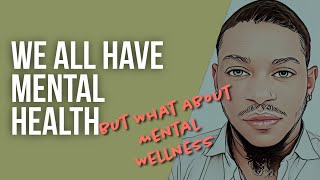
In this spoken monologue, Antonio Matta frames mental health as a universal, ongoing aspect of human life, comparable to physical health. He argues that mental wellness is often neglected in everyday conversation despite being woven into daily experiences such as tight deadlines, family tension, self‑doubt, and anxiety. Matta highlights how social‑media comparison fuels feelings of inadequacy, stressing that curated online personas distort reality and self‑worth. He rejects a binary view of mental health, presenting it as a spectrum where highs and lows are natural. He explains psychological dissonance—the gap between internal feelings and external presentation—and emphasizes that wellness involves recognizing, processing, and responding to emotions rather than suppressing them. Therapy is positioned as a valuable tool for anyone, not just those with diagnosed disorders, supporting personal growth, resilience, and self‑awareness. Finally, Matta calls for continuous, open dialogue about mental wellness, encouraging practices like honest conversations with friends, setting healthy boundaries, and seeking professional help, portraying mental wellness as an ongoing journey rather than a destination.
Chapters
Mental health, just like our physical health, is something we all have. It's a constant and integral part of our existence. But when was the last time we had an open, honest conversation about mental wellness? This vital aspect of well-being is often overlooked, yet it affects us all in profound ways. Mental and emotional struggles. These aren't rare, isolated incidents. They're woven into the fabric of everyday life. From tight deadlines and family tension to self-doubt and anxiety about the future, these challenges are a part of our daily routines. The problem? Too many of us try to deal with these struggles alone, believing that we must tough it out. But let's be clear, mental wellness is about much more than just avoiding mental illness. It's about of the way we think, feel, and react to the world around us. In an age dominated by social media, the pressure to compare ourselves to others, whose lives often seem flawless, can make us feel inadequate. But here's the truth: social media often only presents a curated version of life, which can easily distort our sense of reality and self-worth. Here's what we need to understand: mental health is not a simple binary of good or bad. It exists on a spectrum, with We all have moments of highs and lows. Struggling, feeling overwhelmed, stressed, or sad at times doesn't mean there is something inherently wrong with you. It's a natural part of the human experience. Psychological dissonance, the gap between how we feel inside and what we display on the outside, is something that affects all of us at some point. Path to mental wellness isn't about ignoring or suppressing these feelings. It's about learning to recognize, process, and respond to them in healthy ways. It's about acknowledging that our emotions, no matter how difficult, are valid. And sometimes that means seeking help. Therapy isn't just for people with diagnosed mental illnesses. It's a valuable tool for anyone looking to foster personal growth, emotional resilience, and self-awareness. So let's keep the conversation about mental wellness flowing. Let's make it part of our everyday discussions. Mental wellness Wellness isn't a one-time destination; it's an ongoing journey. Whether it's having an open conversation with a trusted friend, setting healthy boundaries, or seeking professional support, taking care of your mental well-being is one of the most rewarding investments you can make in your life. When we truly begin to embrace the full spectrum of mental health, we'll build a world where no one has to face their struggles alone.