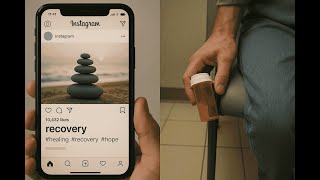
Antonio Matta argues that September's Recovery Month content fails people in crisis. A family member at 2 AM in an ER needs concrete answers about severity and next steps, not inspirational hashtags. Effective recovery content should work like medicine: clear, actionable, and privacy-respecting, not marketing.
Chapters
Every September, digital feeds flood with Recovery Month content. But here's what keeps me awake: how much of it was actually written by people who've sat in crisis? Picture this: it's 2 AM, you're pacing an ER waiting room, phone buzzing with notifications about inspiring recovery journeys and 10 steps to healing. Meanwhile, you're drowning in one simple question: what do we do now? Most behavioral health content floats above real pain. Families show up needing clear answers. How bad is this? Who can help? What happens next? Instead, they get hashtags and hollow hope. But here's the thing. Clinical wisdom exists. Practitioners hold oceans of knowledge. The problem isn't expertise. It's translation. Between the panic and the plan sits a chasm that good content should bridge, not widen. Real recovery content doesn't romanticize the journey or promise miracles. It meets families where they are—exhausted, scared, searching. It acknowledges limits while offering lifelines. It protects privacy while sharing truth. Think of it as extending a steady hand in the dark. Not a spotlight that blinds, but a nightlight that guides. The families finding your program at 2 AM aren't looking for marketing. They're looking for medicine. Words that heal the space between crisis and clarity. Because content that merely fills calendars is noise. Content that closes gaps? That's something closer to grace.