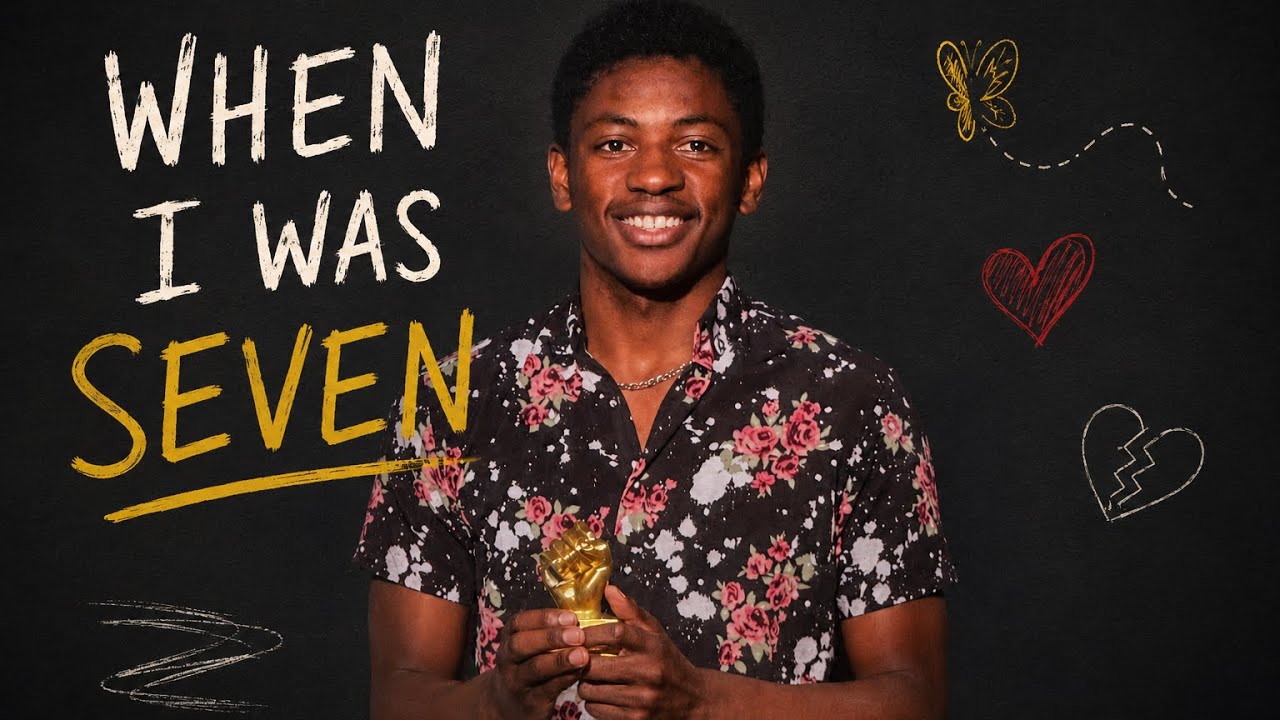
In this solo spoken‑word monologue, the creator argues that poetry—understood as a beautiful, truth‑bearing use of language—has the power to shape feelings, attitudes, and ultimately actions, thereby influencing the world for the better. The speaker explains how poetic language makes information more palatable and memorable, likening its lingering emotional impact to that of a song. They contend that because emotions drive attitudes and actions, poetry can be a catalyst for positive change. The talk also advocates for broader teaching of poetry, describing it as a synthesis of metaphor, imagery, and personification that expresses internal experience. The speaker distinguishes spoken‑word from slam poetry, noting the former’s artistic focus versus the latter’s competitive nature, and shares personal testimony of poetry’s therapeutic value during painful moments. The piece concludes with a repeated, emphatic claim that poetry will save the world, inviting listeners to become poets themselves.
Chapters
Hey, okay, so I'm gonna quickly talk about why— I'm gonna quickly talk about why poetry is gonna save the world. Well, I believe beauty will save the world inevitably. Poetry is a form of beauty within the linguistic form, your language, the way you speak. I believe if you can give people information that's palatable Then they'll more likely accept it, which then kind of sounds like a form of deception, but that's not the case. It should all be truthful. But poetry has a way of sticking to people. It's almost like a song. Even after the song's gone, gone long— Even after the song is long gone, you still have that feeling, that lasting, ruminating feeling that you felt. That's what feeling means. So poetry does that to you. It makes you feel, and that feeling can last way after the actual poem is over. And so I believe that people are motivated by feelings because feelings affect their attitude, right? And attitude affects your actions, and your actions affect your character and things of that nature. So poetry is powerful and potent if used correctly, and I think we need to teach poetry more. Poetry is just— it's like a beautiful language, you know, using metaphor and imagery and personification, all these words we learn in ELA, but throwing it all together on a piece of paper to kind of express how you feel internally. Well, that's just— that's the point of poetry, and it helps the world not only know who you are but also what you want, how you want the world to be navigated. And poetry has been used like that forever, as long as it's lasted. Just wanted to talk about poetry and how it's going to save the world. Become a poet today, you know, learn poetry. I'm a spoken word artist, which is basically spoken poetry, although I guess it's a little bit different than slam poetry. I think slam poetry is mostly in the form of competition. So learn to write poetry. It's entertaining, it's aweing when you learn how to do it correctly, and it's also just comforting and Times of pain, I love to just write and get it off my mind and off my chest. So yeah, poetry again will save the world. I've repeated that 3 times, but it's true. I think it's true, and I'm probably wrong, but that's one of the— that's one way you know I'm a poet, because you're idealistic and you say things that truly— well, I think truly make sense, but not clearly. And, um, well, there's something in that, and that tends to be the case. You have to dig a little bit deeper than surface level. To see what the poet is talking about and what they mean. So poetry is going to save the world.