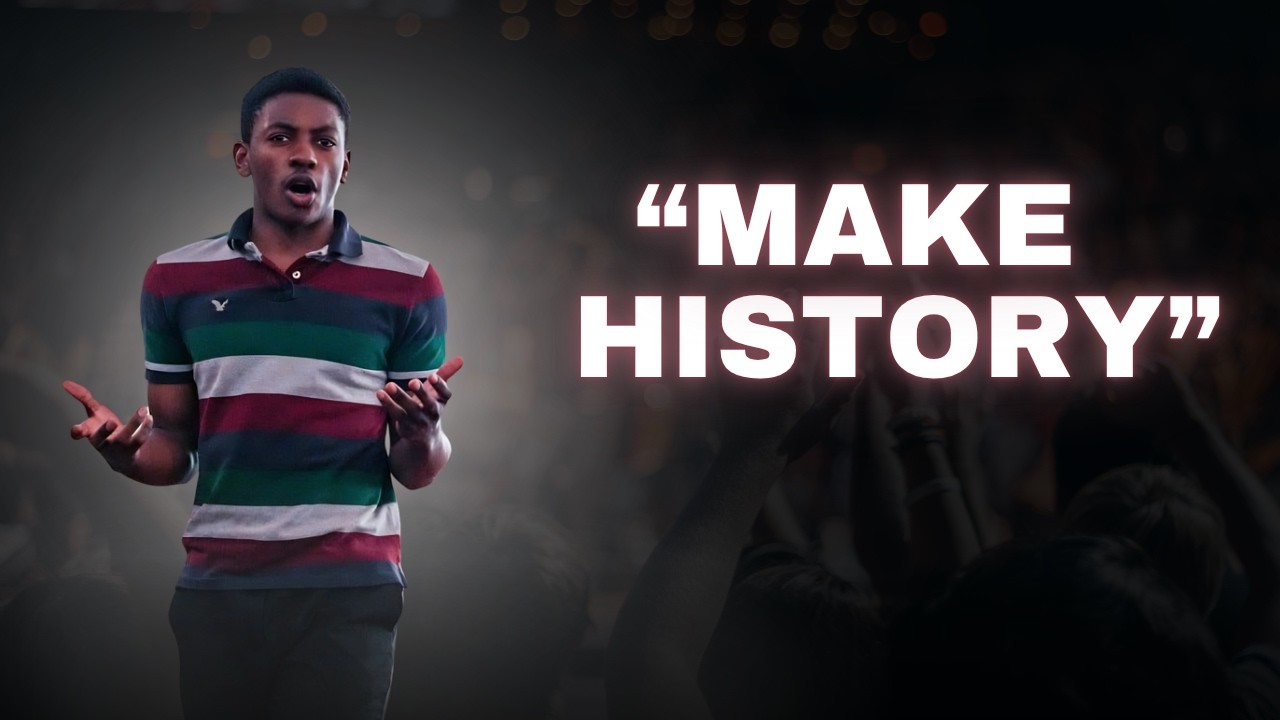
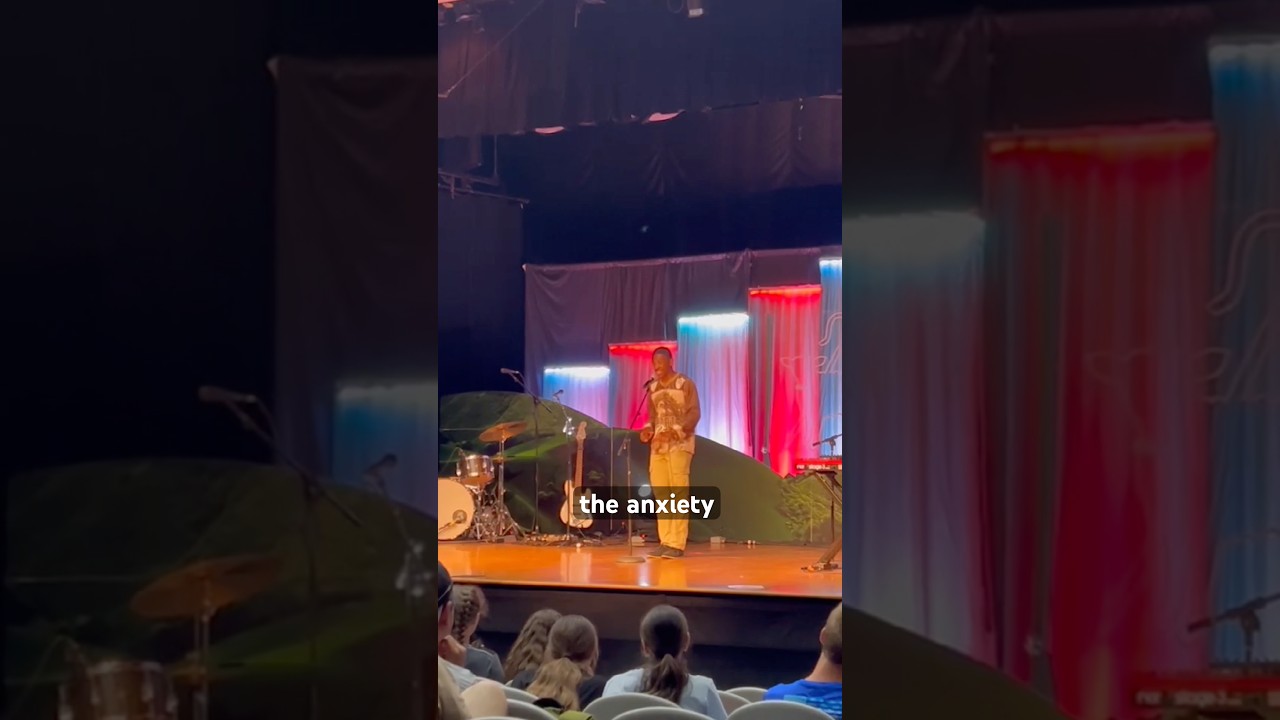
In this award‑winning speech delivered at a church, Arthur Pierre Ayotte opens with a biblical citation (Jeremiah 6:16) to frame the moral imperative of remembering the past. He argues that recalling Black history is essential not only to avoid repeating past atrocities but also to celebrate its cultural beauties. Ayotte recounts the British slave trade that enslaved over three million Africans and the United States’ continuation of slavery, leading to the Civil War, illustrating the dark chapters of Black history. He then shifts to a more uplifting tone, invoking Carter G. Woodson’s warning that a race without history risks extinction, and highlights African contributions to American culture—blues music, distinctive fashion, intellectual ideas, and dance. Citing Martin Luther King Jr.’s dream and Proverbs 31:8, he calls the audience to speak for the mute and act on the legacy of Black history. The speech concludes with a rallying cry for the congregation to remember, honor, and actively make history, punctuated by the announcement that Ayotte won first place in the 11th‑12th grade category of the Martin Luther King Jr. Art/Oratory Contest.
Chapters
Good morning, church. Good morning. My name is Arthur Pierre Ayotte, and I hold the things that I say today as self-evident. Jeremiah 6:16 writes, look at the rose, stand by the rose and search and ask for the ancient past. But why should we seek it? We are told we should seek it, for individuals impact the future, and we as individuals should continuously remind ourselves of our history. This is important because cultures tend to repeat their faults. Mm-hmm. For example, Britain enslaved over 3 million Africans in the early 17th century, all the way up to August 28th, 1833, where the Abominable Acts finally came to a close Due to religious and political pressures placed on the behavior. America, unlike its close relative, unlike its close relative, continued to plow forward using African hands to build up its economy. America, not learning lessons of history across the sea, led itself into an internal collapse that birthed the Civil War of the early to mid-1860s. This was a dark time for Black history and one we cannot repeat. However, I disagree with the idea that the fundamental reason why we should remember history is simply not to repeat past evils. No. Okay. I believe history should be remembered for its beauties and not just its degeneracies. History. The father of Black History Month, Carter G. Woodson, wrote, a race with no history or worthwhile tradition stands in great, great— stands in great risk of being exterminated. Tradition is beautiful. Millions of Africans have transformed the American landscape They did so through music such as blues, which are soul-shaking songs sung by African slaves with heads in the clouds and hands in the dirt. They innovated fashion like those long tattered gowns with stories in their prints. Any stitches carried a piece of their heritage. Yeah, right now. The African world brought new intellectual ideas and dance moves unseen by the European eye. These cultural beauties should not be taken lightly. No, they should be remembered. MLK spoke of a dream in which all people were seen as equal, standing hand in hand, ushering in a holy utopia. This dream is only as far as we let it be. Yes, sir. Yes, sir. Many Black women and men spoke of truth and of their faith. Sadly, many passed away in the process, but that should not keep our mouth glued. No, let us speak for the broken and the bruised. Proverbs 31:8 states, open your mouth for the mute and speak for the rights of the unfortunate. You see, we as Black history should remember our stars. All right. But because of those, let us bring heaven down. Hey! Yeah, yeah. Because of those, let us bring heaven down. So brothers and sisters, as we move on throughout the day, let us remember of this huge game that we play in. And brothers and sisters, this is our history. Brothers and sisters, let us make history. Thank you. First place in the 11th and 12th grade category of the Martin Luther King Jr. Art Oracle Contest, Mr. Arthur P. Ayotte. Let's go, Arthur!