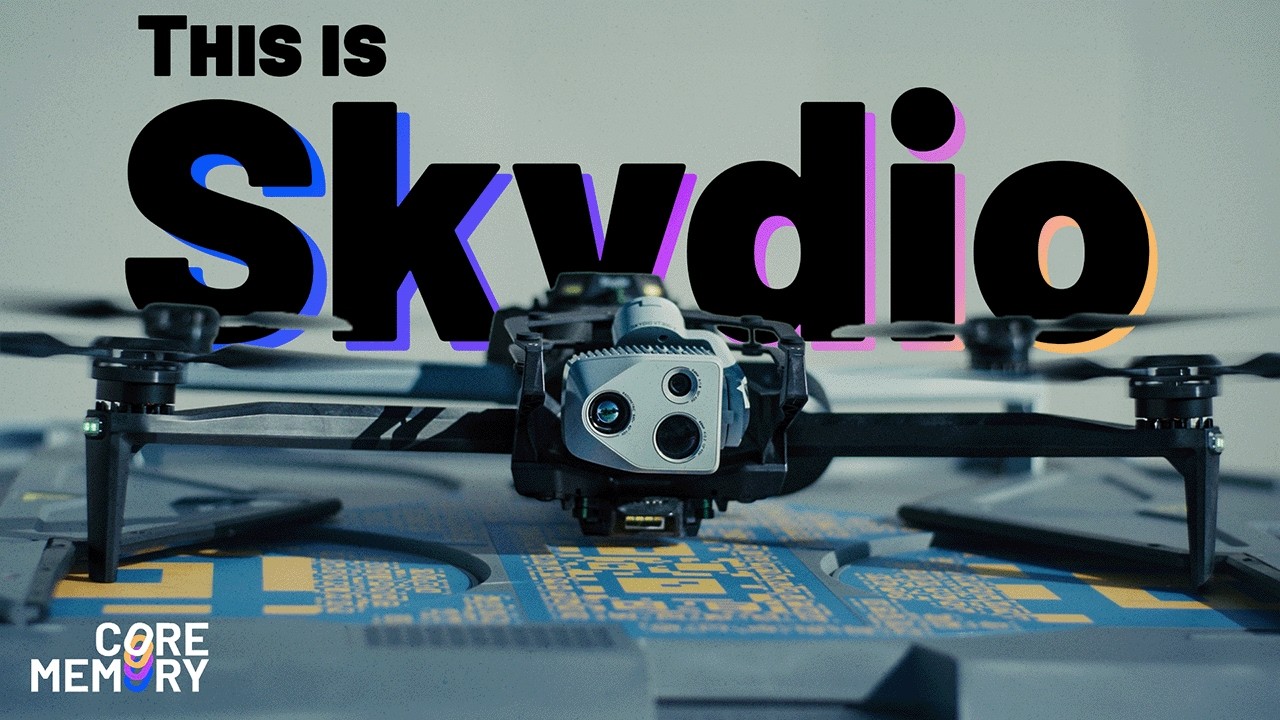
Adam Bree tours Skydio's California factory to show how the X10 autonomous drone is built entirely in the U.S. The process includes high-frequency vibration welding, hand-soldering, nano-coating for waterproofing, and a calibration robot that optimizes sensor data before each drone ships.
Chapters
We have this concept we talk about at Skydio called "Render to Reality." A lot of what we build start off as seemingly these, like, crazy sci-fi concepts. Wouldn't be crazy if this thing existed. My name is Adam Bree. I'm the co-founder and CEO of Skydio. So we are sitting on the first floor of our headquarter building where we do our hardware development and testing. Skydio is the largest US drone manufacturer and world leader in autonomous flight. Our drones are more like flying robots than traditional drones. Today we're going to show you how the Skydio X10 is made right here in Hayward, California. The X10 is comprised of thousands of individual components, hundreds of parts that we assemble ourselves right here in our 70,000 square foot facility. One of the most important features of X10 is the ability to operate in rain. One of the ways that we achieve that is by waterproofing the critical components that go inside with a process called nano coating. One of the first steps in actual assembly is putting together the arms. The arms have a bunch of different antennas on them. They obviously have the motors, they've got lights. The two halves of the arm are— goes to extremely high frequency vibration, which melts the plastic in a very controlled way and fuses those two pieces together. We actually hand solder the motor wires onto the power board. After we've attached the arms and all the electrical connections to the main chassis, we then attach the chest. The chest houses the 3 bottom-facing navigation cameras along with the downward-facing range sensor. We assemble the cameras onto a vibration-isolated frame. We then assemble that into the chest. We've got a really advanced NVIDIA CPU GPU. We've also got a Qualcomm chip that manages the camera feeds from the gimbal. All of that comes together in the main chassis assembly, which gets mated to the chest. The gimbal is one of the most challenging pieces. When the drone is flying around and vibrating and getting pushed around by wind, we need to keep that camera stable. We accomplish that with a vibration isolation system that we call the gimbal. The sensor package, or gimbal, is actually customer modular, so it can be replaced or upgraded in the field. Done a bunch of testing to get to this point, so the final steps are really about validating that everything we've done works the way that we expect it to. And the first step there is doing burn-in. We subject the system to extremely high stress loads, so running the motors full bore through an aggressive stress pattern. The goal here is if there is any quality defect anywhere in the system, we want it to fail at the factory rather than in our customers' hands. A critical testing step, which we still do on every single drone, is connect it to a controller and we fly it. The final step is calibration. The drone gets attached to the calibration robot, which runs through a very specific pattern where it's exercising all of the onboard sensors. All of the data that gets generated gets put into a global optimization that estimates the exact location of all these things. Every unit is slightly different and needs to be calibrated at the factory floor. As part of this, we do our final inspection, so we're looking for any last defects, anything cosmetic. Final step is assembling the kit. The drone is just one piece. We also need the batteries, the charger, the radio, sometimes different attachments and accessories. I have been doing drone stuff my entire life. I grew up flying radio-controlled airplanes. I was just obsessed with it as a kid. We're now by a wide margin, the largest Western manufacturer of drones. So the recent past in Silicon Valley is that if you are going to do hardware, you should outsource all of it to China. And when we started Skydio in 2014, this was conventional wisdom. This is what investors would coach you to do. How to be operating at scale in the US has just become a critical strategic advantage for us, and I think a critical thing for us as a country.