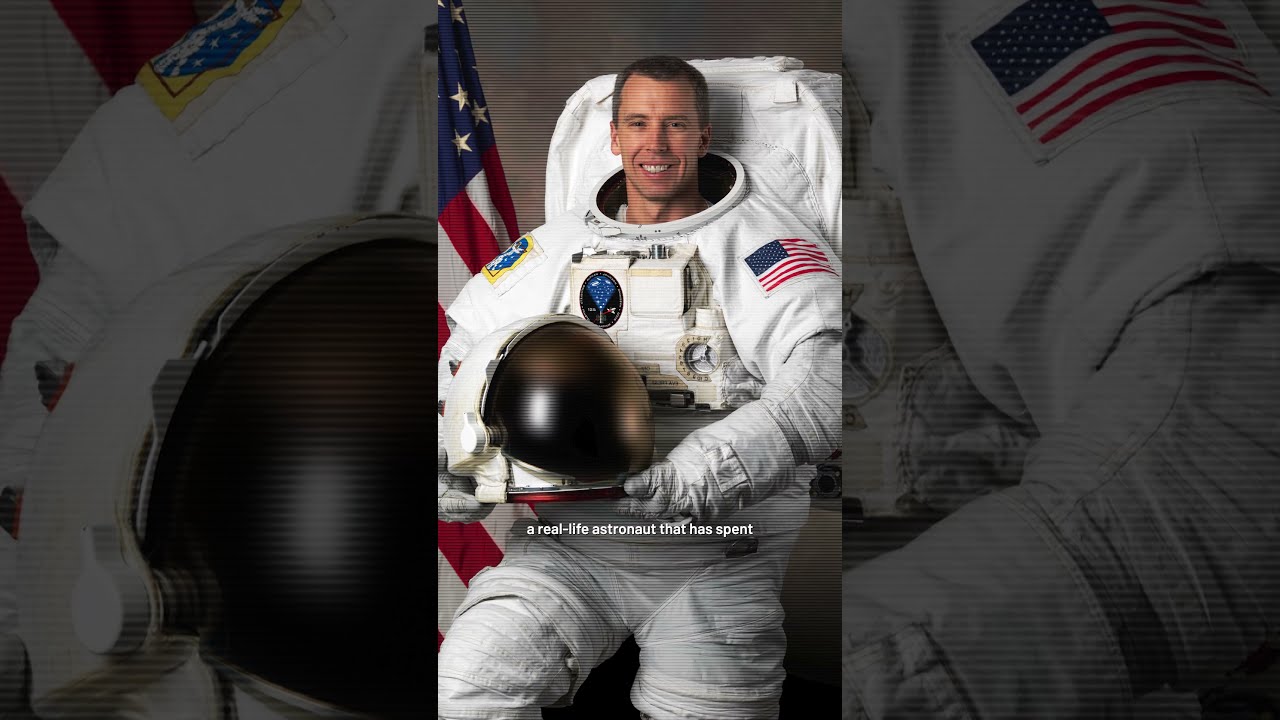
Astronaut Drew Feustel, who spent 266 days on the ISS, explains why air circulation is critical: human breath creates a CO₂ cloud that can suffocate you without proper ventilation. He's now helping design Vast's Haven-1 commercial station, launching in 2027. Tiny orbital debris travels at 7.5 km/s, about 20 times faster than a bullet.
One of the biggest challenges inside the International Space Station is this.
So if you and I are sitting here talking and looking at each other and breathing, we're creating a CO2 cloud around our heads. And if there's no air distribution at all, we will eventually be asphyxiated.
This is Drew Feustel, a real-life astronaut that has spent 266 days in space. And he's one of the people that is helping design the world's first commercial space station, Haven-1 by Vast.
Would you watch Netflix? Yeah, we have good enough coverage. I think I watched all of Game of Thrones.
But to build a space station from scratch, you've got to think head to all sorts of other problems.
You can have debris in space that are big enough that you can use the thrusters to avoid them, but you can also have small ones that you can't detect. At orbital velocity, so 7.5 kilometers per second, I think it's about 20 times the speed of a handgun.
We got special access to visit before it flies up in the sky in 2027. If you want to see how the future is made, subscribe.