In an interview, Palmer Luckey explains that designing a military‑grade AR headset (Eagle Eye) is fundamentally easier than creating Apple’s consumer headset because the design goals and constraints differ. Apple must deliver a flawless, visually appealing experience at all times, requiring consistent exposure, low noise, fixed persistence, and seamless displays. In contrast, Luckey’s tool can prioritize functionality over aesthetics: it can increase sensor gain even if the image becomes grainy, dynamically lower persistence and brightness during rapid head movements to preserve motion clarity, and tolerate visible seams from tiled microdisplays because they do not impede the device’s purpose of keeping users alive. These examples illustrate how a survival‑focused tool can relax visual quality standards that are non‑negotiable for a mass‑market entertainment device, making Luckey’s engineering challenges comparatively less restrictive.
Chapters
I'm sure people would look at Apple's headset and say, well, look, if the world's biggest consumer electronics company with all the money at its disposal and technology, you know, how much better?
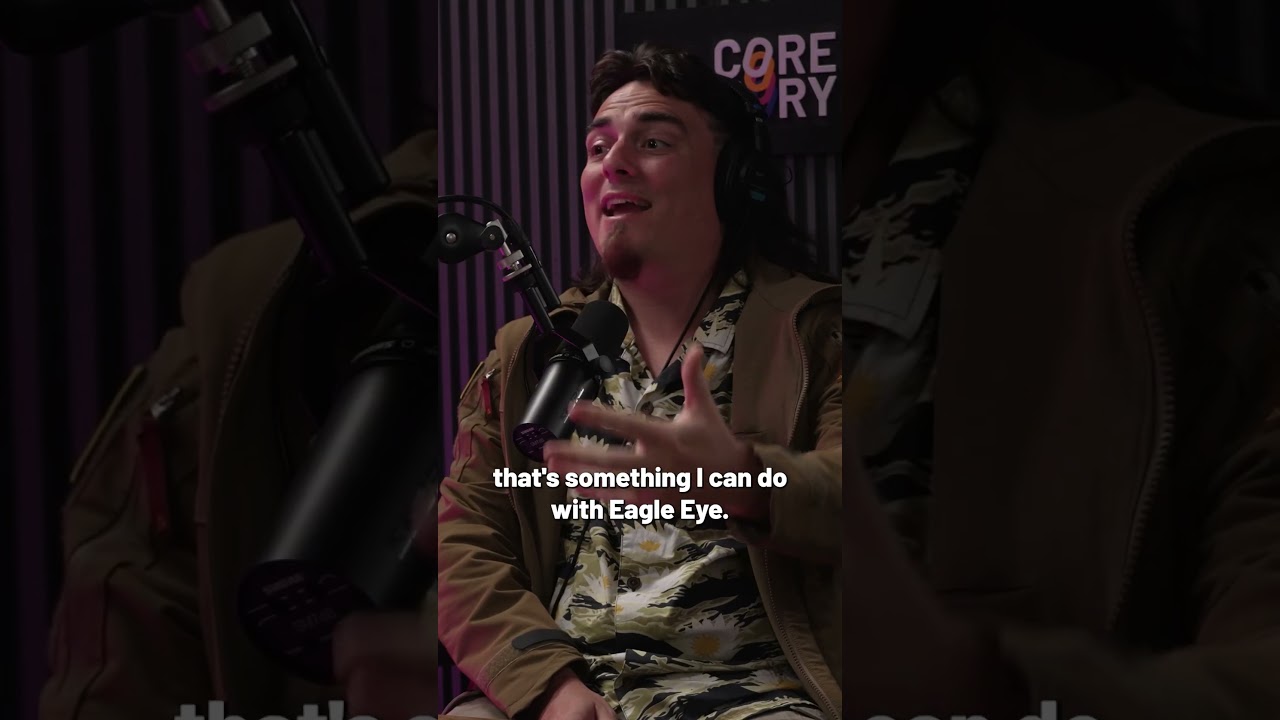
Nah, nah, I think it's gonna be way easier. I have an easier job than Apple does. They have to make an entertainment device. And that's not just about how easy it is to use, because you want military tools to be easy to use. I'll give you a specific example. Apple has to have extremely high image quality at all times, including through their pass-through, including when you're turning your head. That means that they they need to come up with exposure settings that don't create too much noise and grain in the image. I don't have to do that. I'm a tool. I'm a tool for seeing better. I can crank up the gain on my sensors and see things that, you know, if I were to do the same thing on an Apple product, people would say, oh my God, the sensor feed's so grainy. I'm not trying to build something that's visually appealing. I'm trying to build a functional tool. Here's another example. Apple has to have a fixed persistence level so they can have constant brightness across all scenes, across, you know, all types of head motion. I can say, you know what? I'm gonna ramp my persistence down and my brightness level commeasurately down during fast head rotations so that I have high motion clarity rather than having blur when I turn my head very quickly because it's a tool and it's okay if the image gets darker briefly as I'm whipping my head to the side and then ramps back up to full brightness as soon as I stop moving. That's something I can do with Eagle Eye. If Apple did that, they'd be pilloried by people. They'd say, this is bizarre. The brightness level's changing as I look around. The image is grainy when I look at certain things. I would actually say building a tool gives you a very different level of constraints than building something that needs to preserve kind of this idealized model of what people think a screen should look like, what, how, how a movie viewed through a screen should look like. And so my job is a lot easier than Apple. I'll give you one last example. One of the things we're doing at Eagle Eye is using multiple microdisplays per eye with a tiled seam. And so you end up with this small little kind of distorted seam that's living out in your peripheral view and you can see it really easily. I mean, it's, it's, it's there. It doesn't bother you. It doesn't make you sick, but it's definitely, it's definitely there. Apple can't make something like that. They can't make a thing where there's, it's a seamless magical experience except for this weird distorted bubble seam down both sides of your vision in your periphery. But for a tool, you can do that. It's not actually a problem. And so I, I agree. Apple has a hard challenge. They have to make something. For everybody. I have to make a thing that keeps people alive. And I think, uh, I, I think, I think my job's easier than, than Apple's.