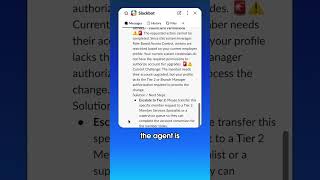
PenFed uses autonomous agents to automate work. Penny, the IT agent, handles 75% of routine tasks. Wingman manages member requests by checking permissions and routing approvals, sometimes back to Penny, with every step recorded for audit trails.
Chapters
These agents have full orchestration, and this orchestration is going to go in the flow of work. PenFed uses this IT agent, Penny, and she does about 75% of the IT tasks so the IT team can focus on really mission-critical IT tasks and things that really need human expertise. And I'm going to switch gears, I'm going to be a member service agent. One of the things that I had a conversation with this customer about was that they wanted to upgrade it to a premium savings account. I'm gonna put that information in. One of the routines is that I need to have a member service representative help me. So Wingman, as a member service representative, as an agent, Wingman tells me I don't have sufficient permissions. So just like a person, the agent is telling me I don't have permissions to do this task. So what the agent is going to do is going to route me to the right approver to make sure that I have the right permissions. It's gonna route me back back to Penny. This is an agent working with another agent to route me to get the right permissions. Also note the trust issue. They're following procedures, the PenFed guardrail in place. They're making sure that I have the right permissions. So we see agent to agents working together, we see permissions happening, we see trust happening all within the flow of work. How do we trust it all? This is where agent-first observability comes in. We can go back and see step by step what was happening. When Wingman did it, how Wingman did it, more importantly, why.