The 25 Best Brand Campaigns of 2024, Explained
Panel discussion (Jordan Rogers, Oren John, Ash/Schwinnebago) reviewing notable brand campaigns of 2024 across social, sports, product launches, merchandise, influence, collaborations, and out-of-home. Key themes: treating social as episodic TV when brands find content-market fit (Wimbledon, Alexis Patar, Nectar); creator-driven product and celebrity launches (Jake Paul’s W, Charlie XCX BRAT); merchandise and product-as-marketing that create social moments (Rode lip-case, Chipotle napkin holder, Liquid Death collaborations); the power of TikTok Shop and creator incentives (Goalie: $6M GMV month example) and predictions urging brands to rethink social strategies, hire creators, and explore equity-based endorsements for sustained content.
Chapters
Wimbledon posts a thousand times in 30 days. This is a crazy new tactic for a sports franchise and tournament.
There is something where I have this thing in my pocket. I have this thing in my pocket now. They're married together. That's the insight of looking at how your consumers actually use something, creating a product to solve it. And if it happens to be extremely social media friendly, there's a benefit there.
It seemed like just one of his videos. He did this lie detector test with his brother. Halfway through the video, it turns into an ad for W and the top comments are. I didn't even realize this was an ad. This is the best commercial that I've seen.
We're here today to talk to everyone about the best campaigns in branding, design and marketing of 2024. We've broken them down into a whole number of categories covering social media, collabs, merchandising, software. Hopefully give everyone listening some tactics as to what you can think about for your brand going into 2025.
I'm Jordan Rogers. I spent a long time in brand marketing in Nike working with some of the biggest athletes and artists. And now I' make content on the Internet about marketing and branding.
I'm Ash from Krishnaswamy, known as Schwinnebago brand. I work with CPG brands on branding and marketing, operate a couple of my own.
Perfect.
I'm Oren John. I'm known as the Internet's creative director. I talk about branding, design and creative direction to a large audience. After building a large amount of consumer electronics brands and brands inside all kinds of different niches including luxury and cpg, let's kick it off with our favorite categories with organic social media. What happened there?
Wimbledon posts a thousand times in 30 days. This is a crazy new tactic for a sports franchise and tournament. Usually you would get a bit of a hype video. You would preview what's coming and then maybe do like a daily recap of what happened in the events. A thousand posts in 30 days is kind of mind blowing to me.
Yeah, I think people have been so locked in for so long, if you're a brand thinking about this concept, you said we have our one a day calendar. All we can do is one a day. But if you have what we call content market fit, where an audience actually enjoys your content and wants it, then there's almost no limit to what you can do with the way the new algorithms work, which is something I think brands really need to think about going forward. And that brings me to one of my favorite campaigns which really thought out of the Box, which is a jewelry brand called Alexis Patar. And they made a complete fictional narrative, like on their Instagram account, where they hired these kind of two key actors to impersonate New York City socialites and did basically an episodic TV show. They got so popular, they began bringing in like in real life, stylists from, from Louis Vuitton, like crossing over into the series and had all their fans tuning in to follow the narrative and then obviously shop the jewelry on top of what their characters were wearing. What did you see in Social this.
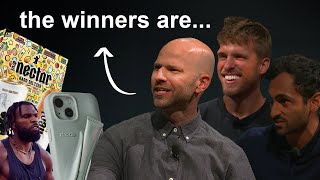
Year that goes to your idea of. A lot of brands should be thinking about their social content as TV shows. And I think a brand that does that really well, really organically is a brand called Nectar Hard Seltzer. They are a Hard Hard Seltzer brand. And what they have done so great is they have documented the entire building of their brand in every state that they launch, every sampling event that they do. They are capturing that content, putting it out there. And I think they're doing phenomenal job building that community.
So let's go over to a more traditional industry and talk about sports marketing. Something near and dear to Jordan's heart. And Dave, he's texting me Mavs updates, golf scores. It's a non stop sports dream. What happened in that industry this year that's worth celebrating?
Well, or. And it's a. It's tough to be here in Boston at the Inbound Conference where my Mavericks just got demolished in the NBA Finals. But. But we'll set that aside. One of the athletes that the Mavs did demolish was Anthony Edwards. And his AE1 campaign this year with Adidas is actually one of the best signature campaigns I've seen in years. Having worked on a lot of signature campaigns, I was at Nike, I've seen a lot of great ones. I think your point yesterday was what was the last signature campaign you could actually remember?
So break that down. For someone who doesn't know a lot about sports marketing or understands shoes or any of that. What is the signature campaign? Why is the AE1 exciting? Why is Anthony Edwards exciting?
Great point. Anthony Edwards. There's this like beautiful collision of all of these factors that are coming up. When you have a young athlete that's on the rise, particularly a young American athlete in the NBA today, that's on the rise with this brash personality. I think in today's day and age, they're so PR trained, they get so careful of the media and when you get one that comes along kind of like Charles Barkley, who will just fly off the cuff and say anything. Anthony Edwards is that he's very much himself. He's young. Adidas came alongside of him. They got good design in the actual product. You have a charismatic athlete and you have this collision of a guy who does well in social, who pair it up with a good agency and a good campaign. The director of the campaign has done a ton of music videos, and it's just this incredible concept. It also helps enragement, does equal engagement and social. And the first part of the campaign was Anthony Edwards basically taking a look at all the other signature shoes from rival brands and talking about how trash they were and how his was so much better. So it got a ton of shareability. All these people were jumping in. The brands were even commenting. And it created this rivalry throughout the year that's actually great for Nike versus Adidas or New Balance versus Nike. It's fun in the industry to create that, and I think more should be embracing that.
One of the most exciting things I feel like we all talk about a lot with the social media era is small brands can compete on a large brand stage. We saw a lot of that this year. Ashley, we'll talk about one of the more interesting campaigns that an independent brand was able to pull off.
I'm a huge fan of Bandit Running. They're based in New York City. They're an emerging running brand. And Jordan, you made some great content around this. Earlier this year, they ran a campaign called the Bandit Unsponsored campaign, where there are college athletes who are unsponsored by some of these big brands. And so to signify that they are unsponsored, Bandit went to them, decked them out in totally black gear to signify that they don't have a big brand behind them. And then creating incredible content around that.
Compare that to the bigger dogs on the stage, the Nike, the Adidas of the world, the on running, who are on purpose creating really bright shoes, apparel and signifying large logos for these sponsorships that you see at the Olympics. Bandit being true to their name, being this upstart grassroots, they're trying to support these athletes. They put them literally in all black undranded gear, which is totally different for a brand to who usually wants to get their name out. But it's so distinct. One of the principles I teach all the time for people in branding and marketing is to be distinct, to be that black sheep in the middle of a crowd of a bunch of white sheep. And when you just see a blacked out Uniform in a sea of all these bright colors. It actually becomes very distinct. It served the athletes well. And then that is a launching pad for them to signify at the next level, if they made it to the Olympics, that they could get sponsored by one of the bigger brands. And it's a really smart strategy for Bandit, and I love to see that type of creativity from smaller brands.
Another tactic that succeeded really well in sports marketing and in marketing in general this year is this idea of velocity. And so I'm going to talk about the Kardashians. I hate even to bring up the Kardashians, because whenever I do a post about them, I immediately lose followers. There's two topics I lose followers on. I post a cybertruck, Followers are gone. I post the Kardashians, cybertruck are gone. But I will say that Skims as a brand executes what I call brand velocity extremely well. Their cadence of releases, whether it's just things that are put on Kim's Instagram account or whether it's the actual collaborations and campaigns they're doing, happens at the speed of culture. Every single week we have new athletes, new collaborations. They are gaining attention in a way that a major brand would have a super hard time executing in any kind of traditional framework. But this year, they've really set their sights on sports. NBA, wnba in a major way. Can you break down a bit of what those campaigns look like?
Yeah, I mean, I think it's really smart, tactical sponsorship. If you start your brand through the Kardashian, you're mainly going to have a primarily female audience. You're going to be a lot in apparel. Where do you set your sights next? Do you go to the NBA or you go to the Olympics? And then they eventually rolled out with the wnba. And I think it's just this whole different audience. You start with your core demographic of who you're going to win with and then set your sights elsewhere. And there's no better place to do that than in sports if you want to reach a more male audience or. Or people who are more attracted to the sports, less about shopping or traditional beauty products. And so it was surprising, but it makes a lot of sense strategically.
Yeah, I do love. I appreciate a brand that has a. The ability to go from a Lana Del Rey campaign to a WNBA campaign, to, like, a major soccer star and have it seem completely seamless. But speaking of cultural moments like that, we're going to go into our product launch category. This is an interesting year for product launches because the biggest product launch Was I think technically an album release. And I'm going to give that to Charlie XCX's BRAT campaign which has been over talked through a lot at this point. It's obviously been marking analyzed to death, but was an interesting rollout of how so many things across culture can culminate in putting one major piece of consumer culture out there. You thought a lot about this, Ashton. What do you think about that campaign?
We were obviously living throughout Brat summer, but the responsiveness that brands would have to that campaign, inserting themselves into that conversation through smart, timely and timely is a super important idea here. As we talk about trends in marketing, being able to create content, both digital, physical, out of home in a way, rapid fire response way is a really good way to be culturally relevant where you don't have to wait for those plan those tent pole moments starting in January. You wait for something like Brat to come out and it's like, how do we get something up tomorrow?
Yeah, and that's interesting. We talk a lot to brands, advise a lot of brands on how they handle cultural moments. And I put a little framework together for this. I think it's actually really relevant because brands are always like, should we respond? I think one of the core things to ask is do our consumers like what's happening here in culture? Do we have a way to respond to it that actually makes sense? And then do we want to or our consumers enjoy it? Would it resonate with them? You can kind of check that list off. It can be worth responding to. But if any of those start to feel a little off, maybe it's time to move to the next trend. But on that note, we've seen some big celebrity brand launches here going into this year. Let's talk about a few of those as well.
There is nothing but a dearth of celebrity, celebrity brand launches. One that really caught my attention here that was really well executed is Jake Paul's wife. So W is a men's grooming, grooming and body care products list, deodorant, soap, shampoos, all of that at a pretty accessible price point. What I think is smart is first from a product market fit standpoint, Jake Paul's audience, he is a fitness guy. He speaks to a young male demographic coming in with deodorant body care at you know, 5, 6, $7 is really smart. Rolled out across all Walmarts. But what I think he did really well is across all of his social channels and reach, he committed to the bit. It wasn't just one post where it's hey, I'm the celebrity launching this brand. It was a dedicated rollout, a really smart ad campaign on his YouTube channel where it seemed like just one of his videos. He did this lie detector test with his brother. Halfway through the video, it turns into an ad for W. And the top comments are, I didn't even realize this was an ad. This is the best commercial that I've seen. And for close to two weeks afterwards, he is doing ongoing campaigns with reels with TikTok. All of his avatars are changed to the brand so there becomes some salience with the brand. How many other celebrity brand launches can you think of this year where you remember, remember the celebrity and the brand name? Not many, because it's just a one and done flash in the pan.
My, my brain is powering down just hearing Jake Paul launching deodorant. But if you, you think about brands are often going to creators and saying, hey, can you make something for us? That would be interesting. When you start with a creator who just knows how to engage their audience and they do creativity for a living, then the product stuff just becomes easy, right? Because the primary mechanism to sell that is to do marketing, to do advertising, to make content. And that's something that they're already doing on a daily basis. It's super fun.
I think a cultural trend brand should be really aware of around this is that if you are a big brand operating in any of these core categories, whether it's water, food, body care, any of those things, I would not assume that you are going to have any resonance with the next generation because they don't learn from any of those traditional mediums. They have no care for what their parents are looking at and they learn through their second screen and they learn through YouTube and they learn through Twitch. If they're introduced to something through Kai Sonat or Logan Paul or whatever the equivalent fan base that they are, whether that's a young man or a young woman, they are going to be establish a resonance with that in a way that there was no way any antiquated older brand could compete with. And so they had to really start thinking of how do we adjust the model for that. I think that's where there's so much room for upstarts and why it's such an exciting time for independent brands here. Pivoting over a bit, we're going to talk about merchandise. One of my favorite topics as a product developer, a supply chain guy, and that's that merchandise is no longer a bad T shirt or a koozie or A coaster or a swag. It is a culturally relevant item. So the first one I'm going to talk about is Rode, who didn't even release merchandise to that extent, but basically said, our product is our marketing. They released a bag, kind of a cosmetics kit, and they released an iPhone case that was inherently viral that did more promotion for Rode as something they sold. But any merchandise or product campaign would you went viral on a video about that, that live case. What did you think of the campaign?
I think what is really interesting about the road lip case is that they invested in making a unique form factor. So this isn't just, hey, I'm going to brand merch, I'm going to get a phone case and put road on the back. They said, hey, there's a core product that we sell, which is this lip balm. What is a product that we can make that has a inherent possibility of going viral when we make social content around it that sits in a place where everyone's taking selfies. So the product is featured in that. So you. You check two boxes there. But then also third sells more of the core product that we're actually trying to sell. We're not trying to sell millions of dollars of the phone case, but we are trying to sell millions of dollars of the core product. And so when there was such a nice. I hate to use the word synergy between these two, that works really, really well for the brand.
Well, it was funny. You said the hook on Ashwin's video that went viral about this was. He's like, when my wife saw this product, she audibly gasped. And that's because it is a user experience thing that's being solved. There is something where I have this thing in my pocket. I have this thing in my pocket now. They're married together.
I.
That's the insight of looking at how your consumers actually use something, creating a product to solve it. And if it happens to be extremely social media friendly, there's a benefit there.
Well, and that the Hailey Bieber selfie is what sent it through the roof. Right. And it's a great thing again to go back to. How are people actually consuming content? How are people take a selfie? You're standing there in the mirror like this. This thing actually is a ton of real estate, which is covering the traditional place where you might want to put your logo on the front of a T shirt. Now it might be the phone case, which is just brilliant.
I think there's actually an important idea to recap here, which you said quickly, which is Product as marketing. There are a few other examples of this. There was the Chipotle napkin holder. So Chipotle's insight was, hey, everyone steals napkins from Chipotle. Everyone knows it's kind of inside joke. We're going to make you a napkin holder for your car where you can go take them. They made one video, it did like 20 million views. People were going crazy. They did a limited drop of that product. Now that product, how many of those phone cases, how many of those napkin holders did they actually have to make? 10,000, 50,000? How much do they spend on that? Maybe 100,000 tops, creating that product. But the amount of media attention that they got for that and for the ones that they did sell, people are going to get it. They're going to make content around that. So that's product as marketing for the core brand.
And since I like the idea connecting the Hailey Bieber products, this next product is that we're going to talk about is this idea of influence and how that plays into merchandise. So Seven Eleven historical famous brand that we've all dealt with, bought, bought a Slurpee from whatever it looks like. I pulled up Forbes the other day. I'm browsing, I'm looking at stock tips. I'm talking about Berkshire A, Berkshire B. I see Jordan Rogers face because he and my other friend Colin Lanforce who are both, you know, say golf like golf influencers are the models for Seven Eleven's merchandise campaign which is all golf inspired merch. But this is a true example of niche organic. Not only did they get one of most beautiful influencers we have, but they are, they had a niche dive into. We're not going to make it 711 merch for everybody. We're going to make it for golf enthusiasts. We love it. We're going to make product that looks good. And as opposed to using traditional models, we're going to hold the clubs wrong, be on the thing. We're actually going to get niche influencers in the space to be a part of the campaign, promote it. And it was an extremely talked about initiative for like essentially some sub project within the brand. How did it feel to be on the shoot? You know, what was the diet and workout plan looking like going into that skincare routine? Break it down.
Well, well, you know, I don't want to brag or anything, but it's actually a true like inception moment. So again, I had made a video about in. Within the sports community a lot of times what mistake brands will make is they just hire a traditional model to do something that is has a very passionate fan base as we see the Internet unleashes all the time and they'll hold the golf club wrong or they'll be doing something. And it drives people crazy when like, hey, there's tons of golfers who are available to do this. So both Landforce and I had made a video about, hey, you can just get people who have actually played golf before to be models. And in a true circumvented moment and kind of inception, they came back to us to make us the models. And so it was fun. On a real strategic note, though, and we had done some of this at Nike. You could take like your tier one people who have like a big following or sometimes you can go down and land force. And I joke that we're tier two golf influencers. We're not like, you know, the tier one who are being flown to the Masters or anything.
But you're being flown to 7 11.
Which indeed, which is down the street and has 99 cents Slurpees. But we. But those. Sometimes you can get much more reach out of it because we're going to be on set sharing things about it, having fun. Not only does a campaign go live, then all the people can be sharing and you're going to get much more organic reach than if you just hired a traditional model.
Well, your followers are stoked for you. They're stoked to follow the experience. They're excited about it versus, okay, I'm being sold. Another thing it's connected to, you know, this, this item and this, this ties into our next category, which is influencer. Overall, you'll hear us talk a lot about content and influencer because everything is content now. Every, everything through meta ads, every single thing. You go to an event. All the booths that you see here at Inbound are an extension of content. And Influencer in particular is people that have mastered that have looked at it in different ways. So, Ashwin, you have a lot of campaigns you passionately talked about online. What was one of your favorites from the year?
So Alipop has run this dream job campaign. So Olipop has been kind of early. Like 2020, 2021, they were building out their creator gifting campaign on TikTok. They got a ton of media impressions from that. They hired a dedicated creator from someone who was just interested in talking about TikTok. She now runs the TikTok with another person. And they built a great platform there. And what they noticed in all of their comments, people are saying like, I love Olipop so much, just hire me. And they took that, they collated that insight and they said, okay, let's do this. Let's just hire some of these people as dedicated creators for us and let's turn this into a job for them, right? Everyone wants to be a creator and if they want to do that for their favorite brand, great. So Olipop says, hey, this is your dream job. You and a bestie submit a video, you submit a TikTok video and we are going to pay you guys $10,000 to visit cities and have fun in that city and then just generally talk about alipop while you're going on this, right? So they're, they're allocating $40,000 per X, many creators that they hire for this in that campaign. They got 7,000 submissions, over 3 billion earned media impressions from this. The outcome for them was phenomenal because all of these people are now submitting these facetimes with them and their friends on creating content for alipop.
Everyone's always asking brands, whereas I mean to creators, we need to get more content, how do we do it? And one of my first questions back every single time is, have you asked your fan base? Have you put it on your Instagram stories? Have you just been like, who is interested? How do we submit that? Same goes for creators. Everyone wants to hire somebody. How do I work on it? Have you asked your fan base? And so often people don't do it.
It's so good. I mean, again, making a CMO's head explode like that is you're getting UGC out of people voluntarily, for free, who are just opting in to try to support your brand and you can tap into them. And that's the thing I think that has been really refreshing and interesting about TikTok is you can just see what is crushing and you can go to that person who's already making the organic content that's already doing well for you and just get behind them and support them, enable them.
So, so I think there's a really important like tact, like tactical execution on that. So, so first from asking your followers, asking your audience if you've even asked them to hire them, how do you do that? You just make a video and you say, hey, we're looking for a creator who's going to make X videos about these products for us. If you follow us, if you follow our brand, you know, a survey in our, in our link, in our link in bio, drop in some information, you will get more responses than you can imagine from that parse. Through that, reach out to them, bring them on.
Totally tied into one of the other campaigns. That Influencer we thought was really good this year was the software app. And everyone's always like, how do we use, how can we leverage TikTok? How can we leverage this for applications, for B2B for software? This is B2C software. But it's this app called Trip BFF. And what I like about this is the founder, she put this together with virality in mind. The app's idea was that if you're going to take a solo trip, you could find other people who are going on a solo trip around you and collab. And what they ended up doing is spreading through Influence Media. Every influencer basically planned their dream trip or travel somewhere and share their itinerary and basically created this inherently social thing because the Instagram and TikTok weight localized content so highly. If you're in Orange county, they show you Orange County. If you're traveling to Spain, they're showing you things in Spain. They know people bookmark it, they know they share it. By creating an app that leverages the natural virality of that with something actually useful and having a community element of it, and then getting influencers who are traveling and living aspirational lifestyles already, they really captured every nature of the zeitgeist in this combo of product and influence that I thought was particularly interesting. But I don't think we could talk about influence at all without talking about TikTok shop and kind of what happened this year. You want to give a little breakdown of that.
So every brand has gotten on TikTok shop. Tik Tok shop has been pushing TikTok shop to their creators pretty heavily. Brands are incentivizing creators with really interesting commissions. And what you're now seeing, there's story and story and story where there are these creators who are working kind of these minimum wage jobs, start promoting some products, drive insane amounts of volume. And now we're making $50,000 a month, $100,000 a month north of that, just off of. And some brands that are executing on this really well see lift both in their just Amazon rankings, but also how much they sell through TikTok shop. I think one that one that has been really smart is goalie. Goalie was on the basically verge of bankruptcy. They started running a really good TikTok shop strategy. Last month they did $6 million in GMV just off of TikTok shop, which is a stunning, stunning number. And what they're doing is they're not just offering 20% commissions. They are incentivizing their creators with not with phones, trips to Miami, trips to Aruba. If you drive enough in GMV, I think it was 500,000 or 250,000. They're giving you a Lamborghini Urus.
Yeah, entry level Lambo, but a Lambo nonetheless. Yeah, yeah, but that's the idea is that it's so important to them. You get the TikTok shop sales, you get the brand resonance, get the overflow into Amazon that the people who are actually in it and who have figured out a measurable version of this, the same way you would with Roas on on Met ads are saying, oh, we need to put the pedal to the metal. We can, we can turn our entire business around from that. And I think it's a really interesting time because so many larger brands have been such slow movers on it that again, this is another opportunity for independents to really gain market share.
It's true. I mean, the cheat code that is TikTok shop right now, it's early adoption, so the platform wants to push it. You have commerce that is enabled through content, people can make it on an iPhone. You have, you have computer generated like AI that's trying to find the audience for you. So the platform is both incentivized to find the audience and, and to try to sell and the person get. The creator can get a commission. It's like this crazy loop that is a cheat code. And more brands should be figuring out how to do it because it just goes nuts.
But there's this idea of scale where it's not just about one creator or one account. It's about 10, 30, 50, 100. And that's a key topic we'll go into going the next year. But enough about Internet influence. Talk about real life influence. Good old traditional influence. What were some interesting celebrity campaigns that happened in 2024?
Best campaign that caught my attention was the Michael Cerave campaign. First and foremost, break it down.
What was it? If you haven't seen it, if you're under a rock.
So let's talk about this. So leading up to the super bowl, probably a month before the super bowl, there were a variety of creators, from well known dermatologists to comedic creators that were finding Michael Cera in places like cbs, snooping around bottles of Cerave, signing it, and all of them in their content were asking like, is Michael Cera behind Sarah V? And everyone is, is kind of creating the suspicion or allure that he is very affiliated with this brand, which created just A bunch of confusion because we haven't thought it. CeraVe has just been on shelves forever. We had actively.
We also haven't seen Michael Cera since, like, super bad.
Exactly. So he just pops out and it's like, oh, he's been working on a skincare brand and he looks like a baby. So this actually totally makes sense that.
He could be behind this.
So they teed it up on Social really, really well. And then leaning into a culminating with a Super bowl admichael Serra talking about how he has spent his life creating Cerave keeps his skin super youthful. He presents this and then it ends with him finishing a presentation in the boardroom to the CeraVe execs. And then it closes with the screen not made by dermatologists, not Michael Cera. And I think it was this full, like, is this really smart360 campaign that did actually very well on Social. Leaned into doing very well on the super bowl ad follow on Social after that. And then he was just a perfect brand ambassador for it. He's like a simple, uncomplicated guy. It's simple, uncomplicated skin care. So the Sarah. Sarah V. I mean, you can't write something that good.
Do we know what agency is behind that? Because they deserve several awards.
I'm sure. You can shout it out in the comments and we'll. We'll get to. We'll give them their webby and move on. Let's talk about some of the best collabs of the year because there have been a dearth of collabs. Dare I say, what are some ones that stood out?
Liquid death takes the cake for all of the clouds.
They put out, per usual.
What year haven't they.
We're always talking about this. They first started out with doing a partnership with Elf. They did the corpse paint. They had a great campaign around that. Yeah. One of the things, they moved into a campaign with Ozzy Osbourne, releasing a new form factor of their product that.
Got a ton of attention, went viral.
Black Sabbath collaboration play classic phenomenal content. Most recently, they did a partnership with yeti, which is a massive, thriving, you know, cooler business. But what they did with them is they made a casket, a liquid death casket to keep. You know, it lines up with the murder your thirst tagline for liquid death. It is an oversized casket. Talk about product as marketing. But they didn't just create this one of one piece. They ran it as an auction and ended up selling it for 69.
It's also cooler. To be clear.
It is a list it is a cooler, cooler casket cooler.
Which is just incredible. It just. It reminds me. It's like it's all spectacle. Every week there's something just shock and awe. That's entertainment. They're not selling water, they're selling entertainment. And they've figured out a way to do it with kind of that traditional ad budgets but through social that. That share ability of just this shock and awe. That's really funny and fun.
Talk about what's the. The out of home campaign we shared the most in the group chat this year was probably this campaign. What was.
It was Buc EE's which I've never seen. Which I've never seen in person.
New York. Mashler has never been to the south here. She absolutely loves the trail.
It doesn't.
Everyone's always sending me Bucky's Bucky's billboards. And it's just you'll be driving on the side of the highway. Buc Ees is a grocery and gas station extravaganza that I hear that I have to go visit when I'm down in the underground.
You're going to go Bucky's. Then you got to go to Piggly Wiggly.
And then you really have to think.
About where you want to spend the.
Rest of your life. You know.
And all of their out of poem. I think it's interesting they have like one of their billboards will say slay. Another one will be like, you know, hotter. You know the hot. The hottest 10 in Texas. Just like this random unrelated stuff.
Bucky Summer and often very pop culture oriented in a way that you would think would be more metropolitan.
Yeah, absolutely. And I think it just captured. Captures attention. But is again kind of designed for social. Everything is designed for social. People are stopping, taking pictures, sending it to their friends, posting it on Instagram.
This is actually the out of home strategy to me in a. In a true meta concept is people are really just doing. Brands are doing out of home now to take pictures of so that they can put on their social media. And I think it's a strategy that not enough people are thinking about. Like you could go buy a billboard in the middle of nowhere Texas to get a shot of it, get a drone shot and then put that on your social way more people are going.
To see it and to the point. I know where Texas think of the Prada Marfa store which is just essentially an Adam destination.
Yeah, great point.
And BUC EE's to their point. So if you're driving through Texas interstate highways, you're Going to see like five in a row on the way there. And the cost per view is probably really. It probably kills. It slays, I bet.
And look. And this ties to this whole idea of it doesn't even have to be real. So we saw this HBO campaign at the same time for the House of the Dragon where they wrapped the Empire State Building in a dragon. They hung flags on the bridge. Some of it was real, some of it wasn't. But it didn't even matter because it sparked the cultural conversation. I still don't know looking at articles to put this together. Some articles say it's real, some articles say something was real and some wasn't. It is indetermined, but it doesn't matter because the conversation was started. And so brands now have this toolkit that really begins with imagination and ends with whatever has cultural resonance. We covered a lot of the categories here. If you think about other interesting things that you saw in the year we haven't covered, definitely drop in the comments. We're going to end this off with some predictions for next year. What should marketing leaders, marketing teams, content teams be thinking about going into 2025 and to kind of work on? One of the things we hit a lot on was this whole idea of equity endorsements. What does the future of that look like as you begin to merge brands and people together?
If I'm a leader of a business or I'm starting a young business, I think it's never been easier to get access to someone who has great influence. And the old endorsement model is going to continue to not deliver the results that we're wanting. And I think equity is the way to go. And so whatever that is, whatever you can carve off, I think it needs to be meaningful and it needs to be substantial enough that you incentivize people to regularly and constantly create content in this marketplace so that they can get a share of the upside.
And look, any sports brands that have some class A or class B shares, options, whatever you've got for Jordan, he's willing to take.
I am a tier two influencer. I'm available to make content. Thank you.
And so one of the other things brands really to think about as we recurring theme on this is how do we approach the social strategy? It's no longer one post a day, it's no longer one account. If you're not beginning to have that conversation now, you're. It's now entering the gap where you're going to be behind where other people in your industry are. And so I would Just be encouraging brands to think like that, hire those creators and then really think about where your content strategy is coming from. Because the top down executive approach of our CMO who doesn't spend time on TikTok has said this is the strategy versus the 21 year old is making the content. Being like, this is not how people consume content needs to flip flop and it needs a new dynamic, a new meeting structure, a new brief structure that pretty much doesn't exist. And you live in this world a lot. What are your thoughts there?
I think especially as I talk to larger brands, everyone is asking, how do we create great content for social? And they are briefing it at a kind of like team or committee level. They're handing this out and they're saying, hey, we need to hire a creator. And what I always say is, let me talk to the younger people on the team here because they tend to be the people who are watching TikToks every day. They have, they follow their best creators. And what I found even at some of these companies is some of these young people are building massive accounts on their own, just creating content about totally different things. I was talking to a financial services company where one of their young guys who work in marketing created this massive audience creating content around basketball. And I'm like, this is your person. If you bring him into the marketing team or the social team, he is going to help you get so much smarter about your strategy. Empower him, empower those young content creator voices in your organization to drive that strategy and execution.
And I would be targeting that if you're an executive. I'd be trying to learn that as well. The reason I started making Instagrams and TikToks has now blossomed into a pretty large audience is I was a CMO trying to understand how it worked. Yeah, I made them. It started to get good and it grew up. But I would take that as homework for anyone who's out there being like, I don't understand this, why are the kids working? Why is our stuff Only getting 700 views? Make your first 20 videos and you'll have such a concrete understanding of what it takes. And it's one of those things that's worth the time investment because is that going away anytime soon? Like, absolutely not. But we'll end with TikTok shop and a bit of the future there.
I think brands are just going to get smarter and smarter with the rewards that they're offering to creators. Offering 20%, 30%, 40% commissions, it's just kind of like table stakes. At this point, Goalie has really stepped it up with rewards tied to Roast gmb. But what is really interesting about the Goalie is that there were seven creatures creators who generated 1.6 out of the $6 million in that last month. So rather than thinking about, rather than brands thinking about, what is my influencer trip look like? It's how do we take those seven creators and give them an amazing experience together, bring them into our company, into our community, and this is the new face of kind of influencer for our brand.
I think the point that's interesting there is that companies are now more than the people involved in them. Your community of your consumers, your community of people that create organically, the community of people that create paid, all need to be in the conversation. But there's no like existing marketing framework for that. And I think that's a real opportunity.
It doesn't exist in the classic corporate structure in so many ways. And I think the visionary CMOs, CEOs, marketing teams are going to try to figure out how you bring them into the fold, whether it's in the content. The way you were just describing Ash, I was thinking is like, that's your new sales team. They're not the in house. Your title isn't sailed, but you're the TikTok shop affiliate who's crushing it there. One of the things I'm actually interested to see too though is like, who's a big brand that's going to do TikTok shop? Well, to this point we've seen like 20 to $50 items. I really want to see somebody like break the mold. Is there a footwear company? Is there someone who's selling a little bit higher dollar value that can actually have a creative strategy to make it go?
But there's a ton of campaigns. We could probably do another two hours on our favorite campaigns for 2024. If you have ones we didn't miss, please drop them in the YouTube comments.
We will.
Maybe we'll do like a midnight live from Time Square breakdown of any of the finals, you know, before the end of the year just to make sure we've got them all in. But we'd love to hear from any of the ones that you have in the comments there and then. Yeah. Where can we find you guys on social media?
Jordan Rogers on Instagram at Bago Brands.
How, how do you spell that?
We'll drop that in the comments and.
Then I'm, I'm at Or Meets World. Thank you so much for joining us. And for Red Word of House spot for probably put this together and we're excited to see how everyone implements these tactics in 2025. Good luck out there.
Indeed. Brand Brothers out.









