Two speakers compare agent harnesses to car engines from the 1880s: the underlying model still matters, but the infrastructure around it is becoming central. Examples include Anthropic's Sonnet and Opus wrapped by Cloud Code, and Slackbot, which uses Anthropic models to search files and trigger actions across Slack. Harnesses amplify what LLMs can do rather than make them irrelevant.
Chapters
Why is the harness now kind of like the center? And does that mean that LLMs are less important? Have we reached like peak LLM?
Cars kind of started in the 1880s, right? And they had an engine. 2021 was the equivalent of the 1880s for LLMs. Well, where are we now?
The engine, you know, can vary a little bit, but unless you're a real petrolhead, the engine doesn't matter as much.
All the other things matter as much. Now, are we in 2026 in LLM terms, or is it something more like 1940, right? Where there's still tons more to improve on all aspects, including the engine, the LLM.
Back to your analogy of the car, there are different types of cars. If I'm in a delivery business, I might need a van to transport stuff. If I'm a race car driver, I might need a very fast car. If I want to kind of travel in the city, I might need a small car. And within these structures, you have the different elements that allow you to do certain actions. I think that's kind of where that whole idea of Harness came about.
I think in the, in the customer service ambit, right, that's where companies are trying to provide access to, say, you know, agents, whether it's voice agents or text agents. And that creates a new set of requirements for what the harness needs to do.
So you want the harness to really have access to MCP connectors, APIs, connectors to the data. But it's also really important to have the harness specifically being able to enhance what the LLM is capable of. The harness and the LLMs are really kind of interlinked very, very tightly. Anthropic, you know, has certain models like Sonnet and like Opus. But then you have a tool like Cloud Code. Which is actually a harness that is constructed around these models and allowing anyone really to kind of to actually get a lot more from it.
So something like Slackbot is another harness, right? Which works really intimately, understands how to deal with unstructured data, how to kind of find value in conversations, search across all of your files. Those kind of finely tuned harnesses are still really relevant at this point in the evolution of AI.
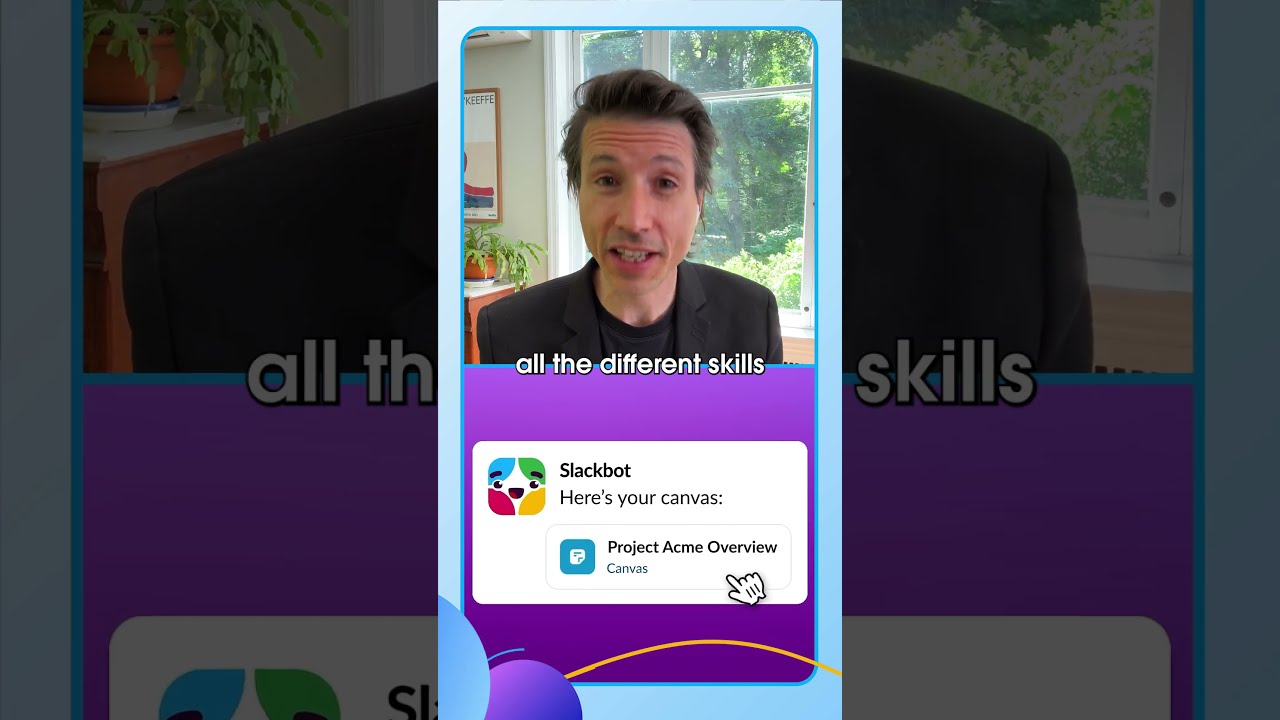
I think that Slackbot is a fantastic example of a harness. Under the hood, it's leveraging Anthropic models, But what it's actually doing, it is having the context of all your conversations that you're having, all the different channels that you're in, the different types of actions and tooling and agents within Slack, all the different skills that you have in Slack. And it allows you to do very complex things very quickly.
We now have more and more kind of complex harnesses that help manage access to tools for the agents, that help manage access to data. That give you better interfaces for working with, with the LLMs.