What Are You So Afraid Of? Ben Sharf on Fear, Failure, and Feeling Like You’re Never Enough
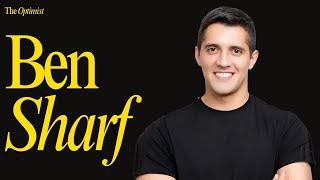
In this interview, Ben Sharf shares a candid narrative of his journey from a traumatic hockey injury and a demanding collegiate career at Colgate to confronting deep‑seated fear of failure and insecurity. He explores how early experiences, social‑media comparison, and societal pressures shaped his self‑doubt, and how therapy, mindfulness, and reframing failure helped him regain presence and trust. Ben discusses practical tools he uses to combat fear, including a 300‑item goal list, the metaphor of life’s lanes and seasonal cycles of hustle versus hibernation, and an entrepreneurial mindset that turns anxiety into action. The conversation shifts to his content‑creation philosophy—identifying a clear audience and delivering value—and culminates in his definition of modern masculinity as living unapologetically in one’s truth, leaving a purposeful legacy. He closes by outlining his online presence (@bensharf on Instagram, LinkedIn, and the Turning Pro Podcast) and encourages listeners to embrace vulnerability, continuous learning, and self‑authenticity.
Chapters
Everyone knows that the narrative that you see on social media oftentimes paints a picture that is unattainable.
Yeah.
Yet you still fall into the trap of like it affecting you.
Yeah. This is Ben Sharf, co-founder at Platter, host at Turning Pro Podcast, and incredible content creators. There are seasons to hustle and there are seasons to hibernate. If you're hustling, you fucking hustle. You go monk mode, you get locked in, you do your thing. But that cannot last forever. You know that. Okay. When it runs out, like flow with it, let it run out.
I think most entrepreneurs have a fear of inadequacy. I just think majority don't talk about it because you want to be able to control your own destiny to try to solve whatever this like hole is inside of you.
I would ask myself often like, why do I feel I need to change the world and like build the biggest startup? And I would tell myself it's because I wanna like see what I'm capable of. And the deeper question is like, is there an insecurity that's driving that?
I don't think you should go into therapy thinking that it's gonna solve your problems. I think that therapy is a great way to process your thoughts. It's the only person in your life that doesn't have a preconceived notion of who you are, how you are.
I got one PM from one woman. My son died one year ago yesterday on his 30th birthday. I have been a mess, as you can imagine, ever since. Your video has been the first thing I've seen that's motivated me to like take a next step, and I'm going to now make a list of 300 things to do before I die and dedicate all 300 of them to him.
That just gave me chills.
I got chills saying it out loud. Who's the most secure man that you know?
Now that you ask that, it's probably men who really don't give a fuck about social media.
All right, Ben. So we first connected online probably a year ago now, maybe 2 years ago, something like that. First time we're meeting in person. So it's a very exciting day for me. I hope it's exciting for you. Thank you for coming to LA for this. I want to just kick off by going right in to today's topic, which is what are you insecure about?
I, I think about this often. I think there's an answer to that question that you want to convince yourself is the reality. And then there's like the actual reality. And I think for me, the fear of failure is something that drives me. It's something that I've known my whole life. It's something that I've faced head on. And for whatever reason, like, it's that inner demon that always comes back up.
Yeah.
I think I've always been someone who always tries to do more, right? It's like you stop working, you're like, but I have to send that extra email or I have to call that extra person or do that extra rep in the gym or whatever, because I always feel like I'm not doing enough. And so I think It definitely doesn't come from a place of positivity all the time, but it's something that I work on often. And I think the biggest challenge that comes from that is not being present sometimes because you're always thinking about like the next situation because you're scared of being insufficient or inadequate.
I'm sitting here thinking, fuck, that's me. And I know anyone listening is like probably thinking, that's me as well. I'm really curious, kind of a two-part question to kick this off is how old are you now?
29.
29, cool. When did you realize that this was a thing for you? Like, oh, I've got this fear of failure and like where did it come from? I think for a lot of us, dad, mom, some version of that or whatever. And what was your journey like in realizing I have this, I gotta do something about this. 'Cause I think a lot of people are starting to realize like, I might have this fear of failure, I might have this something going on, and I should probably look inward and do something about this.
I was 15 years old. I was playing hockey.
You played at a high level, right?
I played at a very high level. And at 15 years old, I ruptured my spleen playing hockey.
Jesus.
And yeah, I don't have to go into the full story of what happened there, but very much a near-death experience. Who'd you play for at the time? I was on a team called the Amherst Knights. It was a team in Buffalo.
Okay.
Just like a local travel team. Yeah. And I ruptured my spleen and I was out of hockey for 9 months after that. I had played with the same group of kids from the age of 7 up until 15. And it felt like every single year you'd show up to tryouts, which was kind of just like all the boys are getting back together. The new season's about to start. I ruptured my spleen. I couldn't participate in tryouts that year and I got cut from the team. And it was one of those moments where I think you kind of took for granted, like being on the team and it was like, oh, another year, time to do the same thing we did last year, except we're a little bit older. And these were my childhood best friends that I spent every single second of every day outside of the rink with, at the rink, on the road to tournaments, whatever. And then I was the one kid that got cut from the team. And I ended up— so I was on a AAA team at the time, which is just like the terminology is like the highest level for like the minor league hockey. And then I got cut from that team and ended up having to go join a AA team in a town that was like 30 minutes away from where I lived. And that was one of the most devastating moments for me as a kid. I think at that age you don't necessarily— your brain is not fully developed, so you can't I totally internalized like what's going on. But in that moment, like it was one of the hardest things that had happened to me. And then looking back now, I think it's actually a big reason I got to where I got to, but not necessarily for the healthiest reasons, because I think once that happened, it basically lit a fire under my ass that I wasn't good enough. Um, and it was kind of that moment in my life that drove me to just like always want to do the most in everything that I ever did. And look, fast forward through that hockey journey. Not that it like matters, but I ended up playing at a higher level than all but like 1 or 2 kids from that team that I got cut from. Yeah, because it just— it was something that stuck with me every single day through my entire hockey career. And then I got to Colgate where I played Division I and my freshman year I played 8 games. For context, we play like 37 to 40 in a season depending on like kind of where you net out. And I played 8 games. And after my freshman season, I was doing an internship in New York City and I was sitting— I'll never forget, I was sitting on the couch of my best friend's apartment in New York and my assistant coach called me and he asked me, how do you think your season went? I was like, well, if I'm being honest with you, I, I wish it went better.
Like, fuck, why are you asking me this?
Yeah. Like, I, like, I would have liked to play more games, but, you know, would love some feedback on what I could focus on this summer to, to figure out how I could put myself in the best situation to succeed. And I was waiting for a response, and he goes, do you want me to be honest with you? And I was like, yeah, absolutely. He goes, you're not big enough, you're not strong enough, your shot's not hard enough, you're not fast enough, and you have a bad attitude. So I would take a long, hard look in the mirror this summer and decide if you want to return. And if you do, what kind of teammate and person do you want to be?
Ooh.
And I hung up the phone and started crying and called my mom and said, I'm quitting hockey. I hate this. Why the fuck would I show up every— because the thing that some people know and others don't, when you are on a team, especially Division 1 team, it doesn't matter how many games you play, you are still working equally as hard and having to devote as much of your life as the guy next to you. Yeah, it can be a lot harder to justify doing that when you're not seeing results on the other side of it. And so Playdate Games, uh, that summer really was like, I don't know what I want to do. And I decided, you know what, I'm going to stick with it for another year. Came back sophomore year, played like 34.
I need to jump in on that real quick. Why'd you stick with it when everything it sounds like was telling you to quit?
I think it was, it was the fear of failure. It was like not wanting to give in when there's other people telling you you're not good enough. Cause at the end of the day, like it's, it's the self-talk. Like it's, you are controlling the outcome at the, like at the end of the day, it's really what you decide to do with the situation at hand. And I think there was potentially an element of like identity in that moment where I'm like, okay, I did this for my whole life. I don't actually know what a world looks like giving up the thing I've done for 20 years and coming back to this school where, as you know, like freshman year you form like deep relationships that typically end up being the kids that you like stick with through your time. I was best friends with the hockey kids, so I'm like, what, now I'm going to go back sophomore year, be the kid who's friends with the hockey team, but like not on the hockey team anymore? And I think there was just— it felt really scary to give— get rid of that versus just accepting that it might not pan out the way you want it to, but like you're still committed to something with people that you want to be around and for whatever reason, I just decided, you know what, I'm going to stick with it and went back sophomore year. I played 34 of 37 games, was a depth guy, so like didn't play much, but like played most games. After my sophomore year, that assistant coach, by the way, was the one who recruited me to come to Colgate and then also said that to me after my freshman year, uh, left Colgate. And then my junior year, I played every game, was a depth guy again, but at this point, like, had kind of established my place on the team. And then fast forward to senior year, I started the season on the third line. We played 5 games. We started the season 1-4. At this point, I was a senior, was established in the locker room, had a lot of respect from people, and went up to my coach after practice one day and was like, I know you're going to look at me with 10 heads when I say this to you, but I have nothing to lose because you know me, I know you, we have a relationship. My roommate and best friend from college, who was my roommate for 4 years, was the best player on our team. And I went to my coach and I said, put us on a line for one game. I know him better than anyone else on this team. And he looked at me with 10 heads, as I expected. So like, let me think about it. I'll let you know. Ended up putting us on a line together that next game 2 days later, and we never spent another shift apart. And I ended up leading the team. We tied for the team lead in points my senior year. I signed with an agent, was planning to play professionally, which was never a reality. My freshman year, we beat Brown in overtime in the first round of playoffs, and then 2 days later, our AD walked in the locker room and said, your season's over because of a global pandemic. So there was this element of failure or fear, like the perception of failure when my coach is telling me that I'm basically a shitty person and suck at hockey. And then there's an element of like I was finally living out my childhood dream and then an external force was the reason that that ended.
Mm-hmm.
And I just think looking back, it was like this journey of up and down and adversity, which is very normal in doing any hard things. There's an element of adversity with it. But I think for me, like the trauma that I felt in these different like moments throughout my hockey career, I think persisted with me and do persist with me in like everything else I do in my life, which is why when I go into entrepreneurship and start a company, it's like you never wanna give up. You can't imagine putting in all this time to something and then failing at it, right? 'Cause like that's how I pictured it with hockey. It was like, imagine my freshman year, I did quit after the season. It's like I spent 20 years to just pack it in and give up. I think about that in relationships in my life. Like the thought of I'm gonna date someone for 3 years and then it's gonna crash and burn and then it's a failure, or I'm gonna start a company and it's not gonna work after X amount of years, or I'm gonna build friendships or anything. And it's like all roads lead back to like the underlying fear of failing at something. And I think the, the most frustrating part about it for me is that I, I struggle to be present in situations and I struggle to like enjoy every moment of things I'm doing because I'm always fearful of like failing at the next checkpoint along that journey in whatever direction it is.
If you were to sit down for a beer right now with that assistant coach, what would you say to him 10 years later?
It's like, for context also, he's now the head coach of Colgate hockey. Um, and I haven't— like, I'm someone who wants to support like my alma mater, like there's an element of this where like he was the first coach to take a chance on me, uh, to play Division I hockey. And like, I honored the fact that he was first, which is how I ended up at Colgate. So I think there's an element of me that wants to forgive and move on. And there's an element of me where I just feel like I was set up for failure because of it. I think if I were to fast forward, cause it's been now about 7 years. Um, if I were to fast forward 10 years from now, I think that I, I like to think that I would be able to swallow the pill of what happened because the truth of the matter is that I wouldn't have ended up living the life that I did without this one individual. Right? Like I'm someone who obsesses over thinking about if I went left instead of right in any micro situation in my life, how it could affect everything else differently. Right. So like the fact that he's the reason that I ended up at Colgate is the reason that I ended up with the best friends that I did and the opportunities that I did. And so I think I'm grateful for that. But it's hard for me to, I guess, get over it entirely if, if there's no sense of like meeting me halfway and acknowledging it. And it's not even because I'm asking him to validate me because my hockey career is so far over. But I think there's like having conversations like this maybe makes me realize how much more it affected me way beyond hockey where it's like, I guess what I would say to him is you need to understand that the actions that you take and the things that you say to kids, especially like college kids, they, those moments live with them so much further than just like the heat of the moment about the win or the loss of the game that we're playing right now. And I think when you're a coach, you don't necessarily think about that because your job to win hockey games.
Yeah. Hmm. When you got the call from him, talk to your mom, took some time to kind of figure out what do I do next? Like, what went through your head? Because I think some guys would be like, okay, I'm the smallest, the slowest, the weakest on the team, the worst attitude. Fuck you, watch me. And then now you've got a fire lit under your ass to go hit. And it's like every Rocky montage scene out there. We're now someone opened your eyes, like your ego was hit so hard, you're like, I need to, I need to actually step it up. Or some guys would be like, ego's too big, fuck you, I'm out. I'm not going to— I can't handle it. And they do quit because no one can talk to them that way. It's pretty, pretty lame mentality in that regard, which you didn't do or something else. What would happen for you there?
I mean, I think it's what you just said. It's like I— my dad was a competitive athlete. Like, I was raised a certain way. And I think just packing it in and telling someone you won. Like, that's not who I am. That's not who I will ever be. It's not how I was raised. And I think that it all stems back to like, I fear failure because I never want to endure failure. And so in any situation where I have the choice to not fail, I won't fail, which can drive you to places that aren't necessarily healthy. Yeah, right. But the dialogue around the health behind decisions I make or things I do is a whole separate conversation from just like the objective decision that I made, whether it was like for good intentions or bad intentions or whatever those implications were. There was no scenario where I could look at myself or live with myself being like, yeah, you were right. Like, I wasn't big enough, I wasn't strong enough, so I'm just going to quit and walk away. I decided that the only thing I can control is my work ethic and my, my head coach who was there for all 4 years. I probably still have the text somewhere in my phone. Send me a text message senior year after I scored an overtime winner against Harvard and apologized for wasting the majority of my career at Colgate.
Do you think it was a waste?
I think— I don't think it was a waste. I think in his mind, him saying it was a waste was more so that he felt like he left so much potential on the table and he was kicking himself for taking 3 and a half years to, to find that. And part of that was obviously the relationship with the assistant coach.
Yeah, kind of like a Rudy story, not that dissimilar, minus the pandemic and the being carried out onto the field by all your teammates. Um, I don't want to ask this because it's a very, very generic podcaster question, but like I will ask it because maybe it'll tee us up for the next big piece, which is, what was your biggest failure then? Because I'm really curious where the fear comes from and how you have grappled with that.
I mean, to be honest with you, I feel like that to me, because I think, I think failure is also subjective. And so what I might deem to be my biggest failure, some might be like, you're crazy, that isn't. Yeah, but I think that moment of like getting cut from my hockey team, I would say, is the thing that like has affected me the most. I don't— I really don't try to spend time like dwelling or reflecting on failures because I think that it's all part of the journey of like continuously making progress. But I think it's the fear of failure for me is basically just like recalling those moments where you had a goal and you fell short of it and you can't grapple with like why that happened. And so I think it's, it's like this weird dichotomy that's hard to articulate where I understand that like all you control is your inputs and there are a lot of elements of outputs that are out of your control. And so at the end of the day, like, if you're honest with yourself in terms of like, did I, did I act with integrity? Did I work hard? Did I do all the things to set myself up for success and it still didn't end the way I wanted to? Is that still, is that a failure? Um, but I think the problem is that the fear of failure in my mind is just like this idea that like lives in the ethos. So you can't, it's not necessarily like attainable.
Yeah.
Right. So my example would be like, starting a company 5, 6, 7 years after starting it, it goes under and you have no outcome, whether that's financial, whether that's just like social validation, whether that's accolades, whether that's relationships moving forward. Like, I think my fear of failure is irrational and like, I know it's irrational, but that doesn't mean that I've been able to like quiet those demons in my mind, if that makes sense.
Yeah. Do you feel like you're always failing? Conversely, do you ever feel like you're winning?
Uh, to the, to the point around do I feel like I'm always failing, I think that's something I do which, uh, isn't great, is that I always look through the lens of like what could have been better. Yeah, right. So if I do some, like, you know, I ran the New York City Marathon.
I was just gonna bring up like endurance sports is like the biggest.
I ran the marathon and I ran it in 4:06 and my goal for the marathon was 4 hours.
Yeah.
No basis for other than like, this is what I want to do. So then you ask the question like, okay, well, did you fail? Like some people never run a marathon in their life. You never thought you could run one and you did it, but you didn't do— you did it 6 minutes slower than you would have wanted. So did you fail?
Yeah.
Like, yeah. But again, it depends who you ask. Value is subjective. But at the end of the day, it's your own inner demons that are driving how you think about situations, how you respond to situations. I don't really know, like, I don't know why I haven't been able— it's just like this. I don't know why I struggle to combat this. Like, I think it's just this feeling of uneasiness with anything that you do. I do have like, it needs to be a little bit better or like I should be doing a little bit more. And it's like this perpetual cycle. And it's like, well, why do you think you need to be doing more? Because I don't think I'm doing enough because I feel inadequate. And why do I feel that way? Because I'm scared of failing. And it's just like this cycle. And I talk to my therapist about it all the time. And it's kind of just— I feel like everyone has that inner demon that they're fighting, and some people just won't admit it, and some people aren't honest about it.
For the dude who, um, let's say he's 5-ish years younger, so early to mid-20s, hasn't started therapy yet, but is exactly like you and all these things, what would you say to him?
Start therapy for sure. I'm a huge fan of therapy. I don't think you should go into therapy thinking that it's going to solve your problems. I think that therapy is a great way to process your thoughts with someone. It's the only person in your life that doesn't have a preconceived notion of who you are, how you are, because every relationship has implications. Your partner, your parents, your siblings, your friends. Your teammates, whatever. A therapist is someone who objectively just has the information that you give them. Yeah, I don't think that there's like an end goal with therapy. I think it's an ongoing thing because I also think that the goalposts are always moving in your own life, right? Think about in any, in any bucket of your life, let's take financial wealth for example. You might be striving to something today And if it's like a finite number, if you get there, you're probably going to be like, all right, well, like, what's the next number? Or like building a business. And it's, it's an unhealthy trait. And I think that's actually a through line with a lot of entrepreneurs. Yeah, I think most entrepreneurs have a fear of inadequacy. I just think majority don't talk about it because you want to be able to control your own destiny to try to solve whatever this like hole is inside of you. I think therapy is something that everyone should be doing, but I think people also have to understand there's levels to therapy. Like, it doesn't have to— you don't have to be on the phone like crying for an hour with your therapist. You could just be like, hey, I have this thought in my mind that I want to get off my— get off my mind. I think I process better through communication verbally, which is why I like therapy. Um, I'm not someone who— I've tried to be a journaler. It's just like I'm very inconsistent with it. I, I think I articulate my thoughts much better verbally than in any other medium. So I think for that reason, like a video chat or an in-person conversation with a therapist is like the most effective form for me.
Yeah. I was talking to a friend recently and she— we're talking about dating, uh, like the topic of dating. And she was like, dated a lot of very high achieving men who run businesses or like mega exec type roles, super obsessed with their health and fitness, just like dialed in all around. These are what social media will call like high value men nowadays. I don't really like that term very much, but she was like, and they're all so fucking insecure at their core. She's like, you don't think they would be? They seem really confident on the outside. And then she starts to get to know them and she's like, I'm dealing with my own issues in dating these men over and over and over again and breaking my own patterns that I keep attracting that. But like, regardless, and I heard that and I was like, damn, yeah, because I'm like, who you calling? I'm like, I think I'm that guy. And it's been really fascinating lately thinking just about the term insecurity in so many contexts. Like, am I insecure in relationships? Am I insecure as a founder? Insecure as a, as a friend? As a as just a guy who shows up at a restaurant, in the gym, back to the locker room when I played hockey as a kid, fucking in the terrain park competing on a snowboard, like you name it. So looking around at like homies, people you know, people we talk to, maybe yourself, friends, family, et cetera, like what's going on here? What's your take on this?
I think that social media It's, it actually, it's a good, I think there's a good comparison to the story that I told where it's like, I understand that this concept around fear of failure is like somewhat unattainable in terms of like resolving it. Yet it's still a thing that like haunts me. I feel that way about social media where everyone knows that the narrative that you see on social media oftentimes paints a picture that is unattainable.
Yeah.
Yet you still fall into the trap of like it affecting you.
Yeah.
I think that it— people then get stuck in this game of comparison, in this game of inadequacy, and you will always find someone with more money than you, someone with more friends than you, someone with a hotter girlfriend than you, someone do always a little bit more than you in whatever category you want. Go on social media, you will find someone that has got a little bit more than you in whatever it is.
Yeah.
And I think that perpet— that feeling is the feeling that ends up living inside of you, and it's a feeling that you will never share with other people because as this high-value man, it's really uncool to share that you also are human and that you also feel insecure.
Yeah.
And so how you channel that energy is probably to the likes of a girl goes on a date with you and she really has to dig deep to like learn who you are because it's like anytime you're doing something that someone else sees, whether you're at the gym, on a date, posting on social media, you have it all figured out. And then it's like you go behind closed doors and someone's like, holy shit, I didn't know that you also deal with that.
When you think of— when I ask like, who's the most secure man that you know, who comes to mind? Like, tell me about them.
I think it's honestly, it's probably— now that you ask that, it's probably men who really don't give a fuck about social media. I think, I think there's like such a correlation between how much you care about social media and how secure you are. And then I think the other piece of it that I'm thinking about is I think men who are more present are more secure. Because I find that lacking presence stems from insecurity because your mind is somewhere else. And I think if you're occupied— look, things happen one-off, you know, whether you have this important thing you need to get done for work or you were in a fight with your significant other and like that will consume you. But if you think about it over like a long time horizon, I believe that if you're not present, it's because there's something weighing on you that probably stems from some insecurity somewhere, because for whatever reason, you couldn't just like put that aside for the time being and be like in the moment. But I think insecurity or being secure coincides with trusting yourself. And if you trust yourself in the present, you're not going to be stressed or worried about something looming elsewhere.
There's this dude I know who comes to mind. I'm not gonna name him, but he's the fucking man. I haven't talked to him in years. Went to college together. I follow him on social media. He's got like 400 followers, 12 posts ever. Just like that dude. He's not on social. Um, he's tall, but he's not the most jacked. He's got a good job but doesn't have the best job. He has a beautiful girlfriend, but she's not a model. He's got— makes good money, but he's not rich. Kind of everything in his life is like very much in balance and all of it's like pretty good. Happiest dude in the world, most secure dude in the world. So in his mind, I imagine, I don't know, I haven't dropped in with him yet, but like in his mind I imagine he's like, what do I have to prove? Who do I have to prove myself to? I don't need the fucking, I don't need to change the world with some startup. I don't need to raise $20 million. I don't need a model girlfriend. I don't need a penthouse in, in Williamsburg, like, got nothing to prove. And he's just, he's just good. He's happy as fuck. And the phrase that comes to mind, I hear this from women a lot these days, is like quiet confidence. They're like, the hottest thing in a man these days is quiet confidence. Like, he doesn't need all this external validation. He's just like good and strong on his own. I think about that a lot. And I think to myself where I'm like, there was a whole chapter in my 20s, and I think I'm, I'm out of that now, but I think about this pretty regularly where I would ask myself often like, why do I feel I need to change the world and like build the biggest startup and like live this huge, epic, incredible life? And I would tell myself it's because I wanna like see what I'm capable of. I want to experience the max that I possibly can in my like one little precious life here, which is beautiful. I still believe that. And the deeper question is like, is there an insecurity that's driving that? Is there a fear of something, whether it's failure, abandonment, or insert therapy term here, that's driving that? And I don't really know right now. That's probably next week's conversation with my therapist.
Yeah, yeah.
But, yeah, I don't know. What's your take on that? Or your version of that.
Yeah, I mean, I, I actually want to push you on that a little bit because I'm curious. I know you did like the 300— you put together that list, like the 300 things you want to do before you die.
Yeah.
Is it a life worth living if you're living life to check a box?
Great question.
Like, are you gonna get to the end of that 300— let's say you complete the 300 things on your list— is it going to be this feeling of like, okay, my life was lived? Or you're like, I kind of feel empty because I feel like I kind of forced a square peg into a round hole and kind of eliminated this element of spontaneity and curiosity.
Yeah.
Because I bottled it all up at, I mean, let's, let's assume this list lasted the next couple of decades.
Yeah.
Like you bottled it all up at such a young age to be so rigid. Like these are the things I need to do. I didn't just like go into an open field with no phone and decide, like let the grass tell me where I'm going to go and like explore. It was like, no, I have to, I have to go to that hill because I told myself at this age that like number 276 on my to-do list was like stand on the top of this hill.
Totally, dude. Great fucking question. Thank you. In the top right of the poster that I made, it says like the point of this list is not to check boxes.
It's to forget the exact line, even though I wrote, but there's a line there.
That's what matters. I didn't know that. Yeah. And I, um, it says like the, the point of this list is not to check boxes, but to like live a beautiful life of incredible adventure and like curiosity and et cetera. That's a big reason why it's 300, because like 100, even 200, is attainable in a lifetime. 300, like, I look at this list, I'm like, there's no, there's no fucking way anyone can do all this in a lifetime. Even if you like did the math and were like, if I lived to 90 and I, I would have to do 2 a month for the rest of my life, it's like, great, but some of these are like, you can't just do it in a month. One of them is like donate a building to my alma mater. Another one's like you know, start a scholarship fund for like children in need, like around entrepreneurship. And it's like, and then there's small things like go to the smallest museum I can find in a day and like write a poem about it. I don't know. And so it's like, the point is I don't wanna finish the list. Like I need to die in the pursuit of finishing it. I also purposely added 100 lines that are blank to add stuff along the way. So let's say I'm like climbing Mount Everest, to check, and I should get to check off that box, and it's a good fucking video clip to be like, check, content. Yeah. But I realized I see that mountain over there too. That's K2. I want to climb that one next, but that wasn't on my list. I can add it. Um, but yeah, I mean, I think it's— there, there is definitely a conversation to be had around like goal setting living, you know, being like, "I'm gonna go raise all this money. I'm gonna build this company. I'm gonna like move to the city or whatever. I'm gonna surf these waves. I'm gonna lift this weight." And like not being open then to like what comes up along the way. A story comes to mind, and I've been thinking of almost like a tattoo that I could put on my body for this one. But I remember early COVID, I had a new girlfriend at the time, and I was so obsessive. And I was talking to my dad about this, about like, What are the steps we're taking in the relationship? Like, we've been dating for 6 weeks now. Like, are we boyfriend and girlfriend? I was in flux in Colorado, even though I lived in New York. Like, I was just out of the city, right? And her and I were just kind of like doing the dance and not really making plans. And I needed the plan. And my dad was like, you know, what's going on? Like, why are you freaking out? I was like, well, like, it's hard for me to relax if I don't know, like, am I going to move to Colorado for this girl? Is she going to move to New York with me? Are we like gonna be exclusive? How do I sleep at night? All these things. And he's like, dude, dude, relax. You're fucking flying in the left lane with your hands so tight on the wheel with your GPS already plugged in to exactly where you need to be. Where the fuck are you going? Like, where the fuck are you going? And why are you in such a hurry? 25 years old. And she's in the right lane having a great time, driving at her pace, enjoying the view, happy as a clam. And you're, you're getting all anxious about it. So how about this? Stay in the driver's seat, maybe go into the middle lane, slow it down a little bit. You don't— if you don't want to slow down that much, the right lane, go in the middle lane. Turn off the GPS, keep your hand on the wheel but loosen the grip a bit. And if you see an exit that looks exciting, like, go take it, poke around. You see a coffee shop that looks good, like, go try an espresso, and then get back on the road and like keep it going. And sometimes my dad gets in that like, um, inspiring voice. It's nice to hear that still as he's getting older. Um, I love that because I catch myself all the time in this like left lane, so tight on the wheel, need to get to this destination. If it's not my way when I need it, it's a problem. And then it's like, wait, just relax a bit.
So the, the question to me then becomes like, how much time are you supposed to spend in the right, middle, or left lane? Or is it choose your own adventure.
Beautiful question.
Um, is there a time and place to be in each of these lanes? Do people who spend more time in the left lane end up with a lot more insecurities than people in the right lane, but the ambition levels are higher? It's like an interesting philosophical—
I was just gonna say, like, we're getting philosophical here.
Yeah.
I— another friend of mine— I share so many like little stories and anecdotes— another friend of mine said to me years ago where I was like, dude, I'm I'm like, I'm so burnt out. I said, this is damn, like, I'm so burnt out. I've been grinding for like 6 months non-fucking-stop, but I'm just like, I'm so exhausted. I'm so uninspired right now. This is where I'm at. He was like, yeah, man, there are seasons to hustle and there are seasons to hibernate. That's like a really important learning in your 20s. Next learning, you need to now learn, one, how to recognize when you need to be in each season. And then two, you need to be in that season. Like, if you're hustling, you fucking hustle. You go monk mode, you get locked in, you do your thing. But that cannot last forever. You know that. Okay, when it runs out, like, flow with it. Let it run out. You don't know if it's gonna be 3 months or 6 months or 2 weeks or whatever. Then it's time to hibernate again. Hibernate, rest, recharge. Don't fucking freak out if the numbers aren't growing like crazy. Do you have investors? No. And he's like, then who are you reporting to? Hibernate. And then when the time is right, like, let the— let it flow. Let the creative process settle. You hustle again and you'll be rested and recharged. And, uh, I'm in that right now. Like, I just did a 6-week hibernation, kind of did nothing, just like the bare minimum at work. Now I'm firing again. Time to hustle for the rest of the summer. But like needed that. So the left lane, middle lane, right lane, I think the play is like just kind of let it flow. If you're like flying in the left lane and then there's some traffic ahead, you gotta hit the brakes to slow it down, right? And like go into the next lane over. And if there's wide open road and you're, you're like caffeinated and you're ready to rock, get back in the left lane and cruise and, and be in the, like, be in the lane though.
I think it's trusting that you're where you're supposed to be.
Namaste.
Yeah, it's— I, and I think that, you know, we started this talking about the fear of failure, and I think it goes back to the trust thing, because if you trusted that you were doing the right thing in that moment, like, there's nothing to be fearful of.
Are you good at that, just trusting you're right where you're supposed to be? No.
Yeah, but I think that is— it's another way of saying that, like, the fear of failure is something that always drives me, and I think it's, it's a trust thing, But it's, yeah, it's an ongoing, it's an ongoing conversation with my therapist all the time because I think wanting to feel more at peace while doing things is something that I like strive for. Um, but then there's also like the thrill of doing things that like make you uncomfortable, you know, like the marathon or these other physical pursuits. Like you push yourself to extremes that are not designed to be comfortable.
Yeah.
But it's like create a life worth living. And if that's the way that you think about it, like I wanna push myself, whether it's physically, mentally, or any other form, being largely driven by curiosity, which is something that definitely is true for me. I think it's just, it's a pendulum. And it's the same thing around like which lane should you be in? I think it's knowing like time and place for what type of life are you living.
I'm gonna like, I'm gonna throw something out here. You might get a little shocked. It's a little bit adjacent, but I think it's important. Let's talk about menstrual cycles for a second. A couple years ago, I learned that there are 4 stages to a menstrual cycle. By the way, men, fucking learn about this stuff. You will become a much better partner to the woman in your life and a much better brother to your sister and friend to your female friends and a son to your mother. Learn about the menstrual cycles or the stages of the cycle. Anyway, so I got really curious about like, okay, there's all these 4 stages that women go through on a roughly 27, 28-day basis. And that has a profound impact on their energy levels, their focus, etc. And the context I was learning this was at work, because in America, the workforce and the world of work was designed around men— very patriarchal thing— which is a 24-hour cycle, not a 27, 28-day cycle. It's why, like, we start work at 9 AM and we end work at 5 PM. It's when the bell starts at 9 and it ends at 5, and then we go to the bar after for happy hour, and it's Rinse and repeat 5 days a week. So I got curious about that. I was like studying it, like, what's the men's cycle like? So men, biologically, we have a 24-hour cycle. So we wake up in the morning, adrenals are firing, and that's a feature, not a bug. So when you wake up in the morning and it's like 5 AM and you're like so fucking anxious, I gotta go start my day. I have a really hard time with mellow morning routines. A lot of guys are like, meditate first thing, cold plunge, etc. Like I have a really hard time just going into, waking up and like not going straight into task mode. And so I noticed maybe a year ago, like my pattern is like I wake up and I'm like firing. I need to get my tasks done and get shit done till around lunchtime. Then I start to crash. I eat my lunch, I wake up again, get more stuff done, usually more like creative type work. And then I crash hard at the end of the night, and then I can get into like more soft, flowy, lighthearted stuff. I've tried to record these episodes in the morning. I can't do it. It has to be like afternoon or evening for me. I can't like have this conversation in the morning when I'm like, there's 17,000 emails in my inbox that are tactical and need to get done. And I'm here talking about my feelings on a podcast, like irresponsible. What I'm really curious about is on the topic of ambition, fear of failure, insecurity, as we've discussed a little bit. Like, do you notice your sentiment, mood, emotion, etc., changing throughout the day? And how do you manage that versus being a patient to it, being a recipient to it?
It's something actually that I've spent a lot of time on over the last 6 months, in the sense that I I, I wasn't thinking about it, or I struggled to identify like what were the patterns that were causing me, uh, moments of angst or stress, and why, where was it coming from, and how can I like change that to— I think the way that I would describe it is, uh, being proactive instead of reactive to how you spend your day. And I found that previously, I would wake up in the morning, I would like go to the gym, and then I would come home and be home like 10 minutes before my first call. I would like run in the shower and like run to my desk and then just be on calls all day.
Yeah.
And my brain was an absolute ping pong ball.
Yeah.
And that was like so bad for me because then I would get to the evenings and I would be so anxious, so overwhelmed. Have like a to-do list full of shit and like felt like I didn't do anything all day, but I was talking to people. And what I— so then what I realized, two things. The first one is that I have to ease into my mornings. It's not about like I need to red light and then journal and then cold plunge and then meditate. It's that I just need to know that I don't— I can do whatever my body or my mind is wanting to do in the first couple hours that I'm awake. I typically do a morning workout. And then beyond that, it, it varies. I'm not— I used to be the person that would try to have some strict morning routine. I'm sure you could assume. And I realized that instead of like forcing myself to do things that felt like work or like meditate, even when I don't want to, or journal even when I don't want to, it was more like, this is your plate of options of things you can do depending on how you feel and don't put so much pressure on yourself. And now, like, I really don't start my day productively until like 10 o'clock, which is pretty late. I wake up between 6:30 and 7, so it's not like I'm sleeping in late. I just— being able to ease in my day, into my day, and having control over it has been so helpful for me. And then the second piece of it is limiting the number of meetings that I do in a day. In the early days of building Platter, if I could fit 12 meetings into the day with like prospects or whoever, like I would, and I— there was no questions asked. And I realized that the, the back-to-back meetings for an extended period of time was the fastest way for me to just go off the rails and be so anxious and overwhelmed because I'm so overstimulated, which is ironic because I'm an extroverted person. But I feel like I'm an extroverted introvert where like I do need my time to recharge. And if I hit that breaking point, it's pretty drastic. Yeah, it's not like this gradual decline. It's like you break and then that's it. And so I think for me, in terms of just thinking about how I spend my days, it's like the mornings I protect. I'm more conscious about how many calls I'll do in a day. And then in terms of time of day when I do deep work versus creative work, I think having the freedom to just do whatever I'm feeling, it's like these are the things you need to get done today or directionally, like here are like the hard tasks you need to do, here are like problems that you should probably think about today. As long as I can get to the end of the day and be like, I talked, I thought about these things, I talked about these things, I did these things, I don't care which ones I did at 11 AM versus 2 PM versus sometimes 11 PM. I try to just let myself go where I'm feeling like I'm gravitating towards.
Yeah.
Um, and that's part of like trying to put a little bit less pressure on myself to like be so rigid and like follow this routine because it's always— I feel like I lived that way for my whole life being an athlete. And like when you're in school, you only have so much free time and it's just everything is so like one after the other, the next. And I think over the last year as I've started to flex my creative muscle a little bit more, I've realized that like you can't really force creativity.
Yeah.
And I think that has probably influenced how I think about like prioritizing time in my day.
I think you perfectly just described how you are moving between right lane, middle lane, and left lane wonderfully. Um, I can relate to a lot of that. My biggest thing in the last year, really just a few months, was turning off notifications everywhere. I would wake up and I'm on the West Coast and a lot of my clients and team are Europe and East Coast. So if I go to bed and like clear out inbox and Slack at 11 PM for me, First of all, I'm up till 11 or midnight clearing out shit that like I missed the last few hours when I was doing dinner. I'll go to bed and I'll wake up at 5:00 AM. Just this like anxiety that wakes me up that there's probably shit that I'm missing right now. So I only got like 4 to 5 hours of sleep and I wouldn't even move, my face wouldn't even be out my pillow yet. I'd open up Slack and I'd be scrolling and responding to like 6 messages. That in the moment feel like doomsday, dire. There's something about that, like, if you stay in bed in the morning and let your thoughts run, it's really dangerous. Like, I found if I just literally stand up, like, all of a sudden these like fucked up thoughts in my head about how horrible everything is just like washes out of me. And then I realize it's actually not that big of a deal. This person who like asked for that logo file sent to them, like, isn't mad at me, doesn't need it right this second if I get it to them in an hour. It's okay. But I do that at 5 AM, and then I'd be on calls all day, and all these notifications are coming in, pulling my attention. It was getting worse and worse and worse. Next thing I know, it's 3 PM, and I'm like, I can't even speak. Words are not coming out of my mouth properly, which is like, am I going to do this for the next 40 years of my career? It's only getting more intense with more and more screen time. Finally, one day I was just like, fuck it. It was my birthday, actually. Someone was like, what do you want for your birthday this year? I was All I want is a day of silence. I'm deleting Slack from my phone. I'm deleting email from my phone. I'm deleting iMessage, turning everything off. Like, if you're gonna call me for my birthday, I appreciate it. I'm not answering the phone. I'll talk to you on the day after. And it was a wonderful day. And I didn't work. I worked out all day. It was great. But like, the next day I was like, what if I made this my reality? Every day I respond to shit when I'm ready. And I'd make time in the day. Now is email time. I will focus and I'll blast through these 30 emails. And I'll get it done in 6 minutes, whereas otherwise those would have been taking an aggregate of 2 hours because it was just— wasn't doing anything. And I noticed my productivity skyrocket. My sleep was better. I was like sleeping longer. I was like, what the fuck have I been doing?
You know what I did all these years? I did it, I guess, 2 months ago. I would say I'm not 100% consistent with it the same way I talked about the meditation, the journaling. I got an alarm clock.
Yeah. Which one did you get?
Lofty.
That's what I got. It's great.
Uh, I was actually sitting with the founder, uh, at an event and we started talking about how he started the company and I bought one that night.
Dude, all their like sounds that they have built in are, are wonderful.
It was more, it, for me, the only thing that I cared about was this idea that I could like digitally set it up so I felt like it was secure and reliable.
Yeah.
And then not have to grab my phone as the first thing I did when I woke up to like turn my alarm off.
Yeah.
Cause then inevitably you're going to go down the rabbit hole of all the notifications and then, well, I might as well clear 'em all out and then I might as well open up Instagram and see what everyone else is doing. And then I'm like, all right, I've been awake for 15 minutes. I've gotten like 500 subconscious thoughts implanted in my brain. How the hell am I supposed to like be sane?
Yeah.
Starting my morning or starting my day. Yeah, totally.
I don't know if this is a flex or not, but like got the alarm clock. I don't know. Maybe 6 months ago, and I was like, no more phone in the bedroom. Going to set the alarm, it's going to wake me up every day at 6:30. I'm going to make sure that like I can start to have consistent wake-up times. And something happened where like between turning off notifications, falling asleep at a more consistent level, really investing in sleep quality, like 8 sleep and the whole 9 yards, I don't set up my alarm clock anymore, and my body wakes up every day at like sometime between between 5:55 and like 6:35 every day of the week. And I think that's like an indication that like I'm in a good circadian rhythm, I'm healthy, I'm sleeping well, whatever. But like, and I realized, I was like, this is the ultimate luxury. This is the pinnacle of life is like you don't need to wake up to an alarm clock anymore. And I thought that used to mean like I could just sleep in till 9 or 10 or whatever and like fuck off and surf all day and like live on the beach in Malibu and just be that guy. And then I realized I was like, no, no, that's actually not it 'cause I'll be miserable being that guy. It just means like, I'm just that fucking like healthy and dialed. I just wake up to it. So I haven't set an alarm clock now in months and I've never missed a meeting in that time, which I think is, is that a flex? I don't know.
Kind of sick. Yeah, no, it is. It is. I, like I typically mornings, it's a trainer at a gym and like the thought of just like not controlling, potentially not being there.
Yeah. I would say like, don't risk it too hard, but sure if I have—
There are days I wake up before my alarm.
Yeah.
But I feel like having that backstop for that is something that I, I just don't see the downfall in it. I guess as an example, it's like, okay, if you're waking up between 5:55 and 6:35, let's say, having a 7 AM alarm just in case you like were really tired one day and like you weren't getting up.
Yeah, yeah.
I don't know. It is kind of a flex though.
Cool. I want to shift gears a little bit as our kind of like last segment and then we'll get into the like legit closing segment. You are building like crazy. Things are growing for you according to your social media. Same with us. Same with everybody. Like we have to put out this story all the time of, you know, we say build in public, but like we're kind of flexing in public a little bit. And we all know that even when we're putting out the failures and the hard days, it's all part of the bigger picture strategy of transparency and vulnerability, which is another element of the flexing in public. So anyone listening, like, guys, there's a lot going on behind the scenes that fucking sucks that we really would never share on the internet. You have a video go viral and everyone's commenting or DMing you and being like, dude, congrats on your success, or you have a big business win, or you put out like a big announcement on LinkedIn, like, so excited to announce X, Y, and Z, and everyone's messaging you like, so congrats on your success. What's going on there for you when you're laying in bed at night, kind of thinking of like, what's really going on?
Why am I doing this? Should I continue to do this? Is there any benefit in doing this? I think it's like the when you're in it doing the thing, it's like one thing. And then when you let those like internal voices creep in, you start questioning it. I think I texted you the other day. I have a friend, ironically, on my way over here to film this, saw that he posted on Instagram. He was featured on the front page of a newspaper. And that headline was something to the effect of like, Founder-led personal brands are like the new wave of business building. And it's like a picture of his face front and center. And I have text messages, me and him, like, yeah, I always question, like, should I be doing this? Why am I doing this? Because it's very, it's very hard to like post your life on the internet. And even it's ironic because you even know that you're not posting 100% of your life on the internet. Like inevitably there's just things you wouldn't share. Yeah, there are some creators who maybe go the, the distance, but like 99.99% don't. Yeah. And I think there's maybe moments where, again, you go back to this like intrusive self-talk of doing a little bit more, wanting a little bit of a better outcome in any situation, and then you question like, is this actually getting me to where I want to go? And I think while directionally you know, intuitively, you know, it's the right thing to be doing. All things we know about today's world of like building a personal brand and just like using media as a distribution channel. Yet that doesn't stop the intrusive self-talk.
Yeah, right.
Like I put a video out and I'm like, why? Like, should I still do this? And then like a week and a half ago, I had like 5 people come up to me or message me like, dude, I was at a bachelor party. And this kid was like, dude, my younger brother loves your content. He wanted me to tell you that. And I started laughing to myself. I was like, dude, I have like a couple thousand followers on social media. Like I didn't, I didn't realize people even like watch this. So I think actually one interesting piece about it is that I think there's a massive discrepancy between the vanity metrics and the actual impact that your content has on people.
Totally.
So. Oftentimes people will start posting content and then stop because they didn't get enough likes or they didn't get enough comments. And that's where like the insecurity of like perception kicks in.
Yeah.
But what I've realized is a lot of my biggest opportunities or relationships or outcomes that I've gotten from social media were with or from people that I didn't ever know consumed my content because I never, never saw them follow me like my, like anything or comment on anything. So I think it's just like this constant battle of trusting your gut that like, you know, directionally you should be doing it, uh, and realizing that people in all aspects of life are fighting like negative self-talk some way, somehow.
Yeah.
And again, I think that goes back to what we said early on is like some people will be, be vulnerable and tell you that's the truth. And there's some people who will just never talk about it.
Yeah. I'll share a little bit of a, like, Anecdote, I had some clips go viral for the first time in the last couple months, and like millions of views basically overnight. Follower count just exploded, like overwhelming amounts of, like, if anyone here is listening and you're like really hoping for the day that your shit goes viral, I'm gonna tell you exactly how it goes. You literally just see that red badge just go like, brrr, and like numbers are flying up firing, and then you get all these DMs and all these comments, all these follows, and you can't keep up with them. And so the scrolling through and being like, I have to somehow reply to all these, and there's 80,000 DMs— you can't. So you don't. You just like leave it, and then it's exhausting, and you're like, okay, I don't even know what to do with this. Where do I go from here? That's what happens. And it doesn't— at least for me and for the people I've now reflected on this with who have had that happen, Didn't feel like anything. I was not proud of myself. I wasn't, I didn't throw a party. I definitely didn't want to go like flex this on the internet and show off how cool I was. There's a little bit of the element of playing the game where it's like super grateful for all these new followers. Thank you, let's keep going, 'cause it's part of the story that you gotta do it. But I got one comment, one DM, from one woman. I don't know who her name is, I don't remember, but she said something to the tune of— I'll paraphrase— which is like, my son died one year ago yesterday on his 30th birthday. I have been a mess, as you can imagine, ever since. Your video has been the first thing I've seen that's motivated me to like take a next step, and I'm going to now make a list of 300 things to do before I die and dedicate all 300 of them to him.
That Gave me chills.
I got chills saying it out loud. And I'll tell you what, like, all the likes and the follows and just these kind of vanity numbers, 50,000 of them in a week, didn't feel like anything. That was one of the greatest feelings I've ever had in my life. One message. So the reason I say that, for anyone out there, I'm definitely gonna put this clip somewhere, is like, please don't chase the, the clout, the followership. Chase those messages. Like, put out shit that, like, can get— make that type of impact. Can you want to change the world? That's how you fucking do it. Like, change someone's world like that. That's the type of, like, that brought a tear to my eye. Getting numbers didn't bring shit to my— and I thought it would.
It's the messages and the dialogues that people don't get to see. Right. Like everyone externally can see that you got a lot of likes and got a lot of followers.
Yeah. And she didn't comment that publicly. That was a private DM. Obviously.
It goes right to my, yeah. Right to the point that I made. I'm not, I'm not surprised at all by that.
Yeah.
Um, I think it's, yeah. And then when you do have like that viral moment, it then the question is like, okay, how does that change your frame of thinking for the next thing you put out? Like now, did you get a dopamine hit where you feel like you just need to continue to chase that? Or Do you actually put it to rest, say, "I'm grateful for it. It was cool, but it doesn't define who I am"?
Dude, straight up, I'm like, "I don't give a fuck if I hit a million followers or never get one more follower out of this. All I want is if I can get one more person to have a reaction like that, whether they tell me about it or not, that's all I care about now, is chasing that feeling." I think that is probably the most liberating piece of doing content.
Like, I've never had a viral clip. I've been— posting pretty consistently for the last couple years across a bunch of different mediums and whatever. And I think like that is one thing I can honestly say that I've been able to get over is when I hit publish on a piece of content, like I don't think about how many likes or comments am I going to get. Like I think about, is this a, is this a valuable piece of content? Like would someone watching this actually enjoy this?
Yeah.
But you eventually get over this hump of, of like the vanity piece and the way that I describe my content journey, and I think a lot of people would resonate with this, is you start, you think that you want to post content and then you don't do it for some amount of time because you're very insecure that you're going to get judged by people around you. You then post the content and you do get judged by someone around you who tells you that it's cringe or comments it or puts it in a group chat and chirps you, or on a sports team, like says it to the rest of the team.
And we all know how they're doing.
And we all know how they're doing. But not necessarily do we in that moment when it happens. And then you post it and then you keep posting because you've embraced the fact that like you're doing something that's foreign to people around you. Then those people come back to you and say what you're doing is really cool. And then they come back to you and ask you how you did it.
Yeah.
And it's just like this arc that I've seen happen so many times over. And I know there are people listening to this who are still stuck on level 1 of that arc. And I know that because if I would have posted content the first time I thought about posting content, I would have been like 10 years into this game already.
Yeah, I think when you're thinking about making content, putting anything out on the internet, building a brand, whether you are a brand and you're putting something out there, or you're an individual who wants to start a company or fucking make merch or whatever, like the obvious immediate thing that everyone thinks of is like, how is this going to get me a lot of likes and shares? And engagement and a big click-through rate and a lot of followers. JT Barnett came on the pod, episode dropped an hour ago, and we talked about this. So anyone listening, listen to that episode. But it's like, okay, great, let's say you do get those followers, you do get all those likes, what are you gonna do with that? And no one has that answer. That's a really important thing. I think another flavor to add into this little soup here is when you think, when you're scheming on content ideas, talking about whatever topics you're talking about, or building a brand, or whatever it is, the goal should not be, how is this, is this going to get us a lot of followers? Could this go viral and get a lot of likes? Instead, is the goal, could this help someone step off the ledge? Could this help someone like have the conversation that they were terrified to have? Could this inspire someone to literally pull the gun out of their mouth? Or like leave the relationship that's gonna drive them into the ground. Like whatever it is, could this piece of content even have a shot at inspiring someone to make the change in their life that they know they need to make? And if that hits, then like, then you're onto something.
Yeah, and I would also push to say that it doesn't even need to be so extreme. It's like, does it?
I'm always too extreme.
Does it? Yeah, but content's about being extremely provocative. But the truth is that like, does any piece of content content make someone a better person or better off 15 seconds after they consumed it versus before they knew it existed? Yeah, right. Like, it can—
it can be through laughter.
Yeah, it can go to that extreme, but it can also go to like, you laughed and you weren't thinking about the thing that was stressing you out once you saw that clip, or you had a curiosity and you're like, ah, I learned something, like a light bulb moment. I think it's just asking yourself And JT is the master of this, but it's like asking yourself, who are you making this piece of content for and would they find it valuable? And if you know who the answer is for question 1 and question 2, then yeah, like put it on the internet and see what happens.
Totally. Dude, we talked about a lot of good stuff today. The tradition on this show is closing question for every guest. I'm going to ask you— didn't really come up a lot. At all actually in this conversation, so it might feel a little bit adjacent, but everyone gets asked this. What do you think it means to be a man nowadays?
I think being a man is living in your unapologetic, unapologetic truth. I think that if you think about it through the lens of like a real man, I think a real man stands for what they believe in regardless of the judgment or the repercussions that will come of that, and not falling as a victim to all the societal pressures that influence the way you live your life because you are doing it for validation from others versus doing it for yourself. And I think that that holds true in terms of how you treat people, uh, how you live your life, and ultimately like the legacy that you leave behind.
Dig it, bro. How can people find you online?
Ben Sharf on all platforms, @bensharf, B-E-N-S-H-A-R-F. Um, I post Most frequently on Instagram and LinkedIn. And then I also have a podcast actually called Turning Pro Podcast.
Love it.
Turning Pro Pod online as well.
Take it, dude. Thank you.
Thanks for having me.
This was fun.
More from Ben









Episode 3-From Boarding School to Building Platter: Ben Sharf on Betting on Yourself

