Biohacker/Nutritionist/Physiologist-Ben Greenfield
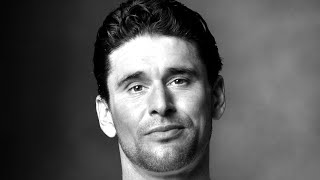
Ben Greenfield, a biohacker and physiologist, explains his approach to maximizing healthspan through ancestral practices like fasting and cold exposure combined with experimental interventions including gene therapy, stem-cell injections, and plasma exchanges. He warns against microplastics, critiques mainstream supplements, and emphasizes daily movement, real food, and controlled discomfort.
Chapters
All right, Ben Greenfield, welcome. Uh, you're kind of a misfit for my channel. You are not a drug addict, you're not a gang member, you're not a sex worker. You are— what do you call yourself?
Not that I know of in any of those categories. Some people call me a biohacker. Biohacker. Uh, I prefer the term author. Uh, I deep down inside consider myself to be an educator. Uh, but yeah, biohacker, podcaster, author, coach, speaker. I mean all in the health and fitness.
Yeah, you're into a lot of things that are just about health and longevity and things like that. Where did that come from?
Uh, is it just a desire? My background or the concept of biohacking?
The whole thing for you. I mean, this whole life, this whole world you're existing in, is it a desire to stay young and live forever or what is it?
Well, originally I was not interested in anything related to human science or physical movement or nutrition. I was homeschooled K through 12 in the backwoods in North Idaho and was president of the chess club and played the violin for 13 years and, uh, read and wrote a lot of fantasy fiction. And it wasn't until I started playing tennis that I began running up and down the hills behind my house and paying attention to maybe throwing a couple eggs in the pancakes and, uh, got to know a few bodybuilders and, you know, uh, powerlifters in the local community. Took a pretty deep dive into physiology, biomechanics, biology.
At what age did you start getting into this?
14. And then, so I was homeschooled, so I finished quickly. I started college when I was 15, walked onto the tennis team, played tennis, studied physiology and biomechanics for 4 years along with all the pre-meds, got a master's degree in exercise physiology and biomechanics, which is just basically like glorified personal training, um, and then started opening up a bunch of personal training studios and gyms and It's such kind of an industry, the health industry, with so many rabbit holes from, you know, like bodybuilding forums, or 20 years ago people were injecting peptides and, you know, now peptides are mainstream, uh, to these elements of the biohacking industry now, you know, stem cells and blood transfusion and human plasma bags. Um, but for me, it all started pretty basic, like sports fitness recovery. I started a podcast and, you know, questions kind of range from how much should I bench press to Nowadays, you know, which form of human blood should I replace my own with?
Is the desire— I mean, like, you know, my life is, you know, I have— we have some similarities, I think. And for me, it's more just like I enjoy my life. I enjoy being healthy and living a life. Yeah. And it's like, that's why I get up every morning at 4 in the morning to go to the gym. That's why.
It's interesting.
Yeah. I eat a certain way.
There's like this growing and seeming obsession about immortality, almost a desire to attain the old Fountain of Youth or Tree of Life that human beings for arguably all of time have been pursuing. And now we have more and more tools at our fingertips to be able to unlock what some might call longevity escape velocity, right? There's somebody alive today who might be only aging 364 days out of 365 days of the year. And that by somehow tapping into that fountain of youth, we can attain like this transhumanistic version of human immortality, whether it be by installing hardware in our bodies, which the old-school biohackers and cyborgs would have called wetware, um, to, you know, supplement nutrition, gene therapy, stem cells, platelet-rich plasma. If you go back to the '70s, there was kind of this surge of the scientific part of the transhumanistic endeavor, meaning that people like early-day biohackers actually would call their bodies wetware, and what they would put into or on their bodies would be called hardware. So like a compass that would vibrate every time you faced true north, you could just you know, hire a stapler body piercer to install magnetic implants in the fingertips that would allow for things like human-machine interfacing, kind of like Tom Cruise in Minority Report, you know, playing with screens. Chlorophyll injected into the eyeballs for night vision. You know, and some of this stuff, you know, there's certainly medical application like ear implants or something that would enhance vision for someone whose vision was failing. But there is now like this surge towards most of it or a lot of it being focused on enhancing enhancing lifespan. And enhancing lifespan in, I would say, pretty incredible or even incredible ways. I mean, there's people saying, you know, they're going to live to 200, um, you know, or 175 or 150, when the longest-lived human on record right now is 117. I think it's a French woman. And to say that by or over the next 10 years we're somehow going to unlock like a couple extra decades as a conservative idea. And what you hear a lot in the biohacking industry, much more than that, like living to 160, 180, 200, I think is probably out of touch with reality. You asked me why I would even do this stuff in the first place, and the reason I'm telling you all this is that my goal is not immortality. It's not like grasping at the straws of longevity, just be around for as long as possible. I mean, If you read Tolkien, you know, Gollum was around for a long time. Uh, he wasn't necessarily happy, uh, he didn't look that great. Um, and I think that there's a lot of things that you have to think about when you start on a quest for immortality versus a more reasonable approach, which is using a lot of these tools, even the more advanced ones, you know, the, the biohacks that we could talk about that I've done, you know, gene therapy in Mexico where they inject your shoulder. You know, a nurse comes in and says, hey, you want to be superhuman? And they, they'll throw, you know, follistatin gene therapy for muscle, or Klotho gene therapy for brain neuroplasticity. Um, I've got another one up and coming for just like causing this constant surging of your own endogenous testosterone levels. Um, or blood filtration in Tijuana, Mexico, which I've also done, where there's a catheter coming out your jugular and you're laying in a hospital bed for 3 days while all your blood gets sucked out, passes through a filter, then goes back into your body. As a sort of like oil change.
You seem to be somewhat of a guinea pig sometimes for some of these things. I— you're pretty—
do a little bit of research to see if these things are safe. Many of them have already been proven safe in the disease context, you know, like anything from a GLP-1 for diabetes to blood filtration for COVID spike protein or cancer. But in a healthy, relatively young, you know, 43-year-old like me, um, there's not a lot of research on what happens when someone who already feels good does these type of protocols to feel great. Um, so there's gene therapy, there's, there's blood filtration. There's, uh, one state in the U.S. where it's legal to have young donor human plasma infused in your body with your own plasma taken out. I was laying in Texas 7 months ago with 10 1-liter IV bags of 18 to 25-year-old healthy male human donor plasma basically just going into my body. Um, simultaneously while they were injecting my genitals with Botox and stem cells and all sorts of sexual rejuvenation hacks just to help the body feel incredible.
How did you feel after that?
The energy, the vitality, um, it was amazing, you know. And this is a company that mostly works with like billionaires who don't want to die. I don't fit into that category, but I find this stuff interesting almost as like an investigative journalist to look into and see what people are doing and also report back on what seems to move the dial. So the reason I would do a lot of these things is not because I am on a quest for immortality. I just want to feel as good as possible, as close as possible to the day that I die. Um, and it's also like a little bit part of my shtick, part of my gig, to like take a deep dive into the weird fringes of health and see what people are doing and write about it and podcast about it, um, just because it is kind of interesting. Um, for my own purposes though, like, I just love to feel good. I like to use science to do it. Um, you know, I'd love to pass away after a day of heli-skiing when I'm 90 years old while making love to my wife.
There you go.
She thinks that'd be creepy and awkward, maybe a little bit logistically challenging. But, um, but yeah, for me it's not immortality. Um, and I do believe in an afterlife, right? I believe that I will go on and my soul will go on for eternity. And because of that, I don't feel a need to just like desperately grasp at the straws of life. But you have to draw a balance between that and just like pure asceticism, right, where the body is worth nothing and all you focus in on is the, is the spirit. And, you know, the quality of your food and the quality of your fitness program and the quality of your, your health practices doesn't really matter because the body's just nothing, whereas I consider the body to be, uh, you know, it's, it's a, it's a house I need to live in for the next 70 years. And go where you want with these metaphors, but I'd prefer for the, you know, the sink not to be leaky all night and a few shingles to be left on the roof and, uh, the toilet to flush most of the time.
So, um, there's a long list of things that someone can do to improve or maintain their health. What would you say are the most helpful, most powerful things we can do?
So I don't want to insult people's intelligence by telling them what they read in Men's Health magazine or Women's Fitness, you know, move more, eat high-quality food, preferably, you know, from a somewhat good source. Most people know that and they've been told that a lot. I think there are certain things that don't get talked about as much. For example, there's this idea, this concept of an ancestral mismatch. An ancestral mismatch basically means that we are privileged, that's for sure. We live in an era where, unlike our ancestors who would have had to hunt, forage, gather, sweat, burn calories, move, and sometimes die to get food, we have 24/7 access to hyperpalatable food. At midnight, we can open the freezer and get Ben Jerry's. That's an ancestral mismatch, right? The same calorie conservation mechanisms that humans developed over time to allow them to be able to thrive and have storage calories in times of need now kick in and cause us to become obese in times of, of a hypercaloric environment in which we're submerged most of the time. Another example of an ancestral mismatch would be until post-Industrial Revolution, we moved to make money, right? Like, we were construction workers and we were building fences and we were hauling rocks and we were hunting and we were outdoors a lot and we were subjected to extremes of temperature. Now we are largely in boxes, stationary boxes or moving boxes or flying boxes that are temperature controlled. You know, that have heat and that have air conditioning. And smart people in fitness have learned that we can fabricate these environments, and researchers have shown that there's benefit to fabricating, uh, for example, in Finland, a sauna environment, right? Like, getting yourself uncomfortably hot multiple times per week has a variety of health implications that are positive. Same thing for getting cold multiple times a week, right? As much as people, uh, love to hate it, um, being uncomfortably cold helps you to fight the ancestral mismatch the same way that being hot can, the same way that figuring a way to move outdoors can, the same way that at times limiting your access to hyperpalatable food and fasting can. Um, so if you step back and look at the ancestral mismatch, and there are people talking about this now, um, in popular literature and in fitness, the idea of being uncomfortable— I think someone's even thrown out the term, uh, the comfort crisis— the idea that if you are not engaging in multiple activities during the day that make you mildly uncomfortable, you are leaving a lot on the table when it comes to your health. And most people only know the uncomfort that is fitness, right? Like the box that we invented that we can walk into that in previous eras only gymnasts and soldiers would have used, but that we all need to use now because we have sedentary jobs to be able to cause the muscles to be subjected to stress and the bones to be subjected to loads that we no longer experience anymore in our day-to-day life. The, the fabrication of those is something that a lot of people are already familiar with. But the idea of taking that and stacking on, you know, flipping the water to cold when you take a shower in the morning, doing something a few times a week in which you're getting uncomfortably hot, stepping into a sauna, working out with some extra clothes on, whatever, like getting yourself into a sweating scenario. Driving without the air conditioning on is even something I used to do a lot before I owned a sauna and I was poor. I would literally just like drive without the air conditioning on because I was already aware of a lot of these concepts. Um, having a certain period of time where you go during each 24-hour cycle where you're not face stuffing, where you're giving the gut cells a break, and where you're giving your metabolism a break. And that can be something as simple— like, I do this, I'm super competitive with myself— as soon as dinner finishes, I am not allowed to eat for 12 hours, right? It's pretty simple, it's pretty sustainable for a lot of people because you're arguably asleep for a lot of that time. But that's just like an overnight intermittent fast. Um, in nutrition, it's also called a compressed feeding window. Right, a certain period of time during which you're not eating. Um, so you've got movement, you've got heat, you've got cold, uh, you've got some form of fasting. And then in addition to that, there's this concept of, um, hormetic stressors. So hormesis means that there are certain things that would kill us in large amounts that cause or induce cellular resilience in small amounts. I've already named some of them, right? Like, not eating is good for you in small amounts. Not eating for a really long time, uh, generally creates, you know, multivitamin and mineral deficiencies and eventually death. Um, same thing with the heat, right? You stay in a sauna for too long, you get cardiac abnormalities and dehydration. In the cold, uh, besides severe shrinkage, you know, you risk hypothermia and being in a distractibly shivering state for a long period of time. You lift weights too much, your muscles look like World War II afterwards, and, you know, put stress on the kidney, and you get rhabdomyolysis and all sorts of issues that CrossFitters and Ironman triathletes deal with. Um, and then you look at other hormetic stressors. One that I think a lot of people should be aware of, and this goes beyond just eating healthy or eating organically, is the idea of dietary diversity. Probably familiar with highly restrictive diets like the carnivore diet, um, or the paleo diet. Um, those diets can be beneficial for people who have severe immune reactions to plants. Right? Plants don't have hooves and teeth and nail and claws. And so they have developed defense mechanisms that tend to aggravate the gut of a mammalian species that feeds on them so that either A, the mammal doesn't come back and eat them into oblivion, or B, the mammal poops that plant undigested out elsewhere, as you may see when you, when you got quinoa in the toilet after you've eaten healthy the day before, so that that plant can propagate somewhere else. That doesn't do any favors to somebody with a weak gut or an autoimmune issue. But at the same time, if you don't struggle with those issues, or you've healed those issues by eliminating certain foods for a period of time, right, because a lot of these highly restrictive diets should be temporary, then at that point, increasing the diversity of the plants that you eat not only gives you a higher diversity of polyphenols and flavonols and antioxidants and all the nutrients that find if you're eating a diet that's diverse in plants. And by plants, that includes like grains, grasses, even seeds, nuts, berries, etc. But all of those plants do cause mild stress on the gut and mild stress on the cells. Then as a result, your cells need to increase their production of their own antioxidants. So the second benefit of doing this this, this habit or implementing this habit of eating a diverse diet is that you also increase the diversity of your gut bacteria. And your gut bacteria are responsible for so many different things like your brain health, your immune system health, obviously your, you know, your, your digestive health. And so, um, dietary diversity would be another thing that I think kind of sort of falls into the discomfort strategy or the discomfort category. You could even make a case that like alcohol is a mild hormetic stress. There's a lot of people going around right now saying that no alcohol is good And alcohol is a poison that should be avoided at all costs, um, even though a lot of the things I just named, like most plants have poison, uh, you know, quinoa has saponins and wheat has gluten and beans have lectin, and in certain amounts all of those are poisons, um, based on the definition that I just provided. Sauna, cold exercise, fasting, those could all be poisons too. But you could actually make a case if you look at what happens when you consume small amounts of alcohol, the endogenous antioxidant production of these, these things you normally go to the CVS to buy, right, like glutathione and superoxide dismutase. Your body starts churning all of these out, and it churns them all out in amounts that can tackle any of the toxins or what's called the oxidative stress that alcohol can produce. So, A, this is why there are some studies out there that show small amounts of alcohol can cause things like growth of brain matter, or at least staving off the shrinkage of brain matter, uh, better cardiovascular health, better management of blood sugar. And there's a definite law of diminishing returns. I mean, this is typically a maximum of like 2 drinks a day, um, and drinks are measured not by a fishbowl-sized wine glass but like a pretty small pour, almost like the concept of microdosing with alcohol. They also look a lot of these blue zones, areas where people live a disproportionately long period of time, technically areas where there's a highly concentrated number of centenarians, people who live over 100, and alcohol is a staple in many of those diets. There's like the 110-year-old Sardinian grandmother who's marching dorfgevse up the side of a mountain to fetch water and having a couple glasses of wine with her girlfriends at the end of the day and not doing red light panels and stem cells and Botox and whatever else, but she's still living a long life. And I'm not saying this because of the wine, but small doses of alcohol seem to fit into category of something that would be a reasonable hormetic stress. So long story short is this idea of an ancestral mismatch is one piece of low-hanging fruit, I guess in this case, pun intended, uh, that allows you to introduce small amounts of discomfort into your life if you know that that's what you need to fight that mismatch, to fight that comfort that we live in nowadays. And then one other thing to think about, if you're going to think about two main factors related to being healthier In addition to the ancestral mismatch is this idea that our bodies are a battery. Our bodies are a battery. Um, there are books like, uh, Healing is Voltage by Jerry Tennant or The Body Electric by Robert Becker that go into how across our cell membrane there is an electrochemical gradient, a slight negative charge on the interior of the cell and a slight positive charge on the exterior of the cell.. And by maintaining that amount of what's called depolarization, we can actually be more efficient metabolically. We can introduce waste in and out of the cell more efficiently. We can have a better production of ATP by the mitochondria's electron transport chain. And there are ways that we can do this. Um, for example, every time lightning strikes the surface of the planet or solar radiation bombards Earth, It collects negative ions. And when your skin comes into contact with the surface of the Earth, you actually absorb those negative ions. Your skin is conductive and you absorb them. So there's this entire practice called earthing or grounding where people will go outside barefoot, walk along the beach, jump in a natural body of water, especially something like the ocean, which has minerals, which means it has even a higher density of negative ions. And you soak this stuff into your body. And this comes back a little bit to the ancestral mismatch piece because most of us are indoors and And if we do get outdoors, we're wearing big built-up rubber-soled shoes. So, you don't have to go outside barefoot. You can wear shoes now that are grounded that have little grounding plugs in them. You can go for a walk and like I do, you know, every few blocks stop and do some push-ups so your hands are getting in touch with the ground. You can go out and walk on the beach a few times a week and jump in the water. But, having some kind of intimacy with the surface of the planet is one way that you can keep the body's battery charged. And this has spilled into the category of biohacking. Because now people have things like grounding mats that you can put underneath the top sheet of your bed that plug into the grounded outlet of a wall that kind of pull those negative ions in during a night of sleep. People also use what's called pulsed electromagnetic field therapy, PEMF, and these are like mats and coils and headrests that you can use to treat inflamed body parts, and they work really well. A lot of functional medicine doctors and physical therapists PMF in their practice. And one of the ways via which it works is increasing the conductivity of the cell and recharging the body's battery. Another example of something that would increase the activity of the electron transport chain, almost like charge up the body's battery again, are photon packets of red light, infrared light, mid-infrared light, far-infrared light, and the red light spectrum that we primarily get from sunlight. And again, you see, um, this also becoming part of the technology that people are using in our modern era— red light panels, red light beds, infrared saunas, wraparound red light devices. One of the mechanisms via which these work is they keep the body's battery charged. Final example would be, um, based on modern agriculture practices— stripping soil of its nutrients and minerals, monocropping, etc. We tend to get less minerals in our diet. And even if we're drinking like highly filtered water, even in our water, you know, if you have like a reverse osmosis water filter, then is adequate to keep the body's battery charged. So doing something like adding minerals to your water, purchasing produce that's been grown in mineral-enriched soil, um, you know, I have— whenever I go to a restaurant, I've got extra like really good high-quality salt salt in my bag. I put electrolyte packets in my big morning glass of water. But thinking about the idea that, well, you learn in like high school chemistry, minerals are charged and they help to carry a charge throughout the body. So one way to keep the body's battery charged is by making sure you're staying hydrated with adequate minerals and electrolytes and salt. So back to the basics, let's say you're already moving, right? You're lifting weights, you're walking, you're doing some high-intensity cardio. The things you've been told to do, and you're already eating healthy and trying to avoid whatever fast food, fried foods, you know, again, the things that most people are aware of, then the next step up from there would be think about the ancestral mismatch and how you can introduce small levels of discomfort into your day-to-day existence via heat, cold, dietary diversity, loading the bones, um, you know, getting exposed to, um, some kind of stressors on a regular basis. And then secondarily, think about whether or not you're keeping your body's battery charged by using, uh, surface contact with the ground, access to sunlight or red light, water, minerals. Um, and then I'll throw a little bonus in there. We live in kind of a man-made electrical soup, and a lot of that can kind of drain the body. You don't have to— like, I biohacked my own Blue Zone up in Idaho. Like, all the wiring is like metal shielded, there's no Wi-Fi, you just got to plug in via an Ethernet cable to the wall when you want to get on the internet. Every floor is grounded or earthed. You don't have to build an entirely shielded house, but I tell people, if there's one place you're going to start to protect yourself from the electronic soup that we live in that drains that battery, specifically by causing a positively charged calcium influx into the cell, it would be your bedroom, right? The 8 hours or so, if you're being good, of sleep the one-third of your life that you spend in an area where you don't have to have a TV on, you don't have to have a computer, much to the chagrin of a lot of people, you don't even have to have a phone in there. So turning your bed into like a deep, dark, cool, electricity-free cave is also like a huge bonus for people who really want to like recharge the battery at a certain time each day.
It seems like a law of the universe that everything in our world, there are some benefits to it and there are some prices that we pay for it. And it seems like all the wonderful things that technology has brought and all the modernization of our world makes things so much more convenient. We can learn things like this and everything is so great. There are some serious prices we're paying. And it seems like it's all pulled us away from that healthier lifestyle that the caveman had, where you had to— you wanted to eat, you had to climb a hill. If you want to eat, you had to climb a hill, you had to hunt something and catch it and then carry it back. And so many things you had to do that kept you in shape, kept your heart strong, kept your muscles.
Yeah. And most cavemen would have killed to live in our era, right? Like opening your refrigerator and the meat's in there. But we deal with a different disease, right? The caveman, if you want to call them that, it's kind of a silly analogy, but the caveman, the ancient man, our ancestors, whatever. They dealt with, you know, famine, disease, wild animals, you know, the Vikings coming into your village. And now we don't have to deal with a lot of that, especially in our, in our privileged westernized societies. But we have chronic disease, right? Obesity, diabetes, gout, heart disease— diseases of affluence primarily. So we kind of trade one for the other. I still think that, you know, we live in the better part of things and that the world is eventually getting better and better. But yeah, you kind of trade one set of problems for another.
My dad turns 97 this week and I saw him eat a certain way his whole life, which was basically like the way— it's almost like the— not the carnivore diet, but the other—
Paleo.
The Paleo. Yeah, that's how we ate. Yeah, you know, steak and eggs and potatoes and very basic.
Probably had some vegetables too, though, right? Yeah, some vegetables or berries or something.
Yeah, for sure. But, but not a lot. No sugar.
Yeah.
I never saw my dad eat sugar. Maybe once in a while he did something.
Yeah, yeah.
But it's like, that just seems to be a way to ensure you're not going to be taken out.
Yeah. I mean, if you want to really simplify, you know, the idea of a paleo diet is you're basically avoiding a lot of the foods that you'd find in a modern agricultural setting, um, and that includes grains and dairy. Now, I think most people can get by with grains and dairy, but there's a big difference between grains being like fermented sourdough bread from like some kind of heirloom ancient wheat, um, and Wonder Bread or granola or Shredded Wheat or Cheerios. And there's a big difference between Um, like, you know, we have Dorfguts, we've got like amazing like raw goat milk at home. Um, some people have access to just like organic grass-fed, grass-finished, you know, A2 milk that you get from the grocery store. There's a big difference between that and, you know, just like the standard carton of 2% milk that I grew up on, or the dairy that's on your average pizza. So that being said, if you just wanted to totally simplify, you could say, well, I'm not gonna do any grains, any dairy, I'm gonna eat meat. I'm gonna eat what are called underground storage organs, right, which are basically like tubers. And the cool thing is that because they're buried underneath the dirt, you know, some of the plants needed the hoof and tails and nails and teeth and claws. The potatoes, less of that. Like, especially things like the sweet potatoes and the yams and the pearl potatoes, they have less of those plant defense mechanisms in them. Some on the skin, but underground storage organs are kind of like the way a lot of paleo people get their carbohydrates in addition to berries. And then, you know, meat, vegetables that are easy to digest, and that's about it.
What would you say is like one of the most extreme things that you're doing for your health right now?
Oh, let's see. Well, besides all the, the biohacks, right, gene therapy and plasma replacement, um, I just did a full-body stem cell procedure where I was under anesthesia and had every joint injected from my toe all the way up to the cranial nerve that feeds into the brain with—
you have injuries—
umbilical-derived stem cells.
Do you have injuries you're trying to fix, or this is just to—
I stay young and healthy? Do some of it to stay healthy and vital and energetic with age. And then because I got my start in the fitness world, I spent like 20 years of my life, um, from the time I was about 17 until I was 37 doing the most masochistic things in the fitness world that you can think of, right? I raced Ironman triathlon for 13 years. I, you know, logged thousands and thousands of miles of adventure racing and open water swim racing. You know, I did the Navy SEAL Kokoro training in Encinitas, which is like, you know, Hell Week for civilians without the guns and the boats, and did the 38 degrees below zero death race in Vermont and raced professionally for Spartan for several years and eventually like, uh, got sane and saw the light and hung up the hat on beating up my body every day. But I put my body through the wringer. I probably put like 50 years of activity into my body over 20 years. So part of the stem cell thing is also just to repair shit that broke down.
Um, but it seems really to be— it seems to be a very healthy thing to be pushing yourself to do things you're really uncomfortable with.
Um, I found so mentally as well as physically, if you are gonna climb your own personal Mount Everest by doing something that's scary and challenging physically, let's say an Ironman or a marathon or a Spartan Race or something like that, um, I think it's laudable to push yourself to your limits like that. Um, however, I think it can almost become And this— it became this for me, like this self— selfish obsession, almost like an addiction to forward repetitive motion. Probably why a lot of former drug addicts— and I think this is better than being a drug addict— but turn to endurance sports as something that causes that same type of like dopaminergic feel-good endorphin response. But at the same time, I don't think you should fool yourself into thinking that doing that for many years at very, very high volumes is good for you. I mean, not only should you not think that, like, research has shown that once you exceed— it's actually not that high, like 150 minutes of moderate-intensity physical exercise per week and 75 minutes of high-intensity exercise— the risks outweigh the benefits, particularly when it comes to atherosclerosis, like stiffening of the arteries. Um, so I think that, uh, you don't want to, like, live life in a bubble and never go out and do some crazy, scary adventure. But at the same time, I think if you're just like doing Ironman after Ironman, a few a year for 20 years, that you'd be better served by doing something that's a little healthier.
Yeah, I was— there was one winter, October through March, I would jump into my 11-foot deep pool at 4 in the morning, swim 5 laps, touch the bottom, and then jump out like a porpoise because it hurts so bad. Because in February I took the temperature, it was 42 degrees.
That's cold.
Yeah, it just hurt. Yeah. And, uh, but it did incredible things for my ability to go to the gym afterwards. And, and yeah, my attitude for the rest of the day was pretty super strong and positive. But I think by the end of that period, which was like 6 months, my central nervous system got beaten down. Yeah, just a lot to— yeah, take on.
Yeah, doing this, it's kind of interesting that you tapped into, uh, the benefits of pre-cooling before exercise before it kind of got popular, because— because now it's more recommended to do like an ice bath or a cold soak before workout.
Oh, then I was just— all my— my goal, all I was trying to do is find something that I'm really, really afraid of, and that's the cold. Yeah, I hate the cold more than anybody, so I knew that that pool was going to be really cold and I was like, let me do something, right? I had just gotten a divorce. I knew life was going to be really difficult. And I figured if I do this every morning, I'll weather this tough period better. And it did. It helped a lot.
Yeah, it does. And then I think, I think the, the volume dictates the potential for like chronic stress over time. Like I do 33 degrees, but I literally do it for 60 seconds. Like I'm in there in and out pretty quick and then I go work out, right? I, I would imagine I'd kind of feel like you did, like chronically exhausted if I was doing like underwater swimming 5 laps. You're probably in there for like, what, 2 or 3 minutes plus?
That's it.
Yeah. So that kind of adds up.
Yeah. Yeah. But it's what it does to your adrenaline.
It's pretty— Yeah. I mean, for anybody who, who obviously— so, so the best time of day to work out is the time of day that you're actually going to do it. And the best workout is the one that you're actually going to do. And if by putting a giant cold plunge in between you and your workout, you create creates so much friction that you're not going to work out as much or as consistently, I'd say leave out the cold plunge. But if you can do a quick cold plunge before a workout, it's kind of a cheat code.
Well, it helps to have something that scares the crap out of you to motivate you to do something, right? And for me, you know, being in my, what, it was 50s and getting a divorce, yeah, scared the crap out of me. Like, you know, I see what other guys are doing, they start drinking and they get fat and sloppy, and it's like, man, this is not something I want to be any part of. So I just got myself in the best shape I've ever been in my life.
Yeah.
In my, like, mid-50s. And it was like, it was, it was great. Kept me mentally all together. Yeah.
Because I mean, I think, I think part of it too, and, and this is a big part of like the fitness, the health, the biohacking, the nutrition world, part of it too is, um, we are able to control life when we're in the gym, right? We're able to induce discomfort, but we're in control of the discomfort. We're in control of when we're getting out of the cold plunge. We're in control when we're going to get out of the sauna. I mean, from a dietary standpoint, we're even in control when we choose what's going to go on our plates. And I think, um, for some people who are under chronic stress, that amount of control almost makes you feel like you're a little bit more self-actualized in life. And even though that world, you know, the whole exercise, fitness, health, biohacking, nutrition world, it can still be a world rife with addiction, um, I think that type of addiction long-term lends itself to better health within reason. Yeah. And then again, like, if you're— if, if that addiction turns into, you know, 2 hours on the treadmill every day, then you may want to—
yeah, there are people who push it too far, right?
Yeah, yeah, exactly. Yeah, myself included for a long time.
Yeah, just, uh, regular exercise just seems to be such a great Solution to so many of these problems we're all afraid of.
Oh yeah, I mean, like, and it's reasonable. Like, people ask me what my routine looks like now compared to literally like getting out of bed on a Saturday morning and, um, you know, swimming a 3K and then riding my bike for 4 hours, getting back, throwing down a quick snack, and then heading out on a, you know, 9 or 10 mile run. Now I lift weights 3 times a week, usually with my sons. They're 17 years old and we like I just hit the gym in the morning. I walk. I have a walking treadmill desk, which is incredible. Like, I do podcasts on it. I spend a lot of time fighting the ancestral mismatch by taking any excuse to move my body, either walking outside on the patio or walking on the treadmill when I need to take a phone call. When I'm like dicking around on my phone editing something, I'm moving. I do a sauna a few times a week, usually with a cold plunge after. And I stretch every morning for about 10 or 15 minutes. Like, my habit is I get up in the morning, I put on my daily audio Bible, and then I go make love to the foam roller for like 10 or 15 minutes. And it's almost like maintenance of young muscle. You're just working out all these fascial adhesions and, and relieving tension on the deep tissue. And it's kind of like having, having about 90 minutes of massage therapy a week. Week that's like self-inflicted. Um, and besides that, I like play a little bit of pickleball and tennis and go hiking with the family. But as far as like formal exercise, say the only other thing is, is there's a couple of like high-intensity cardio sessions a couple other days a week. So I'm in the gym almost every day, but it's not for a long time. And a lot of my movement I weave into the day. I think back to the, to kind of like the live like a caveman thing. If you can fabricate your life in such a way that you have a pull-up bar in the door of your office and a kettlebell you have to trip over and a treadmill desk if you can get one, and, you know, a little bit of heat and cold stress throughout the day, you should structure the day such that going to the gym at the beginning or the end of the day is an option, not a necessity, because you've been moving your body all day anyways. And it's interesting because there's even research that shows that if you work out and then you're sedentary for 8 hours, you still have the same amount of risk as somebody who didn't exercise. So it's long periods of time in a sedentary position that seemed to be the biggest risk factor when it comes to metabolic disease. Really? I mean, and moving can literally be like, you know, doing seated calf raises and twisting when you're waiting for a flight to take off and doing some air squats on the airplane and cranking out some push-ups in your hotel room. Like, this idea of mini exercise snacks— I was reading an article, a research paper last week, and it showed that the implementation of tiny movement snacks throughout the day resulted in significant improvements in metabolic health, in muscle maintenance, in blood sugar control, and all these parameters. And these movement sessions were as long as 10 minutes but as short as 20 seconds. I mean, we're talking about like every 45 minutes at work standing up and doing 20 jumping jacks. So long story short is if you weave this stuff into your day-to-day existence, then it becomes a lot easier to stay healthy versus thinking the only time I can exercise is when I'm, you know, at the club, at the gym.
Very interesting. There's a lot of, a lot of people are into all the peptides and things like that that are on the market now. What do you think of all that?
So, um, peptides specifically are not new. I mean, insulin is a peptide. Millions of people use it to control—
I mean, a lot of diabetes. A lot of the things are just supplementing things that maybe as an older person, right, you're not really—
same thing with GLP, you know, like Ozempic, uh, terzepatide, retatrutide. You know, a lot of these were used for a long time in diabetic management, and then people started to figure out that they can do a really good job suppressing hunger, and there's a lot of people taking them for that.
But what do you think of those GLPs?
Um, so at a standard dose, which I've taken just to make sure I know what I'm talking about here, I'm not just talking on my ass, standard dose um, is reportedly associated with gastric distress, muscle loss, some organ inflammation, even depression, possibly related to complete removal of the enjoyment that comes from food. And, um, after taking it about 7 months ago, I would agree. Like, it's one thing to hear, oh, you take this, but you're gonna be all right as long as you eat enough protein and you exercise. And you sit down in front of your favorite ribeye steak or blueberry protein smoothie or whatever, and it makes you nauseous. And then you try to go to the gym and you really don't have much oomph to work out because you've been unable to eat. And you just create this vicious feedback loop of muscle loss because of that. So you get muscle loss, even cardiac muscle loss, in addition to skeletal muscle loss. Um, so that's one issue. And then it slows gastric motility so much that you're just like constipated and your bowel habits just go to complete pot. And if someone were morbidly obese or diabetic, I would say that possibly the pros outweigh the cons. But if you look at like 1/10 of a standard dose, like let's say you were to take one of the really powerful ones that's out there right now called retatrutide, uh, standard dose of that is 2.5 milligrams, and you might inject that 1 to 3 times a week. And if you take 1/10 of that, 0.25 5 milligrams and you instead inject that 1 to 3 times per week, which I've done, you get like mild quieting of food noise, mostly like whatever. I'm not hangry when it's lunchtime. I could take it or leave it, but I still, you know, I still like food. I still derive enjoyment from food. It's just not something that I'm thinking about all the time. You can still work out at the gym. You still get a lot of what are called the pleiotropic benefits. Pleiotropic means like system-wide, good. So there's some evidence that it may quell neural inflammation, uh, that it may be good for lipid management, for things like triglycerides and LDL. So I think a small amount of some type of a GLP agonist is not a bad idea. Um, the issue is if you were to go through your doctor and get a prescription, most of them come in preloaded pens. Some of the pens, depending which ones they are, you can like finagle them and pull out the top and go in there with an insulin syringe and take out a little bit for a microdose. But but it's still kind of logistically difficult versus going through, in some cases, like a functional medicine doctor who has access to a compounding pharmacist who's willing to give you a much smaller dose. Um, but GLP-1 is kind of nuanced. I think a smaller dose could actually be pretty beneficial for a lot of people, and I've even been doing that. And then all these other peptides, um, you know, like tesamorelin and ipamorelin for something like increasing growth hormone receptors in your own growth hormone release, or somnolene for enhancing sleep and getting better growth hormone release during sleep, or something like, you know, BPC-157 to knock out an injury faster, reduce inflammation faster, thymosin alpha-1 for blasting up your body's own natural killer cell production and increasing your, your immunity. Now, newer peptides that are things like, you know, SLU, which is like an exercise mimetic that mimics the effects of exercise. All of them actually have pretty, um, decent— or they give pretty decent results. A lot of them work as advertised, and they work very well, which is why I think there's a lot of FDA scrutiny right now, just because it would be, um, it'd be very beneficial for pharmaceutical companies to be in control of peptides versus a lot of these compounding pharmacists where people currently get them. If you can get a good clean version of a peptide and you know which ones you want, you're working with somebody who understands the whole peptide world and can put you on the right stack, I think they're an incredible cheat code. If you are going to the average like order-by-mail peptide website where they're sold as for human research only, and a lot of them are just like, honestly, they're just like cheap imports and they're rife with contaminants and what's called lipopolysaccharides, and people will inject and they'll get into like sepsis-like shock and infections. Like, you need to be careful in the peptide world, but if you can get your hands on good peptides and use the right amounts, I think they're incredible.
Do they sometimes— does the body get used to the supplementation of a lot of these drugs?
There's, there's, yeah, there's, there's certain, certain drugs and their effectiveness kind of— yeah, supplements, medications, drugs, a lot of them have what's called, um, uh, taphophylactic response. What that means is like your body gets used to it over time. Um, most peptides you cycle. So let's say you wanted to sleep better, you wanted to improve recovery, increase muscle, and burn more fat. Doing something like a growth hormone peptide stack is a pretty decent idea. What this would look like— taking a peptide like Tesamorelin pre-workout in the morning and, um, Semarelin or Ipamorelin before you go to bed at night. Um, you would do that a stack like that, 5 days on, 2 days off, 12 weeks on, 12 weeks off, right? That's kind of like a gold standard dosing protocol for something like growth hormone secreting or releasing peptides. Um, and the same goes for a lot of them. Like, you don't necessarily just inject every day. Like, another one that I use a lot just because I travel is thymosin alpha-1, which just amps up your own thymus activity. It will increase the amount of natural killer cells in your body to enhance your immunity. Um, I don't inject that every day. I'll just do a big dose of it right before I leave to go travel somewhere just to give my immune system a little step up. So yeah, a lot of them are just like kind of like used in certain situations, or definitely cycle if you're going to use regularly.
What do you think of all the men that are taking testosterone now?
Um, that's, that's a can of worms. Um, so So back to the idea of the ancestral mismatch, right? This whole like, you know, sedated male sitting indoors on a computer, swinging— or on a computer screen, you know, not swinging an axe, uh, not outdoors, you know, fighting and hunting and lifting heavy things— creates a scenario in which testosterone is going to go down a little bit already. When you stack on top of that constant exposure and pretty significant exposure to microplastics plastics, which are what are called xenoestrogenic. They can mimic the effects of a lot of hormones and bind to androgen receptor sites that testosterone would normally bind to. You have this one-two whammy, right? Like sedentary males drinking microplastics. Um, so that's going to lower testosterone, and that is probably one of the reasons that we see a lot more men looking for some type of testosterone enhancement. The problem is most guys who go on testosterone replacement therapy don't have a lot of the building blocks in place. It's kind of like the GLP peptides. Like, even though I would say there's a time and place for them, I mean, first make sure someone is like exercising and counting their calories and, um, you know, just, just doing basic things that will help out with metabolic health before you pull out the drugs. Um, even something like growth hormone, right? You shouldn't be taking growth hormone until you're at least sleeping well, because sleep is one of the best ways to increase growth hormone. With testosterone, there are certain building blocks that you should look at and make sure in your diet before you get on testosterone injections or cream or pellets or whatever. Those building blocks are vitamin D, minerals, uh, fish oil or some kind of a fatty acid supplementation, um, creatine, boron, and zinc. Right? A lot of these you can find in a mineral and vitamin-rich diet or via supplementation, you know, something like creatine, magnesium, etc. Um, secondarily, the largest density of androgen receptor sites is in the legs, comma, lifting heavy weights increases testosterone. So lifting heavy weights, particularly with the legs, right? Having days where, if you can, if you don't have total knee and hip issues, do some deadlifts, do some squats, do some leg presses, do some things that put, uh, put stress on the legs in particular with a weight that you can't do many more than 8 repetitions with. So heavy weightlifting with the legs, and then good relationships, low stress, adequate sleep— like all these like basic building blocks, those should all be in place before a guy goes out and seeks testosterone replacement. That all being said, a lot of guys, by the time they're somewhere between about 40 and 45, tend to see a natural decrease increase anyways, even guys who are doing a lot of healthy things. Um, for those guys who are testing low, and not even like hypogonadal, like you have a disease low, like down in the 200s, but even, you know, if you would normally feel good on 800 and that's where you were all the way up through your 30s and now you're getting into the 400s in your mid-40s, or even the 300s in your 50s, you could make a case for supplementing with testosterone. A lot of doctors will give you an injectable. The problem with an injectable, unless you're doing like a little injectable multiple times per day and kind of going into porcupine mode, um, it causes a big surge in testosterone because you're just injecting a whole bunch at once. And that big surge can cause a downstream surge in estrogen, which can result in things like gynecomastia, man boobs, being too weepy during chick flicks, whatever. Um, or it can result in increased production of DHT, which is what causes male pattern baldness. This is why I see a lot of guys who start testosterone, they go bald. And a lot of those guys are like injecting big doses. Um, and then you look at the pellets, and the problem with the pellets is there's no way to like pull it out, at least not without, you know, some difficulty. And so you can't adjust the dosage on like a slow-release pellet that gets implanted in the body. So then you're left with some other options, and the two best options I think right now for testosterone is there's an oral version that just causes a little spike in testosterone. You can take it, uh, pre-workout, pre-sex, pre-date, or testosterone cream, which is a small amount that you apply, for example, scrotally in the morning and in the evening. And that more closely mimics the natural diurnal variation in testosterone that a guy would have, you know, for any given week. So not opposed to testosterone therapy, but you need to make sure you have all the building blocks in place first, and then if you get on it, make sure you're kind of choosing the right version.
It seems like, yeah, we all want to— we all want to be as attractive as we can. It seems like testosterone for men is the equivalent of the GLP-1s for women. The testosterone gives the man— a guy— the body that he wants, or something close to it.
Yeah.
And the GLP-1 gets the, the women the body.
Yeah. Yeah. Even though a lot of men now are taking GLP-1s and a lot of women need to be taking testosterone.
Yeah, but they're both shortcuts that can probably be skipped if you just took care of yourself.
Yeah, yeah. I think— well, so back to like the idea of like immortality versus good lifespan and healthspan, um, there's a lot of stuff that you can do naturally. And then if you kind of want to go to the extremes of healthspan and lifespan and you're living in a modern environment. Let's say you don't have the luxury of like moving to some pristine Himalayan mountaintop, uh, or like the, the Dolomites, you know, for a Sardinian lifestyle with the goat hiking and everything. Um, you could make a case that in order to fight the bigger fight that we have against the whole ancestral mismatch and industrial lifestyle, that we need to engage with a little bit of better living through science if we want to unlock the best combination of healthspan and lifespan, right? No matter what, uh, living in Los Angeles, for example, you're going to get exposed to microplastics, you're going to get exposed to toxins. Your testosterone is probably a little bit lower than it would be if you lived in Siberia. Um, you might even have a couple extra hours in traffic each day, so you're burning fewer calories each day, so you might have a higher need for something like a GLP each day. So I think part of it is like the context, the environment in which you live might dictate how many of these tools, biohacks, you know, weird scientific modalities that you would want to use or need to use if you really want to be as healthy as is your ideal.
Do you, do you think the plastics or the— could be the pesticides in the food or the hormones in the meat or whatever, cell phones, you know, is is at least partially responsible for like the feminization of men that you see now?
I think that's part of it. You know, I think microplastics are partially responsible for the feminization.
Supposed to be estrogen, right?
Yeah, it's, it's estrogen. It's potentially also just their impact on cellular physiology in general. The idea that they, you know, from a very simplistic standpoint, gum up the machinery. They would still result in lower testosterone production even if there was also problems with the receptor site for testosterone due to those phytoestrogens or those fake plastics being present on the cell receptor. Um, and they're hard to get rid of, right? It's hard. You can't just like go sweat out microplastics. Your sweat glands could pass out— the way that you measure molecules in Dalton size, and your sweat glands will pass out like a 100 Dalton size molecule, and microplastics range from 100 to 1,000 Daltons, and most of them are closer to 1,000 than they are to 100. And you can pass some out in your stool, um, and so if you're having bowel movements regularly, that's pretty good. Um, and you can pass some out in your breath, right? So breathing regularly, like, like exercising, for example, or breathwork practice, that can help out a little bit. But right now, um, you know, I know of one company in the UK that's developing like this genetically engineered probiotic that produces a metabolite that somehow removes it from the gut. There's places like, you know, where I did that blood filtration in Mexico. There are other places that have a different kind of filter that's specifically designed to remove microplastics, but you're paying like, you know, anywhere from $10,000 to $25,000 per day to get it all sucked out of your body, which is a price tag that a lot of people aren't gonna— are gonna pay. So it's tough to get rid of them, and it's better to try and just limit your sources. I don't think that's the the only reason that we are seeing feminization of men though. I mean, men for the most part aren't going out and doing as many dangerous things.
That's a big part too.
You know, men are able to be satisfied sexually in their basement. And with the advent of technology, AI, VR headsets, etc. And not having a father around. Yeah, it's becoming easier and easier for men to do in really profoundly pleasurable ways, right? Which is going to keep a guy from going out at night and, you know, in the bar, the club, or going elsewhere to meet a woman. Just because, you know, any guy knows, like, you know, after you've had an experience with porn, you're not really that motivated to go out.
And it's going to be really hard to turn the clock back 100 years, right?
Right. And then you have fatherlessness. You have, again, lack of jobs in construction and woodworking and farming and swinging an ax and just this cluster of factors that kind of— I don't want to say it screws over a male because I don't want to give a victim label to it, but it does produce a little bit more of an uphill battle for a guy. But a guy aware of that should, you know, shut up the inner bitch and get out and go meet some girls and go hit the gym and quit drinking out of plastic water bottles. And all this stuff is fixable. You just need to take control of your life.
Interesting. If there was one thing that you could— one, one simple little solution for, for viewers that can't get into all the nuance of all these things we talked about, what, uh, what would you say? What would you recommend?
Simple little solution for just general—
just like general health?
Oh, I mean, move, eat real food, besides what we've talked about already, right? Like, be uncomfortable, keep the body's battery charge, smooth. I think, um, the, the main thing to realize is that the way that your, your vagus nerve functions is, um, you've kind of got like this parasympathetic rest and digest branch of your nervous system, and then this like sympathetic fight or flight version. And even though if the sympathetic fight or flight version, kind of like you, you know, swimming too much in the cold water every morning for months on end can produce chronic stress if excessively activated, if it's activated in small amounts, it induces action, it induces motivation, it induces taking control of something. So I think the, the thing that would help people most is to understand that the hardest part is starting, right? The hardest part is getting into the gym in the first 2 minutes on the bike. The hardest part is the first, you know, 10 seconds in a cold plunge. The hardest part is the first 3 minutes when you walk into the sauna and the air is really hot. The hardest part is when you, you know, push the gas pedal and drive past the fast food restaurant, decide you're going to go home and make yourself your own meal. The hardest part is turning off the TV, right, and maybe going outside and going for a walk around the block while you listen to a podcast or an audiobook. Once you start though, the positive momentum is pretty significant. I think that's the main thing most people need to know is like once you start, it really starts building up momentum and you feel better and better and you create this positive feedback loop. You feel more and more enabled to actually do this stuff and you feel better about yourself. Yeah. So, you know, you don't, you don't do this all in a day, but once you start to stack these habits, it just becomes easier and easier and it starts with just the very first step.
Yeah. Discipline is a big part of it all.
Yeah.
What were your parents like growing up?
Um, my dad was a firefighter. Um, he was pretty cool. Uh, firefighter, paramedic, um, serial entrepreneur. He like bought a bagel franchise and started a coffee shop and, uh, um, uh, he was just all over the map, just all these different entrepreneurial ventures. And, um, he was also like a real loner, like he just, he would just be off on his own adventures, you know, reading books.
And you take after him, new hobbies.
And I take after him to a certain extent, even though I think I'm a little bit more of a family man, right? Like I'm with my family a lot and I'm very connected to my sons. That's great. I knew my dad, but I didn't know him that well. Like we didn't have a lot of one-on-one time. And I've really carved out a lot of time for my sons to make sure that, you know, we have one-on-one date nights. A lot of chats, work out together, and we're just— we're together a lot. I mean, we have like a morning family huddle and an evening family dinner every night, um, 90% of the time. And we are just like yoked and connected, and we all just have a blast. Like, every day at our house is a big party. We homeschool our kids, we're just together all day.
And it's amazing. Your wife have been married for how long?
23 years. That's great. Yeah, 23 years. And a big part of that is almost like— as unromantic as this sounds— just like systematizing organizing and calendaring the entire family coming and going. We have a 100-plus page Greenfield family constitution with our values and our mission statement and our family crest and every family member's hex color and spirit animal and what we do on Thanksgiving and Christmas and everybody's obituary and memorial wishes all the way down to the family trust and the family bank and the family insurance manager, everything things in this book. And if you come to our house, it's almost a really, really great Groundhog Day. I get up early in the morning and I do all my hacking and my reading and my scripture and my prayer. And then, we all meet for this big morning family huddle where we're hugging and kissing and holding hands. And it'll range from breathwork and meditation, prayer and reading the Bible to talking about the day to who's bringing what to dinner. And then, we all like clap, huddle up like a football team.
That's got to help keep the family together and tight.
Oh yeah, it's incredible. And then like, you know, around 6 PM we'll just take a break and go on a walk or play pickleball or play tennis, and then we all gather for dinner and we sing a song. And my sons and I've had a book club since they were 6, so we all go through that day's book chapter together. And then everybody brings out whatever they helped make for dinner, you know, whether my son's making carrot fries, my wife's made a salad, and I'm grilling some steak, and then we bust out games and we play games for like an hour, hour and a half, like card games, board games. That's incredible. Like, this is every night. And then we all go up to my son's room after we do the dishes and, you know, basically say some prayers and hit the sack. And my wife and I chat for a little while in the bedroom and rinse, wash, and repeat. And it's, it's pretty amazing. So I grew up basically with a dad who was a serial entrepreneur. My mom was a stay-at-home mom. We didn't, we didn't have a lot of traditions like that, but I've kind of woven them into our family. But my parents, one thing they did teach me is the importance of family, right? The importance of the priorities that I see so many men and women get backwards, which is, you know, like business and a lot of times health comes first. And for me, like number one is my spiritual life, my connection to God, my care for my soul. Number two is my wife. Because if you and your spouse don't have your oxygen mask on, it's gonna be hard to put it on for the kids after. Number 3 is the kids, you know, the family huddles, the family dinners, the one-on-one time with my sons. Number 4 is my health, which is doing a workout, staying active during the day. And number 5 is business, just because like if, if your number 1 core metric is inbox zero, it's gonna fill up, you know, within an hour. And a million will need to be 10 million, will need to be 100 million, we need to be a billion. Yeah.
All right, Ben, thank you so much for sharing your thoughts on health.
Thanks, man. Pretty fascinating. Incredible. Yeah. Good questions.
You're really leading us into uncharted territory.
Yeah.
Thanks. Awesome.
Thanks so much.
Yeah. When I was designing the first Soft White Underbelly book, I realized that there were so many great portraits that weren't going to make it into that book. They just wouldn't fit. And once I saw how well that first book sold, I knew I'd have to design a second book. This second book is finally ready to ship. Like the first one, this book has a collection of some of the best portraits from Soft White Underbelly accompanied by a quote from that person's interview. This book features another group of Rebecca portraits as well as a collection of color images of the Whitaker family. And plenty of others. You can order yours for $125 or $150 for a signed copy at softwhiteunderbelly.org. Again, like the first book, once this book is sold out, I will not be printing more of them. The portraits are what Soft White Underbelly is all about, and these two books contain the best of all that work. Thank you for watching.
More from Ben




The Solution to Aging Might Be Closer Than Anyone Realizes - With Ben Goertzel



