Drug Dealer: How Doctors Have Been Duped, Patients Are Hooked On Prescriptions & Why It’s So...
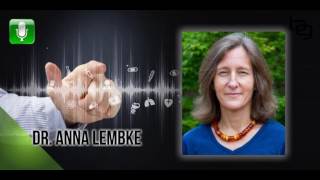
Podcast episode (YouTube) in which Ben Greenfield interviews Dr. Anna Lembke (Stanford psychiatrist, author of Drug Dealer, M.D.) about the prescription opioid epidemic. Key points: many opioid addictions began with physician prescriptions or diverted prescriptions from family; 3/4 heroin users began with prescription opioids; ~16,000 U.S. deaths/year from prescription opioid overdoses (claim cited from CDC); overprescribing was driven by pharmaceutical marketing plus changes in medical practice (industrialization/Toyota-ization of medicine), professional society messaging, reimbursement incentives (RVUs), pill mills, and cultural narratives that pain must be eliminated. Lembke explains neurobiology (dopamine-mediated pleasure–pain balance, tolerance, withdrawal), notes younger users may bypass doctors via online markets, discusses patient manipulation techniques, the role of prescription drug monitoring programs (underused), privacy rules (42 CFR Part 2) that can hinder clinician communication, and proposes solutions: treat addiction as a medical illness, educate clinicians, integrate care, reform incentives, and expand access to nonpharmacologic pain treatments.
Chapters
Hey, what's up? It's Ben Greenfield and we need to shut down the drug dealers. We need to take this battle to the streets, people. That's my Braveheart esque rallying cry. No, seriously, if you have no clue what I'm talking about, you're actually going to really want to listen into this episode because we go over how we can stop the biggest drug dealers on the face of the planet. It's all about prescription drugs, baby. You're gonna like this one. It's not just like pharmaceutical companies are bad, blah, blah, blah. We actually go over some really, really interest. But before we jump in, let me tell you, I live in a highly sustainable format, preparing for the zombie apocalypse out in the forest. And part of the reason for that is sustainability. I like to grow my own food, goats, chickens, vegetable garden, you name it. And sustainability was the thing that actually first attracted me to the idea of eating bugs. That and crazy dares from my brother when I was a teenager. But now I'm actually big time and into eating insects. And I honestly will roll over rocks and eat grubs and crickets and grasshoppers. You don't need to do that. But you should look into this brand new protein powder I've got in my pantry. Now it's made by this company called Crik Nutrition, C R I K Nutrition. And it's this GMO free, gluten free, soy free, lactose free protein powder made from cricket. So it packs up to three times the protein punch of beef, but it's got no added sugar, no colors, no artificial ingredients, and these things blow away. When I say these things, I'm talking about crickets, even organ meat in terms of nutrient density. Bet you didn't know that. The only thing they need to do is just dehydrate and grind up the sustainable insects and they make this powder and you get 15% off of this stuff that has more iron than beef or spinach, more potassium than the highest potassium containing foods like avocados and bananas, tons of zinc, tons of magnesium, clean health, healthy, ethically raised insects, harvested humanely. So you go to crick me C R A K me bgfitness. That's it. C R A. That's a lot of alphabets. Crick me C R I k me bgfitness. Use code BEN for 15% off. Code BEN for 15% off. I'm so confident you'll like it. There's a 100% money back guarantee on your cricks. So crick me bgfitness and use code BEN, 15% off, whole bunch of protein powder. This podcast is also brought to you by something I've really been digging lately. Spores. Spores of Reishi to go along with your crickets. So Reishi mushrooms actually increase the amount of and enhance the quality of deep slow wave sleep. A lot of people take reishi for like longevity and immune system, but I take it for sleep. I pop a packet right before lunch and then I settle down for a lunchtime nap because it hits me right after lunch. They have what are called triterpenes in them. Triterpenes balance the endocrine system. So when your cortisol is really high, when you're stressed out, it just basically allows you to relax and recover. You aren't like drowsy afterwards. There's no hangover, just Reishi baby Reishi tea. You can get this and just about any of the other fantastic mushroom products I personally use. When you go to Four Sigmatic, that's F O U R sigmatic.com greenfield when you go to foursigmatic.com greenfield use coupon code Ben Greenfield to get 15% off. So those are safe drugs. Now let's go talk about unsafe drugs. In this episode of the Ben Greenfield Fitness Show.
Industrialized centralized medicine is not going away. But somehow we have to figure out how to bring back the primacy of a real doctor patient relationship with continuity through time so that doctors and patients together can make hard decisions about a patient's care. Really, this epidemic has been driven by well intentioned doctors who were operating under a lot of invisible forces that were promoting more opioid prescribing. So I think that that's an important take home point.
He's an expert in human performance and nutrition, voted America's top personal trainer and one of the globe's most influential people in health and fitness. His show provides you with everything you need to optimize physical and mental performance. He is Ben Greenfield. Power.
Speed, mobility, balance, whatever it is for you, that's a natural movement. Get out there. When you look at all the studies done, studies that have shown the greatest efficacy.
All the information you need in one place right here, right now on the Ben Greenfield Fitness Podcast.
Hey folks, it's Ben Greenfield. And you might not be aware of this, but three out of four people who are addicted to heroin actually started with the prescription opioid. And that's according to the director of the Centers for Disease Control and Prevention. And not only are those people who are on heroin, people who started off with this gateway drug, an Opioid based painkiller. But in the US alone, not to mention the rest of the world, 16,000 people die every year simply as a result of prescription opioid painkiller overdose. And probably the most frightening part about this is that that's all built on, well, meaning doctors who are just treating patients who really do have real problems. But the doctors really, they don't quite have their heads fully wrapped around what's going on when it comes to the physiology and the psychology of opioids. Well, the physician that I have on today's show, she's actually written an entire book about this whole issue. It's called drug dealer, M.D. how doctors were Duped, Patients Got Hooked and why it's so Hard To Stop. Her name is Dr. Anna Lembke. And I recently got my hands on this book and I read it. And it really is not just for people who are like, you know, hooked on painkillers because they can't sleep at night. I think anybody should read this book to really get their heads wrapped around what goes on in the dark underbelly. I just made that word up. Of prescription drugs. You should have called your book that, Dr. Lemke, the dark Underbelly of Prescription Drugs. You can take that stuff if you want to. You could republish part two. Anyways, though, this. This was actually a really, really interesting book. And for those of you listening and Dr. Lemke is the assistant professor at the Department of Psychiatry and Behavioral Sciences at Stanford. She directs the Stanford Addiction Medicine Fellowship and the Dual Diagnosis Clinic there. She has a degree in Humanities from Yale and her MD from Stanford. And she's a diplomat of the American Board of Psychiatry, Psychiatry, if I can talk today, and neurology, and a diplomat of the Board of Addiction Medicine. And she is all over the place. She's got 50 different peer reviewed articles and chapters in the New England Journal of Medicine, the Journal of the ama, and the American Family Physician and Addiction Magazine. So she's been. She's been all over the place and has some really good insight into this. And so, first of all, Dr. Lemke, welcome to the show.
Thank you, Ben, for having me. I'm excited to be here.
Yeah, yeah, certainly. And this is actually a topic near and dear to my heart because I actually, just a few weeks ago, I injured my back. And so I actually started looking at way. Looking for ways that I could kind of sleep, you know, as I manage the pain of the, of the spasm and everything, and maybe possibly might have time later on today. To talk about this, but I actually started using kind of something that I know a lot of folks are turning to as an alternative for painkillers. I started using Kratom, which is almost like this powdered painkilling tea type of stuff. And it actually, it worked and doesn't seem to be very addictive. Possibly a rabbit hole that we can delve into later. I don't know if you've ever heard of that stuff or use it at all.
But anyways, happy to talk about that.
Cool, cool. Hopefully you have a chance. But I want to delve into some of the other stuff in your book first because one of the shocking things that I found in your book was when you were trading all these people for substance abuse, which is something that you were doing with a lot of your patients who are misusing prescription drugs or using drugs in general they weren't getting from a drug dealer, where were these people actually getting their drugs?
They were primarily getting them from their doctors or indirectly from a family member who got the prescription from a doctor. I will also add that there were times, and there probably are still today times, when I was prescribing the medication that my patients were misusing or addicted to and I was unaware that that had happened.
So what you're saying is that when we look at like opioid based painkillers, pain pills, hydrocodone, all these type of things, people aren't getting them from like drug dealers off the streets. In most cases it's from doctors or from family members who got them prescribed by a physician.
So the trend of doctors prescribing opioids more liberally for mild pain conditions and chronic pain conditions really began in the 1980s as a well intentioned intervention to help people with pain and then escalated to a really pathological degree in the 1990s and early 2000s and continues to this day. And so many people who became addicted to opioids in the 1990s and early 2000s did that primarily first through a doctor's prescription. What we're seeing today, however, is a younger generation of individuals who is bypassing doctors altogether and getting opioids either in the form of prescription opioids like Vicodin, Percocet, Oxycontin or heroin, not through a doctor, but through a drug dealer. And in this day and age, drug dealers are not the kind of nefarious characters you might have to go into a dangerous neighborhood to find in some dark corner of an abandoned building. You know, drug dealers in this day and age go by the name of George that has his contact info in your smartphone that you just text when you're ready and George will show up on your doorstep with whatever you need.
Yeah, well, that or I mean, screw George. A lot of people are just going to like, you know, world pharma websites or ordering a lot of this stuff online. I mean, like, I don't know how much you've kind of delved into that stuff, but I mean, there's this whole like dark web underneath the real web where people can use like, you know, hidden browsers and closed browsers and bitcoins to order pretty much anything.
Right. And I talk about that in my book and it's really transformed the face of substance use in the modern age. Age. The increased accessibility, the fact that not only can you buy all kinds of drugs from all over the world online, but that FedEx will deliver them to your doorstep without you even having to leave the comfort of your own home. It's really changed the whole equation.
Yeah, but I mean, even from doctors, like, you have a story about one of your patients who had taken more than 1200 different opioid pills obtained from 16 different doctors. So people are like, correct me if I'm wrong, bouncing around from doctor to doctor, like getting multiple prescriptions for opioids.
Yes. So this phenomenon, which has been called doctor shopping, was quite prevalent in, again, the 1990s and early 2000s, where doctors, where patients would go to multiple different doctors to get the same or similar prescriptions. I'm glad to say that this kind of activity has lessened in recent years with the implementation of something called the prescription drug monitoring database. And this is a database that doctors now have access to where they can see all the prescriptions for any controlled or potentially addictive drug their patient has received in that state in the last 12 month period. And this has really helped doctors have access to objective data which might help them know whether or not their patients are misusing prescription drugs. Although many doctors now have access to these databases, less than 30% of doctors use the database before prescribing an addictive or controlled drug.
Is it as simple as that, doctor? Just like wandering over to their computer.
And checking, Though it's not as simple as that. It requires certifying that you are a physician practicing in that state and having a DEA license. You then have to have a passcode and get onto the electronic database. So it's fairly cumbersome, but it's still important to do. And in some states, such as Kentucky, they've even mandated that Doctors have to access this database before prescribing a controlled drug like OxyContin or Vicodin or even Strattera or Adderall. These are stimulants or benzodiazepines like Valium or Klonopin or Xanax.
You have in the book a really interesting perspective on pain in general, like whether or not pain is even necessary, whether we've kind of gone down the wrong pathway just trying to shut down pain. And I think it's a fascinating discussion and really relevant to a lot of the stuff that we talk about on this show. We recently had an episode about what doesn't kill you makes you stronger, and about the importance of things like altitude exposure and shivering and discomfort of heat. And some of these things that actually make the body quite robust and quite healthy. And that would be considered kind of like passive forms of pain to a certain extent. And so I want to get your perspective on that. But before we even delve into that, you kind of laid down the foundation for what you talk about in the book. When you talk about what happens to the brain's reward circuitry over time. When it comes to us using a lot of these things to shut down pain, can you go into how these are actually affecting the reward circuitry of the brain?
Sure. So our reward circuitry is basically a fancy way of saying how our brain registers pain and how it registers pleasure. And those two are intimately connected in the brain. When we experience pleasure, it's not like we're filling a cup that once it's full, we're kind of fully sated or even like filling a cup that has a small leak in the bottom that were sated for a while and then it slowly drains out. Rather, it's more like a balance. So if you imagine a fulcrum, a beam across a fulcrum, like an old fashioned scale, and on one side is our pain o meter, and on the other side is our pleasure ohmmeter. And what happens in the brain is that if you.
Have some kind of pleasurable sensory experience or ingest a pleasurable substance like a drug, then this scale tips to one side as dopamine, which is a neurotransmitter, is released in the synaptic cleft. The synaptic cleft is the space between neurons by which two neurons communicate an electrical impulse. But what happens immediately after dopamine is released in response to a pleasurable experience is that the brain adapts to that phenomenon because one of the overriding principles of this pleasure, pain Balance Is that it wants to remain in equilibrium. So immediately in response to that external source of dopamine, your brain will down regulate its own source of dopamine. It will down regulate its own source of endorphins, which is true opioids. It will downregulate the receptors that can see those molecules, all in an effort to reestablish homeostasis or equilibrium in that pain pleasure pathway.
And that's how you develop something like tolerance, right? You need more and more to get the same biochemical response.
That's right. And the reason that the pleasure pain pathway Is constructed like this Is because it is really evolutionarily designed to respond to sudden changes in the environment. It's really an alarm system. So that if you have some kind of change in the environment which is either painful or pleasurable, you will immediately respond. But if that's a sustained change in the environment, eventually you'll stop responding. Because it's an alarm system. And it wants you to be able to adapt to new situations.
So what happens with chronic heavy opioid use, or really use of any addictive drug, Whether it's alcohol or whatever it may be, Is that it tips that balance sharply toward the side of pleasure. And the brain immediately readapts to that by downregulating its own dopamine receptors and own endogenous dopamine. And if the exposure is daily or sustained and heavy to that addictive drug, Then over time, the brain actually changes. And the set point for equilibrium is in a new place. And this is sort of the fundamental principle that I think people really need to understand about the pleasure pain balance. And that new set point is at a new kind of low set point. Where your ability to experience any kind of pleasure, Even from natural rewards, has been modified by the chronic exposure to this sort of artificial reward system. So when we talk in the world of addiction about the hijacked brain, what we're basically saying is that this pleasure pain balance has been distorted by this chronic exposure to excessive dopamine. And the brain has changed in response, Such that without having access to to that chemical, the individual experiences pain. And that's what we call withdrawal, as it tips to the other side to compensate.
Okay, so basically, if I'm using something like a painkiller or any other drug, let's say alcohol or weed, and I'm using it in excess, and it's rewiring these biochemical pathways.
I would lose the ability to feel pleasure, at least to as much as I used to be able to feel it. From other things like sex and food, et cetera. I mean, are you saying that if I misuse, let's say an opioid based painkiller, then when I turn to, let's say, like dark chocolate, I would need more dark chocolate to feel pleasure because that painkiller has almost like rewired my chemical response to other things.
That's right. And there's no amount of dark chocolate that will be as potent as something like an opioid. So the central feature of addictive drugs is that they release an enormous amount of dopamine, our pleasure neurotransmitter, and it's very hard for natural rewards to compete with them.
And what you're saying though, is like, if I'm constantly getting that dopamine release, I can get desensitized to dopamine to the effect that even if it's not a painkiller we're talking about, but something else pleasurable, I might need more of that pleasurable thing to feel a pleasurable response.
Yes. Not only would you need more of that pleasurable thing to feel a pleasurable response, but that your brain will continually, continually adapt to that exposure, such that if you don't use that substance, what you experience is pain. Because now your pleasure pain pathway has now tipped toward the side of pain, just simply as a result of having been so far tipped the other way for so long.
Wow, that's crazy. So basically you're not just creating a scenario if you're using like an opioid based painkiller, for example, in which you need more and more of that painkiller over time, you're producing a scenario where you might need more and more of just about anything dependent on that dopamine pathway over time to feel the same effects.
Well, not only to feel the same effects, but at some point just to feel normal. Right. So just to maintain a kind of original equilibrium that you had prior to using the substance, you have to use the substance to provide a counterweight to the changes in the brain that want to bring that balance into equilibrium. Remember, that pleasure pain pathway, its set point or its equilibrium point is to be level. It doesn't want to be tipped toward pleasure, and it doesn't want to be tipped toward pain. And it will make any changes in the brain it needs to in order to keep that balance level. So if you're using enormous amounts of an addictive substance over time, at this point, you're doing it just to feel normal. You can't even get high anymore.
That's crazy. You know, one of the things that you go into in the book is how we have, like, this idea in culture about how pain is considered to just be something that we should avoid at all costs. Right, like that. That pain is bad. What is your take on that? Like, do you think that we should just, like, anytime we're in pain, try to get our hands on something that can shut it down? Or do you think we should just, like, put up and shut up?
I think pain in our lives is inevitable, and our interminable efforts to try to avoid pain is what gets us into so much trouble. Having described how that pleasure pain pathway works, I talked at length about how if you push down on the pleasure side of that scale too hard, your brain is going to compensate by resetting the set point of where you can experience pleasure. On the other hand, if you experience pain for whatever reason and it tips to the other side, then your brain will compensate by upregulating your dopamine, upregulating your dopamine receptors, and allowing you to re. Experience some relief from that pain. So, in other words, pain is unavoidable, and it serves a useful purpose by allowing us to know what pleasure is.
That's an interesting take, and it's kind of relevant to something that I experienced recently, and that was neurofeedback, which is kind of uncomfortable. Like, neurofeedback can produce some discomfort in your brain as you're kind of, like, subconsciously slapping your brain when it produces, like, fast beta brainwaves or rewarding it when it produces the good waves that you've programmed the software to produce, like, say, alpha brainwaves. But the interesting thing is, and I was speaking with a neurofeedback practitioner named Dr. Andrew Hill about this is in many cases, when you're engaged in the neurofeedback that's producing, like, these low levels of pain and discomfort for the brain. He's actually used these protocols in his clinics before to more or less reboot people's tolerance to things like alcohol or things like weed in terms of, like, them getting restored to the normal dose that they normally have to take to feel that effect, because they're experiencing almost like this mild form of. Of discomfort for the brain. And I'm wondering if, after hearing you give that explanation, if part of what's going on is you are restoring some of your sensitivity to dopamine with something like producing pain in the brain, so to speak.
That's exactly right. And I'm very heartened to hear that people are Using those types of techniques to help people who have psychological suffering of some sort. I don't think we. We do that enough. Another example, though, of that is something called exposure therapy for people who have anxiety. What that means is that if you are afraid of driving on the highway, then the treatment involves you incrementally driving on the highway, and over time, your brain adapts to that, such that you're no longer afraid. So I think what's become deeply embedded in our culture is that we shirk away from painful experiences because we believe that pain engenders future pain, that it leaves some kind of psychic scar or physiologic wound that will cause emotional and physical distress in the future. But in fact, the pain, pleasure balance teaches us that painful experiences not always, but often can reset our hedonic set point such that they're actually healing and beneficial to us.
I would imagine that some of that could be extended to the type of pain that you'd feel from something like exercise or cold water swimming or long sauna sessions that produce some heat discomfort as well. Because not only have I found those to be really beneficial for me as far as taking me away from things like craving a nightly glass of wine or a joint or something like that, but also you see a lot of people who used to be addicted to drugs, they become people who are real junkies for some of these sports we associate with pain and discomfort, like ultra running and really long triathlons, or even adrenaline junkie type of sports like skydiving and free diving and things along those lines.
Right. And what those individuals are doing is they're trying to get their dopamine by pressing down on the pain side of the lever and having the dopamine come from the compensation to the experience of pain, rather than getting their dopamine from some kind of drug or alcohol, which will then lead their brain to compensate on the pain side. So those techniques are, you know, long standing. For millennia, people have engaged in those activities. And every time we go out and exercise, that's essentially what we're doing. We're earning our dopamine the hard way.
Which is not creating an insensitivity to the dopamine. When we earn it the hard way, it's actually a more natural way to experience dopamine. Right.
I do think it is the way that nature intended us to get our dopamine, and so therefore a more sustainable proposition. Having said that, is it possible to go too far in that direction? Probably. You know, there are these interesting syndromes, interesting syndromes of individuals who over exercise and then find they get to a point where they can't, they also develop tolerance and even kind of reach a kind of a burnout, slash, chronic fatigue type of state. So.
Exactly. It's that law of diminishing returns. And there's actually really fascinating research about that, how once you exceed about 60 minutes per day of moderate exercise or 90 minutes per day of aerobic exercise, you actually see increased, not decreased mortality and you know, in terms of like arterial stiffness and all sorts of other, you know, oxidative responses that occur with excessive exercise. So yeah, you might trade your dopamine sensitivity for longevity if you take things too far.
That's right. And I think one way to think of this is getting back again to that pleasure pain balance which I talk about in my book. Anytime you do anything that abruptly tips that scale in one direction or the other, whether it's in the pain direction or in the pleasure direction, you're also stimulating a hormonal stress response. Because in general.
This balance was designed again as an emergency warning system. There's a lion chasing you, right. It's going to tip to the pain side and you're going to have an immediate fight or flight reaction, huge adrenaline surge and you're going to respond to that threat. But if that's happening every day, then you're going to have a kind of a consistent or sustained elevated cortisol or stress response which is not going to be good for you in the long run. So the take home lesson there is earn your dopamine the hard way and by doing the effortful exertion on the pain side of things, but don't go too far in either direction. Moderate yourself.
Yeah, that makes sense. And you have a part in the book called the Gateway is Now a Runway where you talk about how young people these days don't just experiment with cigarettes and alcohol and marijuana, but they are now in a position to be able to try just about everything in terms of the pathway from recreational to addictive use, almost getting kind of fast tracked. And one of the things that you mention is this thing called pipe mania. Pipe mania. What is pipe mania and why did you talk about that in the book?
Pipe mania is one of the many websites you can find online to find out about how to get all types of new synthetic drugs. People who go on those websites will volunteer long descriptions of the drugs that they took and what effect it had on them. And they call themselves researchers and they see themselves as sort of new age drug researchers, but essentially what These websites become, is a way for people who spend time online, quote unquote, researching to discover new drugs and get inspired to use new drugs. I will say that the younger generation, especially the millennials, is really, I see them in many ways as sort of the victim of this idea of better living through chemistry. You know, this is the generation that was raised with getting diagnosed with adhd, put on stimulants, put on Prozac for depression. I'm not saying that these are always bad things and that there is a time and a place in these types of medications can be very helpful. But when you have, when we've raised a whole generation of young people who have from early on been told this is a prescription from a doctor to help you change the way that you feel, then it's not a very far reach for those people to think, well, why not change the way I feel using other types of drugs? And so I think what we see a lot of in the younger generation, you know, 25 to 35 year olds, is that they don't really hesitate to use all kinds of chemicals that prior generations would have been very hesitant to use and even horrified at the notion of including things like heroin. This current spike in heroin use is really driven by, you know, 25 year olds who are not hesitant to give it a try.
Yeah, and it's, you know, it's kind of interesting because I don't know how aware you are of this other movement of microdosing, right? Microdosing with psilocybin or ibogaine or ketamine or lsd, whether in Silicon Valley or elsewhere, as a way to enhance creativity or focus or some kind of a nootropic or even as a way to enhance religious experiences and things along those lines. But, but I think that going along hand in hand with that has come this almost like resurgence.
Of too much use of many of these drugs and the ability to get your hands on them more easily. I mean, and I know that you talk about in the book how the Silk Road got shut down, right, where you used to be able to go online and buy anything from ketamine to AK47s or you could even, I mean, on the Silk Road you could even buy hitmen to kill people. That website was crazy. And you use a cloaked browser and you have your bitcoins because you can't do dollar based transactions and you just go buy whatever you want. But there are a ton of websites, or not really websites, but web applications that have popped up since the Silk Road that allow People to go and get these stuff. And when you have people like. And again, some of these folks are friends of mine, and I respect what they do. But when you have people like Tim Ferriss and Dave Asprey and a lot of these, you know, popular people in the health or the biohacking communities talking about the use of some of these compounds, I think that some people don't realize the huge addictive potential and the huge dopamine rewiring potential that you talk about in the book. You know, from essentially what's almost like too much hedonism.
Yeah. I mean, I think this is a really dangerous road to walk down. I do think that, you know, as most people know, humans have been using hallucinogens in a variety of forms to have mystical experiences for millennia. But I am very casualness with which people now use these agents to, quote, unquote, promote creativity. The other caveat I would put forward is I have many patients who will tell me about how creative these kinds of drugs make them feel. But when I ask them what they've actually created under the influence, very little. So that feeling of being creative is not the same thing as actually producing a creative work. So I would ask people to really scrutinize that and look closely and ask themselves if they really are more productive and more creative as a result of using these drugs. And if they are, then I would ask them to be very careful about the frequency and quantity and keep in mind this pain pleasure pathway, because the brain, you know, there is no free lunch in the brain. And the brain will respond and compensate and rewire and adapt to chronic heavy exposure.
And not to put you on the spot, but have you ever tried any of those things like microdosing with LSD for creativity or psilocybin or anything along those lines? Or do you have to kind of, like, be careful with that stuff, Considering your position as the chief of addiction medicine at Stanford?
You know, I've never done that. And in my role, I really only see the downsides, you know, because of my professional position. I see the people who run into trouble with that kind of experimentation. So my associations with that kind of behavior are very negative. Now, I'm aware that I have a very biased perspective and that there are people out there who do benefit from using substances in that way and who do not become addicted. But that's not what I see on a daily basis. So I have, you know, negative associations because of my professional experience.
Yeah, gotcha.
So I know a lot of you rely upon your skills and that skill spell with a Z if you're cool, by the way. And sometimes though, having natural skill might not be all that it takes to achieve greatness. And my friend Jordan Harbinger has this really good podcast, it's called the Art of Charm podcast. And he does these things called minisodes. So he has really good interviews with people from all over the world, you know, experts like Tony Hawk and General Stanley McChrystal. But he also has these minisodes where he just basically answers questions from listeners and he also delves into little topics. And recently I heard him talking about skills versus talent and I just wanted to actually get Jordan on right now to share with you his feelings on skills versus talents. What was it that you shared in that episode, Jordan?
Yeah, this was an interesting concept for me because I, like everybody else, just thought, okay, this is innate when people are good at it. And I, as I grow as an individual and as a business owner and as a broadcaster, I realize, all right, I'm talking to all these high performers on my show all the time. A lot of these people are maybe talented, but mostly they just have a high level of skill. And I know that through study, of course, that most so called talents are really skills in disguise. And when you zoom out in someone's life far enough, you find, wait a minute, this thing that looks like a talent is really a skill. And what I mean by zoom out is mostly on timeline. If you look at somebody like Tony Hawk, who we talked about in another show, he's talented skateboarder, or did he just start really early, work really hard at it, get the so called 10,000 hours in. Whether or not you believe in that, is it about consistency or is it about talent? So we talk about the concept of talent being overrated. And basically the rule is this, if something can be learned, it's a skill. If it's innate, it's a talent. But we find ourselves questioning what's really innate and what's been developed. So look, if even one person can learn something through study, coaching and effort, it's, it's learnable, therefore it's a skill. So we give a lot of practical exercises to examine and separate skill versus talent. And this is a minisode, so it's like seven minutes long. We do a lot of these types of things on Art of Charm where we try to deconstruct something and give people action steps that they can apply every week. So we, we throw one at you for talent versus skill.
In this one, seven minutes is perfect actually, because on my show I talk a lot about the New York Times article that goes into the perfect seven minute workout routine. So you could download one of Jordan's little minisodes and pair it up with that workout routine and you've got the perfect little seven minute package for your day. And he also does really cool long form interviews too, like he mentioned with guys like Tony Hawk or General Stanley McChrystal, all sorts of really, really great episodes where he gets inside the head of some of the most brilliant minds and most talented minds on the face of the planet. So his podcast is called the Art of Charm. Anywhere where you download podcasts such as itunes or Stitcher or anywhere else you can find his show for free. The Art of Charm podcast with Jordan Harbinger. Check it out. I'd highly recommend it.
Hey, I want to interrupt today's show to tell you about Gainswave. You may have recently seen this in Men's Health magazine on their website. There was actually a big article by yours truly about how I ventured down to Florida and I underwent and totally safe but extremely effective shockwave therapy, like painless high frequency acoustic waves.
To basically open up old blood vessels in my nether regions and stimulate the formation of new vessels so I can get, pardon the expression, earmuffs, kids, raging erections and better orgasms. And both males and females get amazing sexual benefits from doing this. No Viagra, no Cialis, no prescriptions, which you now know are definitely bad news bears. But it's groundbreaking, it's non invasive and you can get it anywhere in the country. They have 60 different locations nationwide where you can go in and get this thing called Gainswave. The way that you do this and the way that you get 150 bucks off your Gainswave treatment is you just text the word greenfield to 3131. Text the word greenfield to 3131. 31. Or if you want to go and find a doctor, just go to their website gainswave.com if you go to the clinic in Hollywood, Florida, then you can get treated by Dr. Richard Gaines. Yes, Dr. Dick Gaines himself. And that's where I went. And I swear it is shocking, pun intended, what you can do down there with the right kind of groundbreaking, non invasive medical treatment. So check it out. Text word greenfield to 313131 or go to gainswave.com finally, speaking of nether regions and facial regions, if you have areas where you would like to remove a bit of hair, boy do I have a deal for you. So I use something that Literally gets rid of hair with one fell swoop. Zero burn. Extremely clean because it's a. A five blade. Count them. 1, 2, 3, 4, 5. Precision engineered razor with a lubricating strip and a trimmer blade. I use their aloe vera enriched lathering shave gel. I use their weighted ergonomic razor handle, which you can even get customized with your own initials. And the company that does all this and a lot more for me, including a huge savings. This stuff's like half the price of what you'll pay at the drugstore. It's Harry's H A R R Y S. So you go to Harry's.com and when you go to Harry's.com you can get exactly what I use. Just this huge travel kit trial set. It's got the razor handle, it's got the five blades, it's got the shave gel, it's got the travel blade cover. You get it all for free. Free. All you do is you pay the shipping and handling. Everything else is free. That's a $13 value for you to try for free. You just cover shipping. So to do that, you go to Harrys.com Ben, that's H A R.
And.
When you go to Harry's.com Ben, you get that free trial right off the bat. Check it out. Shave anywhere that you please. You'll be super pleased with the results. Baby smooth skin. Baby butt, smooth skin. All right, back to today's show.
I want to turn to a huge, huge part of this book, which is the blame game. I guess.
When we look at a lot of this, frankly, what I see over and over again in newspapers and on the Internet is big pharma is pushing drugs. Big pharma is sponsoring medical education. It's all part of big pharma in terms of who we place the blame for a lot of these issues on. Is it big pharma or are there other people that are playing a role here when it comes to promoting pill taking to the extent that you talk about in the book?
So the pharmaceutical industry has certainly had a hand in our current opioid epidemic. There's no doubt about it. They misbranded opioids as non addictive as long as they were prescribed by a doctor. They propagated the myth that opioids work for chronic pain. We have no evidence to attest to that. They propagated the myth that no dose is too high. So once you develop tolerance, just keep going. Nonetheless, one of the main points of my book is that the pharmaceutical industry has always peddled its drugs. That's the very nature of the industry. So a deeper look really begs the question, what happened? And what happened in this case? Why.
Take off in this way and cause so much harm to so many people? You know, it couldn't have been the pharmaceutical industry acting alone. What happened was the pharmaceutical industry really got into bed with leaders in what I call big medicine. And big medicine means the academics in the field of medicine, particularly pain medicine.
Organizations like the joint Commission, which goes around and accredits hospitals and gives them the seal of approval. Organizations like the medical board, which polices physicians and essentially creates the bylaws by which physicians can be sued and lose their license. So what really happened is that the pharma.
Collaborated in a very clever trojan horse sort of way by infiltrating these leadership organizations in medicine to get those organizations to put tremendous pressure on doctors to eliminate their patients pain at all cost, lest they be liable to being sued or to being evaluated in a way that would reflect very negatively on their professional competence. So I think that's one of the, you know, important thing things to appreciate is this, this kind of trojan horse approach on the part of the pharmaceutical industry. There are other elements that contributed to the opioid epidemic which have nothing to do with the pharmaceutical industry and have more to do with the centralization and industrialization of medicine, which I call in my book the Toyota ization of medicine. There's been a huge migration of physicians out of private practice and into managed care and integrated health organizations. And so physicians are not practicing, you know, independently and with the autonomy that they might otherwise they have to adhere to practice guidelines. And in the 1990s and early 2000s, these practice guidelines essentially said the same thing as big pharma, which was that if physicians didn't do everything in their power to eliminate all pain and prescribe opioids, if that was what was needed, then they weren't practicing medicine according to the scientific evidence. Now what we know now looking back is there really is no scientific evidence to support that. But within the context of these large managed care environments, doctors were told that that was the way they had to practice. And so when you have a whole bunch of doctors sort of in essence working as salaried employees following these practice guidelines or algorithms, it caused a huge increase in opioid prescribing.
Yeah, I mean, you even say in the book, you say opioids, doctors were told, you know, in your section about the role of these professional medical societies, you say that the doctors in these societies are told they need. Opioids need to be prescribed for all forms of pain at ever increasing doses, lest the doctors risk engaging in unethical, discriminatory practices. Meaning that basically a doctor could be sued for not prescribing an opioid.
That's right. What happened was compassion became conflated with opioid prescribing. So a doctor who wasn't willing to prescribe opioids was seen as withholding, as sadistic, and as liable for medica legal recourse. The other important elements too is something that I call the medicalization of poverty, which in essence is a way of saying that many doctors see patients with enormous psychosocial and economic problems. And because we've really lost our safety net in this country to manage those problems and we're not managing them effectively, essentially those problems have become medicalized and doctors are forced to contend with huge psychological and socioeconomic burdens that their patients have. And in the face of those overwhelming psychosocial problems, many doctors, sort of in despair, just prescribed opioids as the one thing that they could do in a five minute encounter. Who had pain. The other aspect I think is important to recognize is cultural narratives which have promoted opioids as quick fixes for pain. We talked about this idea that pain is dangerous and you have to eliminate it. But there are other cultural narratives that have played into this, like the idea that people are fragile, that doctors have superhuman abilities to heal them, and that the body cannot heal itself. And I think these also have contributed to the opioid epidemic.
I've been reading after getting your book serendipitously, I guess I've been getting some other books in the mail on pain. And I mean, they go into everything from, from neurofeedback like I was talking about earlier, to tapping, to meditation, to gratitude practices and all these things that have actually been studied as natural methods that can help to reduce pain or to manage pain. Again, not that as you've just alluded to earlier, all pain is necessarily bad. Sometimes it's necessary as part of the healing response. But there are so many things other than opioid based painkillers that these physicians could be doing. But as you just mentioned, like the fastest thing you can do in five minutes rather than teach a patient how to say do gratitude journaling, is to just like whip out a notepad and jot out a prescription for an opioid based painkiller, especially when you know it's going to reduce your likelihood of getting sued.
Right? So I do want to, I want to say a couple of things here about.
About this, which is, you know, doctors are not well educated in non medication alternatives to treat pain and insurance companies are willing to pay for those interventions. So there are many invisible forces conspiring against doctors using those sorts of alternative methods. I also want to emphasize because I think this is an important important caveat to make. There are individuals who have severe debilitating chronic pain conditions for whom many of those alternative practices just simply don't work. People who've had multiple back surgeries, people who have been in horrible traumatic accidents, even people who have pain syndromes that are incredibly debilitating and that nobody really knows what causes them. That's a really, I think that's a group of people for whom we need to have a tremendous amount of compassion. And those, many of those people will attest that opioids are the only thing that work. What I would say though is that opioids taken daily will eventually stop working. So what needs to happen in people for whom opioids actually are the only thing that help their pain is that again, thinking of this pleasure pain balance, there has to be moderate use, there has to be drug holidays, because unless there is that, the opioids will eventually stop relieving pain and then that individual will be in a, in a vicious cycle of dependence.
What about. And to address something I asked you about earlier and again not to put you on the spot because I don't think we, we talked about this much. I don't think you mentioned in your book and leading up to this interview, I hadn't mentioned it to you, but what do you think about Kratom?
So Kratom is something that I don't have a lot of familiarity with. I've had a few patients who have told me they are using is an opioid. As far as I understand it, it's a naturally occurring opioid. And I've had patients who have tried to use Kratom to get off of the other opioids they've been using, whether that was heroin or pain pills. And so using kind of dosing of Kratom as a way to gradually withdraw from other opioids. Again, my concern is that Kratom is not regulated by the fda. So we don't really know what's in it or what risks are associated with it. And I worry that people think it's a benign substitute that's not addictive. I have had patients become addicted to Kratom and so I think there just needs to be an Awareness on that level.
Right. Yeah, of course, you could say the same thing for any other of the number of hundreds different herbal supplements and plant supplements you could find on Amazon. The way that those are regulated, you don't know what's in. That's why I tell people, you know, look for CGMP stuff produced in CGMP facilities, stuff that's like, you know, certified for sport, etc. You know, I've. I've. Personally, like I mentioned, you know, I used Kratom a few times over the past couple of months for back pain and found it to be incredibly effective. But, yeah, you're right, the Kratom that you get from one source might be different than the Kratom that you get from another source. And a lot of this stuff is notorious. Seriously. Laced with everything from heavy metals to steroids. I mean, I was just reading a story this morning of two professional triathletes who lost their racing license because they were taking salt pills that wound up being laced with selective androgen receptor modulators, or SARMs, which are basically banned by the World Anti Doping association. And they were just basically taking salt pills and they were laced with these. So, yeah, I mean, any of these things, I. I definitely agree with you that you have to proceed with caution, especially if you don't know the source that it's coming from.
When you.
Yeah, that's. Go ahead.
I was going to say, when you took the Kratom, did you notice any. Any kind of psychological effects or was it euphorogenic in any way? How long did the effects last for you?
So the effects lasted about four to six hours. I kind of experimented with a couple different strains of it and noted that the two strains I use, one was a red and one was a white, and the white strain is more of like a daytime. A lot of people will just sip it like tea or coffee throughout the day, and it produces a lot of wakefulness and euphoria and a drop in appetite, which was kind of interesting. I didn't really feel like eating, but I was very, very happy. And the pain of my back. My back went away. And then the red strain was something that after literally 15 minutes after taking it, I felt like going to bed and did go to bed and went to sleep and slept for several hours. You know, when the previous night I was tossing and turning with the back pain. And so, yeah, I mean, it worked as advertised. And again, like, you know, I got it from. Honestly, I just walked into a local shop that sells cigars and. And cigarettes and plants and leaves and things like that and purchased this kratom from them. But as you've alluded to, in many cases, some of these things can be laced with herbs and other derivatives. I suppose the safest way to go would be to grow your own, if you could do something like that in your own home the same as you would something like marijuana. But yeah, I certainly notice an extreme effect in terms of both euphoria and painkilling with it.
Did you notice any comedown after the effects wore off?
No, not at all.
Okay, not at all.
So it was really, for me, it was a positive experience with it.
We've talked about Big Pharma and we've talked about these medical societies and you in your book go into a whole bunch of other reasons that we see the increase in the use of a lot of these opioid based painkillers. Everything from the role of the Federation of State Medical Boards to the role of the Joint Commission on Accreditation of Healthcare Organizations. But you also go into the patients themselves and a lot of these kind of like tricky strategies that the patients, we can't let them off the hook, are using to get drugs. Can you go into some of those ways that you've found that patients are getting drugs? Because I found this section fascinating. Everything from like you split them into groups, right, like exhibitionists and doctor shoppers and impersonators. Can you kind of go into some of those?
So patients use many different techniques to manipulate their doctors into getting the drugs they want. And they're so good at it that even though I have been treating patients with addiction for decades, even I can't tell when my patients are manipulating or lying to me until after the fact when some data point is revealed and I realize that I was taken. But the types of techniques that people use are things like the filibuster technique. This is where they use their clinical time with the doctor to talk about everything under the sun except for asking for a refill, waiting until the last possible second to ask for the refill of Vicodin, knowing that the doctor will. If they say no, that's going to add another 30 minutes to the appointment, which the doctor doesn't have because there are a lot of people waiting in the waiting room. Whereas if they just say yes in those last few minutes, then they'll get the patient out in time. Another one is what I call the twin technique. These are other healthcare professionals who try to bring up people that you and the doctor might know, you and the patient might know in common. Talk about maybe the schools that you went to. So there's this sense of kinship or camaraderie.
Right. I get you, bro.
Yeah, that's it, that's it. And I've had that happen to me many times. And that's my, that's actually my personal Achilles. When I treat nurses or other doctors, it's very hard for me to have the heart conversations with them because a.
Lot of them, a lot of them are addicted as well. Right. The actual healthcare practitioners themselves.
That's right, that's right. And they deeply understand the system and the pressures on doctors to prescribe and they manipulate those pressures. The other technique is flatterers. So patients who come in and say, you're the best doctor I ever had, you helped me so much, I'm so grateful. Now sometimes that can be genuine, but sometimes that can be, you know, a manipulative technique kind of stroking the doctor's ego so that they're primed to write another prescription that works extremely well. There are also what I call the bullies. These are patients who come in and essentially demand to get a prescription or they're going to call patient relations, they're going to sue the hospital, they're going to write a nasty report review. This is a very effective technique because doctors in general are terrified by anything that might adversely affect their professional reputation. It's not just their reputation that is at stake, it's also potentially their professional advancement. Because some of these surveys or reviews are used in evaluating physicians for promotion in various institutions. So the list goes on and on.
Yeah, I think I counted of 12 different techniques that you go into in the book. You've even got like the Internet copycats in there where you can go to like a Google query of how to trick doctors to give you pain medicine. And they talk about things like visit a poor doctor in a poor area of town and pay cash for your appointment or look up some BS medical problems like fibromyalgia and then go tell the doctor that's how you feel. Because fibromyalgia is just a made up medical term for people who want painkillers. Like all sorts of techniques in there.
Right. And those are quotes from the Internet, right?
Those are quotes, right, exactly, yeah. Things that you found people saying on the Internet. I mean, it's crazy how many I was unaware of. All these different ways that people could actually get their doctors to give them these different painkillers. I mean, but it makes sense. You know, people get desperate and they get addicted. And frankly, as you mentioned earlier, And I didn't realize this. Doctors in many cases are just scared of the litigious nature of our society and the fact that it's so easy to sue a doctor now for not giving you a painkiller.
Right.
You also talk about pill mills. What are pill mills?
So pill mills are clinics where doctors are essentially exchanging prescriptions for cash. And these are typically doctors who really are not practicing within ethical boundaries, are not interested in the patient's welfare, really are just there to make money. They don't do physical exams. Waiting rooms in pill mills are full of people half asleep, lying on the floor because they're so overdosed on the opioids they're being prescribed, crowded with long lines around the block, just waiting to get in and out, the two minutes it takes the doctor to write the prescription, pay them the money and send them on their way. So, and a lot of, lot of pill mill laws have been enacted in the last 10 years to shut these kind of kinds of places down. And some doctors have even been put in prison. But I think an important point to emphasize is although there are pill mill doctors out there, they actually constitute of the source of opioid over prescribing in the profession. Really this epidemic was not primarily driven by pill mill doctors that have always been unethical doctors, you know, opportunists wanting to take advantage of whatever was going on in the profession to make the most money. Really, this epidemic has been driven by well intentioned doctors who were operating under a lot of invisible forces that were promoting more opioid prescribing. So I think that that's an important take home point, that most over prescribing is at the source of, of doctors who actually care about their patients and, and, and mean. Well.
Yeah, and, and it's kind of funny because like I, I spent a lot of time in Fort Lauderdale, which is where my grandma lives, and when I go down there to visit her, I mean, it's every block there are two to three pain clinics which are basically these pill mills that you talk about. I think you even talk about in the book how Florida is like one of the, the epicenters of that because there's so many, you know, what do they call them, snowbirds? You know, retirees. All these folks living down there who basically can pull in their car and, you know, take off their giant sunglasses and put them up in their, their nice white curly hair and walk into a pain clinic and just walk right back out with opioids and head back down the highway with their right blinker on for the next two miles. But yeah, I mean, like I, I see this in, in Florida all the time when I go down there. And just irks me knowing that so many people are addicted to these things and wandering into these extremely easy to access painkilling clinics. And you know, one of the things that you go into in the book that I think a lot of people may not be aware of when they go to visit the doctor is this idea of relative value units or what you call RVUs. What are RVUs and why do you talk about those in the book?
So RVUs are a way that Medicare, you know, the federally funded insurance for.
Older people and for percentage of disabled people is a way that Medicare measures the reimbursement structure for a given medical intervention. So, for example, you know, let's say an ophthalmologist may do a cataract surgery which takes all of maybe 10 to 15 minutes, and for that procedure may get something like 10 RVUs or 10 relative value units. So that's reimbursed by Medicare at a very high level. Whereas any kind of procedure that involves or any kind of interaction with a patient that involves just meeting with them, talking with them, establishing a relationship, relationship educating them, for example, a primary care visit or a psychotherapy visit, you know, a one hour psychotherapy visit gets about three RVUs. So that gives you some sense of how our medical system and our reimbursement structure values the kinds of interactions that are just about talking and educating and relationship building as compared with the kind of interventions that involve a surgical procedure or prescribing a pill for that matter. So I, as a psychiatrist in a 10 minute medication management visit can earn as many RVUs as I do for a whole hour of therapy with the patient. So if I'm motivated by billing more, which on some level all of us are, right, that's food for our kids on the table at home, then I'm much better off having a practice in which I see a patient every 10 minutes and prescribe a pill than I am from a financial point of view in doing psychotherapy with patients.
Yeah, no, I gotta tell you, the number of times that's happened to me when I visited a doctor and one of the first things they do is either the prescription or the procedure. Right. There's very little amount of time spent actually talking or exploring alternatives or doing therapies. I mean, good doctors, I mean, I have lots of friends who are physicians and frankly, many physicians really are good at what they do and they will sit and talk with the patient. And a lot of these more concierge doctors that I think are popping up more and more these days with cash for payment. They'll simply sit and spend long periods of time with the patient rather than necessarily looking at everything through this lens of relative value units, or RVUs. But it's really interesting, I didn't know the actual name for what it was called when a doctor makes more money doing a procedure on you than they do talking to you. But it's this concept of RVUs. And then there's one other thing I wanted to ask you about in the book. Another acronym I guess that you discussed that I think is kind of interesting, and that's this 42 CFR. This is one of the last things that you talk about in the book. Is 42 CFR Part 2, some kind of antiquated privacy law? Can you go into what that is and why that's important as part of this discussion?
So 42 CFR is a code of federal regulations that was implemented about three decades ago in order to protect the privacy of people who were seeking treatment for addiction. And at the time that it was implemented, it was very necessary because what was happening was that doctors were raiding methadone maintenance clinics and arresting people who were there for treatment. So 42 CFR was a protection against that kind of criminalization of treatment, seeking heroin users primarily. But unfortunately, what's happened in this day and age, especially with the advent of electronic medical records, is that 42 CFR prevents doctors from even communicating with each other about patients who may be misusing the very pills that they're prescribing. And 42 CFR demands that before sharing that information with another physician or with anyone else for that matter, unless it's a life threatening emergency, then the physician has to get the permission from that individual every single time they want to talk to somebody else about the substance use problem. So what that means is you end up with doctors who are on one side of the hallway are prescribing Vicodin, while doctors on the other side of the hallway are trying to get them off the Vicodin because doctors aren't allowed to talk with each other.
That's crazy. And that's just all based on like this antiquated privacy law where doctors literally can't even share information with each other. And so you might not even know that that physician or that patient is working with one doctor to try to get them off a painkiller while you're at the same time, perspective Prescribing one.
That's right. Or you might not know that a physician has detected that there's a problem of prescription drug misuse or addiction. And so because you're oblivious to that information, you assume there is no problem and continue prescribing. The good news is that there is legislation underway to modify 42 CFR so that within an integrated health care system, doctors have more access to that important information. Because. Because with blinders on, there can be truly life threatening situations which could have been avoided if doctors knew what their patients were actually struggling with.
Right, Exactly. If you have no clue because you don't have access to that patient's electronic medical records, whether they're misusing or addicted to some medication you're prescribing, you're going to make the problem way worse. It's so dumb because electronic medical records can be hugely beneficial in terms of letting physicians know the history of or what a patient is going through. But this, this silly law is keeping doctors from being able to even know what's going on in their patients lives. It's in. I mean, I'm a big fan of integrated electronic medical records, but I wasn't aware that this law even exists until I found it in your book.
Yeah, and it's very problematic and it really prevents good care, as you say. And I think also perpetuates the stigma about addiction because it keeps addiction diagnoses and addiction treatments siloed outside the house of medicine. Whereas if we would embrace addiction as an illness, bring it into the house of medicine and treat it like any other chronic relapsing and remitting illness, we would be able to help our patients more.
What do you think are some of the top things that we could do to stop this? To stop the cycle of compulsive prescribing of pain medication?
I think the first order of business is to.
Conceptualize addiction as an illness and to bring the treatment of addiction into the house of medicine so that it's not siloed in expensive rehabs outside of medicine that almost nobody can afford. Encourage insurance companies to pay for addiction treatment. Educate our medical students from the first day of medical school on how to detect and intervene when they suspect a substance use disorder. So I think that's a very important piece of it. I also think that industrialization or Toyotaization of medicine as I've called it, is a very concerning trend. We've got a medical system now that prioritizes the throughput of body parts over hope and you know, industrialized, centralized Medicine is not going away, but somehow we have to figure out how to bring back the primacy of a real doctor patient relationship with continuity through time, so that doctors and patients together can make hard decisions about a patient's care, including potentially a doctor being able to tell a patient, without a threat of some kind of adverse consequence, that prescribing an opioid is not in their best interest and will not help them in the long run. I think also the way that we've medicalized poverty and made medicine the social safety net for those downtrodden and vulnerable in our society is.
A very difficult proposition and maybe not the best course of action. Are going to expect doctors to not only treat medical illness, but also take care of psychosocial problems. Then we need to give them the resources to do that, because what's happening now is that in order to help people with their social, psychological, and economic problems, doctors are having to shoehorn those problems into some kind of medical diagnosis, like a chronic pain condition, and then that then leads to more prescribing. So essentially, we're now giving opioids for unemployment. You know, okay. And then finally, I think we really have to scrutinize these cultural narratives that I talk about, this idea that's really permeated our society, that pain is dangerous, that people are fragile, that the body cannot heal itself, and that doctors are all powerful in their ability to heal and instead replace it with narratives which recognize the incredible healing power of the human body itself, the incredible resilience that human beings have in the face of adversity, and the fact that doctors are extremely limited in their ability to help with many different types of diseases. They're incredibly fallible. And, you know, the state of the art of medicine, although amazing in what it has accomplished to date, can't fix everything.
Right? Exactly. And also, instead of giving hyperactive little boys Adderall, put them in jiu jitsu instead.
I think that that exactly recognize and embrace the beauty of differences between human beings and how we can fill different niches in society, not keep trying to get every square peg into a round hole.
Right. Yeah. Well, it's a really good book. We didn't go into everything that's in it, but I think that everybody should read this if they want to become more aware of this epidemic and how they can help. Help to stop it and some of the things they should be aware of.
And I think it was a great book. I'm gonna put links to everything we talked about over at BenGreenfieldFitness.com Drug Dealer. That's BenGreenfieldFitness.com drug dealer, where you can check out Dr. Lemke's book, Drug Dealer MD How Doctors Were Duped, Patients Got Hooked and why it's so Hard to Stop, as well as some of the things that Dr. Lemke and I talked about during today's show. So, Dr. Lemke, thanks so much for coming on and sharing all this stuff with us and for writing this book.
Ben, thank you for having me. And thank you for getting out the word awesome.
All right, folks. Well, I'm Ben Greenfield, along with Dr. Anna Lemke signing out from BenGreenfieldFitness.com have a healthy week.
You've been listening to the Ben Greenfield Fitness podcast.
Go to BenGreenfieldFitness.com for even more cutting edge fitness and performance advice.
Sa.
More from Ben




The Solution to Aging Might Be Closer Than Anyone Realizes - With Ben Goertzel



