Elephant-Poop Coffee, Chocolate Ceremonies, Cold H2O Training, Holotropic Breathing, Nootropics,...
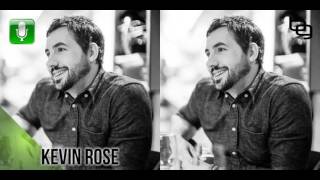
This is a transcript of a Ben Greenfield podcast episode featuring Kevin Rose (entrepreneur, investor, and self-experimenter) discussing biohacking practices. Topics include microdosing lithium as a low-dose nootropic, ceremonial and lightly-roasted 100% chocolate for mood and ritual, experiments with ketogenic diets and exogenous ketones, extensive cold exposure training (Wim Hof method) and saunas, intense breathwork (holotropic, Kundalini, Wim Hof breathing), mantra-based/transcendental meditation, intermittent fasting and Kevin's free 'Zero' fasting app, and nature-based interventions (Japanese forest bathing). The episode also includes multiple sponsor/read segments and product recommendations.
Chapters
Hey, what's up? It's Ben Greenfield. Get ready for a really entertaining podcast with a guy whose name I will reveal shortly, if that's mysterious enough for you. But before we delve into today's podcast, let's talk electricity. Specifically, all those folks you see on Made for TV commercials. I guess every commercial is made for tv, except this one is made for a podcast. But they're shocking themselves, right, with like, the electrodes attached to their abs. And the fact is, when you look at a lot of these, what are called EMS devices, they're electrical muscle stimulation devices. They use these little microprocessors in them and they cycle through different frequency and voltage levels. But the technology all these things use, it's actually pretty antiquated. Antiquated? Antiquated. It's old. They employ what's called a static square waveform and really high voltages and frequencies to generate enough muscle recruitment. And that means all the muscles get recruited at four full power. They get held at full power, and then they get instantly and fully released. That can be harsh on a muscle. It can be good for like, building a muscle and training a muscle. But if you're trying to get rid of soreness, if you're trying to heal up an injury, or if you're trying to recruit a muscle in a pattern that's more natural, then that stuff doesn't work. So there is this device, though, that has what's called a dynamic decaying waveform. That means it grabs your muscle fibers in a way that allows them to properly relax after the contraction and a move fluid in and out of tissue without causing actual fatigue to the muscle. And this one's called the Mark Pro M A R C Pro. It's super easy to use. You don't need a degree in anatomy. You just hunt down whatever area of your body hurts or is sore. You surround it with these little electrodes. You just slap them on your tissue and they stay there. I like to put like ice and an ACE bandage over the electrode so I can really jack up the electricity. And then you just more or less shock the pain away. I probably shouldn't say shock the pain away. That makes it sound really bad. Very therapeutic. It doesn't hurt, but it's actually pretty cool. I mean, your muscles like move and wiggle and the blood flows to them and you take the electrodes off and your pain is just gone. So it's a very, very cool thing to own a well functioning EMS device that recruits muscles in this fashion and you get 5% off of a Mark Pro or off their fancy Fancy Mark Pro. Plus you just go to markpro.com, that's M A R C pro.com and when you go to markpro.com and you use promo code Ben, that's what gets you 55% off. The promo code BEN will get you 5% off Mark Pro all your own. This podcast is also brought to you by the Nutritional Therapy Association. Now it's pretty cool. They actually offer certifications that are way beyond these run of the mill nutrition certifications that teach you how to eat whole grain Cheerios and make copious amounts of apple and banana and kale smoothies. No, these certifications are instead designed to teach you how to use nutrient dense foods to heal your body or to heal your clients bodies. It's a really, really cool way to learn a lot about nutrition. They're very based on like the Weston a Price ish type of philosophy on eating real whole ancestral foods, things like bone broth and organ meats to support the body. And you can get certified from their nutritional therapy practitioner and consultant certification. So it's an incredibly cool way to educate yourself on nutrition. You can find more@NutritionalTherapy.com their registration for their classes closes on February 6th. So if you're listening to this podcast, when it comes out, you need to act fast. And classes start February 13th. So if you want to be the smartest little nutrition cookie on the face of the planet and be able to help people eat properly and also not get sued because you have the piece of paper that says that you can help people eat properly, nutritionaltherapy.com is the way to go. And by the way, they have a big conference that I'm speaking at in Vancouver, Washington, March 3rd through the 5th. And to get in on that conference, go to BenGreenfieldFitness.com NTA that's BenGreenfieldFitness.com nta to register for the nutritional Therapy conference. You can do both. You get the certification and the conference if you want to be an overachiever. Speaking of being an overachiever, man, we have a lot going on. In today's podcast, we talk about a ton of different topics, from chocolate to elephant poop, coffee and beyond. So you're gonna dig this one. I actually purposefully used that word, dig. And you'll learn why in just a moment. Let's not digress anymore, shall we? In this episode of the Ben Greenfield.
Fitness show.
By the tenth week, I was filling my bathtub full of about eight to ten bags of ice. And I could sit there, you know, 20 minutes up to my neck in ice water and not even shiver. It was just insane. And I felt better than I ever did. Like, just I was operating on a different level. It was amaz. The forest environment promoted lower concentrations of cortisol, lower pulse rate, lower blood pressure, greater parasympathetic nerve activity just from sitting around the trees.
He's an expert in human performance and nutrition, voted America's top personal trainer and one of the globe's most influential people in health and fitness. His show provides you with everything you need to optimize physical and mental performance. He is Ben Greenfield. Power.
Speed, mobility, balance, whatever it is for you, that's the natural movements get out there. When you look at all the studies done, studies that have shown the greatest efficacy.
All the information you need in one place right here, right now on the Ben Greenfield Fitness Podcast.
Hey folks, it's Ben Greenfield. And my guest on today's show was actually named by Time magazine as one of the top 25 most influential people on the web. I'm not quite sure what that means, but he was definitely ranked as that. He's also actually been ranked as the top 25 angel investors or one of the top 25 angel investors by, by Bloomberg. He serves on the advisory board of Google Ventures and the Tony Hawk Foundation. So obviously he pulls a lot of sway when it comes to both Internet and skateboarding. He founded Digg. He founded Revision3. He was the general partner at Google Ventures. And perhaps most interesting for me and for you, and perhaps not as well known to a lot of folks, is that he also considers himself to be a pretty well versed body hacker. And I can attest to the fact that that is the case after listening to a few podcasts that he has done with another previous podcast guest, Tim Ferriss. Because my guest today is Kevin Rose, who actually co hosts a show called the Random show with Tim Ferriss. And he's frequently experimenting with things like cold water training and breath work and nootropics and ketogenic diets and meditation and fasting and all manner of hacking efforts that we're actually going to discuss on today's show. He's actually recently released a free app which I'm going to put in the show notes for you guys to go check out. And the show notes, by the way, are going to be over@BenGreenfieldFitness.com Kevin. That's BenGreenfieldFitness.com kevin. And this free app is designed to help people track their Fasting, which might be top of mind for you if you're listening to this podcast when it comes out, which is just about right after the time you've probably polished off your last holiday cookie and maybe sucked down that last little bit of special whiskey that you got for Christmas. So Kevin is a wealth of information. We're honored to have him on the show. He's an investor, he's a podcaster, he's a self experimenter. He's a cool dude. Kevin, welcome to the Ben Greenfield Fitness Show.
Ben, thank you for having me on. I'm a huge fan of yours. Been listening for a long time. I have to say, I love your podcast because you guys are not afraid to tackle pretty much any and every subject. Like a lot of cool, woo woo. Stuff I actually like, which is actually a compliment.
Orifices, ears, eyes, buttholes. We stick stuff anywhere and then report on what happens.
It's awesome. It's awesome because I find that a lot of the best science actually comes out of these little tiny things that we once thought were woo woo but actually prove out to be something real. So it's good.
Good to be on. Yeah. These little tiny things, like you were telling me that you were experimenting with microdosing with lithium. Speaking of little things that seem to actually produce pretty big results. Is that the case? Are you actually using lithium as a nootropic?
Yeah, I have been for a while. So, you know, I think that it's a real shame that lithium tends to be thought of as this substance for people with bipolar disorder. You know, it kind of often gets demonized and lumped into like, oh, if I'm taking lithium, something must be wrong with me, you know, but it's funny, I don't know if. Do you know the whole backstory on lithium in soft drinks and beverages? It's actually quite fascinating.
I know it has something to do with seven up in the same way that I guess cocaine used to be some kind of an ingredient in Coca Cola. That's right. Lithium was part of 7Up, was it not?
Yeah. So in 1929, there was this guy by the name of Charles Grigg who launched a soft drink called Bib Label Lithiated Lemon Lime Soda. It doesn't run off the tongue nicely. Yeah, it didn't sell that well, but his slogan was it takes the ouch out of the grouch. And actually he hailed it as being improving your mood and curing hangovers and blah, blah, blah. Later, he remarketed to 7 up and supposedly the 7 in 7 up is supposed to be the rounded up atomic weight of lithium, which is 6.9. Yeah. So I started reading about its health benefits. There's actually a really good book out there that you can get on Kindle or wherever on Amazon. It's called Nutritional A Cinderella Story. And it really kind of covers the whole. All the research that's been done over many, many years about lithium in our drinking supply and about how there's certain. There's been research that has been done where they find high levels of lithium, naturally occurring lithium, in our drinking water, and in areas where that's present, there's lower suicide rates and a bunch of other things. So I was thinking, like, why not, why not try it? Like, you know, you can buy this stuff on Amazon, you know, and typically when you think about people that are getting dosed with lithium for, say, bipolar disorder, that level of dosage is around 300 milligrams twice a day. So, okay, if you have a disorder like that, a doctor is typically going to prescribe to you around 600 milligrams or higher of lithium per day. And it's really. At those levels, you have to be really careful. Like, you have to get your blood drawn and check to see if you're not gonna OD on this type of stuff, because that is a concern. When you buy it on Amazon, you typically find it in kind of capsule form right around 5 milligrams.
Per capsule. And so what I do is I went in and I did the research in terms of these different drinking water supplies and kind of what their levels were at and where people were feeling this kind of mood boost that comes out of just taking this as a supplement. And it's actually really, really tiny amounts of it, as you'd imagine being found in this drinking water. So I aim for around 2 milligrams per day. So 1 milligram in the morning and 1 milligram at night. And so that means I'm taking these 5 milligram capsules and cracking them in half and kind of slowly twisting it so you get a little of the powder out. I actually just recently found pure encapsulations makes a liquid form. You can do it in drops. And it's around 1 milligram per full dropper. So I do like a half a dropper on the tongue and then the other half at night. And that gets me my full 2 milligrams per day.
I'm going to have to check on the label because this popped up a few weeks ago on a Show that I did with this guy who made what we called the God pillow, which is just a blend of like 42 different nootropics. It's called Qualia. Have you heard of this before?
No, I haven't.
Okay, so Qualia is like the new darling of like the smart drug or the nootropic community. It's made by these guys out of San Diego called the Neurohacker Collective. And it really is like just about everything you'll find in research all thrown into one bottle. And it's two doses. You take one dose on an empty stomach when you wake up for all the. The water soluble compounds that might have inhibited absorption if you consume them with food, and then you take all the other components later on with breakfast. So there's dose one and dose two, and I think it's dose one that has lithium orotate in it. And I think the way that I had one of the designers, a guy named Daniel Schmatzenberger on my show to talk about it, and he mentioned something about neurogenesis or neuroplasticity, the development of or the maintenance of new neurons, and like this neuroprotective effect that it has. Interestingly kind of similar to a lot of like, psychedelics.
Yeah, that's 100% why I take it. So for me, I don't necessarily. I have one buddy of mine that's a scientist friend that takes it and notices a mood change like he tends to when he takes it, he gets a little less irritable and he just feels more kind of zenned out when he's taking the microdoses. For me, I'm looking at the studies that talk about this as a neuroprotective. And there's also some Alzheimer's research on this that show that people that take lithium have lower rates of that. And so why not? It sounds great and it's cheap and you can buy it on Amazon. And so it's part of my daily kind of regimen.
Yeah, I wonder when they started taking it out of 7 up.
I believe it was 1950 was the last year it remained in 7 up.
So I never actually drank lithium in 7 up. No, we didn't.
We just had pure sugar as kids.
Unless you get the Mexican sugar version, it's just pure high fructose corn syrup. Unfortunately, that's right. Well, you're actually, you're married to a neuroscientist speaking of tweaking your biology with things like lithium. And it's kind of funny because your wife. How do you pronounce her name? Duria.
Daria.
Daria. I guess back when I first ran into her, she was. She was Dario Pino. Yeah, she had, like, a website called the Summer Tomato, and we were on, like, this online nutrition webcast together about whether you could burn more fat by. By skipping breakfast or by eating like a. Like a big, dense, high fat breakfast. And that was my. My first introduction to the Summer Tomato. But it's kind of funny. We've got a. We've got a mutual connection that goes way back. And I'm kind of curious. You know, she's a smart cookie, She's a neuroscientist. And I'm wondering what that's like, being married to someone who is able to analyze the brain in that way. Whether she, like, gives you special foods or gives you special diets or makes you take lithium capsules or anything like that.
Honestly, I think she thinks I'm pretty crazy. Like, she's like, really another thing that you're doing, like you're trying something else again. She tends to balance me out, to be honest. Like, she recommends just eating whole fruits and vegetables. And she has a book out called Foodist that is really kind of the balance in my life. And I tend to go and try the really crazy hackery kind of ideas. The beautiful thing about having a scientist in your household, though, is you just send them all the published papers. And she really helps validate my thinking when I'm reading through this stuff.
Right. Yeah. That's interesting.
I'm married to a rancher girl who probably fits very well into the saying that goes like, the shoemaker's wife wears no shoes. Right. She doesn't take supplements. She doesn't have a structured exercise program, she doesn't biohack. And she kind of laughs at a lot of the stuff that I does. It sounds like you might be in a similar situation.
Oh, it's the same thing. I mean, she may take a little vitamin D if it hasn't been sunny out, but other than that, her side of the. When you go into our master bathroom, you kind of open up the medicine closet there. My side is just filled with stuff. And she has two things.
Oh, it's so funny. Before I came down here, I was actually in my pantry where my wife was sitting there with her. With her hands on her hips, just, like, looking with. With a displeased face at this huge, like, cupboard that I have that's just full of bottles. Because I get, you know, I don't know about you, but I get random, you know, bottles and weird variations of bone broth and.
Oh yeah, same here.
I get all that stuff and sometimes it's kind of creepy. It's like, it's like handmade stuff with little handwritten notes on it and yeah.
Don'T know whether you should open it or not. Like, I get some of that stuff.
Some.
Someone random will find my address and like send me something and I'm like, is there a poison in here or.
Yeah, or it's just like a white blank plastic bottle with Sharpie markers on it and you open it. It's like someone encapsulated.
You take lithium. Do you do other like special nootropics or smart drugs or anything else when it comes to spinning the dials in your brain?
You know, I've tried a handful of different things, but nothing that I would stick with ongoing. I think for me it's always been about. For me it's been more recently in the kind of what can I do to the outside of my body to impact the release of certain compounds like norepinephrine with my ice baths and things like that, or extreme sauna use or fasting and things like that. But I haven't done a whole lot of nootropics recently.
Okay, got it. Now one thing. You at some point sent me a video about chocolate. Chocolate?
Yes.
I think you called them chocolate ceremonies. That intrigues me. What is it that you found from chocolate?
Yeah, so that I guess you could consider that kind of a brain hack in a way. So, gosh, there's a couple things I've run with a little group out here in New York that is really into kind of old school Mayan chocolate ceremonies and essentially what they've done. This sounds crazy, but what they found out is that if you don't kind of overly roast roast chocolate and you buy it like in its whole bean form, you can create a beverage that is just essentially pure, pure, pure 100% chocolate that you drink down. And after about a half hour, and this involves people sitting around and doing some drum circle work and things like that, you start to get really emotional and you kind of feel this a little bit of a release. And some people close their eyes and they see visions, but they believe this to be a very kind of spiritual compound that's been used for thousands of years and we've just kind of lost touch with it. And so we're talking really intense, high dose chocolate in a ceremony.
Interesting. I've never heard of that. Well, first of all, where do you get like a, like a 100% coffee bean to be able to do something like that.
Yeah. So they fly it in actually fresh, which is kind of crazy. And then they use that to process it down. So they're not buying like the overly roasted dead version of that. So they're bringing it all in fresh. The one thing that I found I've used as a supplement and I think is a great afternoon pick me up because every once in a while, a couple times a week, I'll hit that 2pm oh, gosh. Should I have a second cup of coffee? And the answer is always no. Like you shouldn't, because I'll just be up all night long. But I found a chocolate producer that I've been working with out here in New York called Fruition. And they make.
Yeah. Have you tried their 100% bar?
I have not tried 100% bar. I've had a Fruition chocolate bar, though. I remember it being. Being really good.
Yeah. So they do obviously all types of. All the way down to milk and whatnot. But they do a 100% bar that has. Obviously it's 100%, so there's no added sugar or anything else in there. But the secret is, you know, if you were to go to a grocery store and pick up 100% bar, it's typically that kind of baker's chocolate. And that stuff is horrible. I mean, it's been over roasted. It's just disgusting. It's bitter. It's really not pleasant at all.
It's got an extreme pucker factor.
Right, right. So this stuff, they purposely lightly roast it so they don't just destroy it because it's not going into cookies or baking. It's meant for consumption. So I break off about a third of that bar and just have that in the afternoon. And just like that rush of energy that you get from the chocolate and caffeine and everything else, it's beautiful. It's a beautiful thing. But that is just a very kind of watered down version of what you would do if you were doing one of these Mayan chocolate ceremonies.
Okay, got it. And can you just get fruition 100% chocolate on Amazon or do you need to go to.
Yeah, I believe it's all over.
And do like a secret handshake?
No, they've got Fruition has their own website and they sell out from time to time, but they have just the bars on there. And they're just standard chocolate bars, but they're great.
Okay, cool. I'll hunt down links for those of you listening in and put them all over it@BenGreenfieldFitness.com Kevin I'm curious if it's just like the central nervous system stimulanthe, the theobromine in the chocolate that's giving people this type of effect or if there's something else happening. I mean, I know there's a big serotonin dump, which I guess which is, you know, that's why a lot of people get addicted to chocolate.
That's right.
I'm curious what chemical it is that's allowing people to have that type of reaction to 100% chocolate.
Yeah, it's crazy how they just start breaking down in tears. I actually sent you a video that shows the ceremony going on and what people go through and the visions that they see. And yeah, you could link that up in the show notes, but it's kind of pretty intense. So you can search online and I think there's some kind of like local, depending on what city you live in, there's people that still practice this.
Yeah, interesting. I do know that chocolate does have some cannabinoids in it and so it absolutely may be stimulating the endocannabinoid system as well. There's a lot to chocolate. There's a book, a new book by Stephane Guynet who does really good research in what overstimulates us to eat. And it's actually, it's a fascinating book. I don't remember the title of it. I'm like, I'm halfway through it, but I'm horrible at remembering the actual titles of books as I'm reading them. But he actually goes into how chocolate is basically one of the most addictive calorie dense foods on the face of the planet, which can be good and can be bad. Because he talks about how if you look at ancient hunter gatherer tribes, for example, they would eat just copious amounts of food to increase their fertility and to satisfy their evolutionary thirst for simply consuming calorie dense foods when they got their hands on them. Like how he goes into how the Hasda, when they're hunting, I forget the name of the animal that they do a persistence hunt on, but if they walk by a giant hive of bees, they'll just stop completely forsake the hunt and go after the honey because that's more calorie dense and has less energy cost than actually going after the animal. And it appears chocolate kind of satisfies that need for us from an ancestral standpoint. Right. It's extremely calorie dense, assists with fertility and it's one of those things that we can get a lot of energy from in a very small package.
Yeah. And what's awesome about it is with the 100% bars, when I was really deep into ketosis and I was measuring my ketone levels a few times a day with pricking my finger, it didn't kick me out. I could stay in and still get that kind of chocolate flavor. And obviously, you know, if you do even a 90% bar with a little bit of sugar, it's gonna kick you out right away.
Right. So it doesn't have all the. Both the milk sugars as well as the added sugars. Put it at these fruition. 100%. Okay, cool. Now, with ketosis, is that something you've been doing for a while? Are you, like, one of these guys who's strict ketosis 247 or. Why is it that you're doing that type of diet?
Yeah, well, you know, I've been trying all different types of diets out, and I think that I really wanted to see about this. This energy that everyone talks about that you can just tap into when you're running off of ketones. And so, for me, it was just an experiment. I thought, okay, well, let's draw my blood ahead of time so we have all the kind of biomarkers as they are, and then go in and see what happens. And so I jumped into it and cut out a ton of protein and focused on the fats, and I got all the way in, and I was wearing a continuous glucose monitor. So I had a dexcom on me, which is, you know, you kind of pinch the fat around your stomach and you inject yourself with this monitor that sits on your side and that stays on 24 7. So I was monitoring that.
The continuous blood glucose monitor.
Yeah, it's great. You have to get a doctor's prescription to get it, but it's great because once you have it, you can find all the little hidden sugars that you don't think are there. Like, they'll just be. You'll be out somewhere, and you're like, okay, that looks pretty fatty. And you give it a shot, and then all of a sudden, you realize that someone snuck some sugar in somewhere, and you can see it right away as it's happening.
Right, right.
But, yeah, ketosis was fun for me. It was a great way to get some extra energy. Unfortunately, I'm one of those 5% of people or whatever it is that it kind of wreaks havoc on a few of my different inflammation markers. And also on my cholesterol levels were not. I wasn't taking to it well. I have a history of heart disease in my family, so it was something we had to monitor pretty closely. And so I just, it wasn't the diet for me, so I had to get off of it.
That's interesting. Are you one of the people who has the APOE gene that causes you to store things like saturated fats as cholesterol and elevated triglycerides?
That's right.
Okay. Yeah. So that.
Is a genetic marker that seems to respond really well to like aare. You familiar with a Kitavan diet? Like a high fiber, slightly higher carbohydrate diet. It's got a lot of dense cellular carbohydrates in it, but it's anything but a ketogenic, kegenic diet. Have you looked into that at all?
Yeah, that's more or less what I'm on now. I'm on a pretty high veggie, kind of dense grain diet and that's how it worked wonders, actually.
Yeah, they do a lot of tubers and coconut and fish and I know they've got cassava and yucca and sweet potato and a lot of these non wheat, non sugar based carbohydrates. But a lot of people with that genetic factor seem to respond really well to this Kitavan based diet.
Yeah, I love the sweet potatoes. I go for the, the purple sweet potatoes that they eat so much in Okinawa.
Yeah, those are, you know, about.
Have you ever been down to Okinawa? Have you visited that island at all?
No, I haven't.
So that's, that's that island right off the coast of Japan where they have more people over the age of 100 than any other place on earth.
And it's a blue zone, right?
Yeah, it's a blue zone.
That's right.
And they just consume tons of these purple. Really? I mean they just look healthy when you can see that dark, dark, dense purple color. And I cut those up and have them with pretty much everything.
I love those. I used to do the Ironman triathlon down in Hawaii on the big island every year. And that was my go to meal the night before the race was I'd get a couple of those purple sweet potatoes and prepare them with a little bit of nut butter and honey and sea salt. That's perfect. You'd wake up in the morning feeling like a million bucks. But I actually did myself the last couple years. I did Ironman. I switched to ketosis and I saw some hormonal issues too. Right. It's like rocket fuel for your liver and your diaphragm and your heart for long term endurance sessions. But for me, my thyroid wound up taking a little bit of a hit. That kind of sticks with me to this day. And then also testosterone just plummeted on that combination of extremely low glucose availability.
And high activity levels. So, yeah, it can be difficult. You said your inflammation went up when you were on a ketogenic diet, like youryour CRP or.
Yeah, I'd have to go back and look. AtI haven't looked at the blood work in a while, but I can't remember what marker it was that we were looking at, but something was a little out of whack and enough to where there was enough signs where I was like, okay, this isn't for me. And mainly it was because my father died of a heart attack and there's two other strokes on my father's side. And we were like, let's not risk it. So we just. I bounced from it. But, you know, the supplemental ketones is a fun way to get a quick little boost. Um, I've done that as well. I've tried those, those prove it brand. And then it's like an orange flavored little shake and you mix it in and, you know, if I'm just looking for, to run, go out and run five, seven miles, I'll just, you know, take one of those and do that once or twice a month. And that's, that's a nice, nice little boost of energy.
Yeah, I took those the very first time I went free diving. I took a week long freediving course down in Florida just to see what they would do to breath hold time.
Yeah, it's supposed to increase it, right?
Oh, I added almost 75 seconds to breath hold time. And that wasn't by like eating a high fat breakfast or by consuming a bunch of coconut oil. It was literally just like eating how I normally eat. And I remember when we first got to the dock for one of our first dives, we wound up at a sandwich shop. That was the place where a free diving instructor brought us to eat. So I had a tuna sandwich, which by the way, is a bad call before you head out into the rollicking ocean waves. But I also had those ketones to put myself into ketosis. And it vastly improved the breath hold time.
Well, they were talking about government research that was funding a lot of this. Right. So that they could have Navy SEALs with longer breath times and things like that. So it makes sense to combat a.
Lot of the effects of, like, hypoperfusion to the brain and exactly at depth. Yeah. It certainly has some beneficial, like, therapeutic effects when you're. When you're doing a lot of hypoxia as well. The other interesting thing are these ketone esters. There's a researcher named Dr. Richard Veach, I've had him on the show before, and he's developed an extremely potent form of ketones that is the same form as the body produces. Like all these other ketone salts on the market. They're not necessarily unhealthy, at least they haven't been proven to be. But they aren't the form that the body makes. And Dr. Veach actually produces these ketone esters that I took a bottle, because that's how you consume them, like a liquid bottle, and tested my ketones. And for those of you listening in, or for you, Kevin, if you've tested ketones, ketones, you would know how profound this is. Within 10 minutes, my ketone values were above 5.
Wow. So were they like 0.3 before you started or something or.
No, it's normally what it would be. When I wake up a little bit below 1, I'm like 0.5 to 1 in that range. When I'd wake up in the morning for blood millimolar of ketone in ten minutes.
That's insane.
Ten minutes. Shoved it.
How did it taste, though? Is that stuff pretty gnarly?
They warned me that it tastes just like rocket fuel.
Right.
That's what Dominique d' Agostino and Peter Attia, when they first, way back in the day, were doing their research on ketones, where Peter was in the lab riding the bicycle. He said it was just horrible. But these actually, they didn't taste that bad. But of course, I drink what my wife calls cat diarrhea for breakfast, which is essentially kale mixed with a bunch of nasty nutrients. So it could be that I'm just immune to the taste. But, yeah, if you get a chance to try ketone esters. I tried them in a race, too. I tried them in a tough mudder, got out of bed, raced the tough mudder and was just on fire for like six hours just on this little bottle of ketones.
So I gotta try those.
Yeah. See if you can get your hands on some. Or contact me later. I'll intro you to Dr. Veach and we can have you trial a bottle of these ketone esters, because you can't buy them anywhere. You just get them from his lab. They're not sold for Human consumption or anything like that. Although I believe. Are you familiar with this Patrick Arnold guy who develops.
No.
Yeah, he. He develops ketone press similar to those prove it ones that you mentioned. I think his is called Keto Force and I think he's trying to develop like a consumer version of this ketone ester. I believe he's the guy who's.
Yeah, I know the Keto Force. I haven't tried that though. Yeah.
Hey, I want to interrupt this podcast to tell you about a device that I stick into an orifice of my body every single morning. And no, it's not what you're thinking. It's called a human charger. It is bright in ear light therapy that is like a cup of coffee for your brain. It was originally designed for jet lag and for seasonal affective disorder, which it works great for. I mean, I live on a north side facing slope in the forest where I get sun from about 10am to 2pm so for me, blasting my ears in the morning with sunlight is really cool because there are photoreceptors in your ear that actually interact with the surface of your brain. They're very similar to the photoreceptors in your eye. And so this concept of like looking at the sun when you get up in the morning to regulate your circadian rhythms. If you don't have access to the sun, you can do the same thing with this tiny little device that goes into your ear, goes into either ear. Looks just like headphones. Fits just like headphones. It's just this little LED set of earbuds that fit snugly into your ears. You turn it on, stays on for 12 minutes and you get light therapy. It's like having the sun in your pocket. As a matter of fact, that's their slogan, the human Charger. The sun in your pocket. Anyways, though, you can get a big discount on one of these for yourself. Try it for yourself. It's called a human charger. You go to humancharger.com.
That'S humancharger.com Ben and use code bfitness. That'll get you 20% off one of these bad boys. So it's called a human charger and code B Fitness for 20% off. This podcast is also brought to you by one of my favorite energy bars. It's really more of a protein bar than an energy bar. A lot of energy bars are just like caffeine and carbs, but this one is pretty tasty. For example, it's nutrient dense. It's designed by a three Michelin star chef. My favorite flavor is the peanut butter and jelly, which combines peanut butter with whole strawberries and toasted gluten free oats. And here's the most unique part. They add the flour of something called aquita domesticus. Yes, that is cricket flour. They add cricket flour to these protein bars. Extremely sustainable protein, extremely high in minerals. The entire bar is made only with real food ingredients. So if you look at the ingredients list, I mean you'll see peanut butter, strawberries, apricots, cricket flour, gluten free oats, ground flaxseeds, a little bit of puffed brown rice, some vanilla extract and sea salt. Tastes amazing. These things are like paleo friendly. No gluten, no soy, no dairy. And cricket protein powder. Yes, extremely sustainable source of protein. And you get 33% off of a sampler pack of their most popular flavors. You can go way above and beyond peanut butter and jelly if you'd like to. And go for coconut or banana bread or apple cinnamon or any of their other flavors. What you do is you go to exo ecoprotein.com Ben that's e xoprotein.com Ben and when you do that, you get their sampler pack with all their most popular flavors. Less than 10 bucks and you too can bite into a peanut butter and jelly flavored cricket protein bar and have a little mouth orgasm. I don't know if I'm allowed to say that, but I'm going to say it anyways. It's a mouth orgasm. Try it. Exo protein.
So you're doing, I think what you call body hacking or body work where you're focusing on things aside from just drinking or chocolate or consuming lithium. You mentioned cold water and heat training. What are you doing as far as heat and cold go?
Yeah, well, you know, gosh, I'd say a little over a year ago, Dr. Rhonda Patrick. Have you had her on the show at all?
Oh yeah. Dr. Rhonda and I were just over in Finland for a week.
That's great.
Visiting a bunch of saunas over there and doing the whole Finnish, slightly awkward, huge smoke saunas full of 50 co ed nude people whipping each other with birch branches.
I love that we have that here in New York. I do that all the time. Yeah, yeah. So you know how Rhonda feels about all this stuff. And she came out with a great cold stress PDF where she looked at all the different studies, pulled together all the information and kind of found the temperatures that you want to be at to release this norepinephrine. In the brain into the bloodstream. And you know, I had heard great things from people doing this ice kind of cold training. And I was first turned on to Wim Hof, who I'm sure most of your listeners have heard of before. He's the Iceman. He's the man that he has a world record for most time under ice or in ice water. It's crazy.
Yeah, it's like over two hours.
It's insane. Most people die when that happens. Right. So his whole method, the Wim Hof method, is a 10 week course. And around this time last year I thought, well, let's just give it a shot. This guy obviously is a pro here. He teaches you some kind of yogic breathing exercises to help you really focus yourself before you go into these extreme cold conditions. And I thought that coupled with kind of Rhonda's research aiming for a little under 57 degrees Fahrenheit in water temperature, let's just give this a shot and see how I feel because I've heard so many people reporting back that you just get this great euphoria and you feel so much better, more energy, blah, blah, blah. So I started off by doing the 10 week course and it starts you off pretty easy, wherein you start with a shower, a typical hot shower, and then you end with 30 seconds of cold water. And the key here really though is figuring out if you can get your cold water and the temperature coming out of your faucet to below 57 degrees Fahrenheit. So I went out and I purchased one of these lasers that you can point at the water. You know the laser little temperature monitors.
Like everybody has in their shower.
Yeah, exactly, like we all have. And then I went and got a cup and turned on the shower and mine was not cool, quite that cold. It turns out that most showers, at least the ones that go cold and hot with one knob versus having two knobs for cold and hot, they have governors built in so they can't go cold enough. So I had to unscrew my shower, take it apart and remove the little governor. So that would go all the way to the coldest possible setting. And here in New York, obviously the cold water is coming from outside in the streets. And so it's coming in pretty cold. So I just measured before we jumped on the call today, and the water out here now is around 54 degrees Fahrenheit, which is about 12 and a half degrees Celsius. And so it's right where I want it. So essentially I put it back together and said, okay, let's start this. And the first week is five days of these breathing exercises. And then you go in and you do the 30 seconds of cold. It's difficult and it's a shock to the body. And I really didn't feel anything after the first week. It was kind of fun. And it was a fun little jolt of energy when you get out of the shower and you're like, wow, that was exciting. But then around week two, something really odd started to happen, started happening, and that's that I felt as though, you know, I would say I'm a pretty happy person in general. And I think that we all kind of ride this little roller coaster in the upper third of things where, you know, you may feel 100% one day, some days you feel 80, 85%, some days, 90% in terms of mood overall, right?
Yep.
And what happened for me is the bar was just lifted a little bit higher. I didn't see, I didn't think it could go this high. I remember jumping out of bed and just feeling like, God, I feel so good today. It's almost like I'm 15 again. Just the amount of energy and just mental clarity. And I know these are all buzzwords, but when you actually feel it, you're kind of shocked. And that started happening around week two. And that's when I started kind of ramping up to 60 seconds of cold per day. And then you continue through the 10 weeks. And by the 10th week, I was filling my bathtub full of about eight to 10 bags of ice. And I could sit there 20 minutes up to my neck in ice water and not even shiver. It was just insane. And I felt better than I ever did.
I was operating on a different level. It was amazing.
There's a lot of really interesting hormonal mechanisms. And by the way, you were that guy who went into 711 buying the giant bags of ice. Oh, exactly. Not because you were having a party, but because you were having a pack.
Yeah.
The interesting thing, and I know the nih, for example, a lot of people take thyroid hormone like armor thyroid or nature throid or something like that when they're slightly low in thyroid to elevate mood levels and enhance sleep. And the NIH is actually doing studies right now on cold thermogenesis and its effect on human thyroid levels, meaning that the long term effect of doing repeated cold exposure could actually have a really beneficial effect on your thyroid. We all tend to think a sluggish thyroid would cause you to feel cold all the Time. But it seems that if you expose yourself to cold that it can actually upregulate thyroid function. And then you mentioned Wim Hof, and I'm sure you've seen this study where he injected himself with endotoxins. I think it was E. Coli or something like that. And actually showed that by using his methods like the Shiver Walks and the power breathing and stuff like that, he could actually enhance his immune system's ability to be able to fight off endotoxins. So it's really interesting. There's all sorts of very cool hormonal responses to this cold exposure.
Have you tried the cold at all? Have you done any of this work yourself?
Yeah. So I have a 19 foot cold pool. It's out in the snow right now. I had a crane drop it out here in the middle of the forest where I live because there was no natural body of water. I keep it at about 45 degrees. And every morning what I do is I built an infrared sauna in my basement. There's this company called Clearlight. They sound like a kit to your house. And you can build this enormous sauna that you could do yoga in. And I've got dumbbells and a kettlebell in there. And so I do just about every morning 30 minutes of extreme sweating in that infrared sauna. And I'll do like Kundalini yoga and breath work and Wim Hof style breath of fire and stuff like that. And then I go out and I do five minutes of, of underwater swimming back and forth in this cold pool. And so, yeah, it's a daily practice. I haven't taken a hot shower in about three years.
Wow. Yeah, that's great. Can you notice the difference in mood and just energy and things of that nature, or was that not a big factor for you?
Yeah, mood, energy, the interesting thing. And this has actually come back to bite me a few times in terms of essential body fat stores. But I stay almost too lean. You burn fat so readily. I started doing this entire practice. Are you familiar with Ray Cronice?
No.
Okay. He was on my podcast with Tim like three years ago and we actually did a full podcast on cold thermogenesis. And Ray came out to Spokane here where I live, and gave a talk at a conference that I put on. And he showed these fascinating graphs of fat loss, like extreme fat loss in these folks he was working with and all he was having them do. He didn't modify exercise, didn't modify diet, nothing. All he had is this.
The brown fat activation stuff.
Yeah. He had to do a five minute shower in the morning and a five minute shower in the evening, doing almost exactly what you've just alluded to. They were doing 20 seconds of cold, 10 seconds of hot, 10 times through. Right. So for a total of five minutes. And the fat loss effects were staggering. And so when he showed all those graphs, that's when I kind of started doing a cold shower daily and often twice a day. And then like this, this cold plunge in the morning and yeah, you're right. I mean, it's one of the best things you can do for your body, aside from exercise and I guess taking lithium and eating chocolate.
Yeah. Well, when people ask me because they know I'm into these types of things and try all kinds of crazy little experiments, this is definitely in my top three of things that I've actually felt a change. You take a lot of supplements thinking like, oh, maybe I'll try this or that, and you don't notice anything one way or the other. This for me was real.
Yeah, it works pretty well. But now that you've said it, I have to ask you, what are the.
Other two of things that I've tried that haven't worked?
No, you said it's in your top three.
Oh, top three of things. Oh, gosh. Well, that's a good question. I think the breath work is another big one, I think. Have you done any of the holotropic breath work or anything like that?
Yeah, I did a very long session, meaning the proper version that's choreographed to music with an instructor there in the room and you're all lying down the floor. I did this in San Diego. I took a course called SEAL Fit with a Navy SEAL commander named Mark Devine. And one of the things that they had us do was this holotropic breathwork. And yeah, it was basically the highest I've ever gotten without the use of stimulants.
It is really crazy. And that's actually part of Wim's program as well, and something people should be aware of, to be careful with. I actually had a buddy that was doing some of this breath work that ended up passing out in a pool. So he was doing it in a cold pool at the time, passed out, went underwater, unconscious. They had to pull him out, revive him. It's really dangerous stuff. So it's important that when you're doing this breath work that Wim's teaching and he even says this as you take the course, but to keep those things separate so you're not about to pass out. While you're in cold water, especially.
A pool of water.
Kundalini is the other one. I had a bunch of guys over to my house last weekend for a three day mastermind. And every morning we did yoga in my basement. And first morning we did Kundalini yoga. One of the guys just flat out passed out. Just doing basic Kundalini breathwork.
Wow. It's powerful stuff. But that's one of the other three I would say I've definitely felt in terms of. I actually use Wim's method, which is 30 really deep, long, fast breaths and then you hold your breath until you can't hold it anymore and then take one gasp of air in and then release and then do another 30. And you do this for three sets. And when you do that, you get that same kind of feeling that we all know that's like this really euphoric kind of high. And then I'll take that right into meditation. So that just really calms my brain. It makes it so that the monkey mind is inactivated. You're not thinking about a thousand different things. Just kind of a really Zen ed out state to begin with. And then go right into a half hour meditation. And that for me is just phenomenal.
Yeah, it's really interesting that you bring that up because that was my first experience with Kundalini which. Have you redone Kundalini?
No, I have not.
Okay. Kundalini is really cool. A lot of people will combine it with cannabis, but a lot of people just do basic Kundalini. And it's really intense breath work combined with these special movements that you'll do. Like you'll, for example, you know, clench both fists at your side with your elbows against your rib cage. And then punch with the left hand as you exhale. Punch with the right hand as you exhale, but do that like rapid fire as fast as you can for three minutes and then you finish. Kind of similarly to the WIM HOF method, where you'll have your breath held for as long as you can and then you exhale for as long as you can and you get this rush of nitric oxide and your fingers start to get tingly and you start to experience a lot of things you get during holotropic breath work. But usually you finish with meditation or with chanting where you'll put your fingers together and do like the SATA nama over and over again. And when you proceed it with the breathwork, it's a whole different experience.
Yeah, I love that I have to try that. I'm Taking notes as we're talking. I'm going to try the Kundalini. That sounds great.
There's this girl named Summer Nicole. She lives down in Kauai and she does custom courses where you get on a Skype call with her for about 15 minutes. She interviews you and asks you what it is you want to accomplish. Like I told her I wanted to improve my cardiovascular capacity, I wanted to improve my ability to rest and relax during the day and wanted to improve my ability to meditate. And she put together a special. She does like a custom Kundalini routine where she targeted my heart chakra and my lungs and then my relaxation and some of the moves that decreased salivary cortisol. It's really cool how you can kind of have your own little custom routine. And then I just watched the video that she shot a few times and then memorized it. So you've got cold breathwork. And what's the third that you would say is in your top three?
Oh, gosh. As far as just overall things that I've seen a big impact. I mean, for me it's been meditation, but not in the kind of traditional sense of mindfulness meditation. I started out like most people using a meditation app. I've tried pretty much all of them out there and almost all of them, in fact. I haven't found one that doesn't teach you mindfulness meditation. But typical following your breath is the kind of go to form that they teach. And recently in the last year I got into and tried transcendental meditation. I don't know if you know much about it at all, but it's more.
I took a course last year.
Okay, so you know the mantra based. I'm not a fan of the organization. I think they charge an awful lot of money for you to do these courses in something that you can learn online. I did like the few days of instruction and kind of like how they help you over a few of the different hurdles that come up. But I think in general it's a pretty expensive product for what you get. But I am a fan of mantra based meditation, which I had hadn't done before. I find that I go a lot deeper, quicker. And so I started doing mantra based meditation. And for me that was just kind of a game changer in terms of reducing overall daily kind of stress and anxiety and just feel good in general. And the big change for me had always been, okay, let me fire up one of these apps and do it for 10, 15 minutes. And I really think you're not getting the full taste, because your mind doesn't really settle down until you hit that 30 minute mark. And so for me, I have to go 30 plus in order to get the true experience and the true feeling.
Of doing this practice. So I made the switch and actually committed to doing this for longer periods of time. And that's been a big difference for me.
Now, when you're doing a mantra, when you take a, a TM course, you're assigned a mantra during a special ceremony where they like, that's right, burn a candle over fruit with a picture of an old, old Indian dude up there on in a frame. And my apology, my apologies for blaspheming transcendental meditation. For any of you listening, I've actually found it to be pretty useful. But the ceremony was for me, slightly awkward. However, I got a mantra. I'm with you.
I'm with you. It was an awkward ceremony.
Yeah, but, but for you, when you're saying you do mantra style meditation, where do you get your mantra? Do you just make up a word or did you actually find a special word that's all yours?
Yeah, I mean, I stuck with the one that they gave me at the TM course. I think the key is that it just really shouldn't be something that you have any attachment to, meaning that it shouldn't be a word for you that you would recognize. It really kind of has to mean nothing. And obviously as you get deeper and deeper into it, the mantra kind of evolves in your head as you're doing it anyway. So there's a list. If you just do a search for transcendental meditation mantra words, they'll have a complete list online. I've found tons of different ones and you can just pick one and run with it.
Yeah, I did that actually after my course and I found my word was actually your secret word.
When you do the course, they tell you this is your secret word, don't give it to anyone, and it's very serious. And I was like, okay, this is private. And then I of course Google it and it's like, were you born in this year? And then it gives me my exact word. I was like, damn it.
Yeah, yeah, exactly. But I mean, all due respect, I think by taking the course and paying the money, you actually do almost paint yourself into a corner of doing it and sticking to it for their 10 or 20 minutes. Once or twice a day for me now it's twice a week for 20 minutes. I do my TM and I'm supposed to be doing every day for you know, a couple of times. But, you know, I'm, I, I think I'm still getting quite a bit of benefit. But yeah, you are right. It does have to be. It can't just be like SpongeBob SquarePants that you say over and over again in your head.
Right.
It has to be like a special word. So, so you've got breath work, you've got cold, and you've got a meditation or a mantra based meditation that you do. That's interesting. Now you're, I think you also mentioned me that you're into fasting.
That's right, yeah. I've been doing fasting on and off for quite a while and just recently decided to kind of build an app around it to give it a little bit of structure and to help other people that want to do more fasting.
Now why playing devil's advocate here, would someone need an app to tell them not to eat?
Yeah, I mean, the app actually is, it's a great question. And honestly, I just built the app because it's a really simple app that I want to see exist. I don't charge for the app, there's no ads in it or anything like that. It's just completely free. And that's what I do for a living, is build software. So for me it was let's build an app that can do a couple things. One, I wanted a really easy way to log my fasting over time. So the app goes in and saves historic data of all of your fasts over the course of a year or multiple years. And then there's a button to export it out as just like an Excel file that you can open up and do whatever you want with so you can look at trends over time. The other thing I wanted to do is that there's been a lot of research lately that show that fasting, especially intermittent fasting, where you're doing like a daily fast, it's important to start these fasts closer to sunset. The closer to sunset, the better.
Dr. Panda has a bunch of research, actually. Rhonda Patrick, who we were talking about earlier, the scientist, she interviewed three different people in the world of fasting, and Panda and Longo, also another great scientist doing fasting work. Your circadian rhythms play a big part in some of these biomarkers and in the efficacy of the fasts. And so he found that the later that you go into the night and while you continue to eat, as it starts to get dark, your body starts to produce serotonin, obviously we know this. And it starts to Prepare you to go to bed and go to sleep. Sleep. And if you're eating into the night, it can kind of screw things up a little bit. Your body should have that downtime to focus on doing repairs and maintaining your body. Not really on digesting five or three slices of pizza that you ate at midnight.
Digesting or having the insulinic response. Because I know with growth hormone, for example, for people who inject growth hormone, you get the best benefits when you're in a very low insulin state. Right. So.
The same way with endogenous growth hormone, right. When insulin levels are low while you're sleeping, you get more growth hormone produced. Exactly.
So there's been some great research. I think the only thing that we can really look to when it comes to fasting is all of the research that's been published by scientists in peer reviewed journals and there's some interesting data. One of the things that I was really kind of compelled by was that it decreased breast cancer risk and reoccurrence by as much as 36% for people that were doing just a 13 hour fast, but eating as close to sunset as possible. So 13 hour fast is super simple to do. You just have to start earlier in the night. So the second the sun starts to go down.
Right.
So the thing about the app, and the reason I created the app is what it does is it fetches your location and then we calculate in real time when the sun is going to set. And so it also logs your nighttime eating hours. So it knows, let's say you start your fast at 8pm and you hit start on the app. It knows, okay, the sun set at 6, so we're going to log two hours of nighttime eating. And then it puts that in the Excel data as well. So for me, you're right. Any dumb tracker that your timer that you have on your phone can time your fast. But this is just more for any of the geeks that are out there that just want to kind of log all this stuff and look at trends over time.
Yeah, it's really interesting because both light and food are a zeitgeist. Right. Which is like a circadian rhythm regulator. And so for people who have jet lag or sleep issues, one of the best things you can do in the morning is huge blasts of sunlight and a big breakfast. But it sounds like from what you're saying, the, the flip side could be true for an evening habit and a very light meal or fasting in the evening as soon as everything gets dark could be quite beneficial for nighttime health.
That's right. So I try to like the fast I'm doing right now is actually for two reasons. One, I'm trying to eat as close to sunset as possible, keep it under three hours of nighttime eating per day. And that's based on that research around all the cancer and all the positive benefits that happen there. And the other piece of it is that honestly, as silly as it sounds, Hugh Jackman came out and talked about intermittent fasting for training for Wolverine. So one of the ways that he got must work. No, I'm telling you, one of the reasons he got absolutely ripped is that his trainer put him on a daily 16 hour fast. And he talks about when he was training for his first movies, how it was really difficult and he had to spend all his time on the treadmill. And then the later as actually he was older in life, it was much easier for him just doing a 16 hour fast. So you stop eating around 8pm and then have your first meal around lunchtime and the fat just kind of falls off.
I wonder if it helps with sideburns too.
Yeah, those nice sideburns and metal claws.
Yeah. The interesting thing with.
Fasting when it comes to that is that. But it seems to be different for women versus men. Have you run into this at all? The issue that a lot of women have with hormonal issues when they do too much fasting?
I haven't seen any of that. No.
I try to stay away from. I'm pointing everyone. When you have the app or any of this stuff, I point everyone to all the published papers and all the science and have them talk to their doctors because it's so important to have a doctor kind of help help you through this stuff.
Yeah, I'll put a link in the show notes for people. But basically the deal is with women, they tend to report that they'll start to miss their periods when they do these 12 to 16 hour intermittent fasts. And apparently the reason for that is that women have a high production of this molecule that neurons use to communicate. It's called kisspeptin. And kisspeptin actually stimulates the gonadotropic releasing hormone. That's like the hormone that tells you, you know, to release like, you know, luteinizing hormone and follicle stimulating hormone and all these things that allow women to have their period. And apparently when women in particular fast, their kisspeptin levels just like plummet. And so it's almost like men have this built in hormonal mechanism to do better with long periods of time. Without eating compared to women who of course do better with higher essential body fat stores. But it appears better with eating as well. For me though, I'm on board with you the way that I do it. I don't have an app, but I'm very competitive. So when I and I've done this for the past few years, about as long as I've done this only take a cold shower thing. When I finish dinner, I take out my watch, I press the mode button, open up the chronograph and I press start. And I have a very simple rule that no caloric based substance, including MCT oil or bulletproof coffee or anything like that is going to go into my body for 12 hours. So I always have at least a 12 hour window and I try and shoot for 16 hours that I just go without eating. And you're right.
Do you do black coffee without anything added?
Black coffee? Sometimes I'll put some mushrooms in there like chaga or in the morning, typically it's chaga or cordyceps is the other one that I'll use. But yeah, no, just black coffee in the morning and that's it.
Yeah, I'm the same way.
Despite the. Have you seen the video going around Facebook with the guy who is doing a biohacker parody video and there's a pretty funny part of it where he drops a couple sticks of butter into his morning cup of coffee and no, I haven't seen that. Simply amazing. It astounds me how putting 1,800 calories of butter into my coffee each morning allows me to stay in a fasted state without getting hungry.
Right.
So yeah, yeah, those morning calories count. But that's interesting. Do you have a. Is that fasting app actually released?
It is, yeah. It's just called Zero, which is named after the amount of food you eat while fasting. And so you can just go to the iOS Apple App Store and type in zero fasting.
Okay.
And it'll come up and yeah, like I said, it's completely free.
I'll find it and I'll put a link to it in the show notes. I see that Medium did an article on it as well. So there you have it. We'll hunt it down.
Yeah. Have you seen the research from Dr. Longo at all around fasting that he's done at the Salk Institute?
Which research is that?
So around the cancer, around fasting in combination with chemotherapy?
I haven't seen that. I had a fascinating interview with a guy named Dr. Minkoff about the metabolic theory of Cancer, which is basically stating that cancer originates from damage to a cell's capacity to generate energy with oxygen, like oxidative energy production. And so these cells just go into extreme glucose utilization and. And churning out lactic acid. And a big part of cancer is due to extreme glucose metabolism. And a lot of that could be managed by not having glucose around, which would be faster.
Right, right, exactly.
Yeah.
I had a friend of mine here a year and a half ago that came down with stage four cancer. And it was really scary there for a while. And he. Dr. Longo, who, again, who Rhonda interviewed, has this program where you fast actually a couple days prior to doing chemotherapy with the idea of kind of helping weaken and kill off these cells that might otherwise turn cancerous. And he did it and for six months fought it all back. And now he's, knock on wood, he's in full remission a little over a year later. And I was just blown away by. And he was talking about how much better he felt having fasted prior to doing chemotherapy because he was three chemo sessions in and decided, okay, well, I did this fasting thing. It's really brutal. It's hard to do. I'm just going to eat for this round of chemotherapy. And he ate food prior to going into it, just like they always typically tell you to do. And it felt like just absolute hell after eating. And said that the side effects and symptoms from the chemotherapy were so greatly reduced when he did two days of fasting prior to going into it. Obviously this is all stuff that you want to chat with your doctor about if this is affecting you, but the research out of the Salk Institute from Dr. Longo is really compelling when it comes to fasting combined with chemotherapy to kill cancer.
Yeah. Thanks for including the disclaimer, by the way. For those of you listening in, Kevin is not a cancer physician.
That's right.
But he's spot on. There's a book called Tripping over the Truth. Have you read this book, Kevin?
No, I have not.
It's about that whole metabolic theory of cancer. And the book when people tell me that a loved one has cancer or that they want to lower the risk, risk for something, some cancer, they have a risk of breast or prostate. I tell them to read this book and to especially go towards the end of the book, even if they want to skip all the science, just to go into all the practical recommendations about, A, how to improve mitochondrial health, which is the key to curing or managing cancer, and then B, how to eat a diet that is Basically fasting and ketosis. And someone actually wrote me, this was just yesterday, someone wrote me and told me that they had a loved one who had gotten cancer and they had this whole plan set up and they were going to be doing fruit juicing and vegetable juicing and only consumption of grains and very lean proteins. And I told them that was probably one of the worst things that they could to manage.
Spiking their sugar.
Yeah, right, exactly. Like mainlining sugar into the bloodstream along with grains and proteins in the absence of any fats. And so yeah, this metabolic theory of cancer book, he'd probably like it. It's called Tripping over the Truth. It's actually a pretty easy read, but it's a great one. It's right in line with everything you've been talking about.
Great, I'll check it out.
So you've also got this email newsletter. I didn't know about it. I was stalking you, however, leading up to this podcast and subscribing to it yesterday. So I haven't actually gotten it aside from the confirm your subscription email. But I'm curious about it. What is the journal that you put out and as a follow up, what's the coolest kind of health related topic that you've talked about in the journal in 2016?
Yeah, well, the Journal is just called the Journal. Actually it is a monthly newsletter that I put out and I tend to having started digg way back in the day and been a big fan of tracking all things that are going on the Internet. I tend to read a ton of different articles when it comes to technology related products and health related stuff. And, and so I put all of these into a spreadsheet and at the end of the month I pick my kind of top five articles and then I publish them in a newsletter. So it's a once a month newsletter. It's not something that bombards your inbox every day or every week. So I put this out. We've got around 70,000 people that are subscribed to it. And yeah, it's just a collection of the best stuff. I call it a newsletter for the curious because I'm always finding little hacks on how to create productivity hacks or whatever it may be. But as far as health related stuff, gosh, I've covered a lot of meditation and various little compounds that I've tried throughout the year. But one of the things that I thought actually recently was pretty cool was this idea of Japanese forest bathing. Do you know much about this at all?
I wrote an article on it at some point last year they. Shinrin Yoku, it's called. Right?
Yeah, yeah. So it's literally, it's just being with the trees. But what's so fascinating is that I love all things that are from Japan for some reason. It's just everything they do is so much cooler than what we do.
I'm right there with you. Even the fried chick. I used to go over there and compete in triathlons every year in Nagoya and I'd always take the bullet train over to Kyoto. And what amazed me was that the fried chicken in Japan is freaking off the hook.
Oh, everything there that they put their effort and attention on is just amazing. So here's a quick. Oh, here's something you'll probably like. And since your readers love health related stuff. One of the things I found in Tokyo, it's this place called Hatau. H A U T O U. I believe it's a coffee. It's a coffee shop. Okay. And it's down this little tiny alley in Tokyo. And a friend of mine told me, you got to go check this place out. So I go in. I'm okay, I want to have my morning coffee. This sounds great. I sit down. They don't speak any English, but the only thing that you can tell them when you sit down is the word old beans. You just say old beans to them. And this guy, this old man who's in a full on suit with his tie and everything, he brings these fermented coffee beans, like aged old coffee beans that have been fermenting and he grinds them up in front of you and he puts them in this kind of bag, this kind of pour over bag, but it's more like a little satchel, like a little like almost like a little leather sack. And he slowly pours hot water over the top of these fermented beans. Once he's ground them up, the entire process, I kid you not, takes about 15 to 20 minutes for one cup of coffee. And then he like proudly serves you this cup of coffee which costs about three and a half, four dollars. And it's the most amazing like attention to detail and absolute like perfect Japanese experience when you go in there. And plus there has to be something super healthy about fermented, you know, all things fermented.
It must be nearly as good, you know, that's why they say like the, if you're to like the black ivory coffee which they collect from elephant dung or the.
Right, right. I've had that.
The weasel coffee.
You know, the weasel is the one I had.
Right, right. Yeah. Apparently one of the reasons it's so healthy for you is because of the fermentation of the bean that takes place in the gut of these animals.
That's right. And so I actually got a little small bag to go and I examined these beans later and they're just super oily, just ultra oily, and they kind of have a slightly rotten smell to them. But the cup of coffee was phenomenal and it was just a fun little experience. But that was just a little side tangent on all things awesome that come from Japan. But this idea of forest bathing. They had 280 subjects that they did in the study. It was like a $4 million study that was funded out of Japan. And they measured in these subjects cortisol levels, blood pressure, pulse rate, and heart rate variability. They took the subjects and they put them in the city for a day, measured all these things, and then they put them out in the forest for 30 minutes. And they found that the forest environment promoted lower concentrations of cortisol, lower pulse rate, lower blood pressure, greater parasympathetic nerve activity. Like, it was just amazing just from sitting around the trees. And it's funny, it's like we don't even. These are the things that are just readily available that aren't compounds and the things that we can do and we just forget to do them.
Yeah, yeah. After looking into some of that research, I live out in the forest. Right now it's 14 degrees outside. I don't necessarily have the windows and the dog doors open all the time, letting all the plant polyphenols and flavanols and pine oils seep into my home. But what I started doing after I looked into that. I don't know if you've messed around with this at all, Kevin, but I get pine oils and my favorite is blue spruce. I get a blue spruce oil and I diffuse this in my office. So my entire office smells like a forest. When you.
Where do you buy this stuff? I've been wanting to get into kind of the aromatherapy world, but I have no idea what I'm doing.
Most, Most essential oil companies are multi level marketing companies. So you got to get past that. I don't. I have no clue why. Like, you know, the Doterra and Young Living and all these companies, they're. They all have the websites that have, you know, the opportunity button. That's right. Like YouTube. It's always the red flag when you visit a website. It has the opportunity button at the top of it. But I get mine from young living essential oil oils. And it's blue spruce. It's an Idaho blue spruce oil. And I don't know how they've measured this, but you know how everything in biology vibrates with a certain frequency. So apparently this blue spruce extract vibrates at the highest frequency of any of the plant essential oils known to man. And so it's got this very like vibratory, energetic, uplifting type of scent. But the other interesting thing is they do this cologne called Shatran S H U T R A N. And women cannot stay off you when you have this. Just a few drops of this Shatron oil. And one of the things that's in it is blue spruce. And the interesting thing about that is they fed blue spruce in rats, in rodent models. They put blue spruce in the drinking water and saw nearly a doubling of testosterone levels. And so there's all these cool things that you get from. From pine trees and in this case, spruce and. Yeah, I started using blue spruce after I wrote that article on Shinrin Yoko, because I was like, how can I just get this all the time? And so it's right next to me right now. It's coming out. I have this little cylindrical essential oil diffuser on my desk here. And you put just a little bit of water and a couple drops of oil in there and then you press a little button on it and it just diffuses oil all the time. Wherever you're at, your bedroom, your office, wherever you.
That's amazing. Okay, I'm in. Does your wife approve of this Chatron? Do you wear this around her?
Yeah, she likes it. So I do Shatron. And then the other one that I do is I get vanilla and sandalwood and blend those half and half, right? Just put them in a little dropper bottle. Half and half. And she digs that one, too. It has a very manly scent. But again, there's no, like, you know, most colognes have all the things in them that give you man boobs, basically. And so it doesn't have any of those endocrine disruptors in it.
You know what's funny? I was going to tell you, my wife actually really digs the face wash stuff that you sell. I actually bought a bottle of that stuff.
Oh, the skin serum?
Yeah, the skin serum. It's amazing. It smells awesome. I use it at night and she loves that. What do you put in there? There's like. It's a combination of like 10 different things, right?
It's got 12 different oils in it, like Yoba and Oregano What I did was I went and found all the oils that have been been shown to do things like decrease wrinkles and increase the actual tone and color of the skin without actually drying it out and just put them all into one bottle. And yeah, it's privately bottled for me down in Florida. And then, yeah, it's aloe vera and yoba and triphala and lavender and all sorts of stuff. But yeah, the cool thing is if you hunt down a wrinkle on your face that you can keep track of by looking at it in the mirror each day and you just put this on your face each day, you can literally watch. If you just identify that one wrinkle, you can watch it disappear over about 30 days as you put the serum on.
It's great stuff. Thanks for making that.
Yeah, yeah. Your check's in the mail, man. Thanks for mentioning it.
I was going to tell you one other thing since we're talking about the forest bathing. So after I had read that research, I found this app that is free, that is pretty cool. It's called Wildfulness W I L D F U L N E S S and it's essentially these different scenes, kind of like animated, that you just launch the app and it's got like, you know, a deer in the forest that's animated with some raindrops falling down. And these designers went out and built this app. It's a really, really beautiful app. And put together this really high fidelity audio to go with it that brings in all these sounds from the jungle or the forest or whatever it may be. And so when I can't make it out in nature, I actually have this on my iPhone and I'd leave it there sitting while I'm working on the computer and just plug in some headphones and it kind of takes you back there. So maybe I'll combine this with your essential blue spruce oils and be set.
Well, you need to plant like a little tiny baby pine tree on your desk and you'll have everything.
I don't ever need to leave the house.
Perfect. Exactly. You'll never need to go into the forest again. That's funny. That's very similar to this other app I just started using a couple weeks ago called Brain fm. And it lets you choose like, scenes and rain sounds. The weird thing is you'll set it. I put it on my mom over Christmas and just laid her down, put my little sleep mask on her face, the Bose sound blocking headphones, because that's my M.O. now when I use this app and it just Takes you into this dreamland. I put her on it for five minutes and she thought she was asleep for an hour. When I went, took off the mask and took off the headphones, she's like, where'd you go? What happened? And I mean, it just. It's like that holotropic breath work you were talking about, right? Like, you get into this hallucinogenic relaxed state almost effortlessly. It's really. It's a really interesting app. I don't.
I'm getting a little guy with the smiling headphones, right?
Yeah, exactly. I'm getting on the podcast to find out exactly what. Because it's not binaural beats, which is what a lot of these apps are. It's, it's. It's something else, some way that they mix the sounds. But it's really interesting, especially when you use it with the really nice Bose noise blocking headphones and then a really good sleep mask. So you're just drowning out all light and sound. And you just have this one app going. If you only have 10 minutes to hit the reboot button on your body, it's freaking amazing.
Awesome. Just downloaded it. Perfect.
Yeah. So Kevin's journal is what that's called. And I'll put a link to that one. Or it's. Or it's the journal. Email, right?
Yeah, it's a email domain, so just the journal email. Thank you.
Cool, I'll link to it. Kevin, you're a wealth of information, man. The show notes for today's episode are going to be a novel. But for those of you listening in, that's part of the fun of these podcasts where we get people on who have access to all sorts of interesting things and then hook you up with the information. So I'll put everything over@BenGreenfieldFitness.com Kevin, if you're interested in, I guess, coffee that elephants have pooped out, or chocolate ceremonies or anything else that we Talked about, or 7up. I suppose we should probably put an Amazon link for 7up on it that people can.
I'll give you a link.
You could add lithium to it and make it just like the old days.
Then you're set. Yeah, I'll give you a link to that Japanese coffee house, too. The only thing is you have to be. They don't speak English, so you have to be really quiet and respectful when you walk in. It's a little tiny place, but if anyone's visiting Tokyo, basically no Americans allowed, that's. That's kind of the vibe when you walk in. So just, just be really, really cool when you walk in there and not, not loud.
Yeah, exactly. Yeah. You don't, you don't want to be that Westerner.
Exactly.
Cool. Well, Kevin, thanks so much for coming on the show and sharing all this stuff with us, man. It's, it's super cool what you're up to. And I'm looking forward to my first delivery of the journal, whenever that's going to happen.
It's coming in a couple days.
All right. Sweet, man. I'm looking forward to it. So, folks, thank you for listening in. And again, show notes over@BenGreenfieldFitness.com Kevin and until next time, I'm Ben Greenfield along with Kevin Rose signing out from BenGreenfieldFitness.com have a healthy week.
You've been listening to the Ben Greenfield Fitness podcast.
Go to BenGreenfieldFitness.com for even more cutting edge fitness and performance advice.
Sam.
More from Ben




The Solution to Aging Might Be Closer Than Anyone Realizes - With Ben Goertzel



