How Vice Lost $2.3 Billion Overnight
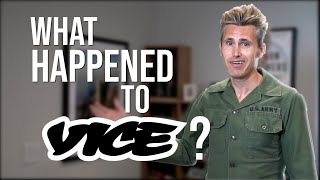
This is a YouTube video titled "How Vice Lost $2.3 Billion Overnight" created in August 2020. The content features Brendan Kane discussing the rise and challenges of Vice Media, including its partnership with MTV, the vision of its founders like Shane Smith, and the factors leading to its valuation drop. The video includes multiple speakers but primarily centers on Brendan Kane's detailed narrative about Vice's business model, content strategy, and marketing approach.
So first, what few people actually realize is Vice's video content actually started out in a joint venture partnership with mtv, the same executive who was a true visionary. So what he said is, hey, I'll give you the money. We'll go in joint venture partnerships and allow you to start taking your genius of everything they had done over the past 20 plus years with their physical magazine and turn it into digital content.
It was a punk magazine in Montreal that over the course of 20 years, exploded to include a website, a record label, and more recently, an HBO TV series.
So at the same time that this deal was happening between MTV and Vice, I was doing this deal with these MTV executives. So I got introduced directly to Shane Smith and Eddie Moretti, who was the head of their content. Now, when I started entering these meetings with Vice and the executive at mtv, I was honestly just a fly on the wall. And the thing that I noticed immediately was Shane Smith. And if you haven't seen any of the Vice content, I highly recommend going and checking it out now. Shane is a master salesman. He's probably one of the best salesmen I have ever met. Then secondarily was just their overall vision, their unique vision for their content. They were covering stories in such a unique way that had never been on news or television before. I think that the first time I heard about Vice through mtv and maybe even Shane said it, but their analogy was this.
If we guys gave. If we gave you some money, like, what would you do with it? And we said we would do 60 Minutes meets Jackass, like to speak their language. It's kind of like the Jaws in Space pitch for Star Wars.
And that's the perfect analogy for that partnership with mtv, because Jackass was at its height. But again, the content had substance. They were telling real stories from all around the world.
It's spawning what some say is a new form of TV news trying to brand investigative journalism as cool, with exposes on everything from the Fukushima Nuke nuclear disaster to using basketball star Dennis Rodman to gain access to North Korea.
I'm sorry that my country and your country are not on good terms. And as I dove further and further into their business model and their vision, I could see where they were going to have tremendous success. But that tremendous success also led to their dramatic decrease in their overall valuation. So beyond just the content and the vision of the content, which was so brilliant, the reason that their valuation reached upwards of billions and billions of dollars is because of shame.
I always used to say that if Vice is doing news, then the world is completely. When we first started, we just did the holy trinity of sex, drugs and rock and roll. We were opening our bureau in China. There was a story of a two week traffic jam that stretched from Beijing to Mongolia. Why isn't somebody saying something about this? Somebody should be saying something about this. Then I realized, oh, I have the largest youth platform in the world.
And what happened was they got some very key advisors and investors into the company. One was Tom Freston, who was one of the keys to success at mtv. But at this time, Tom wasn't really involved in mtv, but he saw the brilliance of what Vice could become. So what Tom did that was so brilliant is he set up these meetings with some of the largest media agencies in the world. The media agencies that served the largest brands, such as the HPS of the world, such as the Nikes, the Adidas. They were getting into these rooms with the people that really controlled the marketing budgets for the biggest brands to the tune of billions and billions of dollars of media spend. And what was so brilliant and effective about Shane's message is he would go into that boardroom with the people that again controlled the billions of dollars of media and said, you know what? We are the only people in the world that can reach the trendsetters. Now I will say Vice is probably one of the best, if not the best, of reaching the trendsetters in the world because they spent years and years cultivating relationships. Johnny, God damn it. As an old white woman, I have a lot of questions for today's youth.
My name is Chris Pape, better known as Freedom, which was my graffiti name.
When I was 13, I made this song called Friday.
We were in Britney Spears in NSYNC.
Mode at the time. On socials, their music videos and Jackass style skits are getting numbers over 150 million apparently. I've been craving the Popeyes chicken sandwich all day at the same time. Are they the only people that reach as trendsetters? No. But Shane knew how to move in those rooms and sell people on that vision. And because he was so effective of selling that vision, he got out of the bottom basement CPM advertising and got into larger conversations with these big brands saying, you know what? You're going to pay us 10 to $100 million to launch a new channel with Vice's vision, Vice's voice, and then we're going to wrap your brand into that voice.
When I say partner with brands, I mean partner, like production partner. So we actually come up with a lot of ideas and then go to perfect Fit Partners and say, okay, we're doing a movie about climbing a mountain. Well, we should do that with North Face or something. They see Lyft because their demo gets it. They like it. We always say the millennial generation is this most savvy generation, marketing generation ever. Because they've been marketed to since they were kids. Cartoons are made to sell cereal. They don't want you to bull.
Right.
And they get it.
And that's where the scale came so quickly, is because they were able to tap into those revenue streams. Now, that ability to sell also ultimately got them into trouble. Now, what do I mean by that? Well, I think the beginning of the downfall of the valuation of Vice is when they launched their own first television network. Now, what happened when that launched, their viewership was not at the level of other major cable providers. And that's where the valuation of how they were charging these brands tens of millions of dollars was falling flat. Because now the brand advertisers could really see the potential audience size. So let's look at these article headlines that break down where Vice's valuation was at and then some other articles that values where Vice has been over the past few years and how some of their biggest investors think about the investment that they made. So again, I'm not undervaluing what Shane and Vice deliver in terms of content. It's just their vision. The way they went into these rooms and sold this huge story just didn't match up to the numbers they were seeing through their cable channel. So the question is, if they didn't launch that cable channel, would they still have the valuation at today? That's hard to determine, because I think a part of their valuation that drove through the roof was that bigger vision of creating their own television network. I don't think this means that Vice is dead and can't come back. If you really look at the history of Vice, of constantly coming back and finding innovation to grow it into the media juggernaut it is today. So even today, Vice creates some of the most interesting content on the web. They are a master in the same way that I talked about Shane, hooking people in at the highest levels to win revenue. They are masters of hooking people into unique stories, stories that normally you wouldn't even pay attention to. They're bringing in an audience that would never watch 60 Minutes, that would never watch CNN or Fox News. They are shining light on important topics, bringing people into important conversations that we all need to have as humans on the planet. So one of the key takeaways that I want for you that I think can really dramatically increase your, your level of success or take your success to the next level is this is a story about Shane. Even though we brought you in with a conversation about vice as a brand, it was really driven by Shane's ability to hook people in, to create what I call a hook point. And what that means is a hook point grabs attention. It differentiates you. So people, whether it's online or offline, will be like, I want to hear more about what this person has to say. And when we think about what Shane's hook point is. After going through this progression of Shane's story, it's the fact that he went into the biggest rooms and he said, to the biggest brands, if you entrust us with your media budgets, we can reach the trendsetters of the world. Because they know if they can tap into a trendsetter, that their product will disseminate to the rest of the consumer base. You see this over and over again. For example, why does Nike spend upwards of $6 billion a year on endorsements? Because Nike knows that that is their way in to the trendsetters. They can pay a LeBron James, a Kevin Hart to impact culture, to impact society at a larger scale. And Shane knew this. Shane knew how much money that these media companies spend to try and attract the trendsetters. The culture centers all across the world. And that's what I want for you, is most people make this mistake that they say, just because I'm creating unique documentaries or creating unique content or I have a unique product or service, all of a sudden people are going to pay attention. But the bottom line is, in the hard truth of the reality of the world we live in, there's no original idea. There is no original product, service, piece of content. It's about the context that you wrap it around. It's how you position your content, your message and brand and unique way.







