I’ve Analyzed 10,000 Hours of Viral Videos - Here’s What Works
A creator breaks down patterns from 10,000 hours of viral videos. Storytelling beats trends, testing your format matters more than chasing what's hot, and small iterative changes drive real engagement gains.
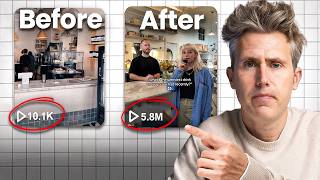
Going viral is easier than you think if you're a content creator or brand willing to study what actually works. Virality, it's not luck. It is a science. And at the heart of that science is storytelling. Because the right story told the right way doesn't just get views. It builds trust, drives action, and makes your message unforgettable. Over the last 20 years, my team and I have spent over 10,000 hours analyzing viral social media videos. And in this video, I'm going to break it all down for you. First, we'll cover the One mistake that 99% of people make that stops them from understanding how viral content works. Then I'll show you my foolproof method for finding ideas that actually work. Next, we'll uncover the reason that 97% of people fail and how to avoid it. And then finally, I'll reveal my go to method for testing which route to take that will get you the best results. So let's dive in. But first, we need to address the one thing that ruins most people's chances of going viral. Trying to follow trends. If your strategy is built on trends, you're starting from scratch every single time. That's exhausting and unsustainable. You end up relearning the game over and over again and and never get the chance to truly level up your skills. So what should you do instead? You need to find a format and run with it. A format is a repeatable content structure. It's not based on what's trending this week. It's based on what works consistently. Think of it like a TV show. People don't tune in because every episode is wildly different. They tune in because there's a format they recognize and Trust. For example, Mr. Beast $1 versus $1 million series is a format. It's a repeatable concept that instantly creates contrast, stakes, and curiosity. Tahini's restaurant built a viral brand by acting out customer interactions as sketch comedy. That itself has become a format. And Nitro Bar focused their efforts on a format where they ask every barista, what's the weirdest drink someone's ever ordered? That question alone built them a loyal following online. Even back in the early days, Blendtec turned a simple question into will it blend into a viral empire? Formats. They're not new, but creators who understand them are the ones that are winning the long game. Now. Compare formats to trends. Think back to the ice bucket challenge or that viral sound that kept shouting give me my money. Or even now every other video on your for you page says use this trending song and you'll go viral. But the problem is trends fade while formats, they scale. Trends might give you one hit, but formats give you a system. Now, our research team has studied over 300 high performing formats across different niches. These are plug and play blueprints like the 30 Day Challenge or Stranger Interviews or the Skit with a Twist formula. And the creators, seeing long term growth, aren't chasing the next big thing. They're mastering one format, building momentum and and iterating with every single post. So how do you start building a system like that? Well, it begins with a mindset shift that 99% of creators miss. I have a confession to make. I eat Chipotle almost every day and I've probably had the same burrito bowl hundreds of times. But if you asked me to make it from scratch, I wouldn't have the first clue on how to do it. Not without figuring out the exact ingredients, how much of each one, what order they go in, and what makes it taste so good. Now, it's the same with content. Most people assume that just because they've watched a ton of viral videos that they can automatically recreate them. But until you shift your mindset from just a consumer of content to an expert content creator, you're always going to be guessing. So going back to the Chipotle analogy, you've got to stop thinking like someone that's ordering lunch and start thinking like the chef that's behind the counter. What's in it? How is it built? What makes it work? When you break it down like that, you stop copying content and start crafting it. Every video that you release provides feedback and signals about what worked and what didn't. By being analytical, you can use these signals to refine your next piece of content. At Hookpoint, we developed a proprietary diagnostic system for this very purpose. A method for breaking down each content's performance. We look at dozens of variables in every video. What happens in the first three seconds? Did the opening image or line hook attention? Were captions used? And in what style? How was the pacing and energy? What emotions did it evoke? This granular analysis helps you uncover the real performance drivers behind a video. See, it's not about subjective guesses. It's about cold, hard data and patterns. We've identified three of the most common performance drivers in viral content. Promise of value. Where the viewer is given a clear, compelling reason to stick around because they know what exactly they'll gain by the end. That could be insight, entertainment, or transformation. In Ali Abdaal's nine passive income ideas how we make $27,000 a week hooks viewers in with a clear benefit. Watch if you want to learn how to earn money in your sleep. Second, the generalist principle. Now even if your message is niche, the presentation needs to be broad enough to appeal to a wide audience. This ensures that your content performs to the algorithm standards and reaches more people, including potential clients or customers who weren't actively searching you out. In this video, how to Be Car Dealers Mark Tilbury acts out a relatable skit where an everyday buyer outsmarts a shady salesman using insider tips. Though this is about purchasing a car, the dramatic character driven setup makes it entertaining and accessible to anyone who enjoys stories about underdogs winning. The third is perspective shift. The video challenges the viewer's existing beliefs or reframes a familiar concept in a way that just feels fresh, surprising, or even mind blowing. This kind of insight sticks with people because once you change how they see something, they are more likely to remember you. In the video FHA Loan by Ecom Jess, she flips the widespread belief that you need 20% down to buy a home, revealing that you can qualify with much less. That simple shift turns a dream into a possibility for millions, making it not just informative but unforgettable. Some of these performance drivers are pieces of knowledge, while others are subtle emotional cues. But the best videos often stack several of these together. Together. Now, to join that top 1% of content creators, you must go deeper. You must develop the habit of postmortem analysis of your content. Because when a video flops, don't just shrug or blame the algorithm. Autopsy it. Now, when a video soars, dissected two well, why did it work? The analytical mindset is what separates the content architects from the amateurs. Also, shifting your mindset means embracing patience and consistency. When you adopt a format, you commit to mastering it. It may take a number of tries to really nail the nuances. So resist that urge to abandon ship too soon. And a great way to avoid burnout is by ignoring a piece of advice I hear creators follow all the time. If you do this one thing, you're basically gambling at scale. You may save some time up front, but you risk wasting a lot of time on the back end with content that just simply doesn't perform. Batching is like printing 1000 flyers with a typo. You've mass produced a mistake before you even knew it was there. That's exactly what most people are doing when they decide to batch content, they end up with 20 useless videos. Let's say that video number one had a weak camera setup. You won't find that out until it flops. But now you've got 19 more videos sitting in the queue, all with the exact same flaw. You've just wasted hours of your time and budget. And more Importantly, you've lost 19 chances to improve. That's not content creation, that's gambling. And in business, gambling with your time is gambling with your bottom line. The truth is, iteration is where the ROI of your time lives in a digital world and speed is your greatest advantage. The faster you test, the faster you learn. The faster you learn, the faster you scale. In the early stages of adopting a format, you need tight feedback loops. You create one video, release it and watch the data. What was the click through rate? How was the audience retention? Did people rewatch or share it? What reach ratio did you get? These insights should directly inform your next video. This is how you build a content strategy that compounds over time through rapid learning loops, not static content calendars. Now let's take Connor Price, for example. On September 9, 2022, he released the first version of his around the world format. It went well, but 12 days later, he released another, more refined version and and that it blew up. It wasn't luck. That was strategy. He didn't batch 10 variations up front. He tested, learned and leveled up. That is the mindset. But there are so many different formats out there, it can seem overwhelming to just pick one. So how do you decide where to start? Choosing the right format is like finding the right container for your message. Not every format suits every creator or topic. You see, the magic happens when you match your message and personality to a format that amplifies them. So you may be asking, how do you select the ideal format for you? Well, start with your strength and passion. Ask yourself, what style of content could I see myself doing? Not just once, but a hundred times. Because if your goal is repeatable success, you'll be living in this format for a while. And it needs to be something that you enjoy and and can execute well. So if you hate acting a skit format with characters, it's not for you. If you're an introvert, a man on the street interview won't be fun. On the flip side, if you love explaining complex ideas, simply an explainer or visual metaphor format can be perfect. Now remember, if it feels like pulling teeth, it won't be sustainable. The format should energize you, not drain you. With a clear idea in mind, it's time to research what's working. Study content in and Outside your niche. Focus on structure. The hook, the pacing, the payoff. What formats are they using? Do you notice any patterns? Make a list of the formats you see succeeding and consider which ones might fit your style. That is what drives growth. Our team's 10,000 hours of research have identified hundreds of formats. But you don't need to boil the ocean. Just hone in on a few that resonate with you and have proven appeal. Now it's time to test them on a small scale. Once you identified a promising format, produce a video in that style. This is your prototype phase, so don't worry about perfecting it immediately. Instead, aim to learn what that format demands. Now here are a few common low lift formats that you could use to get started. Walking listicles. Now this consists of delivering actionable tips while walking. This motion keeps it visually dynamic. The list structure delivers value fast. It's perfect for experts who want to build authority and momentum with nothing more than an iPhone. The next format is X Things I Would Never do. Where professionals shares things that they never would do. This format triggers curiosity and surprise. It also challenges assumptions and delivers real value in a simple, punchy setup. Two characters, one light bulb. It's a skiff format where the same person plays two different characters. A skeptic and an expert, or a villain and a guide. And then they debate a common misconception. It's fun, it's dynamic, and teaches through contrast. This format is ideal for simplifying complex topics and making them memorable. Now, before you even hit record, the first step is analyzing what works. We need to study formats that are already driving results and and breaking them down. Now, there are hundreds of different combinations of performance drivers we analyze at my company Hook Point, and we don't have time to go through all of them. But here are a few high level examples. What is the hook? How is the story structured? And what makes it shareable? Now, once you've identified a winning structure, hone it and fit it to your voice. That gives you a framework built for repeatable success. Then comes the test. If your first video doesn't hit the mark, don't panic, because now you've got the data to boost your viral chances even further. This next part is possibly one of our most powerful techniques. It's the reason one of our clients managed to multiply her views by 2000 times the amount that her first video generated. Her name is Erin and she runs a puppy yoga business. And her first video wasn't reaching as high as she would like, but. So we ran what is called the hook point mirror test, where we put her video side by side with a similar one that had already generated 18 million views. Same niche, same energy, but very different execution. We took notes on what it did better. Then we made the tweaks to Aaron's next video and it managed to generate 59 million views in one week. It's all about evaluating your content with raw honesty by comparing it with a high standard. Remember, we're scientists conducting an experiment, so remove all of the ego and emotion from the content that you've created and approach it with curiosity instead of disappointment. To perform the hook point mirror test, I take a piece of content that we've created and hold it up against a proven winner in the same format, literally playing it side by side with the top performing video. The side by side mirror reveals the nuances we might miss otherwise. Are our first three seconds as captivating as the winners? Or does the other video grab attention faster? Is our pacing dragging at any point when the other keeps viewers hooked? How does the energy and emotion compare? By mirroring our content against a known success, the gaps in our execution become glaringly obvious. So how can you do this yourself? Say you decide to focus on a challenge format. Well, take your latest video in that format and pick a viral challenge video that you admire. Watch them concurrently. Now, it may feel awkward at first, but trust me, you'll be able to spot the differences. The hook point mirror test doesn't lie. When your video can stand next to a top performer and it holds its own, then you know you're on the right track. I will warn though, that most people end up doing it wrong. They ask themselves, would I watch my own video? And they almost always say yes. But that's a trap. You know the context and the value already. You made it, so of course you're biased. The real test isn't whether you would watch it in isolation. It's whether a stranger would pick your video over another one on their feed. That is what the mirror is really for. Not self reflection, but a side by side comparison. Let's say your video sits next to one from a top creator or a trending reel. The same scroll, the same stakes. Now which one would make you pause? Which one would you watch all the way through and share with someone else? If it's not yours, then it's not ready. Don't post and pray. Refine the hook, cut the fluff and make it undeniable. Another way to use the hook point mirror test is comparing yourself against yourself. Though it's incredibly important that you already have some high performers first. So in order to do this, look at your last five videos of content side by side and identify which one was the strongest by whatever metric matters views retention, conversions, and use that as the bar. So how do others stack up against your own best work? If one video had an incredible hook that the others lacked, isolate what made it so gripping, hold the weaker ones in the mirror to that standard, and spot what's missing. This way, you are continuously upping your baseline. Your average improves because you keep challenging yourself with your personal best. By applying the mirror test, you ensure that you're not operating on autopilot or ego. It keeps you aligned with what actually works, grounding your creativity in reality. Now, I hope you've enjoyed this video, and you'll want to watch this, where I break down the psychology of going viral.







