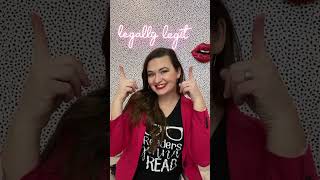
174: Getting Legally Legit with Brittany Ratelle: Essential Legal Tips for Fitness Professionals...

Small-business attorney Brittany Ratelle walks fitness professionals through the legal structure they need: forming an LLC, moving to S-corp as revenue grows, and her LEGIT framework covering contracts, insurance, and intellectual property. She covers independent-contractor deals with gyms, separate business banking, and the rising threat of AI-generated content stealing fitness coaches' work.
Chapters
Welcome to the Practice Brave podcast. I am the host, Brianna Battles, founder of Pregnancy and Postpartum Athleticism and CEO of Everyday Battles. I'm a career strength and conditioning coach, entrepreneur, mom of two wild little boys, and a lifelong athlete. I believe that athleticism does not end when motherhood begins, and this podcast is dedicated to coaching you by providing meaningful conversations, insights, and interview topics related to fitness, mindset, parenting, and of course, all the nuances of pregnancy and postpartum. From expert interviews to engaging conversations and reflections, this podcast is your trustworthy, relatable resource for learning how to practice brave through every season in your life.
Hey everyone, welcome back to the Practice Brave podcast. Today I am here with Brittany Ratelle, and she is a small business attorney who specializes in online business. So honestly, she is an absolute gem, especially for those of us in the fitness industry where we have a little bit of maybe online, a little bit of in-person. And I feel like it's really hard to get legal advice that actually fits what we do. And so I'm excited to have a conversation with you today, Brittany.
Thank you. I'm so excited to be on here and chat with you.
Absolutely. So give us a little bit on your background, who you are, what you're about.
Yeah, for sure. So I'm a lawyer. I've been practicing more than a decade. I've helped hundreds of people. And really, I fell into the work in terms of helping my first— my first online business clients were mommy bloggers, kind of the first influencers. And I've expanded from there where I help people kind of in a couple different ways. I create a lot of awesome free content where it's just information about like, hey, how does licensing work? Or do I have to get people's permission? And what are you supposed to do if you want to start a coaching program or an online course or an event? And then, um, I also sell digital resources now. I have templates and an online course that helps serve, serve online business owners. And then I have a law firm. So I own my own law firm and I'm people's lawyer and I help them out and I do one-on-one legal services for them. Um, and I just love the niche that I'm in because, um, most of my clients are women and they're incredible, passionate, hardworking women doing amazing things online. And I get to help be part of the scaffolding that supports their dreams so that they can take their businesses as big as they want to.
Absolutely. In full disclosure, she is my attorney for the PNPA brand, and I'm super grateful that Emily D. Baker introduced us a while back. And Brittany has also contributed to the Pregnancy and Postpartum Athleticism Coaching Certification. So any coaches that get certified through me, there is a whole module in the coaching cert that covers business. And if you know nothing else, here are the things that you need to start. Here are the things that you need to know. To keep you safe. And if you just didn't know that that is part of the coaching certification, it is. And Brittany provided a really great interview in there. So if you're a PNPA coach, make sure you work through module 10 so that you can learn all things business and law from Brittany. And then if you've considered becoming a pregnancy and postpartum athleticism coach, know that we got you from all things anatomy and physiology to coaching and programming, obviously all things pregnancy and postpartum, and then how to implement it into your local or your online business.
Yeah, we want make sure for you, wherever people are on their entrepreneurial journey, for sure, um, because there's sometimes not as much information about that. And especially people who might be coming to this and adding on PMPA to their practice, right, and to their wellness and how they're serving clients, um, you might not have gotten a lot of business training, and that's okay, and there's nothing wrong with you. But let's start where you're at and then help you grow so that you can keep on serving people and you can do it really confidently and with that kind of integrity where, you know, You've gotten everything and worried about the stuff you need to worry about and let go of the things that you don't— you can let go of.
Absolutely. And I think a huge problem within the fitness industry is that even those of us who have degrees in— we've been involved in this industry for a long time, maybe have degrees in exercise science or kinesiology or whatever. Business was never part of our schoolwork, right? And it's very rarely part of any of our personal training certification programs, there's not an emphasis on entrepreneurship. Sometimes it's like, it's, you know, go work for other people. Maybe it's open a physical therapy clinic. But for the majority of us, there was not a lot of business guidance. So then when you're getting out of school, or maybe you get a certification, you start taking on clients, you're like, what do I actually need to do this so that I don't get sued? I don't do something wrong. I don't want to screw myself over or my family. And then it almost becomes like analysis paralysis, because then you can't take any action because you're too afraid. You don't know what your next right steps are.
So, right, yeah. And that's not a great place to be in. And I always counsel whenever I'm, you know, get a chance to educate or speak to people, of like, there's a really healthy balanced place in the middle, just like so many other things that we're trying to figure out in terms of listening to our bodies and pushing ourselves. Like, we want to be at that healthy place in the middle. Um, we don't want to be in the analysis paralysis or I call it like, these are like my nervous Nellie people who they want everything buttoned down. And they, and especially a lot of times there's a lot of fear about even declaring themselves a business or talking about their business ideas or their product ideas or course ideas to people. They're convinced everyone is out to steal everything, right? And that's usually not the reality, right? And it is important to get feedback. It's good to validate your idea with your audience. It's good to start exploring and getting resources or even being able to talk about things. And with that, You have to show a little bit of vulnerability, and that's okay. Um, problems are part, a normal part of business. There's nothing wrong with you. And then on the opposite end, I have some people who are like my base jumpers, right? And they're like base jumping without a parachute. And they're like, I'm gonna launch, I'm gonna, I'm gonna have a 40-person retreat, no insurance, no contracts, no worries, no shirt, no shoes, whatever. Um, and that's ideally not where we like to stay either. There's a healthy place in the middle where we're taking our vitamins, we're doing our chiro, we're going to yoga, and then we don't end up in the ER. Because as we all know, the ER is expensive, it's stressful, and we have fewer options than we'd like to be. And I don't love having to serve people from that place. Ideally, I want to be proactive so that we are just building up legal as you are upleveling your business. And then it's a, it's a, it's a fun part, a strategic part of your growth.
Absolutely. And one thing that, you know, is certainly a part of the PNP brand, but even with Practice Brave Business, which is something that Heather Osby and I started this year, is we talk about like progressively overloading your business the same way we talk about exercise and progressively overloading your performance and how you're healing, how you're improving over time. Business is the same thing. So you might not have all of your boxes checked on day one or even year one, but you're slowly adding more and checking more boxes over time so that you, as your business grows, you know, your how you do things, how you show up, your systems, your processes, your legal considerations, all of those things accumulate over time as well, right?
Or growing lockstep. And the thing about, you know, our modern businesses, for better or for worse, is that we, most of us don't traditionally have to like sit in front of someone's office, right? Um, and, and, you know, and have them be the gatekeeper and they'll, and they're asking, what's your SWOT analysis and show me your business plan. And for most people that I know that I serve, even those who are serious 7, 8-figure businesses, They've never had to do that. They will never probably have to do that. And that means there's no one who's forcing you to be like, oh, well, you know that when you're making $100K, you need to do this, or when you hire an employee, you have to do these things. And so it is incumbent upon us to realize, oh, we need to take ourselves seriously. We are CEOs. We are running a business. Even if you just have a little blog, even if you just teach online, even if you're just an instructor, whatever that just language that, um, I see people use so often that I don't really love. That's not it. You're running a business, so treat yourself like running a business and treat it seriously.
Absolutely. Let's dive into some of the tactics here, especially again, we're gearing this specifically towards coaches and trainers. So they want to get a client and they want to work with this client. What do they need to get started?
Yeah, great question. So most important thing with doing any type of client work is that relationship and is going to be with the client. Normally that's going to be served by some sort of type of contract, right? And this is important because when we're a service provider of any type of services, including health and wellness, that's our main revenue stream. And so that's where things are going to go right and where they're going to go wrong. And we want to make sure we protected that revenue stream. That's the most important legal consideration. So I kind of have a framework set up. I call it getting legally legit, right? And each of the legit, the letters stand for something. And so first we lay a foundation, right? And that's kind of your LLCs and getting stuff started in your business. The E is kind of like you evaluate your website, you make sure your home base is protected, you own all the stuff you're using, you have your website legal docs. And then G is get it in writing, meaning get contracts. And this is really important for people who are coaching. So look and make sure that you've got a solid coaching agreement. And this is going to be like for a one-on-one client. It needs to be something that's talking about how are you going to schedule, what are, what are they getting, that type of packages, how long your sessions are going to be, um, when are they going to pay you. Is it everything upfront? Is it an initial payment to secure you and then there's gonna be payments along the way? Is there a late fee, right? It's really important to talk about that because sometimes people cannot pay on time and then you get really awkward considerations or you have to be chasing people down for payment. And the easiest way to avoid that drama is whoever has the money has the leverage. And so it's really good to make sure that that's clear upfront in time. It's really important to talk about the scope of the services, right? And this is especially important in health and wellness and fitness. What are you going to be doing and not doing? Are you going to be clear? Is this a coaching relationship or does this have a clinical component to it? And what are you going to be comfortable in terms of wading into and when are you not going to— what things you may be not going to do in terms of touching or doing any kind of clinical work or readings on your client or what you might want to refer out to. And that's outside the scope of your practice or your license. And you want to be clear about that. You want to make sure if there's any materials that are going to be part of this program or part of your relationship, How are those going to be handled, right? What can they do with them? Can they share them with them? Is it just for them? Can they share them with their whole staff? If you're going at more of an institutional level, can people copy those? Can they put them up in a Facebook group? It's really important to have all of that taken care of. And then, you know, there were other considerations, especially depending on what type, you know, if it's going to be in-person versus virtual. And in-person is always going to have a little bit more risk, right? Because we're dealing with people's physical bodies and physical spaces. And so It's really clear, and you want to make sure you understand what is the facility or the venue you're going to be using. Are you going to be going to someone's home? Are you going to be meeting somewhere else? You know, who's kind of— who has the insurance for that? Do you need to make sure and check on insurance or about liability? And there are certain hours or certain equipment you're allowed to use or not use. So, and just by going through this exercise and thinking through that, not only is it going to protect you from the things you expect to happen and maybe some of the things you don't, it's also going to show to the client that you are being very intentional and thoughtful in the way that you're serving them. Um, and those are really good things that you want to have that peace of mind, and you also want to communicate that value to your clients of like, I know what I'm doing, I'm competent, and I'm confident that I can, you know, serve this relationship well, and I've thought through what our expectations and obligations are going to be with each other, right?
Absolutely. And it sounds like so much. So if we're looking at this and we're like, okay, I got to have a waiver, I got to have a contract. I got to make sure my website basically has the right terms and conditions, making sure the environment I'm training in has insurance, or I, as a personal trainer or coach, have insurance. And a lot of us operate as independent contractors. We go to maybe different gyms, or we maybe pay rent in different situations to use space at a facility. Do you have any advice for that or things that we need to know?
Yeah. And that is really a common arrangement. I see it a lot in fitness. I also I see a lot in beauty is very similar setup. And really considerations are similar in that if you are an independent contractor, really under the eyes of the law, you are running your own business. And so whether you see yourself as or not, it's not, it wouldn't be appropriate for someone to characterize you as an employee because you're not. In fact, you cannot be a W-2 employee and an independent contractor at the same time. They are opposite of each other. And so if you are, put a little bit of that business hat on and think about, okay, so really it's, I would recommend Setting up an LLC, I would recommend separating your payment, right? And how money is flowing into your business, making sure you have a separate bank account and you're keeping track of money coming in and all the expenses that might need to go out, especially things like equipment fees, rent that you're paying, continuing education, right? If you're going to pay and get PMPA, okay, that's a business write-off, but make sure you're keeping track of that. And then also making sure that you're, you know, that you've, you've set up those boundaries. And that you are also saving money for taxes. It shouldn't be a surprise to you that as an independent contractor, you're on the hook for your own taxes. I really recommend the book Profit First as a great resource for universally all small businesses. And it's the key— it is to teach you how to do a good like kind of envelope style cash flow system where business money comes in and you earmark it for stuff and making sure that your expenses aren't going out of control and that you're paying yourself, which is really important because you're working really hard. In your business and you need to make sure you're paying yourself a good wage, right? That you're not working for a crazy person, i.e., yourself. And then that you've saved some money for taxes, right? Somewhere between like 25%. A lot of it depends on where you live and what your write-offs or maybe what your family situation is if you're filing jointly with your spouse. But those are just some good tools to kind of get you started so that you're, you're on your way of protecting yourself. And then also note that as an independent contractor, It means that you are free to move about and do your job the way you want to. And so if you find that someone is, is kind of asking for both ways, they want their cake and they want to eat it too, right? They want to pay you as a 1099 and yet they're requiring you to work certain hours. They're doing your schedule for you. They're collecting payment. They have a dress code for you. They're making you show up to extensive training. Those things are not really kosher with an independent contractor relationship. And so if that's the case, a maybe worth a conversation for you revisiting and saying, hey, I want to work together, but I want to make sure that we're doing this right and that I'm protecting my classification because they could think you're an independent contractor and you could have even called that. But it really depends on what the state and what the IRS say. And so there's a very extensive test that goes into that. But one of the things that they're looking at is kind of the care and control that someone has and able to do your job. And if you're independent, you need to be treated independently, which means you can move around, you can serve multiple clients. Don't let anyone con you into a non-compete. Like that's not going to work if you're 1099.
So that's really good to know. And so I'm going to like touch on a few points here. The first one, how do you know if you, if you're starting out as a business or maybe you've been in business and you're not really sure if you're filed, I guess correctly, how do you know if it should be a sole prop or an LLC?
Yeah, great question. So a sole prop is really the default status. So basically, if you start making money in any way, you are a sole prop. It's like the Times New Roman font. If you start creating a Word document, it's Times New Roman, right? You don't have to do anything. So that's what you are and that's what the IRS sees you at. That's what your state sees you as. And it's fine. That's— there's nothing like illegal about it, but there's also no legal protection. There's no asset protection. And that's what it's a really important thing for people to understand is if you are a sole prop, even if you have registered and like done a DBA or a business name with the state, you didn't set up an LLC, there is still no separation between your business money and your personal money. It's all one bucket. It's all one, one thing, which means if anything happens in your business, if anyone sues you, they can get access to any of your money that's on your table. And that could also include things that are in your retirement account savings, what you might own with a spouse, other assets. And so you can imagine that that's not a great place to be in. And ideally, we want to have a fence, a boundary in between our business money and our personal money. And the best way we do that is we set up an LLC, a limited liability company, and we do that at the state level. Each state has an online form that you can fill out. You pay your fee, you renew it every year, and it's really a great investment. Most LLCs only cost like $200 or less to set up. And then you've got a business, right? And you've got separation. And that way, if anything should happen, it's a little bit like the Titanic, you know, with an iceberg, right? It comes along, scrapes up the side, but the doors go down, that panic room, that waterproof roof comes down. And so the worst that happens is it fills up that room and your business money is at risk, the rest of your assets are off the table.
So it seems like a no-brainer if you are considering doing any business at all, protect yourself and your family and your assets by getting an LLC.
Set up an LLC. Yeah, do it sooner rather than later, right? Um, and you know, I will say that obviously I'm a lawyer, but I'm not your lawyer. This isn't official legal advice. Um, but sometimes people, you know, they say to me, oh, well, I talked to an accountant and they said I'm not making enough money and I can wait. And I can kind of understand the reasoning because they're looking at it from a financial perspective. And the, and the IRS, the tax actually is not changed once you become an LLC. A single-member LLC is the same as a sole prop. They're like, whatever, just tell us how much money you made and, and we'll— and then how much you're paying taxes and that should match. However, if you want to be an S corp and an S corp means that you're going to actually be taxed differently and put yourself on payroll and there could be significant cost savings to do this. Once you're making enough money to kind of pay yourself a full-time salary in your business. But to be an S corp, you need to be an LLC first. And so there are some big other advantages that may come with forming an LLC, but that needs to be like an initial step that you do. And so it's something to consider and just keep your eye on. And honestly, I think the juice is just worth the squeeze. And so I recommend people do it sooner rather than later. And because there's also— there's this swagger that comes with it, and I've seen it too, too often in all the people that I've helped, especially now. In my online course that I teach people how to do their LLCs, that people just show up with a different energy in their business once they're in, once they're an LLC. It's like your business birthday and you're like, I'm, I'm real, I'm really doing this, you know? And it gives them the confidence that I think is worth it.
So, no, that's really great. And I want to circle back to kind of the independent contractor situation. So we have a lot of coaches that will act as an independent contractor, say, at a CrossFit gym or a different clinic or some sort of some sort of gym environment, and they either pay rent for their time used at that space, or they're operating off of a percentage. A, what do we need in order to establish that kind of relationship, whether it's a contract or, you know, on their side, on our side? Or, or I guess I should say, and do you have a suggestion for figuring out what that rent number should be, or what that percent revenue should be for their cut?
Yeah, great question. So, so yeah, I definitely would recommend some sort of contract with the gym or the venue, whatever it is that you're involved with. And, you know, in that should talk about some of the, some of the similar things we, you know, we already discussed, but especially about how you're going to get paid. And so in terms of if it's going to be a percentage, I think it needs to be something that's tied to what you can actually control. So what's really important is that how is that percentage going to be defined? Like, how are we figuring that out? How is the calculation? Is it going to be on net, you know, like gross revenue that comes into the gym of how much money comes in, of how many people and memberships and sessions every month? Or is it going to be on profit, right? If it's profit, then that means they're going to deduct expenses and you want to make sure you have a good idea of what those are, especially because it's likely that you might not have any way to control that, right? So what happens if they— the profit goes down because they just bought a whole bunch of equipment, equipment that you actually don't, don't think they needed or was overkill, right? They wanted to get some fancy, you know, cold plunge system that you're like, well, I think this is silly. Like, everyone is fine with the horse trough system we have now. Why, why are we not doing that? And now, you know, profits are going down, and that might affect you. Um, so make sure you just understand what that number is. Um, and ideally you want it something tied to your performance and to what you're bringing into the gym. So I'd like to see more of a number that's close to this is how many clients you're bringing in and that you're serving, or how many sessions that you're doing. Um, and also, like, who's setting the pricing? Is that going to be you, or is that going to be in the gym? So I think my, my recommendation, if you could, is just to pay more of a flat fee, right? Because that's going to allow you to control more and do things like affect that pricing, right? And you get to decide how many hours and how much you want to hustle. And do you want to work yourself to the bone and make this a big thing, or do you want to dial it back? And it's more of, you know, of a lifestyle business that fits in with you. It's also going to be, you know, you're going to have more control over that. And that usually makes it more of an honest 1099 situation too, because really You should be having charging people, um, and charge them using real payment processing, not Venmo for friends and family, please. Okay, because they're not, they're not friends or family, they're clients. Okay, so don't charge them like that, um, because that's against their terms of service. You could get locked out of your money. And in fact, I've had that happen to friends and clients, um, where they have a big account balance and they get locked out because, or they, there's a chargeback or a dispute or something. Um, those systems are not set up to handle commercial transactions, so don't use them like that. And you want to make sure that you're controlling that money and doing it in a good way that you feel like you can set up and it's going to serve you well, right, with your bigger vision for your business.
Yeah. So do you think that if I'm a coach and I want to go to this gym and say, hey, can I run my program out of here, or can I train 10 clients out of here, should it be on me to propose the rent situation, or on me to give them the contract and say, I would be an independent contractor, here's my information?
Yeah, I think it'd be great.
I'm shooting my shot, kind of. Waiting on? Do I have to like have them—
have them wait? I mean, I don't think there's anything wrong with taking the bull by the horns and setting up the relationship. Now, as a negotiation tactic, ideally we don't like to be the first to throw out a number. So if there's a way that you can say, hey, I'd like to move forward with this, um, is there a— do you— have you done this with anyone else? Is there a range or something? Do you guys do it by the hour, right, or, or by a half-day rate or something? Whatever it is, they might have a setup there, and so that might be a place you start? Or if you've done this for other people, is this like a going rate? And then, yeah, make them an offer in terms of what this relationship would look like and then provide an agreement to them, right? If they don't have one already. And that way you can kind of say, for me to work as an independent contractor here, to pay you, it's really almost like a venue or a lease agreement is really what you're asking for. It's to use the space so that you could do it for your session so you can serve your clients. And in a way that's going to be affordable and make sense for your business model, right? Because hopefully you've run the numbers and know what do you need to charge how many bodies need to come through and what do you need to pay for the gym to make it all worthwhile?
Absolutely. I know you mentioned a little bit about insurance earlier. So insurance, all-encompassing for us as coaches and trainers. But what about insurance for running, say, some personal training sessions out of our home gym? How does that work? And like, really, do we need some specific kind of insurance?
Yeah, I think first stop is to check your homeowner's policy to see if it's covered. A lot of policies don't cover any commercial activity. And so if someone gets hurt in your home gym and you try to make a claim or something else, or someone, someone, maybe it's, it's a, it's a garage gym and someone leaves the heater on and it burns to the ground, right? And like, you know, you suffer a loss. If you go to your, you know, your home insurance and they find out that you were doing activity that they don't cover, they're going to find a reason to try to exclude your claim. That's their job, right? And they're, and they're really good at it. So make sure you just know what your setup is. And so if it's not covered, and it's something that you think is going to be an ongoing activity, then look at getting a separate commercial liability policy. And that's kind of umbrella insurance, really covers for people coming into your space and the activity. And it's important to explain to your insurance carrier, right, to your agent that's, that's working with you what you're doing and what you kind of are looking for coverage for. And then they can usually recommend kind of a good fit for a policy and then just price it out and make sure that you can pay it. But then you have that peace of mind that if something's to happen, it's going to protect your equipment, it's going to protect people getting hurt. You know, there's going to be some limits on maybe what the medical liability claim is, but hopefully it's at least some peace of mind that there's something there versus, right, you just shouldering all of that on your own.
Absolutely. And that can be really intimidating to think about. So I think a lot of people get nervous, right, about having people come to their house, What do I need insurance-wise? And maybe I want to take my business online. So would that umbrella policy also extend to the online space? Or is that just a totally different beast for any—
it's usually a different— it depends on the policy, right? A lot of commercial liability are, are pretty written really for like protecting physical spaces and things that happen. But sometimes they can also have some kind of like errors and omissions to them. Sometimes that's, it's a separate policy. So it depends on what the type of business is and how you're doing online. Usually those kinds of policies, like general commercial liability, is not going to cover like any IP coverage, right? Intellectual property for you accidentally taking stuff that you shouldn't, or for you having to go and defend and go after your own things. And so also there's cybersecurity insurance of right of having people's information and there's a breach. I mean, The insurance tunnel is like, it is a lot and you could go down and, and get a lot of insurance and really, you know, over-insurance and there's a right balance of what you want for your business and how much money you're making, right? And like what's the right exposure level versus that. But those are some things to start in terms of online. I would really say for an online business, the most important thing is to have your contracts first. And so, you know, after LLC and, you know, as we're talking about getting that legit framework, you know, the G is getting in writing. And then the I is kind of identifying your intellectual property. Um, and with that, it's about, you know, understanding that have you used the tools of copyright and trademark and contracts to protect all the stuff that you're creating, um, and making sure that you are, have, are clean and where you sourced it and how you created it and who touched it. And then are you covered and protected as you send it out to the world, right? And you sell it in your mobile app, in your online course, in your coaching program. Behind your paywall, in your in-person events and all the different offers that you might have.
Yeah, it is wild. And it's been interesting just to be— I've been in the online space for around 8 years now and just where we started to where it is now as like, I mean, people are just fully running, you know, as influencers, affiliate marketing. Obviously the online course is blowing up. Like it's just been really crazy to see that evolution of what business looks like in the online space, especially within our industry.
Yeah, it's, it's changed completely. And I, and I, I'm, you know, I'm frankly a fan of the disruption because I like having a lot more smaller players that are more nimble, right? And able to really serve their audiences and to niche down and be like, well, what's gonna help the people that I'm trying to serve? And what are they asking for? And what are their problems? And what are, you know, unique and interesting ways that I can serve them? And then, you know, it allows you to build successful business because you can find those 1,000 people or those 10,000 people that you want. Um, and they're not limited by geography, right? You don't have to live in a certain way and serve people in, in, in a certain set parameters. It allows you to think outside the box, which I think, um, serves us all better, right? As practitioners and as clients ourselves.
So, absolutely. And so along those same lines, what are some trends and maybe even some problem areas that you are starting to see in this space?
Yeah, for sure. So, I mean, I would agree with you that, you know, the online course industry is exploding in terms of coaching in general. The most successful clients that I've seen and I've helped support are good about niching down, and they're being very specific in who they're trying to serve and what transformation they're trying to teach them. Right. And you hear that advice over and over, right? Especially if you've gotten into online course or online program creation yourself. But it holds true in that, you know, if you're trying to serve everybody, You're gonna be like a wandering generality. That's what Seth Godin says, you know, instead you wanna be like a meaningful specific. And I also think that because of we've had this explosion and you know, now everybody wants to have an online course and make money and now there's more competition, right? And those barriers to entry have gotten lower. It also means that we need to be really clear and making sure we're adding and explaining our expertise and that we're doing a good job of explaining to people why they would want certain experts with credentials, with experience in helping people in person, right? With that, or maybe not just a business coach that's only coached people on how to be coaches, right? Instead of actually running a successful business themselves. And you can get a little bit into like the pyramid scheme theory, right? And we've seen this in like the, you know, the, the master resell rights thing and everyone calling themselves a digital marketer who's taken a 4-hour course, right? And we have to laugh a little bit of that because anyone who's actually had to market stuff online knows It is not easy. And you know, there was nothing passive about having an online program, right? I'm sure I'm preaching to the choir here. Um, and so it's good to, you know, double down on what's my unique voice and skills and how am I gonna serve those people? How do I make sure that I am, I'm setting myself apart as an expert, especially in the age of AI, right? If we're gonna have flooded with all this cheap content that's all recycled and regurgitated, okay, well what's a more human way I can serve people? Um, you know, because AI is not gonna be able to see what you can see. It can only look at the past and what's only been already created. And so what are different ways that you can make sure you're listening and paying attention and being nimble and responsive? Because I think those businesses are really are what's gonna continue to serve and be able to ride that wave of AI, right? Instead of being like crushed by it.
Oh my gosh. Yeah. There's so much to say there. And it's been really crazy to see that just so how many people are so confidently calling themselves experts and they don't actually do or teach or coach, right, that population that they're trying to sell to. And like, that's the crazy thing to see is because online it's kind of easy to put up a front.
Yeah.
Whereas in person, like, you can't really front as much like that.
Yeah. People can't Google stuff. You either know your stuff or not. You either know how to help or serve somebody, you know, and especially You know, in licensed professions, right? Um, you have to have the credentials, you know, at a bare minimum. Now, you know, there's a lot of people who do a lot more work, right? To, to, to, to really be— make sure and show up and serve their clients and go above and beyond. Um, but how can we make sure that we're doing a better job of teaching people to look for that, of being good media and information expert consumers, to be critical thinkers and looking for who, what, what is this person's experience? Where did they get this experience? How long have they been helping people? What kind of results are typical? You know, are they only teaching people to help people in a very certain way or to make money in a certain way or, or whatnot? Or do they have a breadth of experience that matches and that, you know, do they have the receipts right to back it up?
But it's like being— you have to be such an informed consumer, yet it is a culture of like impulsivity where we're like, oh, well, like, that person, basically her body looks like how I want my body to look like, or it sounds good. And it's like, so it's so hard for, I think, the majority of people to really distinguish who's legit, who's not, what's legit, what's not. And I think it is, it is just truly, like you said, with AI coming up with more people in the space, really having to do a deeper dive on are they actually what they say they are? Do they actually do what they say they do? And do they have years to back it up?
Right. Yeah. And have the experience over in different circumstances. Right. You know, like, I don't— you know, you want to hear someone who knows how to help a woman through different phases of their life and fertility and birth and postpartum. Well, let's look for someone who actually has helped people that not just someone who's got a genetic gift left, right? And he was able to, you know, bounce back or whatnot after a first baby. Like, is that actually going to be, you know, because it's, it's something different of like someone's personal experience versus if they're actually able to get those results for other people. And those are actually two very different skill sets or abilities and talents. And so, um, yeah, I, I think it's important for us to make sure that as an industry, because coaching, uh, online is a self-regulated industry, right? Although there are some states that are getting more and more complaints and they're starting to start to notice and be careful and being like, Hey, we want you to be careful about the results, about when you're using testimonials, making sure that you're qualifying those, that you actually have the rights to be sharing what you're sharing, and then you're not duping people. There's also kind of been a crackdown, especially on like memberships and cancellation and making sure that that's all really above board. There are some states that have really heavy consumer protection laws in this area. So it's a good place to make sure that you— are you making it easy for people to cancel your service as easy as it was to sign up? And if you don't know the answer to that, or if you— if someone else has helped you on the tech side of that and they can't answer that, that's, that's a good maybe indicator to, to slow down and to revisit that, because you want to make sure that you have really above-board marketing, um, and that you are not being dishonest and manipulating people and making it difficult for them to have a really good, um, you know, uh, client experience.
So absolutely. So you mentioned, you know, AI kind of watering down, uh, the quality of what is out there. It can be a tool, but we also know that it certainly not like reflective of reality a lot of the times. Right. And in that same breath, I think that we are seeing a lot of humans do the same where they're watering down content through copying, sometimes straight up plagiarism, trying to duplicate a product, a course, a certification. We're seeing a lot more of that where it's just like the watered-down version of what another creator or business has put out there. How do we go about navigating that as business owners?
Yeah, definitely. So, so we wanna definitely be using the tools that we have at our disposal and then understanding what we might have to bless and release, right? This kind of comes to the, the end of our framework here, getting legit. That again, that I is identifying IP. And so, take a look at your offerings at what you have and say, am I using the tools at my disposal? So copyright is gonna be the tool that's gonna protect your curriculum. So once you create something and it leaves your head, and it's in something fixed into something, a file, a video, a blog post, an email, whatever it can, it's protected and you own all the rights to it as a copyright creator. However, you get some huge enforcement benefits if you register the copyright to your material. And it's a step a lot of people overlook and they don't understand that in the US, again, you own all the rights to your copyright. You get all the rights to decide whatever happens to that. I call it, it's like the copyright cake. You, you baked a cake, you own all the slices, it's your cake. But now you get the right to decide if you want to license those slices out, right? And that's called like licensing and royalty. And it's how you can expand your empire because you can give slices to people for a certain amount of time for certain things, right? And you can make more money from your work than you could all on your own. But to enforce that, if people rip you off, you are very limited in your options unless you have a copyright registration certificate. Certificate. And so it's an extra step to take at the Copyright Office, but it can be a really important tool to be able to protect your info and to really make good on the promises that you would make in your contracts, right? That you might have in your terms and conditions on checkout when people purchase from you, that might be in your contracts on one-on-one or events or masterminds or programs that you might be involved with. And so copyright registration, make sure that you look into that for your materials, especially things that are your, your bestsellers, your hero products, what's really visible, what's making you a lot of money. And this is especially important if you are getting into this certification realm, because part of what you are saying to people and the value you are exchanging is, hey person, I am going to certify you in my methodology, in my framework, and I have protected this IP. You now get to be part of it. You maybe even get to teach it or use it for other people. But I've got boundaries on it, right? And that's part of what they're getting. And so you wanna make sure you understand you've set up those boundaries, A, and you've communicated what people get to do with them. So, and then the other tool that's really important is trademark. And trademark is going to protect your branding. And so this is things like the name of our company, right? Maybe our handle, the name of a course or an online program or a membership or whatnot, maybe our gym or a class or a format that we're using. And it really means that you can protect and have exclusive rights to that as a source indicator, meaning someone is not going to see that branding used in a confusing way. Where they're not sure who makes this thing. And that's— trademarks can be really helpful because they actually become assets in your business. Once you have a trademark, there is a dollar value assigned to that and you can actually license trademarks, you can sell trademarks, it can become part of your business portfolio. And so once you start using a name and you absolutely love it, you'd be heartbroken if you had to change, if you had to rebrand, you got that cease and desist from somebody. It's a really important thing to start looking at protecting that with a trademark, right? Because if you like it, you should have put a ring on it. Just like our, our Queen Bey, Beyoncé says.
So it's so true. And I think it's also important to note that if you're even kind of thinking about it, you should probably just go for it because that is a long process.
It's a long process.
Yeah.
15 weeks, you could say from personal experience. Yeah. I filed around almost 300 trademarks now and it's, it's only gotten longer the longer I've been in my practice because there's a backlog now at the Trademark Office. There's lots of other people who are doing the same thing, who are trying to secure and jostle and protect this digital, you know, domain that they're growing. And so you want to make sure that as you're growing and you're growing, expanding your empire, you don't look down and realize that you've become a squatter, right? You've been building on land that you don't own in terms of brand-wise. And so really important to do searches at the beginning, even if you're not ready for a full trademark, make sure that your name is available, that you're not stepping on someone else's toes because I can tell you that those conversations with people are heartbreaking when they're forced to rebrand and to destroy merchandise, or they have to license and now pay a fee to keep and sell these journals or these books or the ebooks or whatnot. And it's not the story that people say on their Instagram, but I guarantee you that, you know, people who have had to do this because they didn't do a trademark search, right? And they thought that they were good and they might have even paid a branding agency a lot of money, or they even maybe bought a domain or, you know, invested. But it was, it was unfortunately misplaced and it wasn't in a strategic way. Where they could clear that branding right out of the gate. So I'm a big believer in trademarks to protect, and then you use contracts to kind of close the loop and enforce these rights, right? And that allows you to safely go out and have people help you in your business, right? To have contractors and freelancers and vendors help you and help create content and develop an app for you and expand and, you know, allow people to be, you know, certified in your methodology. And all of those things are going to come as an outcome outgrowth of you getting your house in order in the beginning.
Absolutely. And now I know people listening to this, a lot of us are not business brains. Like, anything legal feels very overwhelming and we kind of start to just like spin cycle. So what you and I have worked on creating to make this a lot more intuitive and I guess easy to work through is a fitness-specific bundle in terms of what we need legally to just get started, but we need to protect ourselves. So can you talk to them about what, what we came up with for this, like, legal bundle?
Yeah, for sure. So we've got the fitness and wellness legal bundle, and it's kind of, you know, a kit that's got kind of the essentials that I think most fitness professionals are going to need. And so in it, you get the website bundle. That's all the stuff you need in the footer of your website, right? Boring legal stuff no one's going to read. Yep. But it's important. Yep, yep. Check. And so all the things you need there. It also has a client agreement. So kind of like we talked about, That's going to be that first agreement for you to protect that client relationship and make sure that you guys are on the same page, literally and figuratively, about working with each other. So, and there's a liability waiver in there, right? And there's some explanations about how you can either have people sign this physically or electronically. Electronic signatures are totally enforceable. Don't let anyone tell you otherwise. Okay? You know, we're not in a Bridgerton novel. We don't have to write notes to each other. Electronic signatures are totally fine. It can make your job easier. There's even like an eWaver software that can make it easy if you have a lot of people moving in, in and out of your space. So it also has a model release, right? So this might be helpful, especially if you're filming content. If there's anyone who's personally identifiable, whether by their, their, you know, their face or their voice in photos or videos, you need to have their permission to use their name and image likeness commercially. So a model release takes care of that and you're good to go. It also has a testimonial release. So this means that you can collect in that, that good, you know, experience that someone's had that you want to use your marketing, you can do that. You can share that information. You can share the before and after pictures or their recording or their write-up about working with you and what they saw and can really help you. Like we said, make sure that you are vetting and curating your expertise and showing that. And those obviously information direct from your clients is going to be— and customers is going to be really important to telling that story. And then it kind of has a next step checklist for you to go through about here are some other things that you might need depending on where your business is going and explains, you know, some LLC stuff and some of those other basics. And so we— I sell that and I have a special code for, for Brianna's community. So the code is BATTLES. And so if you use that, you're going to get 15% off because I want to make sure you guys are getting the best deal on getting yourself legally legit and ready to get set up and go.
Yeah. And I know that I absolutely early on in business and frankly, even like not that long ago, like a few years ago, really could have benefited from just like, here, Here are the things that you need. Just get this, have it in place, and then honestly, it eliminates a lot of the anxiety that I think we might have, or the what-ifs, or the second-guessing. And you want to be free to do your thing as a coach. You don't want to have to be trying to be your own lawyer or trying to create your own things, or honestly, just searching for who gets me and what I do. That was the problem for me. 8 years ago was like, what attorney understands what the heck I'm doing? I couldn't find it. It was so rare at that point in time. So I think it's an incredible resource for coaches starting out or for coaches that are really just trying to refine their process, just get a little bit more legit in their work.
Yeah. And step forward. And that's my hope, right? I mean, my big why is to make legal more approachable and digestible for people, because especially for women entrepreneurs, um, I see their heart and how hard they're working and how much they want to show up and serve people. And I want to make sure that this stuff is not a stumbling block for them moving forward and getting able to keep their peace, their profits, you know, their passion alive for their business. And some of that means that we are avoiding mistakes that don't all need to be learned in person, right? Um, the thing about business is that you actually will never be rid of problems. That's part of the business entrepreneurship growth experience. It's also what makes it such a cool stretching personal development exercise, right? I always tell people, if you want to grow personally, if you feel stagnant, become a parent and start a business.
No kidding. And maybe both at the same time.
Maybe both, right? Might grow your business baby and your real baby. That's how I got my start in business. Um, and I wanted to make sure there were more resources, like you said, because some— there's just a lot of— still, um, a lot of attorneys don't get this online world and they don't understand. And they're like, you're making money on Instagram? What, what is that about? And so I want to make sure that there's resources out there, everything from, you know, my legal kits and checklists. And I have also like a free legal checklist. And so if you're like, I just want to work through that first and then I'll take a look at the bundle, um, we'll put the link to that in the show notes. But if you go to getlegitwithbritt.com— I love some good rhyming— um, I've got my free legal checklist on there. And then I've got tons of free content. And so if you like, you know, I've got stuff on my Instagram, I have a podcast, I also have a YouTube channel. So if you like learning and want to know better working language of how to start navigating this stuff and just crossing something off your list at a time. Don't be overwhelmed by this. Okay? We're just saying one step at a time to move forward with confidence. That's the way to approach it. Not to feel any shame or guilt about what you haven't or haven't or haven't done in the past. That's not helpful, right? Let's not sit there. Let's move forward.
So where can people go to learn more about you? What is your website, your YouTube, your Instagram?
Yeah, I'm Brittany Ratelle in all the places. Yeah. So my website's BrittanyRatelle.com. Brittany Ratelle.com. And then also that's my handle. So I love hanging out on Instagram because that's where, you know, my friend online business owners want to be. And I'm like Ariel, I want to be where my people are. So I'm always happy to connect with people there and my DMs are open. And so if you hop on there and are like, wait, what are your resources? Do you have any info about this or about this type of business or this business issue? If I have something, I love sending you a link out and making sure where can I start being a resource to you. So That's a place to find me. And then, yeah, as you see, use a couple of the resources we mentioned today. We'll have the links in the show notes. But I just appreciate this chance to talk with business owners, especially those who are helping us in the fitness industry, because, you know, these are our bodies that we get to do this one life with, this one wild, precious life. And it's such an honor to have people who care so much about that, who want to make sure we can be healthy and strong, especially as women in all the different seasons of life. As a mama of 4, as a beginning jiu-jitsu person, you know, we're nerding out about that. I just, I love that there's so many amazing women out there who are offering good information and trying to do this good work of helping us be stronger and safer in our bodies, right? So that they can carry us through all the things that we want to do in our world.
Absolutely. Well, I'm sure you all can hear why I love working with Brittany, why I refer to her. She brings great energy, great perspective, and just so much knowledge, wisdom, and support for the work that we are doing as coaches and trainers So Brittany, thank you so much for being here. Like she said, all links will be in the show notes if you're interested in the bundles and any of the different options of work that she has. So thank you for sharing. We appreciate you.
Thanks so much for having me.
Thank you so much for listening to this episode of the Practice Brave podcast. If you enjoyed the show, please leave a review and help us spread the work we are doing to improve the overall information and messaging in the fitness industry and beyond. Now, if you are pregnant and you are looking for a trustworthy exercise program to follow, I have you covered. The Pregnant Athlete Training Program is a well-rounded program for pregnancy with workouts for each week that are appropriate for your changing body. That's 36 weeks of workouts, 3 to 4 workouts each week, and tons of guidance on exercise strategy. We also have an at-home version of that program. If you are postpartum and you're looking for an exercise program to follow, the 8-week Postpartum Athlete Training Program would be a really great way to help bridge the gap between rehab and the fitness you actually want to do. From there, we have the Practice Brave Fitness Program, which is an ongoing strength conditioning program where you get new workouts each week week and have a lot of guidance from myself and my co-coach Heather Osby. This is the only way that I'm really offering ongoing coaching at this point in time. If you have ever considered becoming a certified pregnancy and postpartum athleticism coach, I would love to have you join us. Pregnancy and postpartum athleticism is a self-paced online certification course that will uplevel your coaching skills and help connect the dots between pelvic health and and long-term athletic performance, especially during pregnancy and postpartum. Become who you needed and become who your online and local community needs by becoming a certified pregnancy and postpartum athleticism coach. Thank you again for listening to the Practice Brave podcast. I appreciate you, and please help me continue spreading this messaging, this information, and this work.
More from Brittany



New Freelancer Law Gives Superpowers to Small Service Providers | #freelancers #gigwork