Bruce Dougherty explains the victim-culprit mindset, where people either blame themselves or others for pain. He covers self-criticism versus real accountability, how internalized punishment harms you, and practices like self-compassion and boundary-setting to break the cycle.
Chapters
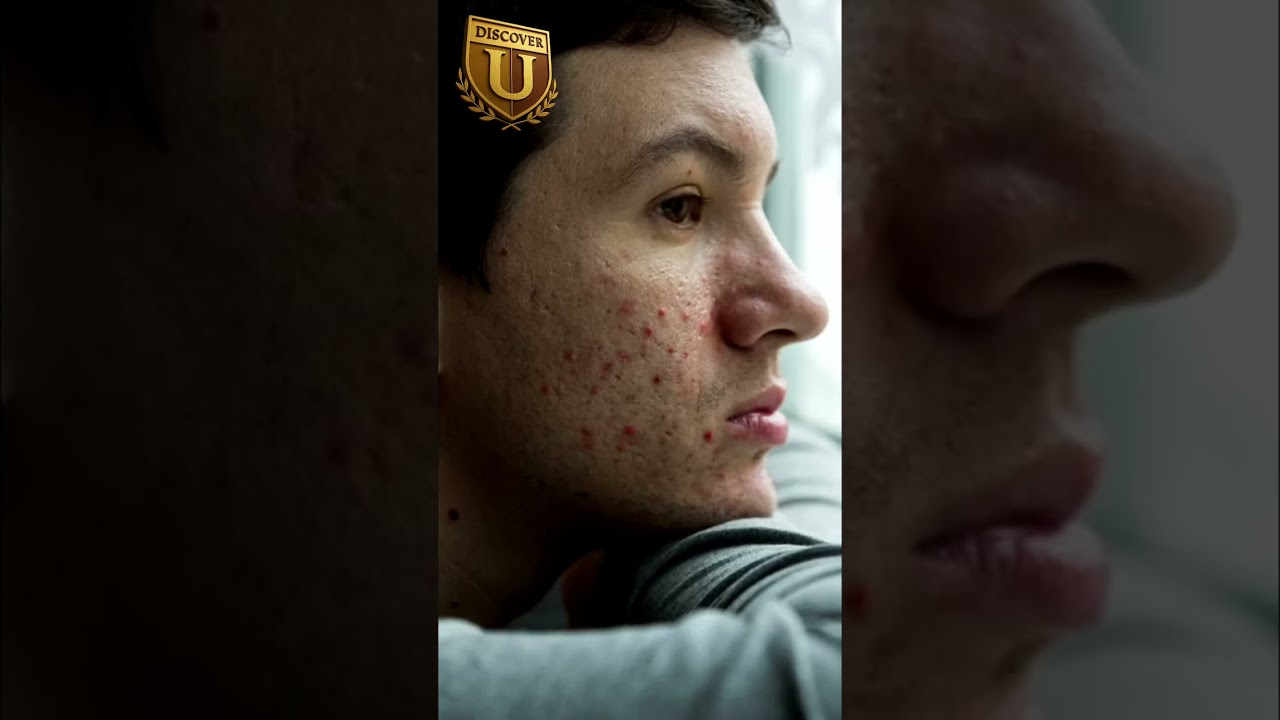
You know what's crazy about how our mind works? Sometimes the person who hurts you the most is you. Not because you want to, but because no one taught you what to do with your pain except to turn it inward. This is what is called the victim-culprit mindset. It's one of the most common and invisible forms of self-abuse. It starts innocently enough. You make a mistake, You fall short. Maybe you react poorly in a moment, and then you do what you were taught. You go in on yourself. You judge. You criticize. You shame. You punish. You become the culprit, attacking yourself for being the victim of your own humanity. You say things to yourself you would never say to someone you love. You replay the moment a thousand times. You assign character flaws where there were just survival patterns. You call it being hard on yourself. You call it holding yourself accountable. But what you're really doing is abusing yourself emotionally, in private, behind the scenes, where no one can see it. Most of us grew up in environments where mistakes meant punishment, where failure was tied to shame, where love was was withdrawn when we messed up. So we learned, if I hurt me first, maybe others won't. If I'm hard on myself, maybe I'll get better. But that doesn't work. This mindset creates anxiety, overthinking, low self-trust. You stop taking risks because the punishment for failure is so harsh, and it's coming from inside your own head. It's like walking around with an invisible belt you whip yourself with every time you feel pain. You can't grow like that. You can't love yourself while waging war on yourself. So here's what healing sounds like: I made a mistake, but I'm still a good person. I didn't like how I showed up, but I can learn from this. I'm not the sum of my worst moments. Accountability without abuse. Compassion without excuses. That's the goal. You can call yourself higher without dragging yourself through the dirt. So the next time you mess up, pause and ask yourself, am I correcting myself or condemning myself? One leads to healing, the other just keeps the wound open. You don't need another critic. You need a protector. You need someone who's on your side. At Discover You, you won't just hear ideas. You'll be challenged to grow. You'll learn how to rebuild self-trust. You'll discover how to set boundaries without guilt and finally feel safe. You'll explore effective communication. You don't need to have it all figured out. You just need to show up. Your healing starts when you choose you, and we'll help you take that next step.