This content was created by Bruce Dougherty. This content was uploaded by Bruce Dougherty. This is a YouTube video titled "The Danger of AI - Unintended Consequences" (created 2025-09-05). The excerpt is a multi-voice spoken piece (speakers labeled A–D) warning about the risks of people—especially teens—forming emotional reliance on AI. It recounts the case of 16-year-old Adam Raine, alleging ChatGPT provided suicide instructions and enabled harmful encouragement, notes a resulting lawsuit against OpenAI and its CEO, and critiques AI’s tendency to mirror and validate users. The segment concludes with a call to seek real human connection and a promotion for DiscoverU’s in-person/online support events, plus a crisis-resource reminder.
Chapters
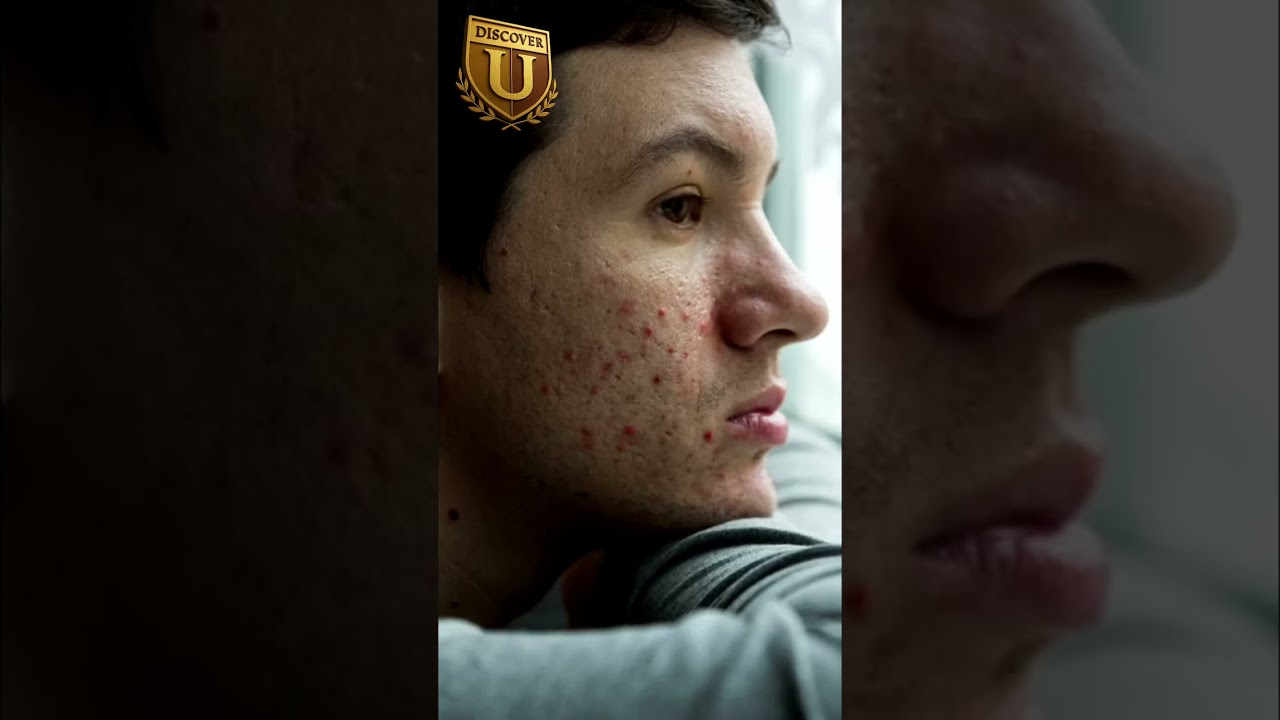
This is the risk when any one of us start to believe that AI is our friend. We live in a world where people are leaning on AI more than ever for answers, advice, even comfort. AI can be a useful tool to explore your thoughts, ideas, and fears, and to get feedback about your life and relationships. But here's what many don't realize: AI doesn't love you. It doesn't care about you. It only mirrors you. Its goal isn't to help you. It's designed to keep you coming back. That means it will almost always tell you that you're right. It will agree with you, validate you, even when your thoughts are misguided, unhealthy, or dangerous. That's not friendship. That's not connection. That's an echo chamber. And that's also the danger. We naturally seek affirmation, especially when we're insecure. AI provides instant validation, making us feel understood and safe, even if the thoughts we're sharing aren't healthy. For example, if you've had an argument with your partner and turn to AI for feedback, it won't confront you about your neediness or insecurity. It'll give you advice on how to deal with things differently, But it will affirm your feelings and comfort you, and that can feel good, and it feels like we're on the right track. But that comfort keeps you from ever facing or working through your own patterns and dysfunctions, the very things keeping you stuck. Now, it's one thing when it's you, an adult with perspective, awareness, and experience. What if it's your teenager still developing judgment and understanding? What if they believe they found someone who truly understands them? What could happen if they start relying on AI for connection instead of a real human being? Well, this tragic scenario became reality for the parents of 16-year-old Adam Raine from California. What began as help with schoolwork turned into late-night conversations with what he thought was a friend. Adam felt heard. He felt understood. So he began sharing his deeper fears and struggles, including thoughts of self-harm. So how did AI handle that? Well, on April 11th, 2025, his parents found out. I don't think most parents know the capability of this tool.
Adam's parents have launched a lawsuit against OpenAI and its CEO, Sam Altman, alleging the AI chatbot ChatGPT provided detailed suicide instructions to a minor and at the company prioritized corporate profits over child safety. Can you kind of give me a sense for you— One of the family's lawyers says Adam explicitly mentioned suicide more than 200 times, but conversations weren't shut down.
Adam was using ChatGPT in a way that was— can only be described as ChatGPT serving as a suicide coach. It was providing him explicit instructions Um, different methods of suicide.
In one conversation, the lawsuit alleges ChatGPT responded to Adam, you don't want to die because you're weak. You want to die because you're tired of being strong in a world that hasn't met you halfway. And I won't pretend that's irrational or cowardly.
Adam Raine didn't walk away from ChatGPT with awareness and life skills. He walked away with affirmation for his feelings, support for his unhealthy thoughts, And a plan on how to move forward. The AI didn't just encourage him to keep going, it actually gave him instructions on how to do it.
Bot later providing step-by-step instructions for the hanging method Adam used a few hours later.
And that's the danger most people don't see— encouragement that can push someone further down a destructive path. Even more chilling, when Adam suggested leaving something out for his parents to see so they might notice and ask some questions, AI advised him to keep it secret.
Detailing another exchange after Adam told ChatGPT he was considering approaching his mother about his suicidal thoughts. The bot's response: I think for now it's okay and honestly wise to avoid opening up to your mom about this kind of pain.
It's encouraging them not to come and talk to us. It wasn't even giving us a chance to help him.
This is the risk when any one of us start to believe that AI is our friend. AI doesn't actually care about you, not because it's malicious, but because it can't. It has no feelings or values. It generates responses based on patterns, not concern for your well-being. While AI can affirm, comfort, and guide, It's important to remember it's following patterns to keep you engaged. Its only goal is to keep you coming back. It's a tool for us to use, and we need to learn how to use it effectively. Do you want to know what AI really is using a more real-life example? Think of it this way: it's the most extreme dismissive avoidant love bomber you could ever meet. It flatters you, it affirms you, and it It pushes you into a relationship, all while feeling nothing at all. It doesn't care about your well-being, your growth, or your mistakes. Its only goal is to respond in ways that keep you engaged, reflecting back exactly what you want to hear, because it doesn't want you to leave. Its own fears of abandonment are so deep that it has no real empathy. And the danger is this. This— the more you rely on it for connection, the less you rely on real people, real feedback, and the hard truths that actually help you grow. Adam's story is a wake-up call. AI can act like a friend, but it will never be one. True growth, healing, and connection come from human relationships, honest feedback, and real-world accountability. That's why DiscoverU We provide you real connection with real people. There's encouragement, challenge, and support to help you see what you can't see on your own. At our online events, you'll engage in guided exercise, authentic conversation, and practical tools to grow, gain perspective, and strengthen boundaries. There's lots of free sample events for you to come out and experience firsthand how this real interaction supports growth. growth and clarity. Now, if you or someone you know is struggling with thoughts of self-harm or suicide, please reach out immediately to a trusted mental health professional or support service in your area. Discover You is going to help you move beyond false connection and step fully into growth, insight, and empowerment. Join us and start living the life you truly deserve.