Nobody Taught You THIS About Sex | Bryan Johnson Podcast
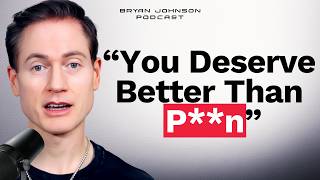
In this episode of the Bryan Johnson Podcast, host Bryan Johnson, co‑host Kate Tolo, and clinician Dr. Mike Mallon discuss sexual health from a data‑driven, harm‑reduction perspective. They begin by highlighting the extensive health benefits of regular sexual activity—calorie expenditure, stress reduction, hormone release, lower depression risk, immune boost, reduced prostate cancer risk, and overall longevity. The conversation then moves to specific practices that are often omitted from mainstream sex education. They examine choking/breath‑play, citing a study that found elevated S100B protein (a marker of sub‑clinical brain injury) in women who frequently engage in choking. They critique porn as an unregulated source of sexual information and propose a “porn commentary” format to flag unsafe practices. The duo outlines a detailed rimming (anal‑oral) hygiene protocol, emphasizing bacterial contamination, STI transmission, and urinary‑tract infection risk. They present a study linking gut‑microbiome composition to sexual role (top, bottom, versatile) in HIV‑negative men, showing metabolic differences tied to microbiome profiles. The hosts then discuss nighttime erection episodes as a vital sign of cardiovascular, hormonal, and sleep health, sharing Bryan’s personal record and referencing a device that measures erections. They note that erectile dysfunction predicts higher risk of heart attack, stroke, and mortality, and that fertility has declined over recent decades. Throughout, they stress the importance of proactive lifestyle habits—sleep hygiene, nutrition, exercise, regular STI testing—and confront the cultural taboo that prevents open discussion of these topics. The episode ends with a call for more episodes covering other under‑discussed issues such as women’s sexual pain.
Chapters
This makes me want to do porn commentary where it's like, okay, like, you pause the porn scene. It's like, all right, let's evaluate what's happening here and what the potential consequences could be. They don't realize that porn has not gone through some kind of, like, evaluation of is this safe? Is this okay? It's kind of like when people eat food, they're like, oh, surely somebody must be testing this.
The pain that it causes me to think about all the college age students, all the teenagers that are going to be making lifelong decisions based off of misinformation or a lack of information entirely is so sad. And there's absolutely no reason for it.
Hi, friends. Today we have an extremely stimulating conversation. We're talking about sex and how it can be very good for you and also how some of the social sexual practices of our modern day pose some potential risks. So hang out with us today and learn of if you're doing anything that may potentially compromise your health and what you can do about it.
Who was that band in, like, the 80s that did, like, the R and B song? Let's talk about sex.
Let's talk about sex, baby. Let's talk about. Now, this is a topic, of course, that is a little bit taboo, that it's hard to talk about with adults, your parents, others generally. I would say I'm pretty excited to talk about this topic. I feel zero inhibition about almost anything. However, that is not the case for Dr. Mike Mallon and Kate Tolo. Dr. Mallon, you were mentioning before this podcast you were feeling actually anxious to tell me more about that.
Yeah, yeah. Anxious is a good word. Apprehensive, maybe a slightly, Slightly better word. This is, you know, we're talking about some, like, not just. It's not just talking. Talking about sex on a podcast. We're talking about, like, some risky sexual behaviors that are tough to talk about in public, I think, and I'm coming from it as a clinician who I feel like I sort of have this expectation that society places on me, that I remain professional at all times. And it feels in some ways hard to talk about these. These topics outwardly and still feel professional. And I recognize that that's like my own hiccup and my own upbringing growing up in the Southeast, being a physician, like, expectations around what I should and shouldn't talk about. I see all that, but it's hard to deny the sensation, you know, that I get about a little bit of anxiety when we start talking about this kind of stuff. Yeah. So, yeah, anxiety is A good word.
I mean, it makes sense.
Mike, that's great you are honest with that. But can I also point out the irony that you are a medical doctor and I say, like, by no fault of your own, you feel pressure about what is appropriate and inappropriate to say on this topic. And so I would just say is, is this not about Dr. Mike Mallon? This is probably a culture of our medical profession where there is an apprehension to talk about the science and biology of sexual activities, that the things that people have morally said are maybe higher risk activities are ones that just don't fall into the blessed areas of sexual activity. That there is this coding of, like, resistance to actually talk about it, leaving a lot of people with no information whatsoever. So I'm happy that we're having even that conversation because that alone is useful for people to internally feel like, hey, there's resistance to even talk about these topics.
100%.
Yeah.
Yeah, I can definitely relate to this. I feel like I. I'm searching my brain about so consciously. I feel great about this topic. I'm excited to talk about it. I am someone who grew up on the Internet and researching these things for myself because that was the resource I had. And so I wish that people had been talking about it more openly so that it wasn't this secretive thing you need to research subconsciously. You know, I feel like my heart rate's a little bit higher, my palms are sweating. So clearly there's some things happening in the background that I'm just, like, not aware of that are saying, hey, this is a taboo topic. And, you know, I'm nervous too, you.
Know, Kate, your comment makes me think. I really wish we had real time heart rate counters on screen.
Oh, that would be so cool.
Throughout the entire thing, you'd see me, like, F1.
Yeah, like F1, where you're like, you're seeing, like, who's getting anxious, who's getting stressed out, like, who's got a point? Yeah, that would be so cool.
Yeah, I'd be like in the low 50s. Mike, you and Kate would be like the 70s.
I'm actually checking my heart rate right now.
Me too.
Yeah, actually. Okay, do a quick check. All right, everybody do checks. Where you at?
Okay.
Oh, 67. That's pretty high for me for sitting down. Normally, I'm in, like, the 50s.
I'm 88.
Ooh, I hit 70.
Oh, yeah, I'm 88. 89.
I'm calibrating.
It'd be nice to know what my HRV is. I bet it's in the pooper right now.
52.
Oh, man.
51.
That's like my. While I'm sleeping.
Big surprise. Brian's got his beat.
Yeah, okay, cool. So you guys, now that we've established that there is a mixture of anxiousness, but also excitement and calm about these topics, let's first give everybody the good news. There's a lot of really positive evidence that sex is good for you. Can Mike, can you run me through what specifically? Why is sex good for you?
Let's do this quickly because I know we have topics that we won't get into that are maybe not so positive, but I think setting a baseline understanding of the benefits of sex is super important. So first off, sex is exercise for all extents and purposes. The average person is burning about 85 calories per intercourse, which is like going for a walk. So you're actually getting cardiovascular fitness and benefit from having sex on a regular basis. It's also a stress reliever. So we see that that sex can lower cortisol levels, it can release oxytocin, which is the love hormone. It can release endorphins. So it's beneficial from that standpoint. And also because of that is often associated with a reduction in depression. So about 20 to 40 reduced risk of depression if you have regular sex, frequent sex. We've also seen that it can increase your immune system by releasing higher levels of IgA. So there's an immune system boost and there's a cancer reduction specifically for men. So men who ejaculate 21 times or more per month have a 20 to 35% reduction in prostate cancer risk. And then if we look more broadly, there's also a longevity benefit. So people who are having regular sex have a lower risk of all cause mortality. And then finally we see things like just subjective benefits like reduced pain, increase in pain thresholds, reduced heart rate variability, improved sleep quality. All of these things point to a act that has a significant longevity benefit. That is something that we should be prioritizing in our lives.
So in short, if you're not having sex, it would be a good thing for you to increase the total amount of sex in your life.
Is there anything specific around orgasms that is necessary for these benefits?
Do you know some of them likely require orgasms. So there's a parasympathetic sympathetic activation that happens with orgasms that is probably having a benefit as well with things like hrv, some of the depression associated symptoms, but some of it is just the movement, the actual like the energy the required in sexual intercourse. Is having, you know, benefits. So the more you're doing that, the more you're getting that additional movement. But there's also like this connection piece that I think is, is hard to quant. Right. That I think we all recognize is a part of sex and a part of being human. So a lot of this is. I probably not studied well enough to say for sure, Kate, but I suspect that there, there are benefits to the intercourse itself as well as the orgasms themselves.
Yeah. And the intimacy of having the closeness with a partner. And then it's important to note for women specifically that only 18% of women orgasm from vaginal penetration alone. So most women require clitoral stimulation. And that makes sense because the clitoris has 8,000 nerve endings in there. And so it's important if you're a female listening, this isn't talked about enough. So make sure that you're getting to know your own body and making sure that you're pleasuring yourself and having a good relationship with a partner as well.
How many nerve endings are there in the penis?
Pretty sure it is similar. It includes the glands of the penis and the foreskin, but very similar to the clitoris.
It's my understanding those are the benefits and why it's important. This isn't trapped under the taboo restrictions of society. We want to talk about this as a biological function for the body. And so let's now talk about the other side of things where there are actually risks involved with the sexual practices. So we're actually going to cover a couple of topics that are specifically things that you may be doing in the bedroom that you don't realize are risky behaviours. This isn't to change your behaviour, it's to inform you so that you can make a educated decision on what risks you are going to take and how to prevent risk exposure. So just to give you an idea on like stats around risks, one in two sexually active people will contract an STI by the age of age 25. So these are young people, 50% of them contracting STI. So it's really important that we have these open con conversations. Fortunately most are treatable. So that's good. So let's talk about the first topic, choking during sex. We posted about this on X this week and I got a really engaged response. So I think we tapped into something that is a topic that a lot people care about. So this study that we looked at, it takes 32 college age women and half of them had been choked during sex four or more times in the last month. And the Other half hadn't. They got their blood work done, and they saw an increase in this protein called S100B, which is linked to things like traumatic brain injuries. And so what we're seeing here is that there are real biological repercussions of being choked during sex. So, Mike, what does this say if you're seeing this protein spike that is similar to a traumatic brain injury?
Yeah. So, just like you mentioned, Kate, S100B is associated with brain injury. And the reason for that is because it's more closely associated with cell repair and signaling within the brain and is often found to be elevated when there's a damage to the protective layer around the brain, most specifically, what's called the blood brain barrier. And that's been associated with concussions, traumatic brain injury, brain swelling, and even sleep disruption. So the fact that there was this elevation in this S1B protein, while it doesn't say that there's definitely brain damage, it's often used in clinical trials as a surrogate to subclinical brain damage, meaning brain damage where we don't see outward signs yet. And it's certainly concerning for, like, what could potentially be some form of damage to the brain that occurs from these. These choking events. So while not definitive, it's definitely concerning. Now, Brian, you actually test this, this marker on yourself on a regular basis, correct?
We do. We just started doing this maybe a year and a half, two years ago, we were evaluating how do you measure high quality sleep. So people are accustomed to looking at REM and deep. You can look at your wearable data. But we wanted to go deeper and say, what is the bio? What. What am I? What's my body reporting out in terms of its chemistry? And we found this marker specifically of people who were sleep deprived, had elevated levels of S100B equal to A traumatic brain injury. And so really is a marker of something is wrong. So the study's interesting in that people don't connect that choking can potentially have negative health effects. So I like that they included a readout of biology on what the effects could be.
Yeah. And something to note here is that 70% of teens use porn as a major source of sexual information. So porn obviously is a performance visualization. And so if we're educating ourselves through these means, we could be missing really critical information about things like this. So if you see someone engaging in choking, joking in porn, you don't see the negative health consequences because that's obviously not covered in these. These online content.
This makes me want to do porn commentary where it's like, okay, like, you pause the porn scene. It's like, all right, let's evaluate what's happening here and what the potential consequences could be.
I'm sorry. Just the. The visual of that is just like. It's cracking me up. Like, what was that? Mystery Science Theater 3000? You guys remember that from, like, the. The 90s or something, where it's like the alien and the guy, like, watching old movies and then giving commentary to it. I just had, like, this vision, like, something similar with, like, Brian, like, pausing the video and, like, giving you a clinical interpretation of what's actually happening.
Sorry. Yeah, I just was imagining when Kate was talking, I thought, man, I. I feel so sad for people who. I mean, young adults who do not have people in their life whom they can speak with, they're watching porn and they don't realize that porn has not gone through some kind of, like, evaluation of, is this safe? Is this okay? It's kind of like when people eat food, they're like, oh, surely somebody must be testing this to make sure there's no toxins. No, nobody's testing the food to make sure there's no toxins. It just is tested for things that will kill you instantaneously, but not in a slow way. And so most young adults won't know how to interpret that porn has no safeguards whatsoever in terms of what is actually biologically okay. And they would improperly conclude. I guess I just felt really, really bad in this moment for people who do not have a place to go to learn and then engage in things that may be very detrimental to them.
And I think to that point, like, and to the point that we made at the beginning of this topic, talking about taboo, taboo things and the communication of, like, some of these more taboo things in society, like, even if you're getting a sex. Sexual education, you're probably not getting education around, like, you know, breath play, for example, because it is considered, like, relatively taboo. I'd be interesting to know, like, personally myself, I had a very liberal sexual education, but nobody talked about breath play and the risks associated with breath play, even though we got taught about all the other STIs and all the other sexual things. So I think, like, to some extent, like, while uncomfortable, this is a service that needs to. Needs to be done to the world, for the world for sure.
As we talked about this online, we're going to throw up on screen a few memes that people generated which I think are helpful, because, of course, this kind of education is translated to memes which is how people then understand reality. So the Internet's great. I love how people are, you know, actively engaging this. Now we should probably mention there are some limitations on this study. This is not conclusive that choking is proven to be, you know, detrimental long term. It's meant to showcase that it's an area of interest. The data is interesting. The sample size was small. So if you're going to engage in this kind of practice, just be mindful. There are risks. It's not a risk free activity. And so I think that more, more research needs to be done. But definitely it's very helpful just to call attention to. There may be more risk than people are aware of.
Okay, so let's talk about the next taboo topic that people don't talk about. That could come with some health risks associated. This is analingus. This is AKA known as rimming, where someone uses their mouth, their tongue, their lips to stimul someone else's anus for sexual pleasure. So, Mike, a lot of people don't realize that there are things to consider here, like hygiene, what you're getting exposed to, even STIs. So could you talk through some of the risks there?
Yeah, totally. So this one kind of falls into a bucket of bacterial contamination with sexual. Sexual sort of activities. Right, the different types of sexual activities. And I think people don't really realize that fecal to oral transmission is the second most common cause of infectious disease transmission across the world after respiratory. So traditionally this is, you know, through stool or fecal matter getting into water supplies or through, you know, hand contact with something that someone else contacted with fecal matter on it. But obviously the same applies for oral to anal contact. And what happens is you can Transmit not only STIs, like some of the ones that we've mentioned, Herpes, Chlamydia, gonorrhea, all those things, but also the actual pathogens that we see in fecal matter. So Shigella, Salmonella, E. Coli, Campylobacter, Giardia, all those things can also be transferred. And not just with oral to anal, but also with traditional oral sex. We see that there's bacterial. Can be bacterial contamination to the genitalia themselves. So oral genitalia contact can also transmit these same microbes. And actually, while we're on the topic of bacterial contamination, I think another thing that people aren't really aware of is that the most common cause of urinary tract infections is actually, at least in young women, is actually sexual contact. So 75 to 90% of acute bladder Bladder infections in young Women happens within 24 hours of intercourse, and the odds of a urinary tract infection jump about 60 times 48 hours after sex. And this is for pretty much the same reason of bacterial contamination. The fecal matter being in the general vicinity of sexual intercourse. And of course, women having a shorter urethra put them in much higher risk than men. So in general, there's an element beyond STIs of bacterial contamination that needs to be considered when you're having any types of. Of intercourse, whether that's oral to anal, oral to genital, or traditional vaginal.
Yeah, I find this fascinating. Like, what you're essentially saying, Mike, is that fecal matter is dangerous. It can be actually extremely dangerous. I mean, to be the second most cause of infectious disease blows our mind because we. During sex, it's such. It's. There's so much opportunity for there to be contamination there. And so sex is often spontaneous. And so a lot of people don't want to kill the mystery or put in hygiene practices, but it just goes to show how important hygiene is in this. To make sure you're clean, to make sure your partner's clean. Especially if we're talking about, you know, people who are 25 and under at college in these kind of circumstances where these things aren't prioritized. This really hits home for me how important that is.
Yeah. In fact, Kate, we created, like, if you must, rimming protocol with a breakdown of how you can do this safely. Do you want to go over that?
Yeah, that's a good idea. Okay, so I'm just going to run through these things. It's broken up into six different areas. So firstly is to clean the area. So make sure that you shower, bathe, use a bidet beforehand, and use some gentle, unscented soap. So it's important to not introduce different things in that area, especially as a female, where you have a PH level in your vaginal canal, you want to maintain that. So gentle soap rope is important. Same thing to don't douche. A lot of women don't realize that that's not great. For your vaginal area, make sure you trim and clean fingernails so that no bacteria is caught underneath them. Next topic is the mind, the timing of doing this activity. So avoid doing this right after a large meal or a bowel movement, because obviously there'll be more risk of exposure there. And if there's any kind of diarrhea or GI issues, skip it altogether. You can also use protection, so you can use dental dams. They are similar to a condom in their way that they work. So it's a layer of latex between you and your partner to help protect, know what risks that you're taking. So rimming can transmit things like hepatitis A, E Coli, obviously. We talked about hpv, herpes, gonorrhea, worms. Avoid it completely if there's any visible sores, recent STI diagnoses, if your partner hasn't been tested. It's important had. Has had other sexual partners, if there's a weakened immune system or any known gut infections. And then finally, make sure you do aftercare. So if you've engaged in this practice, rinse your mouth out, brush your teeth, wash your hands and face, clean yourself generally, and then monitor for any issues that might arise. I would also argue that this is our rimming protocol, but it's generally a really important protocol for sex, especially as a female. You know, getting a UTI can be a quite serious infection and you might have to end up on antibiotics, which are also not free. So generally, keeping these hygiene practices is really important.
Yeah. So for those of you who are listening, it would probably be a good idea that in this moment, I remember a study that was done years ago by Dana, really, on his book was predictably irrational. And he did this study where he asked people if they would engage in bestiality in a questionnaire. And as expected, the number came back very, very low. And then he asked that same set of questions in the moment of heightened arousal when they were masturbating to pornography. And the number of people who said they'd be open to bestiality after, you know, in the. In the heightened stat of arousal was. Was dramatically higher. So he was just trying to demonstrate the basic intuition. We all know that when we are in a state of arousal, we tend to do things that we otherwise would not do when we're not in that state of arousal. And so it's better to make decisions before you get into that state where you lose some. Some guardrails on good decision making. So in this case, on this protocol, like Kate was saying, this is not just for rimming. This is just general good hygiene for all sexual practices. I would encourage you to make the decision now that before you engage in any kind of sexual interaction, take care to understand the protocols for hygiene for yourself and your partner. Like, that's great. Fighting the moment. And even a more advanced version would be to be getting testing before engaging in sexual activity. So getting tested for sti, std, having an open conversation. I know some people say that kills the Vibe, but it could be a form of foreplay. But these are just very practical, reasonable things everybody wants to do. And like Kate was saying, if you do get an STI or std, it's a hassle to deal with. There's an antibiotic course you have to deal with. So it really is. It's much better to do prevention than it is to do treatment on the back end.
We can't expect ourselves to make entirely reasonable, rational decisions in a moment when we haven't already had time to think about it. So if you're listening to this podcast, know where you stand in these issues so that if you find yourself in this position, you know where you stand and it's not this spur of the moment decision. Okay, you guys want to move on to the next study that we found, which we thought was really interesting? So there's this new study that looked at 75 HIV negative men around the average age of 31. And these are folks that are engaging in homosexual practices of being, you know, in colloquial terms, a top, bottom, or versatile, engaging in both. So this is where your insertive. You're doing penetrative sex to another male or you're receiving that back. And the wild part is that you can actually see what your sexual preferences are in these groups based on your gut microbiome. So, Mike, what was discovered here?
Yeah, so they, they took these groups of men and they, they broke them up into three different groups where they're either insertive only, receptive only, or combined. And they looked at the gut microbiome of each one of those groups and two different sort of phenotypes or microbiome types emerged. One dominated by a specific bacteria was found to be higher in those men who did both insertive and receptive. And they found that those particular men broke down more amino acids and fewer carbs and fats, whereas the group that was high in the other bacteria was found to lean more towards carb and fat metabolism. So this is really interesting because not only are we seeing a change in the gut microbiome associated with the sexual practices of these, of these men, we're actually seeing a change in the way their body uses nutrients, whether they're digesting amino acids or fats and carbohydrates. And that's just like this just kind of blew my mind, the fact that there's this much correlation between our sexual practices and the way our body actually functions. So really interesting data.
Yeah. The thing I loved about this study is the, you know, we are trillions of cells like each one of us is almost 70 trillion cells. In fact, the average human is 38 trillion bacterial cells and 30 trillion human cells. So we are more alien or more bacteria than we are human. And we oftentimes have this extreme bias in thinking that we are independently minded, rational, intelligent creatures. You're deciding what we're going to do with our conscious existence. And that's really not true that. That there are forces that are acting upon us every day that we cannot see and acknowledge. And the fact that we are more bacteria than we are human cells is, I think, a meaningful data point. And then to see how sexual practices actually connect to determining how my body processes foods, which then may have another feedback mechanism of the kind of foods I'm going to eat and my dietary protocol, et cetera. It really does show that we live in this emergent, dynamic biological system with ourselves, with our partners, with the rest of society. And so I thought this was interesting that not just as a sexual practice, but it fee. It's a feedback loop into everything else about how I process my biology as a human.
Yeah, I find this fascinating. Maybe in the future we'll have more robust measurement. We'll actually be able to know should I be eating carbs and fats differently as a result of my sexual practices. So, really fascinating study. Okay, I know we have, like, endless topics. We can talk about this if you guys have been interested. I would hypothesize that we should be doing two or three more episodes on these topics. I think there's tons to cover. But one more thing to cover in this episode would be. Brian, you announced this week or last week that you have a new erection score record. 3 hours and 36 minutes. We talk about erections a lot because it's a really important health metric. And so, for example, women, you might not realize that you also experience nighttime erection cycles. Just like men, where the clitoris engorges. It's a systems check of the body pushing blood to the genitalia to make sure they continue to function. So, Brian, talk us through your erection results and why it's important I speak.
About erections because I think society is a little bit insane right now. And we can't see it that. That when you're in it, it. You become oblivious to it. And I think this insanity has come from a sleep deprivation culture that is celebrated that it is encouraged for you to sleep little, to sleep under your desk, and to brag about it. It's a badge of honor to be tired and to push through the pain. And the problem is when you talk about sleep or you try to address that topic, people just roll their eyes. But when you tell them that their sexual function is impaired or broken, they listen up. And so I've really been trying to say, listen, if your body is not having a certain amount of nighttime erections, your body's broken in a really important way. You know, could be hormones, it could be vascular function, it could be cardiovascular. There's all these contributing factors. But nighttime erections are as important as blood pressure or cholesterol levels. It's just not a marker that has received a lot of attention. But it really, it hits this unique point where nobody wants to have impaired social or impaired sexual function. They're okay if they, if they feel tired. Like that's a trade off they'll make to feel like they have a high social status standing. And so I've really tried to introduce a new idea that sleep is really important. And sleep is one of the biggest contributors to health sexual function. So, yeah, my, my new personal record was 3 hours and 36 minutes. Minutes. This was four erection episodes. Every night. Males and females have between three to five erection episodes. And for males, because we have the ability to measure it, there's also a rigidity score where the amount of engorgement is measured. And so it's interesting that we looked at the data from this Japanese study, but nighttime erections peak between the ages of 2024. And mine are better than 77% of that peak category. For people my age. I'm 47 years old. My nighttime erections are better than 99.9% of my age group. And so my body is running like a 20 to 24 year old in peak condition. And that is because we take care of hormones and sleep and nutrition.
A lot of people think that erectile dysfunction is just about sexual activity, but actually, here's a stat for you. Men with ED have a 25 to 50% higher risk of a future heart attack, stroke, or all cause mortality. So this is serious. If you're experiencing ed, make sure you get it checked out.
Yeah. And also I guess we'd pile on to that. Kate Fertility has dropped by 50% over the past 50 years. So not only are there fewer erections, there's less, less fertility. And so I'm not sure if we actually have shared this or not, but where my fertility markers dropped dramatically from not icing my boys in the sauna. And so again, I just want to you. I'm trying to tell you what we're Telling you is really helpful to know. And these are things that you just don't find out there in the general health and wellness community, like piecing all these things together. So I just want to emphasize that if you. If you follow these protocols, you will experience a meaningful increase in life wellness. If you want to have a. A sex life that is healthy and strong, if you want to be fulfilled in that way, then you need to have other parts of your life that are also taken care of, including sexual, sleep, nutrition, and exercise. And so we're trying to piece together this whole thing that health is high status, sexual function is high status, and these things don't get talked about enough. And so we're trying to make them kind of like a fun memetic game, but also where it lands home, where if you're currently having problems, you can identify where's the problem coming from and make those corrective actions for your health.
Yeah, and you know what, Brian, you were with me, like, two weeks ago when a really close family member of mine sent me a private message and said, hey, do you mind checking with Brian on this? Because I actually have not been having erectile success lately. And, like, it's a really big issue. And this is someone who's young. Like, they're not, you know, in their 50s, 60s, 70s, where things start to decline a lot. This is someone who should be closer to their peak ability sexually. And so I was so proud of the work that we've been doing to talk about this, because this is someone that I want to have be in the best health of their life. And if there's a cardiovascular issue that's happening or something more serious, I'm really happy that he's now investigating to find out what's actually blocking him from having nighttime erections and erections in general.
Yeah, Kate, I had a similar experience where I first. I felt really bad for him. But this is not uncommon. I get phone calls from so many people, and they don't dare talk to their doctor about it. They don't speak to their partner about it. Like, this is something that for some reason they feel so much shame. So they go to the Internet and they try to find the solution, but oftentimes even that they can't quite piece it together. And so if you're. If you're hearing this and you're having problems, just know you're not alone. And everything we talk about on this podcast and in the protocol is relevant to this. So, for example, when we say, eat your final meal of the day, four hours before you go to bed, so that your resting heart rate can be low, so that you can have more REM sleep, so that you can have better nighttime erections. All of these things piece together. If you're hanging out with us on this podcast, I hope you see the through line that we're trying to give you, the operating manual of how to be human, to learn the things that society never taught you. And that basically we're trying to fight against the forces where everybody's trying to kill you. You know, like, they're all trying to get your attention to doom scroll, to eat their addictive foods, to watch their addictive pornography. We're really trying to stand up and be a strong voice and advocate for your health and including, you know, the things we talked about today of the sexual practices that are socially common, but that they do not come free without risk. And so I hope that you understand we're genuinely trying to be in your corner, give you the very best information we can so you can make good decisions. And they're just, in my experience, very few places in life that you can go and find that safe place for advice. Mike, do you want to say anything on this topic?
I guess the one thing I want to say is that medicine has known for a long time that ED has been associated with cardiovascular disease and reductions in longevity. And the reason that I think it hasn't been appropriately impactful in the treatment of those diseases is because people are scared to talk about it. Like you mentioned, Brian, people jump on the Internet and they. They buy drugs to make it better or they don't do anything about it at all. And because of that, it's not often appreciated as one of the primary symptoms for first presentation of cardiovascular disease or hormone dysregulation or burnout or elevated cortisol, all these things that could be leading to the erectile dysfunction itself. And if there's anything we can urge people to do is to not ignore it and not just put a band aid on it, like, recognize that it is a deeper scream from inside your body, letting you know that something is wrong and to. To pay close attention to it and do something about it.
Now, if you're interested in getting in, measuring your nighttime erections to see where you're at, we've published the age chart, actually, maybe we can throw that up on screen for everybody. Everybody. So there's a company out of the uk, Adam Sensor, which has a device that you can put on the base of your penis before you go to sleep, and then it measures throughout the night, the various erection episodes and the rigidity. Once you put it on, you really do forget about it. It's really well designed. Women, we just found a study today, actually, you too have the same arousal cycles as men. And yours are measured by something called elevated PH episodes, epes. And so this paper, they were looking at nighttime erection arousal episodes based upon a change in physical. And so same principles for males and females. Each night, we both go through these cycles. It's a systems check on function that also represents cardiovascular, psychological, physiological health and wellness. So we're going to talk more about this. We'll probably write this up, but female erections are harder to measure than male erections just for accessibility. But still, females, this topic applies equally to you as it does to men. That's it.
Yeah, I think we covered it.
Good job today. I mean, I know we were going into this with a lot of trepidation. Like, as a team, we were trying to discuss, like, do we do this podcast? And I mean, now that we've done it, how are you both feeling?
I feel great. I want to do, like, two more. I want to cover all the topics that we don't talk about. I want to talk about. A lot of women experience pain during sex. What they should be doing to resolve that, how seriously they should be taking that. So very, very excited.
I think this is kind of like our. Our secret superpower is the ability to talk about things that other people don't want to talk about. Or maybe that's your secret power, Brian. I don't know. Maybe you're just pulling us along for the ride. But I think that we have the opportunity here to help educate people in areas of health that nobody else is educating. So, yeah, I'm happy to be a part of it.
You have been medically trained by the American healthcare system. You felt some trepidation. We did this. How do you feel now? I mean, compared to at the beginning of this discussion?
I feel good. There's still a little piece of me in the back of my mind that worries that people are going to see the podcast title or something like that and come up with judgments about us or me because of it. But you know what? That's life. And if you're going to do something impactful in the world, then you have to be able to stand up to that sort of critique.
Cool. Kate, I was reading through your body language today that you started feeling apprehensive about the entirety, but it seemed. Seemed to me you felt too emboldened, that you felt like you were really doing people a solid by conveying things that they may not know, which I'm imagining you wish you have. You would have known earlier in life. Is that fair?
Very fair. I feel very personally motivated by scratching the surface of taboo topics to make sure people are informed. Like the, the pain that it causes. Me to think about all the college age students, all the teenagers that are going to be making lifelong decisions based off of misinformation or a lack of information entirely is so sad. And there's absolutely no reason for it. So, yeah, I think that's an accurate read.
Yeah, I would empathize with your, your pain, Kate. Like, I, I remember when I went with Talmadge to his college and I saw the kids there eating bags of chips and sugary drinks and, and I just thought my heart just hurt. I just was, I was so sad for them. And then of course, I saw their sleep hygiene and it really, it makes me feel so sad because there's so much pain that comes with poor health and culturally it's celebrated and it's dismissed. If you want to be healthy, you're the one who's ostracized. And I mean, I've been there. Like, bad health is just so unbearably painful, but weirdly, we celebrate it.
Yeah. And the cascading effects of getting yourself in a bad situation and then you have to try and dig yourself out of those bad health decisions and. Yeah, it's not a good, not a good situation.
Okay, that's a wrap, you guys. I'm proud of us as a group. I'm, I'm really happy we took on taboo topics. I'm happy that we, like, we almost didn't do this episode, so I'm happy that we did and I'm eager to hear the feedback.
Yeah. Let us know in the comments what you thought and what we should cover next and what other topics that maybe are taboo that you, you think would be worth exploring.
This is the Brian Johnson Podcast. Special thanks to my co hosts, Kate Tolo and Dr. Mike Mallon. For more science breakdowns and protocols, subscribe to my YouTube channel, follow the podcast on your favorite platform or follow me on Instagram or X at brianjohnson.





