연매출 1500억 미국 뷰티 회사 CEO!! 미국에서 일잘러로 살아남은 영어공부 비법 | 전 넷플릭스, 메타, 틱톡 디렉터 돌싱글즈4 이소라님

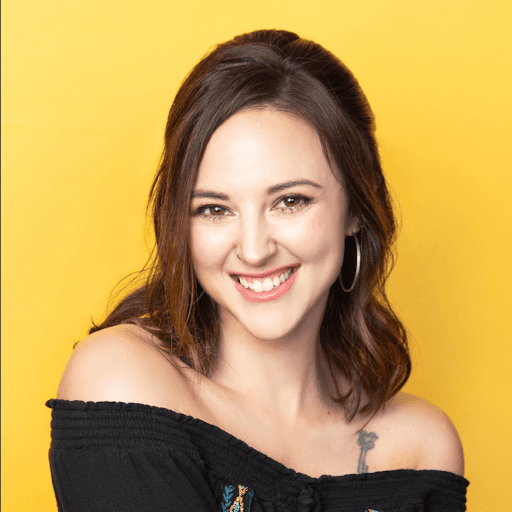
In this interview, Sora Lee (Sora Unnie) shares her personal and professional journey from a product marketing leader at Netflix, Meta, and TikTok to founder and CEO of Curated Agency and the women’s wellness brand Hustle and Heart. She reflects on her experience appearing on the Korean reality show Dolsingles, discussing the therapeutic impact of confronting divorce and single‑parenthood as a Korean‑American. Lee recounts her early language‑immersion trips, high school in Ohio, and the intensive self‑study methods that helped her achieve fluency. She offers concrete strategies for mastering business English—listening to earnings calls, all‑hands meetings, shadowing TV dialogue, and using new phrases repeatedly. Lee emphasizes the importance of confidence over perfect grammar, the value of small talk that showcases cultural identity, and the need to negotiate salary and treat every professional contact with respect. She advises women to impress everyone, negotiate assertively, and view networking as long‑term. Lee also discusses balancing entrepreneurship, motherhood, and personal well‑being, advocating for delegating chores, hiring help, and embracing imperfection. She frames her ADHD as a creative superpower in the age of AI. Finally, she mentions her Korean bestseller on business English and encourages listeners to explore it.
Chapters
Netflix, Meta, and TikTok. If you're interviewing for a company, like, literally never say that. The goal isn't to be as good as a native. The goal is to be as good as the next executive. Weather, sports, family, it's like all boring. To be better at business English, listen to the— Hi everybody, my name is Sora Lee. I go by Sora Unnie online, and I started my channel to share everything I've learned since the young days, um, so you don't have to repeat the same mistakes and so you can grow and scale faster. We're For jobs, I have a few jobs. I am a founder and CEO of a marketing agency called Curated Agency with a K. We work with the largest Korean beauty brands. I also started a women's wellness brand called Hustle and Heart that we hope to make products to support women's wellness journey throughout their lives.
I actually got to know you first, of course, because of Dolsingles. I watched the show and you made such an impression on me because I felt like you were so authentic and always stayed true to yourself. How was your experience on the show and did it impact your career your life at all?
Yeah, um, it was super therapeutic to be on the show because honestly I don't get to see many Korean American people who are divorced. We understand both cultures, like how divorce is perceived in America versus how it's perceived in Korea, and dealing with the Asian parents, the Korean parents, and the stigma and all the challenges that come with being divorced person in Korea, and you know, also being single parents. So having that community of like unnie and oppas now, um, who can help me navigate that has been a really incredible experience. The filming itself, which took about 8 days, was super therapeutic for me because there was a lot of things that I hadn't fully processed at the time. Like having, like doing the confessionals and really being forced to face my emotions and all the hardships helped me heal faster in an accelerated way. So I'm really grateful for the opportunity.
That's so great. I'm glad to hear that. So you mentioned you are running 2 companies now. Before that, what career path?
Um, I was in big tech in product marketing, product strategy function for the past 13 years. Netflix, Meta, and TikTok. And most recently I was the global head of product marketing for creative solutions for TikTok. So I worked on making sure advertisers understand the best practices when it comes to creative and building products to support those goals and doing sales enablement globally.
You've done so much in your career. That's really amazing. What are some of the hardships that you've faced as an entrepreneur?
Without Having some sort of financial security, I think it could be a lot more stressful, but I chose this path because it's more fulfilling and rewarding for me. I want to be in a situation where I could make no money or a lot of money, like high-risk, high-reward situation versus having the same salary. But I do miss having meta insurance. It was really nice.
You moved to the US when you were how old?
I'll tell you my whole journey. So my mom sent me to Vancouver, Canada, like an English camp for 3 weeks. When I was in 6th grade. I did the same thing in New Zealand for 6 weeks the next year, and I did something very similar in Australia, I want to say for 2 weeks. And people say, oh, spending that kind of money during a short period of time in these countries is a waste of money, but I really think it depends on the child. I've always been very ambitious. I always wanted to see how far I could go. I don't think it works well if a child is not interested but parents are pushing. I tutored over like 30 kids in— when I was in college to make money for tuition. It's very obvious for kids who don't care, no amount of money will save them. So I care more about motivating them and why it's important for them to learn. So that's what those trips did for me exactly. So if I spoke this one language, the whole world opens up. I am no longer required to just be in Korea and look for employment opportunities or love interests just in one small, tiny country. So that's what motivated me. When I came back, I would study harder and look for ways to actually improve English, not just get better grades, which I think is a key difference because I wanted to speak well and make friends, you know. I want to be popular if I were to move to America. I didn't want to just be good at English, you know what I mean. And I moved to America when I was 16, and then I finished high school in Cincinnati, Ohio.
Okay.
Which I chose on purpose. I actually think that going to LA or New York as a very extroverted person would not have been good for me. I would have started drinking earlier or hanging out with friends just wasting money and time when I should be studying. In Ohio, it was very wholesome. Like, I went to Catholic school. Everyone was so nice. There were only like 2 or 3 Asian people in my school. Really liked me.
Do you remember any moment where it was like really difficult for you?
You know the word, um, RL, like girl, world? It's very hard for Koreans to pronounce. So I remember in high school, in our senior year, we do this yearly trip called Kairos. And in one of the rooms, I was just saying like, I don't— I just can't pronounce it. So it's like a bunch of girls and like, girl, you know, they're like, you know, saying it with me until I got it. I just like have that memory of, you know, world and girl. It's so hard to say. But I did work a lot. Like, let's say we had to read Tom Sawyer, whatever, of Huckleberry Finn. I would read in English and in Korean in SparkNotes and in English again. So I would read the same thing multiple times until I finally got it. So it was a lot of work on my end to make sure that I'm understanding everything.
Wow, I can't say the same for myself when I was in high school, that's for sure.
The goal isn't to be as good as a native, the goal is to be as good as the next executive. So to not only speak English but also speak English at a very, very high level, I did a number of things and there's a few things I would recommend. To be better at business English, I would say listen to the earnings call. If you're working for a public company, your CEO does earnings calls or earnings press release regularly. I would listen to it multiple times at different speeds sometimes to make sure I'm understanding every single word correctly. You're learning a few things there. How do executives speak? How does Wall Street speak in a financial manner? Like, what are the priorities for the company? How are they evaluating? This is actually a really good tip if you're interviewing for a company, especially for a senior position. You reference, like, in Zuck's most recent earnings calls, he mentioned this thing.
Uh-huh.
And this is why I want to work with this team.
Gotcha.
Which would set you apart from all the other candidates. Yeah, I want to work at Meta because it's a cool company. It'll be good for my resume. Like, literally never say that. Or if you have VPs and directors, they're going to have things called all hands, or even smaller companies, CEOs sort of have all hands where they talk about all the great things that they've done. What are the goals for the next quarter? If those things are recorded, I would, especially if you're learning English and getting a hang of your new job as well, I'll listen to that multiple times. I also, in my spare time, I rarely watch TV other than I've been watching Song Hye Kyoong YouTube. Anyways, I rarely watch TV, but when I do watch TV, it would be for something that I could learn. I would watch things like Suits or House of Cards, The West Wing, How to Get Away with Murder. And if I like certain phrases from those TV shows or any sort of like executive calls, I write them down in my notes and I try to use them within the same week in real situation.
You give yourself a deadline, kind of.
Yeah, so I try to use them at least 3 times, so then it's part of my vocabulary.
Do you think grammar is like very important to be able to communicate with people on a daily basis in the US?
Grammar is still important, but I do think that Koreans over-index on grammar. Having the idea matters more. To be honest, just because you speak English doesn't make you smart. Like, you need to have the material. So like, on the other hand, when you know your stuff, don't feel like you're going to sound stupid because your English is not perfect. Have confidence because I think Koreans always like, oh, like, where's the subject and the verb? Like always like forming sentences in their head. But actually memorizing things is super helpful. So in the— when I was younger, I just memorized the entire Mulan and The Truman Show. If you do that, then sentences just come out of your mouth without having to like form them in your head. So watch something that's like uplifting, not a lot of cuss words, but like rom-com or just like lifestyle things. So that's why I thought The Truman Show was a really good one, or Friends is a good one. And I would also do something called shadowing. Whenever they're speaking, like, say the same thing right after and like really act. Don't just like monotonously read what they're saying, but like act like you are doing a songdaemosa, like really mimicking them. And I used to have this Sony recorder where I'm like recording myself speaking English and then I can hear my mistakes. So those things are helpful. I think Koreans avoid small talk, but it's really important actually. I used to think that I have to watch sports just to fit in. Be who you are. And I think at work, especially if you're a Korean person working in America, like, there's so much interest in Korean culture, Korean skincare, K-pop. So if they're interested, like you can talk about that. Or like if someone asks you what's your favorite K-beauty product, like go all in on it, like leaning into who you are. And I think it's actually helpful because people want to hear. Typical, like, oh, how was the weather when you went there? Like, that's boring. But I think, oh, we had a Chuseok festival this weekend. Oh, what is that? Korea used to be an agricultural country and we celebrate harvest and we do these things. That's so much more interesting. Small talk doesn't need to be the same thing. You know, we think it's like weather, sports, family. It's like all boring, but I think, um, going one layer deeper, I think it's also helpful. I think you're very motivated, confident, and enthusiastic person. I just like want to know where does it come from and then how do you maintain it after you achieved so much too. Okay, so my mom and my both my grandmothers are such big inspiration to me. Like for example, my paternal My grandma gave birth to a stillborn because she's had to cut wood to sell in the market. She was doing that like the day before she gave birth because they were that poor. And when I look at my mom also, like, she's super hardworking. And if she had been born a male, I think she— her life would have turned out so differently. But I have the opportunities that they didn't have. And it was really my mom who really fought hard for me to study abroad, even though my parents are not super wealthy, because she saw something in me. She knew that I'm worth investing in and I'm not gonna waste that money and community. So I can't fuck this up. That's one. And I think now that I've become somewhat public figure and a single mom, like, I want the world to see that you can thrive and like leave the marriage that's not working for you, especially women in Korea. I feel like I see so many instances where they're scared to leave because, oh, what if I can't find love again? Or what if I can't become independent financially? Or if I'm not a good mom? So I feel like I need to be that role model and example for those who are considering and who are not in a good place. I want to give them hope that it's possible. It's not perfect. I'm still figuring things out, but you can try.
You are an excellent role model. Do you have any tips for women that maybe want to jumpstart their career?
Oh, there's so many tips. I would say impress everybody you meet along the way. A lot of people, especially when they are working for a very small company or working with junior people, they think that I'm never going to see them again or I'm too good for them. So they don't put in their full selves. But I've seen so many instances where like this one startup I worked at right after college, the chief technology officer, CTO, ended up becoming a director at Meta. He's the one that referred me to Meta. But if I had this mindset of like, oh, this company is so small, I'm only working there because of visa issues, I would not have had that opportunity. And I'm not very good at this myself and I need to work on it, but like pleasantries, oh, how was your weekend? Like, I'm not good at it. I am working on it, but just, you know, treating people with respect and being a good partner, not just because this person can give you something immediately, but the industry is so small, you're gonna run into them. Another thing is always negotiate whenever you are going through an interview process. A lot of women especially, they have limiting beliefs about themselves and they don't know how to ask for more. But remember, a mediocre white man would be asking for more for the same position you have. And how pissed would you be if you realize your peer who may have fewer years of experience, not as hardworking or whatever, is getting paid more because they ask for more. That's actually not good for the company for you to be pissed off and less motivated as a result because you didn't negotiate. They expect you to negotiate, so it's part of the job. So if you're showing them, "I'm just gonna take the first offer," you're telling them you're not going to be very good at your job. Like, I want someone who's going to be fighting tooth and nail to whatever negotiation, whatever contract that they're reviewing. So that's actually a good thing that you're showing. You're showing your capabilities. The worst thing is they could say no, or they could give you something else, or they give you a smaller bump than you want, but not asking for more is never a good idea.
That's a good point. I think a lot of people are often scared to negotiate, but like you said, the worst they can say is no.
So yeah, you already made it that far finding a new candidate. That's so much money and time that they have to spend on their end. So they're going to give it to you, especially if your interview process included directors and VPs and their hours are like expensive. So they're not going to say no because you asked for a few more thousands of dollars.
Very true. So you're running your own businesses. You also have a family. You're a mom. How do you balance all of that? And what are maybe some misconceptions that people have about working moms?
I think especially being a mom, a lot of moms, and I've seen this with Korean moms more so, is that they feel like they have to do everything. And that's what being a good mom looks like. You have to be the one to chop the vegetables and cook everything and pick up the kids and do everything. But if you're tired and exhausted when you're with the child and you don't give them attention, then that's actually much worse. So I would say be okay with not being perfect and then give your kids chores. So my son's been showering himself since he was 3. He does everything in the morning. So when I'm packing him lunch, he wakes up, brushes teeth, gets dressed, and does everything and comes out. So try to not be the one to check in on them all the time because you're actually robbing them of every little opportunity to build confidence and make mistakes. So don't be that parent, and it's actually less work for you over time, and you're actually building a much stronger, resilient child.
It's a win-win. Yeah, they get more independent, and then you get to spend more quality time with them.
So yeah, first of all, ask for more. Interview at other places to make more money in the first place. Always think about that. And then with the additional income, try to hire help, like to fold laundry or pick up kids if you don't have time, run errands, like whatever it might be. Try to hire help. Does not need to be you.
Gotcha.
So I have ADHD. In Korea, growing up, everyone's like, you're so distracted all the time, like, "Sanma nata." But actually, don't give up. That's your superpower, you know? ADHD means like I have lots of interests, but then things that I'm interested in, I go really deep and I get obsessed with it. You know, I think in the age of AI, like, just all these "dongmunjik," service roles, like lawyer, it's just all gonna get taken over by AI. So now your superpower is your creativity and having big dreams, not having limiting beliefs. And sometimes like, who am I to be doing those things and like, you're sorry, but it's just like the limiting belief you have. Yeah, I just try to tell myself to not have those beliefs.
Don't have those beliefs, for sure.
Thank you so much. Yeah, so yeah, I do have a book in Korean called Doranen Puren Deure Baketing Hara. I don't know if it's still within top 10 bestseller in the self-development section, but yeah, it was bestseller for several weeks and people have given me good reviews. It does have a lot of things we discussed and especially business English. How do you say one thing in a more eloquent way? So I recommend you guys check that out.
Definitely, we'll share the link for sure in the comments, so definitely check it out. Thank you so much for coming today and sharing your story and letting us ask you some questions. Really appreciate it.
Yeah, thank you. Good luck with your English journey.
Bye-bye!