원어민 실제 영어속도 | 자막없이 들리면 영어고수 | 반복해서 들으면 영어가 입에서 자연스레 나와요

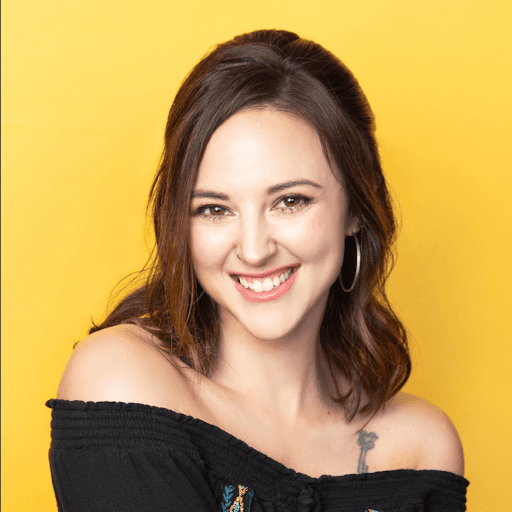
Callie Anderson and Spanish model Lorena eat seafood ramen in Jeju-do while practicing conversational English. They discuss Lorena's journey from Spain through Turkey and Germany to Korea, her love of spicy food, cultural differences in greetings and formality, and her modeling career's contrast between commercial work in Korea and fashion work back home.
Chapters
If the kimchi is good, the food is gonna be good. Bibimbap or mulnaengmyeon or makguksu.
Hello everybody! Welcome to our very first episode of Lunch Hour English. I'm in Jeju-do right now and about to dig into the craziest looking seafood ramen I've ever seen in my life. But I've got some help here with me. Here is our first guest of the show.
Can you please introduce yourself? Hi, I am Lorena. I come from Spain and I work in Korea as a model and actress. Mmm, very nice.
Thank you. Thank you for coming here today.
Of course!
Have you ever eaten something like this before?
Not like this. This one is like very interesting because it's quite large and everything is together, so I'm quite excited to be honest.
So a little bit different than what you've tried before. Do you like Korean food?
I do.
Do you have a favorite Korean food?
It's really hard to kind of choose only one food. I really like jjolmyeon or bibimbap.
Bibimbap! I also love kkkkoddeok.
Bibimbap or mul naengmyeon. Or makguksu. Really hard!
That's fair. That's a hard question.
Oh, so sweet.
So cute. Let's see. You like this though, right? Have you tried it? Okay, okay, okay. It's okay. Not bad, not bad. The texture is very chewy, and I don't think it has too much flavor though. Now what? He's getting all this seafood ready, flipping it and making sure it's fully cooked, chopping the octopus out.
Rest in peace, little friend.
That's nice they make it into like bite-sized pieces for you though.
I feel like in Spain we like more like softer texture, whereas Koreans like really kind of like chewy texture.
Okay, this is what I get excited for, the noodles.
I love noodles. Are you a rice person or a noodle person?
Noodle person. Same.
You too?
Can't go wrong with noodles.
Can't go wrong. And the broth is so good.
The broth is super flavorful.
Spicy.
Do you like spicy food?
Yes. Yes! Mmm, I love spicy food. Spanish food is not spicy, but I lived in Germany with a Turkish flatmate, and that's where I started eating spicy food.
Ooh, wait, do Turkish people eat spicy food?
Yeah, very spicy.
Wow, I had no idea.
It's different spicy from Korean spicy. Oh, okay, okay. But that's how I started eating spicy food and got used to it and kind of like became addiction. Mmm.
So how long have you been in Korea, actually? I have been in Korea 7 years and a half. Wow, quite a long time.
Yeah, more than I expected actually.
What brought you to Korea in the first place?
When I first came to Korea, I had a job at a company, so I came for work. I had already been in other, many other countries, like in around Europe. I lived in Paris, I lived in Berlin, I lived in the States, and I have learned all the language. And then like I tried with Korea and I visited, I loved it, and I felt like the culture was a little bit similar with Spanish culture. It's similar. It's similar, very similar and very different. You also like stand up for like older people.
You respect the elders more.
Yeah, you respect the elders. It's in a different way with Korea. Sometimes in Korea when somebody's elderly, you cannot really say something even if they did something wrong. In Spain, you could say something, but you need to say it respectfully.
Okay, you got to be careful.
You got to be careful, but you can say something. Okay. We also have like formal language. ¿Tú no er más? Yeah, we have tú no er más.
In Spanish?
Yeah. Oh, I didn't know this. But like the funny thing is like most people in Spain, they will tell you like, talk to me in informal. Okay. Because people feel feel old when you talk to them in formal language.
They're like, speak to me like I'm young.
Yeah, I'm still young. Yeah, yeah. Whereas in Korea, I feel like it's kind of the opposite sometimes.
It's kind of rude if you speak—
people will feel— yeah, with foreigners sometimes we get a free pass because they understand we don't speak super well.
We're not great at Korean. We're not totally fluent. I was saying like 안녕 to taxi drivers and I had no clue. I was just like 안녕, and then later I learned.
I was like, oh, I feel bad. It's really, really good.
I love kimchi too.
That's what, you know, like the restaurant is going to be good. If the kimchi is good, the food is going to be good.
Was there anything that was like so different or hard for you to adjust to here in Korea? Big culture shock or something?
Maybe not culture shock, but sometimes I still— it still gets to me. Like in Spain, usually when you enter a place, you say hello to people. You will be like, oh, buenos días, ¿cómo estás?
People are like more talkative a little bit. Yeah. Even to strangers.
Or like you acknowledge people more. Like, for example, in Korea, like when you go into the elevator, like even if it's your neighbors, You don't really say hello.
That's true. It's silence in the elevator.
Yeah.
Sometimes I feel awkward. I'm like, do I say hi? Do I not say hi?
Especially if it's another foreigner.
Yeah, that's true. You kind of like awkwardly glance.
Sometimes I'll do like the head nod. I know, I know what you're thinking. That's a little bit awkward.
Yeah.
When I go back to Spain, it's kind of a reverse culture shock because I have become a little bit rude in Spanish standards because I go to places and I don't remember that you are supposed to say hello looking at people.
The etiquette's different, right?
I kind of understand this since small talk is so common in the US.
When I came to Korea and people weren't talking to each other on the bus or elevator somewhere like this, I felt like I had to say something. Or like not saying bless you. I think that was another odd thing for me. When someone sneezes, like, I'm like, I gotta say bless you.
Yeah, but it's just not a thing here. I still say it even though I'm on the subway, I'm by myself, someone sneezes, I'm like, bless you. Bless you.
All right, I'm gonna switch things up here, and I want to ask you about your life in Korea as a model. So what are some of the pros and cons of being a model, and what's just been your experience there?
Pros, I would say, is not per se of like being a model only. I like the kind of like every day is different. I can bring creativity into my job because every day I'm a different person. Sometimes that allows you to explore like characters that maybe is not who you are. Like if you are a mean person on camera, you are allowed to be mean, so like you can experience how that person will feel. Uh, you get to meet a lot of people. I generally like to meet people, ask them questions, know about their life, what they do, what they like, how, because I feel like you can learn a lot, like, about hearing people's stories. So I love that about my job. I don't like that it's so uncertain. Last minute, it's not gonna be this day, it's gonna be this other one.
Oh, that's rough.
Yeah, so it's a little bit hard to make a life around it because you never really know what it's going to be like.
I can understand that.
The uncertainty. Yeah, so it's like good on one side and the bad uncertainty because you don't know who you're gonna meet, how it's gonna go, like if it's gonna be fun or not. Also, there's a lot of waiting time. Sometimes I have been like shooting for 24 hours and you're shooting 1 hour or 2 hours and the rest is waiting. You get really tired by the end of it.
Is there anything like you feel like being a model in Korea versus being a model in Spain, like, is there any difference would you say?
I think when I did modeling in Spain, I was studying my master's degree, so it was only part-time, so I didn't do as much work as I did here. In Spain, the work that I did, it was mostly fashion work or like event work, whereas in Korea it's mostly commercial work more than modeling itself. Okay, so in Spain I did more like catwalk.
Wow, you did the runway?
Yeah, or event. That's so cool! I did that in Korea too, but like much less.
That's amazing! Oh, I want to watch you. I'd make sure you see me waving.
Yeah, do it!
Wow, we're nearing the end of our soup here. We did good, we killed it. It's almost all gone. Oh, what was the best?
I love this one.
Shellfish.
It's so good.
Oh, I enjoyed it very much.
Which one was your favorite?
I like the noodles, maybe the mussels because it was my first time.
The mussels?
Yeah, I liked it. Any of the shellfish was good.
Oh, nice. I feel flattered that I'm your first guest.
Thank you so much everybody for watching our very first episode of Lunch Hour English. Please stay tuned because we're gonna have more guests and eat more delicious food. If you like this video, make sure to subscribe to our channel, like the video, and comment below. Hello guys! Thank you so much, and thank you Lorena.
Thank you, Callie.
For being such a lovely guest.
I love having this conversation with you.
Come back and eat with me anytime. For sure. Alright. Bye everyone! Hello everybody! Welcome to our very first episode of Lunch Hour English. I'm in Jeju-do right now and about to dig into the craziest looking seafood ramen I've ever seen in my life. But I've got some help here with me. Here is our first guest of the show.
Can you please introduce yourself? Hi, I am Lorena. I come from Spain and I work in Korea as a model and actress.
Mmm, very nice. Thank you for coming here today.
Of course.
Have you ever eaten something like this before?
Not like this. This one is like very interesting because it's quite large and everything is together, so I'm quite excited, to be honest.
So a little bit different than what you've tried before. Do you like it? Do you like Korean food?
I do.
Do you have a favorite Korean food?
It's really hard to kind of choose only one food. I really like jjolmyeon or bibimbap.
Bibimbap. I also love kkkkoddeokbokki.
Bibimbap, naengmyeon, or mul naengmyeon, or makguksu. Really hard.
That's fair. That's a hard question.
Mm-hmm. Ding!
Mm.
Oh, hot.
So sweet.
So cute.
Let's see. You like this though, right? Have you tried it? Okay, okay. It's okay, not bad, not bad. The texture is very chewy and I don't think it has too much flavor though. Now what? He's getting all this seafood ready, flipping it and making sure it's fully cooked. Chopping the octopus now. Rest in peace, little friends. That's nice, they make it into like bite size pieces for you though.
I feel like in Spain we like more like softer texture, whereas Koreans like really kind of like chewy texture.
Okay, this is what I get excited for, the noodles.
I love noodles. Are you a rice person or a noodle person?
Noodle person.
Same. You too? Can't go wrong with noodles.
Can't go wrong.
And the broth is so good.
The broth is super flavorful. Oh, spicy! Do you like spicy food? Yes.
Yes, I love spicy food. Spanish food is not spicy, but I lived in Germany with a Turkish flatmate, and that's where I started eating spicy food.
Oh wait, do Turkish people eat spicy food?
Yeah, very spicy.
Wow, I had no idea.
It's different spicy from Korean spicy. Oh, okay, okay. But that's how I started eating spicy food and got used to it and kind of like became addicted So how long have you been in Korea, actually? I have been in Korea 7 years and a half.
Wow, quite a long time.
Yeah, more than I expected, actually.
What brought you to Korea in the first place?
When I first came to Korea, I had a job at a company, so I came for work. I had already been in other, many other countries, like in around Europe. I lived in Paris, I lived in Berlin, I lived in the States. And I had learned all the language, and then like I tried with Korea, and I visited, I loved it, and I felt like the culture was a little bit similar with Spanish culture. It's similar. Similar, very similar and very different. You also like stand up for like older people.
You respect the elders.
Yeah, you respect the elders. It's in a different way with Korea. Sometimes in Korea when someone is elder, you cannot really say something even if they did something wrong. In Spain you could say something, but you need to say it respectfully. Sexually.
Okay, you got to be careful.
You have— you gotta be careful, but you can say something. Okay. We also have like formal language. Yeah, we have gender. Yeah. Oh, I didn't know this. But like, the funny thing is like most people in Spain, they will tell you like, talk to me in informal.
Okay.
Because people feel old when you talk to them in formal language. Speak to me like I'm young. Yeah, I'm still young. Yeah, yeah. Whereas in Korea, I feel like it's kind of the opposite sometimes.
It's kind of rude if you speak—
people will feel— yeah, with foreigners sometimes we get a free pass because they understand we don't speak super great Korean.
We're not totally fluent. I would sing like 안녕 to taxi drivers, and I had no clue. I was just like, 안녕. And then later I learned.
I was like, oh, I feel bad. It's really, really good.
I love kimchi too.
That's why, you know, like, the restaurant's gonna be good. If the kimchi is good, the food is gonna be good.
Was there anything that was like so different or hard for you to adjust to here in Korea? Big culture shock or something?
Maybe It's not a culture shock, but sometimes it still gets to me. Like in Spain, usually when you enter a place, you say hello to people. You will be like, "Oh, buenos días, ¿cómo estás?" People are like more talkative a little bit.
Yeah. Even to strangers.
Or like you acknowledge people more. Like for example, in Korea, like when you go into the elevator, like even if it's your neighbors, you don't really say hello.
That's true. It's silent in the elevator.
Yeah.
Sometimes I feel awkward. I'm like, "Do I say hi? Do I not say hi?" Especially if it's another foreigner. Yeah, that's true. You kind of like awkwardly glance. Sometimes I'll do like that.
"I know, I know what you're thinking, but yes." That's a little bit awkward. When I go back to Spain, it's kind of reverse culture shock because I have become a little bit rude in Spanish standards. Because I go to places and I don't remember that you are supposed to say hello looking at people.
The etiquette's different, right? I kind of understand this since small talk is so common in the US. When I came to Korea and people weren't talking to each other on the bus bus or elevator, somewhere like this, I felt like I had to say something. Or like not saying bless you. I think that was another odd thing for me. When someone sneezes, like, I'm like, I gotta say bless you.
Yeah, but it's just not a thing here. I still say it even though I'm by myself. Someone sneezes, I'm like, bless you.
Bless you. All right, I'm gonna switch things up here, and I want to ask you about your life in Korea as a model. So what are some of the pros and cons of being a model, and What's just been your experience there?
Pros I would say is not per se of like being a model only. I like the kind of like every day is different. I can bring creativity into my job because every day I'm a different person. Sometimes that allows you to explore like characters that maybe is not who you are. Like if you are a mean person on camera, you are allowed to be mean. So like you can experience how that person will feel as a model. You get to meet a lot of people. I generally like to meet people, ask them questions, know about their life, what they do, what they like. Because I feel like you can learn a lot, like, about hearing people's stories. So I love that about my job. I don't like that it's so uncertain. Last minute, it's not gonna be this day, it's gonna be this other one.
Oh, that's rough.
Yeah, it's a little bit hard to make a life around it because you never really know what it's going to be like. I can understand the uncertainty. Yeah, so it's like good on one side and the bad uncertainty because you don't know who you're gonna meet, how it's gonna go, like, if it's gonna be fun or not. Also, there's a lot of waiting time. Sometimes I have been like shooting for 24 hours and you're shooting 1 hour or 2 hours and the rest is waiting. You get really tired by the end of it.
Is there anything like you feel like being a model in Korea versus being a model in Spain, like is there any difference would you say?
I think when I did modeling in Spain, I was studying my master's degree, so it was only part-time. So I didn't do as much work as I did here. In Spain, the work that I did was mostly fashion work or like event work, whereas in Korea it's mostly commercial work more than modeling itself. Okay, so in Spain I did more like catwalk.
Wow, you did the runway?
Yeah, or event. That's so cool. I did that in Korea too, but like, that's amazing. Much less.
Oh, I want to watch you. I'd make sure you see me waving.
Yeah, do it.
Wow, we're nearing the end of our soup here. We did good. We killed it! It's almost all gone. What was the best?
I love this one.
Shellfish.
It's so good.
Oh, I enjoyed it very much.
Which one was your favorite?
I like the noodles. Maybe the mussels because it was my first time.
The mussels?
Yeah, I liked it. Any of the shellfish was good.
Oh, nice! I feel flattered that I'm your first guest though.
Thank you so much everybody for watching our very first episode of Lunch Hour English. Please stay tuned because we're gonna have more guests and eat more delicious food. If you like this video, make sure to subscribe to our channel, like the video, and comment below, guys. Thank you so much, and thank you, Lorena. Thank you for being such a lovely guest.
I love having this conversation with you.
Come back and eat with me anytime. For sure. Alright, bye everyone!