Inside VRA Realty: Why the COO Role Is the Loneliest Job in the Company | Erica Wright
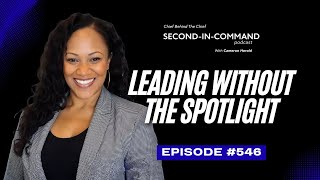
Erica Wright, COO of VRA Realty, scaled the brokerage from 85 to 115 agents across five states while building property management, lending, and coaching divisions. She manages loneliness in the role after relocating to Merida, Mexico in July 2025, and uses time-blocking and EOS systems to delegate work beyond her highest-and-best use.
Questions this video answers
Decision in July 2024; move completed in July 2025.
Pennsylvania, Delaware, Maryland, New Jersey, and North Carolina.
From about 85 agents to over 115 agents.
Over 110 units.
Moved to London in September 2008 and opened eight offices in six months.
Chapters
Can I build a group of, you know, of people who are in business or operations who can support each other and kind of run ideas off of each other? And, you know, right now my, my, my husband gets it. He gets me complaining or kind of coming up with suggestions or ideas. And he's been great, you know, as much as he can, but, you know, he's never been in this type of position before. So it does get hard because I do sit on island trying to figure out, okay, what is the priority? What should I do next? Is this going to make him happy? Is this okay? You know, because sometimes outrun an idea, we may go about different ways of doing it, but, you know, we both get there. So it does become a lonely position for sure.
Our guest today is VRA Realty's Chief Operating Officer, Erica Wright. Erica is the powerhouse behind the company that has grown from 85 to over 115 agents. While she has been onboarded with this company over the last three years, she's expanded across five states with new branch offices and multiple business lines including real estate, brokerage, investment funds, property management, and private lending. They're also launching a coaching business. So they've got a lot of really cool things going on before this company. She has experience with leading 25 different sales offices across the UK before joining VRA. So she brings a global perspective to building systems that actually scale, empower teams, and really work. She's also the founder of Steven's Wings, a nonprofit honoring her brother by funding transformative travel experiences for underserved youth. In this episode, Erica and I dive into how she balances holding her team accountable while still fostering a family like culture. The systems she created just fuel sustainable growth and how she keeps her CEO aligned with their bigger vision. We also explore some of the hard parts about being a coo. Her philosophy on caring for people, and how she is continuing to lead and build a life remotely while she settles in and launches her new podcast in Mexico. This is a really fun one. Lots of golden nuggets and I'm excited for you to listen. Let's dive in. We are live with Erica. Welcome to the show.
Thank you for inviting me. I appreciate it.
Absolutely. And where are you located?
So now I am located in Mexico. Mexico. I'm in Merida, Mexico, actually.
And we were just talking before this that you took the leap. It was like a year ago.
Well, we decided July of 2024 and then we moved. Made the move July 2025. Yeah.
Beautiful. Yeah. So it sounds like there's probably some areas we can talk to about today of leaving a remote company. Probably some adjusting that's happened.
Yeah, for sure. You have a team.
Yeah, with a team, you, family, all the things. So I'm excited to dive into it. Let's kind of start off first. Tell us a little bit about VRA Realty. What do you do and who do you serve?
So VRA Realty is a boutique brokerage based Viney. We're actually licensed in pa, Delaware, Maryland, New Jersey and North Carolina. We are expanding along the east coast, maybe in Mexico. I came along to kind of help Steve Seymour, which is the visionary and the owner of VRA Realty, to kind of be his right hand person to help him with the operations side of the business. They didn't have any systems when I started. They were just sending everything via email to each other and that includes all your contracts and everything. So I came in and I really um, I came as a, as a consultant first to help them pick a CRM system that would work for their trans transaction management. So that way there was a full process. So we can do compliance, we can get people paid on time, we can get them paid cleaner and faster. And so that's what I, I came in and did. And then he kind of fell in love with that and he brought me on and hired me to kind of revamp all the systems in the business. And that's when we, we actually at the same time were changing our brick and mortar just some were bigger because we were planning on expanding. So I'm planning a grand opening party. I'm rolling out the systems, getting to know the agents because they had been very much on doing very minimum of what, what was needed. So then I'm like, oh my gosh, I'm going to change everything. Will people hate me? Will they leave the company? So it's kind of that balance of getting to know people but you know, transitioning things and, and bringing new ideas and, and systemizing things for people who didn't really want systems in the first place. So I came in and I kind of started with that, with the brokerage side of things. But Steve does a million things. He also has 50 plus units in the Westchester and, and Delaware area. So and he also has short term rentals. So I help him with the short term rentals, I help him manage his properties. And now we've just started a, a real estate fund. So we work with accredited investors who are looking for passive income. So I manage that and we also lend people who are like agents or people who are Looking to start their first investments. We lend them money, hard money loans, so that way they can take that step to create financial freedom. So it's a full wheelhouse of real estate and, and lending and, and helping people, just empowering people for that, for that financial future and creating that, that, that future wealth.
Sounds like there's a lot happening, probably lots of different pieces to manage and oversee and different people and teams. What was your background before this? Like, had you had a COO role or what skills did you develop before this role three years ago when you came in that kind of transferred over?
Great question. So I originally started my career in, well, I started my career as a psychologist. So I, I, I was going to grad school for a psychology degree and then I was working a day job of direct sales, doing door to door sales, selling office supplies door to door. And then that led me to, they wanted to expand to England, so we were doing that in Miami. So they, they asked me, hey Erica, can you help build the business in England? And I said sure. I was 22 at the time. I didn't have any restraints, so why not? You know, I'm going to go to England, I'm going to, you know, enjoy it. So I moved to England and I basically helped build the business in England. So that's the start of my operations career because I had already done the business side and they taught us how to build sales teams. So then basically all I was doing was building the back end to that sales team and growing that. So we moved to London and September of 2008 and I, my goal was to open up six offices in six months. I ended up open eight offices in six months and not just in the London location, but multiple places in England. And then we actually expanded bigger than that. So my job at the end of the day was to build out their CRM system to train administrators, to recruit and hire sales agents. And then anytime we opened up a brand new office, my job was to go to that office, make sure that the CRM system was adjusted to that country. So I got to go to Poland, I got to go to South Africa, you know, I went to Italy and I got to make those adjustments for those, for those countries using our platform. So I was working nonstop because I was in different time zones. It was Australia, the U.S. you know, South Africa. And, but I traveled a lot and I loved, I did that for about eight years overseas and you know, running the operations, running managers. So I had 25 managers reporting to me, helping them run their business and grow their sales team and then teaching them how to do sales, teaching them how to work with an admin, teaching them how to recruit, how to place job ads. So building a business is what I've kind of used to doing. And what I love to do is see a business start and see it grow and, you know, kind of let them go free and go from there. So that's my enjoyment, is empowering people to create that freedom. So I really love the startup of a business. So, like creating the websites, getting the branding, creating the systems to get everything going, that's my wheelhouse. That's what I love to do.
And I imagine there was probably also a lot of hiring and delegating that had to happen in such a short window. I mean, eight offices in six months is a lot. Like, that's probably a lot that went into that.
Yeah. So, I mean, for each office, I had to find the right administrator to run that office with the ad, with the manager for each one of those offices. So, you know, my job is not only to get the manager started because a lot of these guys are just coming from college and, you know, don't really have experience running a business. So I'm helping them on the back end, running, getting the business started, teaching them how to have a relationship with their admin, teaching the admin, then how to recruit these salespeople and then how to have retention as well, because in sales there's going to be high turnover. So, you know, teaching them scripts. And so all this came from my sales, my sales background and my psychology degree. So I am tying everything together and I am actually using it, even though it's not what you would typically see for a psychologist. But yeah, so it was, it was a lot of teaching and replacing myself over and over again. So, you know, it's funny because when I moved back to the States, I ended up in a recruiting job because I've done recruiting for years, you know, so that's, you know, kind of where I fell into. But yeah, it was, it was a great experience. You know, I came back from family. You know, my brother got sick and my mom got sick. Um, and, you know, it was, it was a time for something new.
At that point you mentioned before, we jumped on that family's really important to you. It's kind of one of your main focuses. Could you share a little bit about what's that relationship like? When you think about family and also being in the startup space, it is chaotic, often stressful. There's a lot of time and attention that goes There. What's your relationship like with family and balancing that?
It's so. It's funny because my family knows that my work is always. I work 24 7, and I've done that my whole life. You know, every job I've had, I've kind of been, you know, I nose to the grind. I work very hard, and I want to make sure that I do things correctly and I want to do things right. And I just enjoy. When I enjoy what I do, I do it all the time. So it's not like I'm, oh, my gosh, I have to work is because I love doing what I do. So I'm always checking on and I want it to do well, and I love it like it's my own, which is why I think I've done well with a lot of CEOs because I do run the business like it is my own business. So my family is very used to it. I don't like them being used to it because I want to make sure that I'm spending my time 100% with them, focused on them. And that's what I've been recently focused on, changing. And that's kind of, you know, losing my brother in 2017 was kind of a big part of that. Like, making sure that I appreciate and experience all the moments. And in total, you know, not halfway there, not looking at my phone, not, you know, you know, thinking about who's going to be calling me next, but turning my phone off and just really appreciating the time I have with them, you know, so it's, it's interesting now that I'm moving to Mexico, but, you know, what the discussion was with my parents is, you know, they want me to be happy and, you know, I'm still spending time with them when, when I am there. And then obviously I found a home that has enough space for my family to come when they want to come.
That's beautiful. And I'm sorry to hear about your brother and, you know, what a beautiful perspective that you have and being able to see that you're able to take the gift and really appreciating time with family. I've had similar, similar experiences in different ways, and I think we all have. And yeah, balancing that, like, drive with ambition, I mean, it's one of the things when I was building Closers, which was kind of the big startup that I was a part of for a few years, I was second hire all the way up until we had 110ish people. And when I left the company, my best friend in the whole world. I'm actually at her house right now as I passed through Scottsdale, Arizona. But she was like, hey, you know, I've kind of been holding some of these things back from sharing with you, but I wanted to support you and really cheer you on, and that was your time to shine. And I felt like a burden to you a lot of the time. I felt like I had to schedule myself on your calendar. Like, I literally had to booking link almost to get time with you. And we had a really open conversation about just my kind of blinders that were on. Like, I kind of tapped in my relationships when they were convenient for me.
Yeah.
And it was a really big lesson for me of like, okay, now moving forward, how do I make sure that the really important people in my life feel just as important as the things that I'm working on? And it's. It's a work in progress.
Yeah. I mean, it's what I always say. I was like, you don't want to give less than. If you want to give a hundred percent to your job, you should also give a hundred percent to your family. Like, they deserve that. Right. So, you know, even with my husband now, we do, we still do date nights. So date nights is. The phone is off. I look at you, we're spending time together and we're working on a relationship. We. Because I believe that you should still date your partner even after marriage. So I love that.
Well, cool. Let's talk a little bit about what does your day to day look like in business? What responsibilities do you have now? I'm also just curious about all the different branches that you guys have, how you know what to focus on. Sounds like a lot of things happening. So. Yeah. What does that kind of day to day look like for you?
So it's something different every day. I, I am big on time blocking and scheduling. So if you ever look at my calendar, you're like, oh my God. You know, you would be like, you're crazy. Because I have everything color coded, you know, for, you know, on highest priority. So because we started the lending side of business, that's one part that I, you know, block out time doing that, writing loans, doing the underwriting, preparing loan documents, sending out loan statements. That's part of one part of my job. Another part is now we're starting a coaching and investing coaching program. So a lot of that part is me, you know, doing the marketing, building out funnels, building out sales systems, writing, getting the event right, creating webinars, you Know, so preparing the event side of that business and marketing that side of that business. The other part is just oversight of the brokerage. So you know we run on eos and Altin. So just making sure the scorecard and the numbers are reporting on, making sure people are accountable for what they're supposed to be doing and kind of the oversight of everything because I've now leveraged that to, you know, to some great hires that we have in the office. So that's the reason why I came to Mexico that I don't have to be there day to day. So just making sure that they know what they need to do. Kind of taking my brain and putting it in their brain, just touch basing with them. And then we have our property management and that's probably what pulls a lot of me because we have over 110 units. So making that our property. Our property manager has everything that he needs. And then I kind of, I also manage all the money. So making sure that money flows through all the businesses and we know what's being paid off and what needs to go. So um, I do have select days for that. So I do my, my money stuff is usually Thursdays and Fridays. The podcast and the investor agent program is usually Tuesdays and Wednesdays and then Monday is really like the brokerage and a lot of our, our team meetings and things like that. So that's the over side of of the basic things that I do on a day to day basis.
It sounds like in your calendar so you've got kind of like whole categories on certain days. And then you mentioned the color coding calendar. I'm a geek about productivity stuff. So what does your process look like? Do you have like on Sunday afternoon you plan out your whole week, do you that on Mondays? What is your calendar scheduling system?
So I usually plan out my whole week at the end of Friday. So I actually have that time block on my Friday because my Sunday is my day off. So I actually. We try to disconnect from media and everything and that's just family time. We either go to the beach or we use it. We spend time in our pool and that's just me and my partner's day. So I don't do anything on Sunday. Love that. So Friday in the afternoon I, I look at my next week and sometimes I go into the next week and kind of time block on any. Based on my to do list or anything that we've talked about in our meetings I will put those into my time blocks and add those into the, into my My plan for the week.
Okay, cool. And then the, the other thing that you had mentioned was with the coaching program that you're launching, you're building funnels and you're starting to do some of the marketing for that. I imagine like that on it in itself could be an entire role. I mean, actually I know that that could be an entire role.
It is entire.
They're the companies that I've helped. I've built over 500 sales teams in online education and coaching industry. So I'm familiar with how difficult it is to find someone to do all of that and do it really well and have those converting. So with all the other things that you have going on, why are you the one learning that and doing that versus just like hiring that out? How do you decide where to actually put your skills and attention versus when to hire out?
Great question. And what I've kind of, what we usually do is I will take a crack at it. I'll see how I feel in it. And you know, if there's something where that's higher priority, then I'm going to leverage it out and give that to someone else. I might still be able to do it, but I. My time is worth, you know, something else. So I was actually, before we got on the call, interviewing someone for the marketing piece of, you know, just, just going to the platforms, putting the social media, cutting up the reels. Because I was actually doing that for Steve on his platforms, on his personal pages. Um, and I was like, that's not my, that's not where I should be living. Um, so I was just interviewing her. I think I might be hiring her. But, you know, but that's where, you know, what it is, is I'll, I'll do it. And if it's, you know, taking me too long to do it, or it's not my highest priority or there's something bigger that I can work on, then I'll, I'll leverage that out. And it, and really it looks at, like at times, so I know that I'm working in my highest and best. When it takes me, it doesn't take me long to do. I can do something in a couple seconds and it's done. You're in. Right. But if it's taking hours on this and I'm like, this is not my, my best use of my time, then I'm going to leverage that out to someone else. I might love to do it, but it's not what I should be doing.
And Steve being the visionary and he's CEO Is he the founder also?
Founder.
Okay, great. I imagine he has a lot of ideas and it's not. It sounds like he has a lot of ideas. With all the different things that you guys have going on with launching a coaching program, how do you decide which ideas to have his back on and be like, yes, we're going for that. This aligns with our vision versus, hey, this is a great idea, but maybe not right now. What. What's your line of thinking when you're getting spewed ideas? Because this is often something that a lot of CEOs encounter is, holy cow. There's a lot of ideas coming towards me. There's already a lot that we're doing. I'm the one holding the ship together on the back end. What do I do with all these ideas flying at me? What do you do?
So, I mean, there, you know, we started working back in 2022 together and you know, there is learning how the person works as part of that too, because you don't want to be like, I don't know, I don't know to him all the time. Um, so, you know, there was an idea he came up with and it was a great idea and I loved it. And. But I was like, this is definitely not what we had talked about when we first came on board together. I was like, this is what we were working on. We were working on this one thing. So I was like, all right, well, we'll try it. You know, we'll see how this, this goes. But I'm going to, you know, give it to you because I have all the other things to do. So we tried. Did not go the way we wanted it to go. And then. So now my focus is anytime it's anything opposite of what we talked about, then I'm just going to kind of remind him again and again, like, this is what we came on board to do together. Let's focus on this. And I think he's gotten better at it too, because he, he, he won't always tell me everything that comes into his mind. He does write it down in his notes and I see it. But, but you know, our focus is. We've been talking about this for a long time, is kind of building this program where we can teach these agen to expand their wealth and who they are and empowering people to become accredited investors. So that's been our mission and that's our vision. And you know, I kind of try to bring that up every time we meet. When we have our Elton. Our Elton quarterly meetings is to bring back what our, our vision is and what are we doing this for? So that helps because I'm just using his own words.
Totally. Yeah. I think having that crystal clear vision is, that's so important. And for anyone that's listening, if you feel like that is a little blurry or unclear or people in departments are on different pages. Cameron has a book called Vivid Vision. It's amazing and really easy read, but it's around all of the topics of creating your three year vision and your business. And then like Erica saying from that place, when you're all aligned, hey, this is where we're going. Any ideas like it's spoon at you that are not aligned? It's really easy to be like, hey, you said you wanted this, this idea doesn't really fit with this. But maybe we'll, you know, after year three, let's pin it for now. Put it in the. What is, I think like people say like the parking lot, parking lot dock. Let's put it there. And kind of going back to the first 90 days when you came on because you said that there was no systems and you were mentioning that he brought you on for one thing and then sometimes ideas get brought up in another. What was you, what were you originally brought in for and how did that first 90 days going in and actually seeing that or working on that play out?
So I came in, like I said, to build their transaction management system for real estate. So systematically, when an agent does a deal, it's all run through the brokerage. So the brokerage needs to have access to the documents. They need to be able to, if anybody ever asked, hey, do you have this? We need to have record of this. And a lot of times what I noticed when I came on board is they didn't always get all the documents. They didn't get them in a timely manner. So if we were caught up for a document, we would be audited. We would probably have to pay a fine because that wasn't happening. So I had to create those rules and those standards so that way we can systemize this so we can grow. Because you know, they started with a very small amount of people from, they went from, you know, 10, 15 people, then they went to 50, then they were at about 80 when I started there. So I was like, it's fine right now because you're only doing 30 deals a month. Now we're doing 90 deals a month. So you know, imagine if we were doing that back then and you know, just handing paper to people that wasn't really, it wasn't really going to work. It wasn't really going to grow on quickly. So that's what I came in to kind of build that system. And we ended up choosing a transaction management system that has worked really well with. For us, you know, but what I wanted to do is I wanted to get to know all the agents. So I actually scheduled zoom conversations with everyone because no one comes into the office.
All 85.
All 85. I had my checklist, and I kept calling them or sending them text messages. So I think that's how I built my relationship with a lot of the agents, especially the ones who don't come into the office. And that's how they got to know me, is because I was like, I want to see their face, I want to interact with them, and then I want them to get comfortable with this. I was like, so I'm rolling this out, you know, it's not going to be immediate, but I'm just preparing you for what's about to come, what's about to happen. And we wrote it out in phases, so that's what I did my first kind of 90 days there is. I got to know the agents, and I got to see who works well with rules and who doesn't and who was responsive and who wasn't. So, you know, it's funny because now I'm handing that off to, you know, Becky, who's now running the brokerage. And, you know, I have some of the people who will still call me because now I have that relationship with them, and it's not even seeing them face to face is just because I built that relationship with them at the beginning. What.
What are some of the other benefits or things that happened as a result of building relationship. Because I think that can often be something where when someone goes into a new COO position, it's like, how much do you observe? How much do you build relationships? How much do you let people do their own thing versus kind of getting in. What. Yeah. What were the things that you saw as a result of building relationships over the last three years? How has that benefited you and the company?
I. You know, it's funny because a lot of people say, when I decided to. To move to Mexico, and they were like, I'm like, I'm never here in the office. What, you're not going to miss me? And they were like, but my presence there, you know, you know, just my personality and the culture that I brought has really impacted and made VRA who it is, who it is. Now, I would Just say, you know, and it's just because I've gotten to know people and, you know, I'm really, you know, I want to make sure that I'm helping people and because for me, that's important. So, you know, I want to give back. So I think that that kind of just built a foundation for who we are, because we're kind of a little family, you know, we want to take care of and we want to help people, and we really do care. And I think just building that relationship at the beginning has definitely helped that and helped create this kind of culture of what we currently have in our office.
When you say we're kind of like family, I've been in different teen cultures that have different opinions on that, where some view it as this really awesome thing. We all feel like family and they work really well together in that sense. And then there's other people that would have the stance that having a family environment makes it really hard to hold people accountable, fire people, make decisions that are actually the best for the business. So what is your approach to creating a family like environment while also holding people to the rules and the expectations and the standards that you then were setting?
So I am the accountability queen in the office. So I am the one that makes people accountable for everything they do. Because I typically, when I say something, I typically do it. So. So I think people respect me in that sense anyway in the first place. So they don't want to come to me and say, hey, I didn't do this. So, you know, I've created standards within myself and people see that. So that's. That it starts from that. And, you know, and for me, family is being comfortable with each other and being able to have those comfortable and those conversations, those tough conversations is important, you know, because part of that is just being honest. So, you know, just because we're a family doesn't mean that I can't have an honest conversation with you if you're not doing something that you know, you know, you need to be doing and it's not being done correctly. So just because we're family doesn't mean I can't have that conversation. So I think people might confuse that, like, oh, we're just going to be loving and we're. We're going to act like everything's great and no, that's not the case. You know, Steve and I have tough conversations all the time. You know, I have tough conversations with my property manager all the time. But, you know, at the end of the day, I still love You. But this has, this needs to happen, and that's all there is.
Speaking of tough, what are some of the toughest things, hardest parts about being a COO for you?
You know, again, you know, part of that is creating that family atmosphere and then having to let people go. You know, I've, you know, I, we recently, before I moved to Mexico, I was like, I need someone that can really run the office when I'm not here. And the person that we had, I loved them, but they weren't going to be that, that operations person in the office that could really kind of take over. So they just weren't the right fit. So just having those tough conversations, you know, you know, I want them to do well, but it's just not going to be here. So, you know, that, that does get hard because you build that relationship, but you want to see them do well out somewhere else. So, you know, my, I'm always like, okay, can I find them a job somewhere else before I have to let them go? Um, but yeah, that, that does get hard on letting people know.
Do you ever feel lonely in your position or like lone wolf being in COO role or like, what's the support structure that you've built around yourself if not?
That's a great question. There isn't really, to be honest. And I'm still trying to figure that out. I was actually, I'm like, I'm here in Mexico. I'm like, can I build a group of, you know, of people who are in business or operations who can support each other and kind of run ideas off of each other? And you know, right now my, my, my husband gets it. He gets me complaining or, or, or come kind of coming up with suggestions or ideas. And he's been great, you know, as much as he can, but, you know, he's never been in, in this type of position before. So it does get hard because I do sit on island trying to figure out, okay, what is the priority? What should I do next? Is this going to make him happy? Is this okay? You know, because sometimes out run an idea we go, we may go about different ways of doing it, but you know, we both get there. So it just, you know, it does become a lonely position for sure.
Yeah. I mean, when you're growing and you're, you're building team under you, you're, you're the person that people look up to and are coming to. Like I, I saw in your show forum, one of your responsibilities is like being a therapist sometimes, you know, and there's a Lot of pouring out to other people. And I know it's something that I certainly struggled with and it led to, you know, even deeper struggles in my health and burnout. I just completely fizzled out, you know, not really taking care of. Like, now I. I can see how I didn't take care of my physical body. But then also there's the. The big pieces for you too, is around, like, having the support, which is why I joined and we could talk about it after. But for anyone that's listening that might relate to you, the COO alliance that Cameron put together, I mean, that's, that's why I joined because I had no one to really go to for the problems I was experiencing to run ideas. Like, I would bring an idea to Cole, the owner, and he'd be like, I don't know, like, your guess is as good as mine. Like, that's not my role, you know, and being able to be around other COs. Like, I built our entire internal hiring system based off of one group member who was like, oh, I've spent years figuring this out with this personality test and this system and I've got it all automated. And he spent an hour and a half with me, showing me everything, and we just were able to implement that. Group interviews is something that I learned that was like the one domino because I ran a sales recruiting company. And so figuring out group interviews literally saved us probably even now, they've probably. It's probably saved, you know, millions of dollars and. Or produce millions of dollars and just the. The time saved, the efficiency, the amount of, like, good sales reps that you can get in in such a minimal amount of time. Finding those places, communities, groups, in whatever way works best for you, I think is so important to have that support and shared resources because we're all out here trying to do our best. And why recreate the wheel if someone's already figured it out?
You know, R and D it.
Yes. Well, I would love to hear about your culture because it sounds like you've been a really big part of crafting, that there's this kind of family feeling, but still, get your stuff done. We're going to hold you accountable. As you guys have been growing so quickly, multiple offices, more agents. What has been important to maintaining the type of culture that you're wanting to create?
So for us is really the collaboration that's, you know, important for us. Sharing ideas, sharing stories, being authentic and honest. That's a big part of our, Our. Our values and who we are. So we try to have that you know, wherever we go. So, you know, if somebody wants information, we're gonna, we're open to sharing that, we're opening to have to sharing ideas. And we do that with our Friday morning masterminds within the office where we can be open on this. And some people call it a therapy session. I call it AA sometimes. Um, so, but you know, it, it's an open space where you can be open and honest and, and get good ideas and good ideas to help you move your business forward. Sometimes not even only your business, but your, your mental, because no one talks about that in the, at all in the workforce, but we do. We talk about your mentality, your, your vision, your perspective, because that really is going to guide your business forward and because it all starts here, you know, for you to, to create those actions. So for me, that's a big part of that and you know, continuing to have that with the agents, you know, you know, I'll text them and, and say, hey, how's your day? Or you know, what's going on. Even though, you know, I'm in Mexico, I still try to check in on people and, and create that community or that one on one connection because I feel like we lose that with technology.
Is there anything unique specifically about your culture in the real estate industry? That's maybe not the norm.
I would say our brokerage is not the norm together. Again, we don't talk normally in other brokerages about feelings or how's your day? Or really dig deep into stuff. Like really dig deep what's going on with you? And it is like a therapy session in our office of time. So if you're not ready for therapy, don't come to our brokerage. But you know, it is, you know, we do care about you because we want to change your mindset so that way you can grow. So that was, that's really what's different between us and the other brokerages out there. You know, I came from a big box brokerage and um, it was, you know, you're one of the numbers. But here, you know, we're really trying to focus on the individual and I think that's what makes us different.
Do you guys have any structure in place or certain things that you've added into kind of the operations of the company where people, if they're struggling with X, Y, Z. Do you guys give like an allowance for someone to go get therapy sessions? I know some companies will like hire full package, like health and wellness benefits type programs. Do you guys have anything like that or is this Just more kind of woven into your meetings.
Yeah, it's more woven into our meetings. You know, there's, we've had agents who struggle or have had to have issues and you know, we might help them out one on one, but it's not something we built into our structure again, because their agents are 1099. They got to do their own thing. But, but, you know, people have felt that they can come to us and express, hey, this is happening. And you know, we're more than welcome to, to help because we want them.
To do well because they're 1099. They're in a high autonomy environment. How do you spot someone who might not be thriving in that type of environment and still give them the support that they need?
So it's, it's tough, you know, for, for sure. Um, but, you know, I do like to have check ins with, with some of the agents who, you know, I, because I know majority of the agents that we have in the office. So, you know, it's just checking in on them regularly and, and just seeing how things are going. You know, sometimes I call and it's for one reason, but I don't bring that up right away. I'll just, you know, talk to them about their day and what's going on and, and then, you know, they'll kind of keep talking and you know, and, and then they, they enjoyed it, they enjoyed the conversation. So it's, it's more kind of like a check in, but not, you know, not really a check in. So it's just me kind of again, creating that connection again that we don't get anymore because of the emails and the text messages and the automation, but just creating that personal connection.
How often do you stay connected with them? Now it sounds like three years ago you had all the calls with all 85 of them. Have you been able to maintain all of those relationships or have you had to let go of some of them?
Yeah, I mean, it's, I think it's, you know, I don't want to say this, but it's like you're 80, 20, you know, and so there's people that I definitely pour in more than others and there's people who come back every once in a while and I've kind of started to leverage that again because I'm, I'm trying not to be the, the, the person that's there that they reach out to all the time now. So it's hard because, you know, I don't want to let go of the relationship that I've had, but, yeah, it's so. It's becoming less and less, and so I still have a handful that I. I talk to maybe, you know, a couple times a week right now.
Awesome. Yeah, that. That was one of the hard parts for me, was, like, feeling like I was losing the closeness. Like, there. There was a point of which at one point I had maybe 12 people under me that were all fairly. Like, I had one department, but there's kind of like three different branches of it. But we were all still kind of in the same meetings and in the same, like, loops of things. And then I just remember this one day where I realized, like, the feedback I'd gotten on some things and some balls that were dropped, I was like, man, some of these are becoming. Are coming. My lack of being able to give those people the same amount of support that they had before, and, like, they also had to shift their expectations of what they were going to be able to receive from me. There's new leaders coming into place, and there was a really, like, interesting transition there of losing out on some of the personal connections. And I think it's. It's something I've heard is really common from companies in the first, you know, one person to 30 people. You've got this really tight, cohesive culture. Everyone knows everyone. You've got the Christmas parties and everybody's laughing and telling jokes, and you could really just.
Yeah.
Have that family feeling. And then there comes a point where it just. It gets a little bit bigger, that you lose out on some of that. And there's a shift that happens culturally. You know, managing expectations in the team is definitely a thing.
Yep. Yeah.
On the kind of like a different. No, but I would love to hear what happened. One or two of your proudest moments or the things that you're. Yeah. What are the things that you're most excited or proud that you've accomplished in the last three years?
So in the last three years, I've been with them probably the last three years. So, I mean, one thing was the grand opening that we had, you know, moving from a smaller residential home to now being in a commercial space, you know, so that was huge and big and growing that from 85 agents to 115 agents, you know, in less than a year at that time. And so that was really amazing. And. And then just being able to, you know, help the. The agents who've come aboard from other brokerages and see them grow and see them do well and be successful. You know, I have one agent in particular. You know, we Were great friends when we worked together at the other brokerage. And she came over with me, she's like, what are you doing over there? And I was like, why don't you come over and take a look? And, you know, so she's been doing well and doing whenever I can and excited to have her as a friend, excited to have her as a business partner, and I just want her to do well in her business and in her and with her family. So seeing those. Those relationships grow and blossom has been important for me too, and create those relationships and connecting people, you know? You know, I love connecting people. And so, you know, we had an agent that started with us and an agent who came over with me too, as well. I got them connected, and now they. They're like best friends. So, you know, creating those connections and partnerships or where people, you know, may not have met that other person, but now are creating that connection. So I do love doing that as well.
That's beautiful.
On.
On the kind of the flip side, if you could go back three years ago and do something differently in your COO journey with vra, what comes to mind?
Hmm. It's a good one. I. Trying to live with regrets. Um, but if I had to do something differently, it probably wouldn't be the. The. So he wanted to create this other wellness center, and I probably would have pushed a little harder on not focusing on that and staying focused on. On our original mission, because that did take a lot of time out. We spent a lot of money doing that, and it was a lot of energy. Kind of waste it now. So I wish I would have pushed a little harder on revamping and focusing on our mission, our original mission.
Is there any advice you have for someone that might be stepping into a COO role for the first time?
So my mice is clear expectations between you and your visionary or your CEO on who's doing what and who's responsible for what, and what does that look like? So when you have clear guidelines and you have a clear vision, a clear mission, then it makes everybody and everybody's job a lot easier to work with. So I think that's important to. To at least map out first and then work on that and then rev. Revisit that at least it's not once a week, but once a quarter. Recap. Visioning what that looks like, what are the steps to get there. I think that's really important. And that gets. Keeps everyone on the same page. So that way we're all rowing in the same boat, all rowing together, so we can get to that one. That one goal at the end.
Awesome. As I. I just have to ask because I'm curious about it, but it sounds like you're about to launch a podcast called this Might Be a Bad Idea.
Yes.
What sparked that? What is that about? Tell me.
So, you know, we decided to move to Mexico, and we're like, you know, first of all, I put a payment down on a property that I hadn't even looked at. I hadn't. So I came down for exploration, and I had visited Mexico, and I had looked at a whole bunch of different places. I think we looked at about 30 homes, and none of those actually ended up being the one that we wanted. So we actually, you know, I got on a plane, I'm going home, and, you know, my realtor sends me a video of a place, and I'm like, okay, I have my cousin go take a look at it. I never walked into this home, but I did put money down on the property, and I'm like, is this a good idea? Um, it's a new construction. The whole property needs to be built up. We weren't there at all. My cousin was there the whole time managing everything. Um, so, you know, the whole process was an interesting process. And the whole time we kept questioning, was this a good idea? So that's where the podcast comes from, is our decision to move our whole world, take it to Mexico, to a country that we've never lived in. Jeff doesn't speak any Spanish. I speak a little bit of Spanish, not a lot. And, you know, at that time, we were just boyfriend and girlfriend. We weren't even married. We got married right before we moved, and our parents had never met. And you were like, are all the decisions we making, Is any of this a good idea at all? So it was a whole big life adjustment. So I'm planning a wedding. I'm getting a house built from the bottom up. I'm leaving my job, and I'm teaching people how to. To do my job. I'm doing all this at the same time without going crazy. So I'm. We're all, you know, the question kept coming up, is this a good idea? And, you know, people were asking, like, what made you do that? Like, you know, why are you doing that? So we're like, why not just turn to a podcast? Because we've been talking about it for a while, and we were throwing around ideas, and I was like, well, that. I was like, is this a good idea? So that's where it really comes from. And it's just really going to be us talking about our transition and our marriage, our move to Mexico, and then me just being able to work remotely and what that looks like for anyone who is in a CEO position who ever thought about moving or moving abroad or wanted to be an expat or working remotely. Um, and that's, that's really what the crux of our. Our podcast is, is a little bit of sarcasm and just seeing what a marriage, how a marriage works, moving abroad.
That sounds amazing. Absolutely incredible. And I know there's. Yeah, there's a lot of people that want to make the. The change and the jump and create kind of what you were talking about before. Create. Create the life that you want. And there's a lot to pieces in that. And it's cool you were kind of carving the way, which also anyone that was watching on YouTube, I just had like the biggest cough attack ever. And Erica, you did an amazing job keeping that story going while I was trying to come back up for air. So thank you. We'll kind of wrap it up here. But I would love to know what is the thing that you're most excited about in the next six months in business?
So in the next six months in the business is really being able to come fully out of the brokerage side of things and really focus on the funds, the VRA capital that we have and then the investor agent podcast that we're having. So my goal is to really kind of focus on running those two businesses and let the property management and let the brokerage run for itself. So really being able to leverage those things, have the right people in those seats. So that way I'm just getting reporting, making sure that that's running, and then I'm really building out these two new businesses in a sense, because those are going to be my new babies right now.
Amazing. Well, Erica, this has been absolutely incredible. If anyone wants to reach out and connect with you, where's the best place for them to do that?
So they can actually just reach out to me at my email? It's Erica Dionwright gmail.com but you can always find me on social media. You can even check me out on our podcast page. This might be A. That ideapodcast.com it has all my details as well.
Perfect. Well, thank you so much for this. I know that there's a lot of wisdom in here that many people are going to benefit from. And best of luck with everything that you're building.
Appreciate it. Thank you so much.
More from Cameron

Flutterwave Former Global Head of Operations Awa Kone | When Growth Outruns Operations (Podcast 611)







Optomi Professional Services COO Nick Murphy | The COO Can’t Know Everything (Podcast 607)


