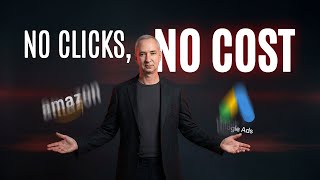
Cameron Herold explains how performance-based ads work: networks like Applovin only pay publishers when ads convert, and he uses the same model to promote his podcast and course with near-zero spend through remarketing and banner saturation.
Chapters
20 odd years ago you'd go on websites and there'd be these Amazon banners and ads everywhere. Amazon wasn't paying for those. Amazon only paid if you clicked on those and someone bought. Then at some point some websites started saying you have to pay us to be on the website too. But the smart ones were able to monetize that traffic. This was really big back in the late 90s, early 2000s when companies were doing digital marketing, putting up banner ads and you were literally paying a percentage. It's usually in the 20 to 30% range as like an affiliate fee. So it's almost like affiliate marketing. They will only start serving the ads to groups that are actually buying. So the reason it works for this group like Applovin and there's other groups that do it is if your ad cannot convert, they're just not going to show it anymore. But if your ad can convert to their customer base, then they know how often to serve it. They can keep serving it and because they're making enough money, they'll keep serving it. But if you've got an ad for dog food and nobody's buying the dog food, they're just going to stop showing the ad. But if you've got an ad for something that does work and your fee that you pay them is enough, they're going to keep showing that all day long until it no longer serves their purpose. So it makes more money for them just to get great B2C companies doing this. And it exists in the B2B space too. It's B2B versions are usually things like ezines, portals for your industry, any industry, trade journals, you know, it's stuff where, where it costs them nothing to put those ads up. And if they make money, it's great. If they don't make money, it is no, no harm, no foul. The way that Amazon grew everything back from 98 to 2001. I don't know if you remember this, but 20 odd years ago you'd go on websites and there'd be these Amazon banners and ads everywhere. Amazon wasn't paying for those. Amazon only paid if you clicked on those and someone bought. Then at some point some websites started saying you have to pay us to be on the website too. But the smart ones were able to monetize that traffic. This is just getting strategic and getting inventive. But that's a good way to decrease your cost of goods sold is how do you get your marketing spend down to zero? Or how do you understand your cash conversion where you're willing to pay a little bit more, but you know that you can get more value out of your customer longer term. So I have like on Google's remarketing and on Adroll is my banner ads for the second in command podcast, Second Command book, my invest in your leaders course are all over the Internet. And if you've been to any of my websites, you see my ads everywhere. I don't pay unless you click on one of those ads. But for everybody else, you're just seeing me everywhere. So if you're a brand like Butcherbox, the fact that people just see you see you see you see you see you see you is free marketing and free impressions. And if they happen to click on that, they're probably buying anyway. But it's just rejigging some of our marketing.