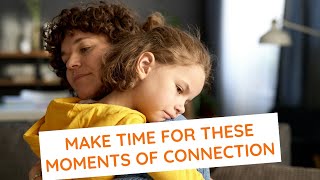
In this YouTube video, Camilla McGill offers practical parenting guidance for handling a child's report of social exclusion at school. She emphasizes the importance of validating the child's experience rather than rescuing or minimizing it. The core strategy is a three‑word prompt—"Tell me more"—to invite the child to share feelings, followed by gentle probing about how the situation felt. McGill advises parents to pause, name possible emotions, and then explore solutions collaboratively, asking "What might help?" or offering optional suggestions like joining a club or inviting a friend over. The overarching goal is to empower the child to problem‑solve while the parent provides empathy, understanding, and occasional ideas without taking over. McGill notes that these techniques are used in her therapeutic work with clients and that deeper, individualized support can be explored in client sessions.
Chapters
Our child comes home from school and says, nobody would play with me today. Our instinct is to make it all feel better. And we say, oh, don't worry, darling. I'm sure there'll be people to play with tomorrow. We might try and rescue them by saying, oh, that's not nice. If people aren't playing with you, then I need to speak to your teacher. Or, oh, I'm sure that's not true. When I go to pick you up, your teacher says you've got lots of friends. Now, for our child in this moment, this is something very real that they're sharing with us. So we've got to think long term. We've got to think if we want to inspire and empower our child to be able to deal with adversity, deal with situations where they have been excluded, then we don't want to rescue them. We also want to show that we believe what they're saying, and we don't want to dismiss and minimize their experience. So here's a really good response when they say, nobody would play with me today. 3 words. Tell me more. We want to get them to open up. We want to get them to share. Now we don't need to get them to go into masses of details. Well, who was it and what did they say? And then what happened? We just wanted to understand how that felt for them. So we might say something like, and how did that feel for you? They may not be able to describe how it felt, but so we might need to give them some hints. That probably felt really difficult. I expect you felt quite lonely. Maybe you felt betrayed. Maybe these are friends who you thought were loyal and they weren't being nice to you. And then we pause and let them sit with that feeling. So often as parents, we're trying to move things on, make things better. Give them a bit of space. And then we might come in with a question like, I wonder what might help? And see if they've got an answer. If they seem really stuck, use these words. I've got a suggestion. Would you like to hear? So helpful. Now, of course, we've got wisdom and we may have experienced this ourselves. So we may want to share that. This is something I had happen to me when I was a child. And do you know what I did? Or we might say, I've had a thought. Would you like to join a lunchtime club? Should we invite a different child home for tea? Is there something you'd like to do at lunchtime that doesn't involve playing with these children? Maybe we could find out what other things there are to do at playtime. Now those are the suggestions. It may be that we just need to let our child feel heard and that that's all at this point that we can do. But the two key things are that we want We want to inspire our child to solve things themselves rather than jumping in and solving them. And we want to believe them and to hear what's going on, even if they're not an instant fix for it. These are very real problems and things that I help my clients deal with all the time. When we are doing client sessions, we'll go deeper into each child's situation and get different ideas to help. But listening and showing our child empathy and understanding are going to be so important for now and for their future.