
$10M Per MONTH On Amazon | Logan Chierotti
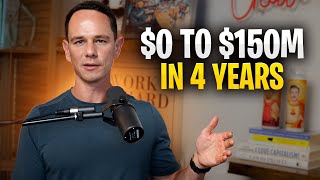
Logan Chierotti built Physician's Choice from a $1M loss in year one to $150M annual sales by narrowing focus to probiotics, investing heavily in ads and subscriptions, and hitting Amazon's #1 ranking. The supplement brand now does roughly $15M per month with 70,000 retail locations.
Questions this video answers
Physician's Choice
On pace for about $150 million in sales per year (≈ $15M/month).
About 70 employees.
Approximately $26 million in 2019.
First-year revenue ~ $3 million and a loss of about $1 million.
Chapters
So we're like working out of this Airbnb and yeah, I'm like just at my rock bottom with work. Like I'm working 100 hour weeks. I'm just stressed out of my mind. Basically miss my daughter's birth. Realizing like, we got to make a change. I look back, I'm like, why did it, why did this work so well? Like that was a big decision we made that changed the course of our whole business. We're on pace to do 150 million in sales. Got about 70 employees. Number one probiotic on Amazon. It's like a rocket ship.
Yes. Can you tell us how the heck you scale a supplement company that starts on Amazon? Yeah, one to skip a few. 99, 150 million a year. He is the number one supplement seller on Amazon.com his company revenues are $15 million per month. He dominates every industry that he goes into. And the story of how he got there is insane. This is the story of Logan K.
Logan. The way that I like to start these is just by asking, how did you make your.
Oh, that's a good question. Only from E Commerce. I mean, really, all Internet marketing. So going back to. You want the whole story?
Tell me. Okay.
Back to 20 2007. Really. I dropped out of college. Everyone was like, this is the worst decision of your life. Like, you're a idiot. Can I say.
You can say. You can say whatever you want.
All right. Sarah was like, you're a fucking idiot. So I was like, I got a lot of proof. So I was like, I better make this work. Drop out of college, I get my real estate license. And I quickly realized, like people, I look like I'm like 16. So I'm like, no one wants to buy a house from a 16 year old. Like, this isn't working. So I started being like, how can I get leads? Like, what can I do to like get people to buy houses? And I launch a website and I started doing like SEO because I kind of understood that world. I was young and no one else was doing it. This was before Zillow was Zillow. And all of a sudden I'm like putting up property addresses, like using the IDX and like, I don't know. Anyways, I'm getting a bunch of leads and I start selling those to real estate agents. And so that was kind of like my first taste of like, oh. And then all of a sudden I was getting like 200, 300 leads a day. So I was selling more leads than I knew what to do with. And that Was kind of the start of my, like, online. Okay, I can make money online from there. I never had a job, so I sold that. Started another company, consumer goods company actually, that was like, we're trying to go retail though. This is kind of before E Commerce was. E Commerce. What year was this? That was like 2010.
Okay, so this is before E Commerce is big. Yeah.
So we're like, okay, this sucks. So we decided like, okay, let's sell this because we're just not making money. I mean, it was like doing a few million a year in sales and maybe like a few hundred thousand in like, profit. But, like, it was stressful. So we sell that just to get out of it, basically. I think we like barely made any money on it, if any. I think maybe made like a few hundred grand. But from there we had a competitor that was like, just slandering us online all the time, like, writing all this bad shit about us. So you're like, let's start a reputation management and like, start like, you're all over the place. We're all over the place.
You're like real estate and energy.
I'm whatever I could do to make a buck at this point. Reputation management everywhere. Everywhere, yeah. Gets even weirder. So basically we just. I just wanted to make money. Like I, you know, my dad was a house cleaner. Like, I came from no money, so I was like, I got to like, figure out how to make money. So we start this reputation management business. It's going okay. And then we get in this weird niche of removing people's mug shots from the Internet. So, like, there was this. We kept getting all these calls of like, lawyers and doctors.
Call you recently?
No. That's good. I like that. Logan Paul. Logan Paul did call us back, way back in the day, like 2012, to get something removed.
The WWE United States Champion, Logan Paul.
Yeah, that Logan Paul. Yeah.
So Trump and Logan Paul, your influencers.
At the time, those are my role models. I'm just kidding.
So we're getting all these calls from people like, hey, can you remove our mug shots? So we're like, okay, how do we get these removed? And so we start like contacting the site owners and they're like, yeah, we'll remove it for, you know, five, ten bucks. And so we start removing these, and then we're charging people like 4 or 500 bucks to do it. And the site owners start like, know only wanting us to do it because they don't want to deal with all the people calling them. So we get these like, exclusive Relationships with these mug shot. This is a totally shady world. So we're removing all these mug shots.
And that scaled up, we were, like, moving hundreds of mug shots a day, like, through just these weird relationships we developed. And then we sold that business, and we actually made, like, a few million on that. I was like, all right, this, like, that was really good. And I thought at the time, I was like, in my young 30s. Like, all right, it's enough to retire. I took two years off. I had, like, two young kids or one young kid at the time. My wife was pregnant. I got really bored. I was like, gardening, and I got, like, chickens.
And I was like, damn, that's the dream, Logan.
It's a lot of people's dream. Yeah, I thought it was my dream. And then I realized, like, this is not as fun as I thought it was gonna be. So then I just started. I started seeing what was going on on Amazon, actually started following you, and I saw your content on Facebook and, like, some other places. I was like, man, look at all these people, just, like, killing it on Amazon, making a ton of money. My business partner was like, we can't get back into retail, though. That was a horrible. Like, you know, that was so terrible. Walmart. We got into Walmart at that energy man business. We had to buy back all our stock because it wasn't selling. It was just, like, a mess. But I was like, this just looks so different than, like, you know, housing millions of dollars in inventory. I'd always wanted to start, like, a supplement company. If I go way back. I had this, like, accident that I lost hearing in my ear, and, like, supplements fixed that. Long story short, so I'd always had a big interest in supplements. I worked at gnc. Like, I was a big supplement guy. I kept talking about, talking about. My wife was like, if you don't shut up about this and start a supplement company, like, she's like, I don't know what to do with you. Like, either just do it or shut the up. So I was like, all right, I'm doing this, so we can imagine.
That's exactly how your wife said it, too.
She might have been a little nicer. So it's funny enough, you know, I actually went to your. Me and my Ryan, my business partner, went to your capitalism conference. I want to say this, like, 2017, maybe.
Okay?
I think it was here in Austin. 2016, 2017, 2018. Somewhere in there. We go to your conference, and I got, like, super jazzed. And I'm not just saying this to, like, Pump your conference. Like, I got super jazzed up.
Sorry, you're speaking at the next one.
Yeah, I am. Yeah, for sure. You're speaking. Pump it up all you want, for sure. But I was.
There you go. We go to your conference and we're like, okay, we're going all in on this. Like, we're starting a sub company. We're gonna get super aggressive, we're gonna launch. We didn't know what it was called, I think originally called like Bio Labs or like something crazy. We saw Bio Schwartz. We're like, that's a good company. Let's like, let's try to come up with something that's for like bionutra, bio.
Nature, another member of the capitalism.com community.
There you go. Yeah. Oh yeah, Alex Upperman, right?
No, no, that was.
Or no, Sebastian. Sebastian, that's right.
Alex did well too.
Yeah, he was in there too, right?
They all did great.
Yeah.
So at the beginning of this, the company is now called Physician's Choice and it's doing okay, I hear. Could you just take us fast forward? I mean, you're pretty public about what it does on your Twitter profile. So tell us what has happened, how big the company is at this point.
Yeah, yeah. So today we're doing, we're on pace to do 150 million in sales. We got about 70 employees.
Or number one probiotic on Amazon or number two or three at Walmart.
I see you at CVS.
CVS, yeah. Target. Right. At this point we have like 70,000 retail touch points. We've like done really well in retail and we're still growing. Like we're still pushing retail really hard. Amazon's a huge channel for us. I mean, it's like a rocket ship at this point.
These numbers are amazing, obviously. So can you tell us how the heck you scale a supplement company that starts on Amazon 1, 2, skip a few. 99, 150 billion a year. So what does that process look like? Because it's not like you can spend enough on pay per click to get to those top line revenue numbers. So what, what levers are you pulling? Especially, you know, 2018, 2019 when you start to see some momentum?
Yeah, I mean, early days we were doing a lot of pay per click. Like we were relying heavily on paid ads. You kind of go into like 2020 and the game started to shift a little bit. We started to see like, okay, we had this kind of strategic epiphany, if you want to call it. Or I did and my business partner did, where it was like at the time, we had a bunch of different random supplements, like a turmeric and an ashwagandha and like, all these other supplements and probiotics and they were all, like, doing okay. Like, we had a collagen is doing well and ashwagandha doing well. What I started seeing, like, I was like looking at goalie and like, Vital Proteins and some of these other brands, and I was like, how are these guys doing so well? And, like, why are we just kind of like feeling like we're spread too thin? So at this point, I'm like, I think we need to just narrow down our focus and, like, just go really hard into one category. With the mindset of we are going to win in this category, and for us, that category is probiotics. I was like, we're going to discontinue skus outside of probiotics. We're going to double down on probiotics and we are going to win in that category. And it sounds like maybe like a little thing like, oh, okay, we can all say that, right? But like, at the time, I mean, you're on Amazon, you were an Amazon. You know, it's like the golden nuggets and like, the opportunities you can see everywhere, it's like hard to turn those down. It's hard to say no to, like, what could a two number one turmeric product be? What could a number one, like, magnesium product? Like, all these opportunities are in front of you. But we just decided, like, no, no, we're good marketers. We're not necessarily great at, like, inventory or, like, launching product. Like, I mean, we're good at these things. But, you know, I look at, like, Mary Ruth Organics, another great business, right? Like, they are really good. They're like an innovation powerhouse. They're launching hundreds of SKUs, 500 SKUs for us. I was like, we are not. That is not our specialty. Like, our specialty is being number one in a category. And like, if we come into a category, our goal is to be number one. Like, we're going in digestive enzymes. We're going to be the number one digestive enzyme. We are going to, like, crush the competition. We're going to take over. And I think that focus has been, like, a really key strategy to our success.
So you went to fewer SKUs and your volume went up. Why do you think that was?
I think it was the focus. I think it was like the aggregate. We were able to take a lot of marketing dollars. We picked a gray category, Probiotics, and then we were Able to take marketing dollars from, you know, SKUs like join health and Ashwagandha that are doing okay and they're like, you know, making a few million. Even some were doing decent. And we were able to take those ad dollars, though, and just jam them behind something and create more of a brand, like more of a following on a product that actually people enjoy and like. And we're able to say, okay, we can really market these products as opposed to just like have a bunch of products that are doing.
Yeah. It's hard to build a brand and a raving fan base when you're spread all over the place because you don't build up any reputation. What do you. What. What are you building up reputation for being good at if you're doing everything? And I'll tell you though, the one year that we really struggled with our supplement brand was when we saw all these other brands popping up in all these other spaces and we're like, hey, maybe we've topped out serving this ideal market. Let's go down one and sell the generic things that everybody else is selling. And that really diluted our focus. And it took us another year to make those go away and put our focus back into the SKUs that we're working. And then the company got back on track and. And then we had a really healthy exit. But when we were spread all over the place, that. That was awful. It's just whack a mole. And when you have one of those strategies that works, it's hard to apply that across 90 different SKUs, but you can apply it on four. And that is what gives you the customer flow, to be able to invest in the things that you want to invest in. Now, I know because I follow your. Your ex posts, I know that there was a period either right at the end of your other business or at the beginning of Physician's Choice where it didn't seem like it was going so well. Like there was. I think you even had an offer on Physician's Choice really early and you were thinking about just dumping it. Yeah, tell me about that.
So our first year, it was terrible. I mean, just flat out, like, I think we did like 3 million in revenue. We lost a million.
Sounds awful.
I'm getting there. I'm getting there. Oh, it only did 3 million in the first 12 months, but we lost a million. Oh, you lost a million? Yeah. So there were. And that was a lot of money. It still is a lot of money. Right. I was like, oh, shit, what do we do here? Like, I was Like, I think we just made a huge financial disaster. Like, we're.
How do you lose $1 million when you have 3 million in revenue in year one?
Because we were just really aggressive with, like, discounts, promos, pay per click. Anything we could do to, like, try to be like, we got our Ashwagandha product to the number one spot at the time. We're like, okay. And our probiotics were doing really well, but we were spending so much to do that, which is also. We can go to this later, but it's still part of our core strategy, spending real aggressively. We're super aggressive on ad spend, and that has been one of our strategies since day one.
But you were going too aggressively, too aggressive over too many products.
Yeah.
Was that an ego play?
Probably. Yeah. It becomes an ego play because we get into, like, the spot where we're the number one. I would get in these, like, things. We're the best. Winning the bestseller badge. Someone takes our badge. I'm like, no, no, I don't think so. Like, let's crank up ad spend. Let's give more coupon. Like, we are taking this badge, which ended up working out in our probiotic space, but, like, cost us a lot of money in a lot of other categories, too.
So that first year, you lose a million dollars.
Lose a million dollars, and you're thinking.
About just packing it in.
Yeah, we're thinking about packing it in. 2019, we start to do a little better. Actually, things start to kind of take off in 2019, we're seeing a glimmer of hope.
Revenues are scaling. We start to get some profit in. And I actually get a call. I get on the phone with AJ From Zessy Paws, and at the time, he was doing Purple Rock, so they had, like, a private equity thing he was doing. Fly us out to New York. I want to say they offer us, like, 5 million for physician's Choice, and they give us the whole spiel to take us out to this, like, great dinner, this, you know, great place in New York, and wine and dine us, and we're, like, considering it. This is. This is hard. Like, this sucks. This is much harder than I thought it was going to be. So at that time, we're considering it, but the business is just getting, like, a little better month by month or growing more and more. So I'm like, I don't think so. Let's hold off. Maybe we'll circle back to them in, like, a year or two. And thank God we didn't do that.
What changed in those next 12 to 18 months?
That's a good question. I think one of the big things, which to this day is, like, just been huge for us, is being in a category with subscription revenue. So, like, we just started building up tons of subscribers. We started getting again. We started really focusing in on that probiotic category. We just started winning in that category. Like, Bioshores was the winner at the time. Like, they were the number one. And we were, like, inching up behind them because we were just, like, being so aggressive. And I was like, if we take this number one probiotic spot and, like, get that bestseller badge, I was like, this could be just a game changer. So we went, we're dumping all our profits back into, like, doing this. I mean, I think we probably did. You know, these numbers are a little crazy, but they're true. 2019, we do 26 million. And I want to say we probably were pretty close to breaking even or had very little profit. Maybe like 2 million profit. Very little profit. We were dumping all back into just marketing and being number one.
That's aggressive.
Super aggressive.
$26 million top line, and you barely.
Make it a profit. Yeah.
Yeah. There seems to have been a change in your mindset somewhere around that time, too. Like, I. I see now you talk about how you lost a bunch of weight, you started making discipline part of your focus, and it seems like you went through some sort of a personal transformation somewhere in the last couple years. I'm curious what started that, what initiated that, and where was that in the overall journey?
So, like, those first years, the. Probably the first two or three years, I was super unhealthy, and I was just like. For me, it was like stress eating, not exercising, just working a ton. Like, basically putting off everything in my life for just business, which was super unhealthy. Like, looking back, I'm like, I don't know why I did that. I didn't need to do that. But it was just a way for me to maybe make excuses for being a lazy piece of shit.
Up. Now I get it.
So then I have a mentor, Kyle Carnahan, who likes to say that we often try to borrow from an area of strength to compensate for our weaknesses. So if you are strong in business, you will use that as an excuse to not be healthy, to not have good relationships. And when your relationships aren't working, you try to double down on what is, so you work more.
That said, much better.
And when you're. When your health is shit, you say, I'll just make more money. I'll throw money at this problem. And that works for a while because you're not used to the momentum that you're getting in that one area. But eventually that catches up to you.
It catches up. Yeah.
It sounds like it started to catch up.
It caught up for me. And it was kind of one of these stories where I saw a picture of myself at my office with all our co workers. I was like, holy shit, is that what I look like? I looked really fat, really unhealthy, just like, really just disheveled.
And that was kind of the start of, like, I got to make a change. But I just kept putting it off. I had, like, told myself this over the years and like, oh, I'm going to make a change. I'm going to change one day. I was just like, you know what? Like this. I'm going to start working out every day. I'm just going to do it and I'm going to start eating healthier. So I started doing that and then I actually got into, like following that.
Bri.
I follow like, Brian Johnson.
So you're trying to Backwards.
Trying to age backwards. Yeah, but I found him like.
So now you look 16 again. I don't know.
Tell me, going back in the real world, is it working? Yeah, I'm actually 80.
Do you remember?
Do you. Did you follow Kevin Trudeau back in the day?
No, but I know he was like.
The first guy that popularized organics and, you know, alternative eating and stuff. Then he went to jail, of course, but he wrote a. He wrote a book. He wrote a book claiming to be in his 80s.
I like that. What I do remember this guy. He was like an infomercial guy, right? Yeah, for sure.
And I loved his first book. And then he released a follow up and he said he was in his 80s and he was like, I think I might be in a.
I've wondered that about Brian Johnson. I'm like, I don't typically follow dudes like this, but I'm like, super into it. I'm like, am I getting too weird here?
So you're in love with Brian Johnson. You're trying to age backwards.
You call me. Yeah, very true. So I started following his stuff and then I just got super into, like, health and wellness.
And you started taking probiotics.
It's all the probiotics, bro. That's the truth. What are we talking about here?
All you did was take this pill.
Yeah, Exactly. I lost £50 overnight. Beautiful. You can get them@Choice.com.
Disclaimer that's not true.
But no, I did realize, like, getting healthier and like, you know, I was on, like, I was taking like Adderall. I was drinking tons of coffee. I was just like a mess. And I thought I was like high functioning. I thought I was like functioning at my peak and just eating like, and then I clear like all that out of my system. I'm just like, now I'm like, okay, I am like peak performance now. Like, I can't believe I how far I got in life, like operating the way I did. Now that I'm like thinking so clearly. I'm not drinking coffee and like, I'm eating healthy, I'm exercising. I'm like, man, if I would have been like this for the last 10 years, Physician's Choice would be a billion dollar company.
What's. What's the difference? Tell me.
I mean, I just, I know it sounds like, so cliche, right? Everyone's like, oh, I have more energy. But like, I really do have more energy, I think much clearer. And I would say the energy isn't like, oh, I'm just like bouncing off the walls. It's just more sustained, like throughout the day. I have more sustained energy. I'm thinking much more clearly. I'm not making like erratic decisions. I don't feel like everything is like jammed up. Like, we've got to get this done. We got to get this done. We got this. I'm like, all right, we got some time, like, patience, you know, Think clearly. When I was in that grind, like pounding coffee, just like pounding anything I could to get an edge. Like, it was just like that to me was like I was very erratic, like just making decisions. Yeah, yeah.
It seems to me I'm speaking from personal experience and projecting it onto the rest of the world. But it seems like in our entrepreneurial world, there's this desire to get somewhere fast. And so we consume things that make us go faster and then we start making short term decisions instead of good long term decisions. And that catches up to us. And I think what you're saying is that you were in that kind of a cycle. You're just blitzing earth to get to number one, but you're not turning a big profit. You're working all the time, you're stressed all the time, and then you started to slow down mentally anyway, and that's when you started to make long term decisions. That took Physician's Choice to a nine figure company.
Yeah, I mean, that's well said. You said it better than I did.
But really, like in the, in There, there's like this key turning point too where there's. So we're like working out of this Airbnb and yeah, I'm like, just at my rock bottom with work. Like, I'm working 100 hour weeks. I'm just stressed out of my mind. Like, I'm like, I don't know if I can do this anymore. I basically miss my daughter's birth. Like, my wife's going into labor. She got like tubes sticking out of her, you know, like IVs in her. I'm like in the corner on my laptop, just like, you know, this like embarrassing story.
Like it's during, during, during birth. You're on your laptop?
I'm on my laptop, yeah. Yeah. Working like a degenerate. Like, it makes me sick even like saying that.
But it's like, can you remember what was so pressing to have your laptop out during?
Probably something with some bestseller badge at the time. Like, bestseller badges.
It's horrible, dude. But I felt like I had no choice. I was like, because the company's doing 20, 30 mil, like, I cannot let you know. I'm like, I'm like in a corner. I got to do this. There's like three or four of us at the time doing this. So that was like kind of rock bottom for me. And then I'm realizing, like, we got to make a change. So at this point, I'm like, we got to hire a finance person. Like, at this we don't know what's going on with our finances really. Like, we're trying to do our books ourselves. Like, I'm trying to hire bookkeepers. I'm throwing out ads for like, bookkeeper here, bookkeeper there. Getting like Mary Jo sue in and she can't like open slack. She can't like, she can't figure out her email. I'm like, this is just not working. So I call one of my good buddies. He's like a CFO of a 2 billion dollar year freight company. I'm talking to him like, bro, I can't get a bookkeeper. I can't get a bookkeeper. He's like, dude, what is this bookkeeper term you're throwing out? He's like, you got a 30 million dollar, your company. You need a serious finance person in here. He's like, you need like a VP of finance or a minimum, like controller, like probably a cfo. So that's kind of when I was like, all right, I don't know about like building teams or like scaling, you know, like, I've run Some small businesses, but I never run, like a 50, 100 million doll. So that opened my eyes. Like, okay, I gotta figure out how to build a team. Gotta figure out how to scale this thing. Like, me, my business partner, and, like, the other two dudes I'm working. Like, we can't all do this ourselves. Like, this is just not sustainable. So I make a weird choice. Is the story interesting to you? Yeah, keep going. Okay, so I make this weird choice. I'm like, all right, let's hire an HR person to go out and recruit and, like, build a team for us. Because I'm, like, showing up to job interviews just disheveled, like, looking like a crackhead, like, and trying to hire people, and they're just like, is this guy, like, making supplements his basement or something?
So at this point, you knew you needed to make a change, but you hadn't changed yet.
I hadn't changed. I didn't know how. I didn't think I was. At this point, I was, like, trying to interview people. And we're in an Airbnb too. Like, working out of an Airbnb. I'm bringing people in, interviewing them. One dude even asked me. He's like, he's making these supplements in the basement. Like, he's like, what kind of, like, shoddy operation, you know? Like, my office is in a bedroom. Like, it just, like, very shoddy looking. So we're not. I'm not. I feel like I can't make a change. So we go and rent this office space.
How old were you at this point, Logan?
36, 37.
Okay.
Yeah. So then I'm like, okay, we need to professionalize the business a little bit. Like, we're never gonna get a proper finance person in here. We're never gonna, like, be able to build out a team if we're, like, in the suburbs, like, in this weird, you know, Airbnb, we transformed and, like, just a bunch of, like, dudes in a frat house, basically. So we move into an office, and I just like, my business partner and the guys working for us, like, dude, you are insane. Like, hire an HR person. Like, why would we hire an age we don't have, like, sexual harassment complaints? Like, there's no. No fights at the water cooler. Like, this guy's out of his mind. But I pushed through him. Like, no, we got to hire an HR person. Like, we need someone to just do full time recruiting for us. Like, I want them to build a culture. I want them to bring in, like, a. A team of a players. Like, I Want to set the stage for it. And so we do that and we get over like a. What I considered at the time, like a really good HR person. This lady comes in, she's very professional. She's wearing a suit. She puts together like a hiring funnel, a recruiting process. And she starts like just professionalizing everything around hiring, recruiting, benefits, plans, like really professionalizing that side of the business. And from there we start like recruiting much better finance people. We started recruiting much better people in general. And that was kind of like a. As weird as it sounds like HR person, like this sounds like a bunch of.
That sounds very random. I did not expect the story to go in that direction. Sure.
But it was really about building a team. Like from there I got. We get our CFO Brock, who's just like with us to this day. He's like absolute killer. Like one of the best hires I've ever had. Like, great business mind. We start getting talent like that that just like take us to the next level that I wouldn't have got if we didn't have like this professional recruiting HR person that was like, it was like smoke and mirrors. Right? Like so I could show up to an interview. It's like, here's this crazy looking founder who's like talking in circles, but he's got professional HR person that she's talking about. Benefits, plans and 401ks.
It gave you some cover. Yeah, it, it gave you some space for sure. For you to then transform 100%. So until then, you're. You don't know how to change because you, you're just in the mud trying to keep it together 100%. And it sounds like this hire brought in a little bit of cushion to be able to hire the next person who gave you a little bit more space.
Yeah.
And then the next person give you a little bit more space.
Exactly.
And now you have a little bit of capacity to invest back into yourself. Is that a fair summary?
That's exactly it, bro. And it was the space too. Like, when you say that, I'm like, okay, that pinpoints it because at this point it's like I barely have time to be interviewing. I'm like showing up to interviews and I'm like stressed out because I got a million other things to do and it's like I don't have, I'm not present, I'm not engaged in these interviews. But when I have this person that's, that's all they're focused on is recruiting. Their whole job is recruiting, bringing in a players, building a Culture around these people. Like, that was her whole job. So she's creating tons of space around that. And then I'm like, oh, this is like, this is happening. And then next thing you know, I'm like, sitting in a leadership meeting. I mean, this is fast forward a few years later, but I'm sitting in a leadership meeting with, like, our core group. I got like, brock, Alberto, our CMOs. I got this team of, like, just a players. I remember thinking to myself, like, these people are all smarter than I am. Like, I am surrounded by like, the smartest people I've, like, ever worked with. And every idea I had, they were like, already one step ahead. They're already like, oh. I'm like, man, this is like, amazing. It was like a big lesson to me, like, okay, I don't need to be involved in our finances anymore. I don't need to be involved in like, even to the, like, marketing was kind of the last thing I stepped out of because to me, that's like my bread and butter. And I'm still like, in that because I like it. But I don't need to be like, I have a great marketing team, great marketing guy. Everything in the business is firing on all cylinders, and I can poke and prod where I want to and annoy people.
When you started investing back into yourself, obviously we fast forward and you have abs and veins in your arms and you don't drink coffee and you're following the Brian Johnson protocol. But that didn't happen overnight or even quickly. Like, I. I see your post and you're up at like, you know, the butt crack of dawn, Cold, plunging and.
Yeah, I'm one of those guys. Yeah, I never thought I'd be one of those guys. Just for the record, I hated on those guys forever.
But it, but it sounds like it's been an investment that's paid off. And I'm curious how you started to move in that direction, because you don't change. And I, I mean, I've experienced it myself where I. I want to go from, like, depressed and broke to disciplined and healthy. Like, I want to take the same mindset that got me into this mess, eating my feelings and drinking too much coffee. And I want to apply it to getting healthy again. And it doesn't work like that. So what was that transformation like for you? What did you do first and how.
Did that start to compound?
Hey, everyone. Ryan here. I make a point on this podcast to bring the people who are in the trenches. Not the celebrities, not the people that you can find on every other YouTube channel. But the people who are building great companies, the people who are doing amazing things in business, I believe that those are the people that can truly invest in your business because you'll learn something from them that you won't hear on every other YouTube channel and every other podcast. The reason why I'm able to bring these people onto the show who then share their years of wisdom and invest into you and your business is because we have a decent sized audience. So if you haven't done it yet, please take two and a half seconds to hit the subscribe button. It gives me more leverage to bring on the people who are in the trenches, who don't take time out of their day to go do podcast tours. But they make exceptions for this one because they know the quality of people who listen to. So please take two seconds, hit the subscribe button. And now back to the episode.
It's a good question because you're right, it was a long journey. It was like a two year journey, really. Maybe two and a half, three years even to like get there. And I started by just eating healthier a little bit. Little like eating a little healthier during lunch. Like being already kind of clean up my diet a little. I can't eat, you know, Chubby's burritos for lunch and dinner. I gotta like supplement one. So I started eating a little better.
One day too. I just, I wake up and I have this kind of like mind mindset shift where I'm like, I gotta stop procrastinating, like in my personal life. Like, I'm not procrastinating in business. I say I'm gonna do something, I do it. I say I'm gonna go to a meeting, I show up on time, I'm at the meeting. But everything in my personal life, I'm procrastinating on like exercise, eating healthy. So I'm like, I'm gonna stop doing that. I'm gonna start doing stuff that I don't wanna do and I'm just gonna start pushing myself. And that actually like turned a corner for me.
I had.
It was like a weird mental switch because I'd been playing this game for so long with myself of like, start exercising, start exercising. I never did, I never would do it. Just kept pushing it off. So I start pushing myself to do that. And again, this is like, you know, I start doing a little bit of the bike once a day, Doing a little peloton during COVID you know, and I start getting there. But over the course of like two, three Years, it just became almost like an addiction or a habit. But it was a long journey from like building up, eating healthier, a little bit of exercise, to like, I'm going full in. And every day I'm like adding new things that I'm like, okay, this will make me feel better. Most of it's stuff I don't want to do.
I can relate completely. I mean, I, I discovered your, you know, your business and your public work now when I was just starting to follow a similar path of starting to do things that I don't want to do for the sake of doing them. And as simple as they are, it was things like getting up at 5:30 and doing a cold plunge. And those are two things I do not want to do. In fact, those are two of the last things that I want to do. And there is rarely a day that the alarm goes off at 5:30 that I'm like, do, do, do, do, do. I'm still like, this is the dumbest thing in the world, getting up at 5:30. But within 10 minutes of being up, I'm really glad I did it. And it's like, that was the hardest thing I did that day was crawling out of bed when I don't wanna crawl out of bed. And I started doing it because I noticed that my depression or anxiety would wake up at about 7. So I was just like, I'm gonna beat it out of bed by 90 minutes. You know, I can get out ahead of it, then it can't catch up to me. And then there was momentum. It was like, hey, this is, this is working. And then the next thing I don't want to do is track my food or get into freezing cold water. And you start to build up a sense of resilience that I didn't know. I. It was like that that was the answer. It wasn't the business answer that I was looking for is I thought that the strategy or the business tactic or the person that I would meet would open up the next door or the next breakthrough and then I would feel better. But it was doing things I didn't want to do that made me the person that could attract those opportunities and those breakthroughs. And I remember texting. I think I was talking to Kyle again and I was like, I'm realizing now that all the problems that I have that I project on a business are solved if I just become the disciplined version of myself. If I want to make more sales at work, get up at 5:30 not because there's some magic, but because I Now am the type of person who can show up to that meeting or to that negotiation differently than the person who feels bad about himself. And that was. That was when I started to crawl out of a really dark spot. It sounds like it was similar for you, except you already had a 30 million dollar company.
Yeah, it's exactly. It's the exact same though, bro. It is. And even with that company, it's like even we were at 100 million and it was like I was still in a pretty dark spot. And then crawl out of that until like doing exactly what you're talking about, it's like you just start to realize, like, I don't know. Have you heard of this Level one fun, Level two fun. No, no. It's an interesting analogy. I. I won't say this correctly, but there's this fun matrix and it's like level one fun things that. What? It's like things that feel good while you're doing, but you feel like shit afterwards. Like drugs. You know, it's like you feel great doing it, but you feel like afterwards Level 2 fun is like stuff. It's kind of miserable doing it, but you feel great afterwards. And someone said this to me and I was like, oh, like level two fun is where it's at. Cold plunge. Like for me, even like socializing. Like, I never really want to go do social stuff. Like I'm kind of an introverted guy. Like, I'm like, I don't want to go, so. But I feel great after I do it. Like coming here, doing the podcast. I'm like, I really want to do this, but I'm having a great time. Right. Like, so it's just, I started realizing, like, I got to push myself to do stuff I don't want to do because I feel good afterwards.
Yeah.
It's the only way to like in business and life, personal life. Like, my brain tells me like, I want to sit at home and just eat pizza all day.
Right? Yeah. Yeah. Comfort. Comfort's a lie.
It's a lie, man. And huge lie is.
Is a. My death.
Right?
And when we chase those, we just insulate ourselves from anything that can be painful. And then we don't do anything meaningful. And that, like, that. That sucks in terms of like satisfaction and fulfillment.
100.
You will never find it by pursuing comfort.
100.
How are you miserable when you're running $100 million?
It's. It's easier. It's easier said. It's like, I mean, it's. I wasn't. What's. What's the word for that is.
I don't know. It's that same thing. It's kind of a myth where you think, okay, though, you got the money, so everything's figured out, right? But it's like.
I once read something, and I think it's very true. Like, the bigger your business gets, almost like, the harder it gets. So the compound start to. Like, the problems start to compound. So at 100 million, now we got 20 million in inventory. That's a big concern. And, like, now I got serious overhead, and I got a lot of employees. There's, like, a lot of stress, a lot of shit mounting on my shoulders. It's like. Like those problems almost just become bigger problems than they were at 10 or 15 million. And now I'm like, this is. This business is much bigger than me, myself. So now I'm relying on a lot of people, which is kind of like a stressful thing as an entrepreneur. Like, you're so used to doing it as yourself, all yourself, and now you have a team. Like, I got to rely on these people. Luckily, I had good people. But I don't know. It's the same. It's just what you just said, it's a myth. It's like, you think you have the money and the comfort, and then you realize, like, that doesn't mean, like, you gotta keep. There's always something more.
You thought you would feel different at nine figures, and then, you know, you get some chips off the table. You have financial security, and you don't feel all that different.
You don't feel any different.
So what do you discover matters once you're at that level?
I think that, like, what we're talking about now, really understanding that, like, pushing yourself out of your comfort zone and do it like it's the building that's fun. Building companies is what's fun. It's not the end result. Like, I've really come to realize that because I had that exit, smaller exit granted, like, when I was, you know, at the mugshot company. And then I've taken some chips off the table, a physician's choice. And I've seen other friends, like, A.J. a lot of people I know, like you, we all know, like, we know people have exits. And you start to realize, like, it's the building of the company that's fun. Like, some of the most fun times I've had are, like, you know, when we're, like, trying to figure out how we're going to make payroll, and, like, we're trying to figure out if we can Afford this office space and we're like in the weeds coming up with crazy logo. Like those are the fun times. Like just the grimy, gritty times.
It's like, are they fun in the moment or are they fun as memories?
They're fun as memories. They're non fun in the moment. This is level two fun, bro.
This fun matrix. It's good.
That's a fair point. Yeah. It's funny how we recontextualize the really hard times looking back. And part of that I think is you can see what came from those really hard times.
I think about some of the hardest times in my life is when I grew the most. When I finally stopped feeling sorry for myself and I started to make a commitment to growing and getting better. There's a sense of pride, and pride can be a long lasting feeling. Confidence can be a long lasting feeling. But those short term, level one fun experiences, they have the opposite effect. Short term great, long term not so great. And it sounds like at some point you started to only prioritize the things that gave you a better experience in the long term.
Yeah, and I'm still working on that. Right. I feel like that's a lifelong journey because still part of me in my head is like, it's the money. If I get more money, I'll be more satisfied. But I've realized like, that's just a trap. Anyone I know that has, like just there's no amount of money that's ever going to make you. And I know that sounds like such foo foo, like we've all heard that. I've never believed it. And then I started accumulating wealth and I started realizing like, oh, that's true. Like just having a bunch of money doesn't make you happy. It's all about the journey. And it really is. It's like it's just pushing yourself to do you don't want to do.
You've said several times that you wish you had enjoyed it more along the way. Tell me more about why you feel that way.
It's a good question. I mean, I feel like I was in such a rush and I was just so out of it and just so stressed that I didn't really get to enjoy the journey. I was in such a hurry to try to make money. Like I thought that was what I needed to be happy. And then I got a bunch of money and I have money and I have a great company. Like I have everything on the outside you could want.
And I'm like, don't forget abs.
I Got abs. I got the arms. Yeah, I'm working on the abs. They're tough.
But, like, to me, now, I'm okay. What's fun? What Now I have a time to step back. Like, what actually means something to me? Like, what means something in life? And it's not the money. It's not like, it's working in a company that I enjoy with, like, fun people, like, building something cool. Right. It's like, it's why you sell a company and you want to start another one. It's like, why I sold a company I want to start. It's like, the building is fun. And like you said, the stress, even when you're in those, like, dark times, you look back and you're like, man, that was fun.
Well, it's also like, everything is contextualized by who you're doing it with 100%. And so there's. There's also just wanting to be in it with people that you like, too.
Yeah.
And that is, I think, the. The juice of life.
And.
And so if. If you can reverse engineer that, like, who do I want to do hard things with? Who do I want to build great things with? If I can prioritize that piece, then there can be fulfillment and satisfaction the entire time, and then you can enjoy a little bit along the way, and you'll have the pride long term.
I couldn't agree more. I mean, I got a good story on that. I'll tell you if you're interested. But.
Like, to that Note, so in 2021, 2020, we go to sell Physician's Choice. I'm like, I'm done. Like, you know, we're at a hunt. I think we're at 70, 80 million this point. Like, okay, we could sell this for a few hundred million. Like, let's get out of this. Well, it's going good. We go on the market, we go to do a sales process, we go to sell the company.
And since I had sold some other small business, I was like, I know what this is going to be like. It'll be easy. Like, not a big deal. We hire a banker. We get this whole process.
Like, this guy, this banker just, like, rushed us through this. We're, like, putting together a sim, a confidential information memorandum, a few hundred pages. I got my executive leadership team. We're like, we're ready to go. We go to market. And, like, what this guy did not prepare us for is, like, we were walking into, like, a buzzsaw of just, like, due diligence. You know, we have Fortune 500 companies doing due diligence on us. Like, huge strategics, huge private equity firms because we're at a pretty big size that, like, we're getting some serious players.
But I just, like, these were like, such hard times. I mean, I'm like getting up at 5, 6 in the morning in the office, like taking calls with people in like, Europe from like, you know, big Fortune 500 companies doing due diligence on us. If they're like, European team not leaving the office till 9 or 10 at night, we're doing like financial due diligence with like, you know, PricewaterhouseCooper is like auditing us. It's, it's just like a. Just a buzz saw of due diligence. It was a nightmare. But I look, and at that time I was like, this is horrible. Like, this is the worst time of my life. Like, I can't believe. And then the deals were falling apart. We had like one offer for like around 100 and we turned it down because it just. I didn't like the private equity firm. I didn't love them. And I look back now and I'm like, that was a lot of fun.
I'm like, that was a good time. But at the time I was like, oh, this is like puke. I never want to do this again. That's why I wanted to hire a CEO, because I was like, I can't do these management presentations again. Like, I don't know if you know, you know about management presentations. Oh, they're horrible, dude. You gotta like, sit in front of you. There'll be like 8, 10 private equity people on like a zoom screen at the time. And you get your management team and presenting to them about the business. And it's two hours. They're peppering you with these hard questions, you know, like, you know, one of these strategics had like 3 PhDs in probiotics on the due diligence call. And they're grilling us about our like, genome probiotic strains. And this one's from China and this one's from Japan. And tell us about your, you know, genometric. Just all this crazy. I'm like, what the. Like, there's like three dudes here, like, trying to answer these questions for these PhDs. This is grueling. But now I look back and I laugh and I was like, that was a good time.
That's funny. I would be remiss if I didn't invite you to do a lightning round with me. I don't usually do this, but I'm sitting with the owner of a $150 million E commerce company. And I would like to do a lightning round of just what's working right now and how you got to where you. Are you down for that?
Let's do it.
You have hundreds of thousands of reviews on products. How the heck did you do that?
Oh, that's a good question. Well, now our sales velocity is so high, we just get thousands of reviews a week. I know that's not a great answer. When it's the truth, it's the truth. It just happens. It just happens.
You have to have some strategy for turning those sales into reviews. They don't just happen automatically.
We're using that. Whatever that tool Amazon has is request a review tool.
If you're launching a brand today, how would you be doing that?
It's a good question. I'll be trying to leverage some form of TikTok traffic, some form of, like, viral social traffic to Amazon. We do a lot of paid social to Amazon, so Google, Facebook, Instagram, TikTok. But I think there's some tricks. There's a lot of this arbitrage almost, if you want to call it from TikTok to Amazon, that could be exploited that I haven't figured out. But I know other dudes are doing and they're doing well.
I see a lot of people just doing a volume play on TikTok where they'll hire a content creator just for volume of content. Because one of those is going to go viral. The viral one becomes an ad, and that's how they're getting a lot of traction. And you can get that really quickly.
Yeah, that's where I'd be focused.
My time, it seems to be where there's a lot of white space right now. If you weren't in supplements or if you sold Physician's Choice tomorrow, what are some of the markets that you would consider going into right now?
Oh, good question.
Anything with some sort of subscription base. I like pet supplements. Even though, you know, we have a friend that. A couple friends. A couple friends in those spaces. Really well, in that space. I think that's still a great space. I think there's still a lot of room there.
I don't know. That's probably. I haven't looked enough into it because I'm so focused.
I like food, beauty supplements and pet supplies. Those are the four markets that you can just build really strong brands around with all the personal development and personal transformation they've had over the last few years. What are three of the biggest levers that You've pulled that have created the mental clarity that you have and the fulfillment that you have.
Say one is. And I know it sounds cliche, but just eating clean, that's been a huge game changer to me. Like, the mental clarity I've gotten from cutting out processed carbs, cutting out sugar, and then doing some form of intermittent fasting has just been complete game changer. Like, I wake up and I'm like, oh, this is how I normally should feel when I wake up. Like, I spent the last 15 years waking up feeling like I was hungover. It was basically because I ate, like, and so food would be number one. Number two is meditation has been played a huge part in my life. I meditate every morning. I worked with a guy that, like, really helped me with meditation. That's for me, that's stress. Like, I had a lot of problems with stress, and I still do, but that helps a lot.
I'd say the third one would be cutting out caffeine. I'm an anxious, like, nervous fucking guy. So, like, that was just not doing me any good.
What was that like for you? Because for me, I've kicked it before, but I'm an addict right now, so. But there's, like, two weeks of just miserable.
There's two weeks of miserable. What I did. The benefit of the upside, I've found is, like, now when I drink a cup of coffee, I'm like, that shit works. I'm, like, jazzed. I'm like, oh, this is what it's supposed to feel like.
I heard someone say recently that they offered a cup of coffee to someone, and they said, why would I drink that cup of anxiety? And that resonated in my brain because that, like, that's the one thing that still lingers to me. Like, I, like, depression no longer rules my life. Sadness and defeatism doesn't remind, but anxiety still has an ugly head. And when that person said that, I was like, oh, I might have to make a change here.
Yeah, coffee is a big plan. You know what's helped me with my anxiety? Outside of caking coffee, having $150 million.
That has helped. Cutting out coffee has helped. But I think you'll relate to this. I also realize, like, all the stuff I've always been anxious over, I've, like, always stressed about. I've come to realize never happens. Almost never.
Oh, see, I used to think that.
And I'm like, should I knock on wood right now?
Then I had a couple of years where it was, like, everything on my list that I was Worried about they all happened.
Right. After all, she wouldn't have told me this. Now I'm getting anxious.
I had the country song where just everything got lost. And then like, the plan D scenario is like, oh, that happened too. So I used to take solace in that.
All right, well, there goes that theory.
What I have discovered that, though, is whatever happens, I can get through it. Like, whatever. Whatever happens, it's usually not as bad as my brain says it is. Unless my thoughts are fucked. Whatever I'm thinking about it, that is what makes it miserable or not. And so once you've. You had an experience where you've lost almost everything and you recover, you're like, I could handle it again.
You realize we're resilient.
The one, the one fear I still have is like, if anything happened to my kids, that's the one. I don't know. I don't know that I could ever recover from that. And I don't want to find out if I can recover from that.
I try to block that thought out too.
Yeah, that's probably good. There's a lot of people listening who runs seven figure companies or are just getting off the ground and they're following the playbook of my model of four products at 25 sales a day, at $30. Get to a million dollars. What advice would you give to those who are following in your footsteps from six years ago that you wish someone had told you back then?
Oh, that's a good question.
I have a couple things I would say, like, one, don't give up. Don't get discouraged because there's going to be hard times, and those hard times are going to make you stronger. It's like, what you're going to have to go, there's going to be hard times. So just prepare yourself for that. Push through them.
And I would say get really focused. Like, what? Focus on building a brand and focus on, like, what are you really good at? Focus on. These are the core areas we're just going to crush in for us again. The probiotics thing was such a, you know, such a key driver like that focusing on one category just unlocks such huge potential for us. If I look back, I'm like, why did it, why did this work so well? And I'm like, that was a big decision we made that changed the course of our whole business.
It sounds like doing less is kind of a theme for you, whereas early in your career it was more, more, more, go faster, faster, faster. And now you've thought about, what can I take away.
Yeah, we've had. I had to learn to say no. Yeah. No to opportunities. Because as an entrepreneur, a founder, you start to realize like, there's a lot of ways to make money. Can we make money over here? Can we make money doing this, doing that? But then you gotta kind of sit back and say like, yeah, but if I put all my focus into one thing, I can make a lot more money than I can if I spread myself across like five different categories or five different businesses.
This is the thing that's going on in my mind. This is the first time I've thought about it this way. We all hear about the scarcity mindset and the abundance mindset. And some people think that the abundance mindset is doing everything. But if you really have an abundance mindset, then you can make as much money as you want with fewer things with one thing. And ironically, when you get awesome at one thing, you can make as much money as you want. But the scared scarce mindset, it's like, I'm going to try a little bit of this, try a little bit of this, try a little bit of this. And then you're angsty and then you're trying the next thing and you're looking at what everybody else is doing and you're super busy and you're broke and you're anxious and it becomes a self fulfilling prophecy. But if you really know that there's abundance, then you can be choosy about where you put your focus and be amazing at that 100% and then have.
$150 million company 100% and that focus goes. It's not just for promot, just saying products either. Like it goes across there's channels too, right? Like for us at one point we're spending a ton of money trying to get D2C working. Like see Mary Ruth, all these other brands killing it on Shopify, we're like, we're going to do that. We dump in $2 million a year. And the D2C tried to make work. We're losing our asses. Let me step back and again said like, what are we really good at? What should we focus on? We're really good at Amazon and we're really good at retail. Fuck D2C. For now we're going to focus, double down on Amazon, we're going to double down on retail. Again, that focus just paid off. It's like figuring out what to say no to.
Selfish question to wrap things up. So you came to Capcom back in like 2017. Something had to. You said something Kind of switched in your brain when you were at the Capitalism conference. Either being around people and you're, you're speaking at the next one. So what happened in your mind? It's. By the way, it's such a cool story that you're like, you know, out of shape and getting, like, starting over. Come to Capcom. Six years later, you have $150 million company and now you're speaking there.
Yeah, it's just a point as a.
Point of pride for me.
No, it's awesome like this.
But what switched in your brain or what did you notice there that kicked you into drive to build something bigger than you had done before?
If I'm being honest, it was a lot of the people, just like seeing so many people. And there were young people, like, young. And my, mine, I was like, these are young kids, like in their 20s, and they're just like making a ton of money. They're killing it. Like from an outside perspective. Like, I don't think they have a lot of business experience. Again, we were overconfident, but I was like, there was just some energy going on. Like, people are like showing their screenshots of their, like, saying. I was like, this is. I was just so fired up after that. The people, the energy, everything. I was like, this is. I'm pumped.
Good. We're excited to have you this April. A few years ago, Logan was in the audience at one of our events, the Capitalism Conference. And he looked around and he said, there are so many young people who are killing it. I want to be number one. Now that was a dangerous goal to set. He grinded his face off and he paid for it. But it was at that event that he felt inspired to do something bigger. And it's a full circle moment because I've asked Logan to speak at the capitalism conference in 2024. It's this April 3rd and 4th in Austin, Texas. And Logan is going to be there with other brand builders and industry leaders showing you their playbook for how they build eight and nine figure companies. This is where people who are in the audience get inspired to build their next much bigger vision. Just like Logan was a few years ago. And now he's running a nine figure company that everybody is trying to emulate and everybody's trying to beat. If you'd like to join us at our next event, go to capitalism.com capcon and you can get on the waiting list and see if we have spots available for this upcoming Capcom 7. This is Ryan Daniel Moran from capitalism.com I appreciate you watching. I'll see you next time.







