
How To Create A 7-Figure Supplement Brand
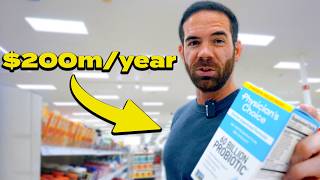
Ryan Daniel Moran built and sold a supplement brand for $16M, then lost and rebuilt it. He focuses on selling the result customers want, not ingredients, uses contract manufacturers like Dynamic Nutrition, and charges $40 for products that cost $4 to make.
Questions this video answers
$16 million
Dynamic Nutrition and Nutri Star
Approximately $4 to make (COGS) and selling for $40 (retail) — ~10x markup
Chapters
Sells over $100 million a year, $200 million a year. This sold for $300 million. This is a terrible product. This is not going to get you abs. I love the supplement space and it's not just because people buy a ridiculous amount of supplements. They're also awesome margins, easy to brand and they're consumable. So if your goal is to build a million dollar business, supplements might be your best bet. I start, started and sold a supplement brand for $16 million and I sold the business to private equity. Three years later the supplement brand was bankrupt. The private equity group had run it into the ground. A couple of years ago I bought the company back and turned it back around and guess what? Now it's a seven figure business again. Because we focused on what actually works, not just what everybody else does. So today in this video I'm going to show you how to spot good ideas in the supplement space. We'll talk about how you know you've got a winner and how to stand out from everybody else. And as a result, you'll know how to start and build a seven figure supplement brand even if you're starting from scratch. Now one strategy to get into the supplement space is to sell everything. So this example is Nature Made. Nature made just makes a supplement for everything. B12, vitamin C, vitamin D3. But I would not recommend this for most entrepreneurs because how are you going to make magnesium stand out? Like this is magnesium. This is magnesium. How are you going to sell magnesium that stands out? You can really only play this game if you're already a really big company. Instead what I would recommend is you sell the effect a brand like this. Check this out. Ab Cuts. That's the, that's the direct effect. I want my abs to pop. Now this is a terrible product. This, this is not going to get you abs. But the marketing is pretty on point. It's a direct effect. It's the end result that they are selling. And these more expensive looking supplements that have like the, the fake plastic shelves or sometimes they're locked up, that's all marketing. But if you look at the actual products they're selling an end effect. So carb blocker. This is not leading with what the ingredient is. It's the end effect that they're selling. Hydroxy cut became famous because they were one of those really big fat fat burning and metabolism enhancer products. So you go for the effect and you market the end result that the customer wants, not the ingredients that are in it. Only a few people can win that game. And you don't want to play the price war where you're just competing on price, you want to compete on effect. And you do that by leading with the end result that the customer wants. And then you make the best product possible to help them get that effect. This beverage that I'm drinking right here, this is a new type of energy drink. It has an ingredient called paraxanthine. And paraxanthine is, it's a metabolite of caffeine. It doesn't matter and your customer doesn't care. What matters is how the customer perceives it to contribute to an end effect. So rather than have paraxanthine all over this can, this is marketed as a caffeine free energy drink. Updates like update your caffeine, that's good marketing. But you'll also see a bunch of brands, look for them on Amazon that are just selling Terraxanthine. They're going to have a hard time. They're trying to take advantage of a trend or a single ingredient that's hot usually doesn't work out in the long run. So you'll see a lot of brands pop up trying to take advantage of that trend, but most of them are going to go out of business. So let's talk about how you start. How do you start a supplement company? The first thing you have to have is a core customer that you're serving and or the end effect that you want them to experience. That's the most important thing that you need to know up front so that you don't water down your business and just be another superfoods powder or another creatine gummy. If you know the core effect that you want and who it's for, that's how you start. A good example of this, I should have pulled one off the shelf is Mary Ruth's Organics. They started just serving moms and now they're big and so they can serve a whole bunch of people. But they started with that core group of people with a few effects and then they blew up. When I was growing my first supplement brand, there was one year that we did not grow and that was the year that we switched from focusing on the core effect for our customers and we started looking at what the big brands were doing and saying, oh, we should be more like them. So we started launching an Omega 3 and a multivitamin and a vitamin D because we're like, oh, it's selling for all these other brands, why not us? Let's capture some of that market share. That was a Mistake. We moved away from having very specific effects for our core customers. And we went wide because we thought that's what we needed to do to keep up. We didn't grow that year, and so we scrapped that project. We went back to what we knew worked, serving our customers with really good products for a specific effect. And then we got back on track, and that's when we had a $16 million exit. The second step is to have a prototype made. And here's what you're going to do. You're going to go to a contract manufacturer and you're going to tell them what you want. And if there's any specific ingredients or effects that you want, some of them will work with you on creating a custom formula. Now, here's an example. These two pre workouts, two very different companies, but they might be made by the same manufacturer with just different tweaks and different ingredients. Now, you can find a contract manufacturer or a supplement supplier anywhere. But two of the ones that we use are Dynamic Nutrition and Nutri Star. David is the guy over there. Great guy. If you work with either of those, tell them I sent you because those are really good people, but you can use whoever you want. I have no affiliation with them, but there's a bunch of different good supplement suppliers out there that will make a product that you like. Just tell them that you want to go premium and be the best product in the class. One of the most underrated places to stand out in the supplement space is your packaging. Remember, in the supplement space, people are trying to be cheap. They're not trying to be good. And one of the ways that they cheap out is in packaging. But here's a good example of a brand that will stand out. You see how it's got this? It's in a cylinder versus just your standard bottle or box. And this is a matte finish. And the text pops off the page. What's that called? Embossed. Embossed. Is that what it is?
Embossed. Oh, that's a niche reference for you mad TV fans. So this is just a really good example of clean packaging that pops off the shelf. And if you're gonna make the investment of being a premium product, one of the ways you can stand out is in your package. This is a beautiful example. See how the colors all pop? And each individual products have a different color box. That's how they'll pop. And yet this is a kind of golden, shiny text. This is clean packaging with a matte finish. This is beautiful. And notice how the. The Thing that stands out is that each product has a different effect. Optimizing metabolic burn. This one's about digestive bloat. This one's about. We won't say that out loud, but notice how they're focused on an effect with premium packaging over $30. Chef's Kiss. This is beautiful. Well done, whoever these people are. Okay, let's talk about margins for a second. Out the door. This is probably 4 bucks to make. They're selling it for 40 bucks. That's a 10x markup. Something being cheap, cost of goods doesn't necessarily mean that it's a bad product. I don't think that this is a very good blend just because I know the supplement space pretty well. But what I like to think about and what I would invite you to consider is can you be willing to spend two to three times what other people are willing to invest in their product? I mean, what if you were willing to spend six to eight bucks on making a great product? That's the opportunity that exists in the supplement space. Most of these big brands are not the best products. In fact, sometimes they're the worst products, but they have the highest markup and the biggest margin, so they have the biggest Apple advertising budget. That's how they show up on retail shelves. So the opportunity for people like you and me is to say, what if I make a great product? And then what if I charge a premium for it so that people are actually getting a great product that gives them the effect that they want? That's where I think the opportunity is, especially if you're building an online business. Let me give you an example of what not to do. This is a product called cmos. This is a good brand. Mary Ruth. But Sea Moss was made popular on TikTok, and it was all the rage for a while with another ingredient called Shilajit. And both of these products were trends. And so there were companies that popped up all over the place touting why their Sea Moss was great or why their Shilajit was so amazing. Problem is, once the trend dies off, so does your business. Now, we use products like this in some of our blends. For example, our testosterone booster called Sheer Alpha has Shilajit in it. It's a great ingredient, but we don't advertise how great the Shilajit is. We include it in our formula because it makes for a great blend with a targeted effect of boosting testosterone or supporting hormonal balance. But what happens if tomorrow there's a report that comes out that says Shilajit is harmful for you. Well, I don't want to have my whole brand tied to that. I want to have my brand tied to the effect that it does to the customer. So I want to be able to swap out an ingredient if something is proven to be more effective. That's why having the focus on the end result that you want the customer to experience and feel is much superior than selling a random bunch of ingredients on the shelf. Here's something I love about supplement brands. They're easy to brand if you do it right. So here's an example. Bulletproof used to be really well branded to that biohacker high performance performance community. But once Dave Asprey left the company and they sold to like some no name private equity group, you can see that they started to water down the products to sell a bunch of different things like collagen peptides, they have a greens powder and they have all kinds of random supplements. It's kind of lost their soul and as a result you don't hear about them so much. They got away from serving that core group of raving fans and now they're not really a dominant player in the supply supplement space anymore. On it. On the other hand, I was an investor in this brand. Thank you Aubrey. Ridiculously profitable exit. This is a company that has stayed focused on one specific demographic and they brand only for that person. I mean heck, they had an in person gym, they had a cafe, they had a whole culture of people that was just this and their and their products were only focused on the effect. Things like focus and mood and smoke. Obsolete. Not about the ingredients but about the end effect for that target person. And guess what? They had a multi hundred million dollar exit and they still dominate the space. Supplements are one of the biggest categories on Amazon. In fact it is the biggest category on Amazon and it's one of.
Should did it differently. Hell stupid sucker. Okay.
Supplements are the biggest category on Amazon. The number one category on Amazon is supplements and they're one of the biggest categories on TikTok. I think beauty is the only one that's bigger. So there's so much money to be made in the supplement space. If you do it the right way. That means choosing a very clear person and having a target effect that you want to guide them towards and then just do a really good job. So few people do a good job in the supplement space. So here's what I would like to know from you in the comments of this video. Say what do you wish that there was a magic bullet for? What do you wish there was a brand that had a great product that did X. And I'm not asking you what supplement are you going to create. I want to know what effect do you wish existed? Do you wish that there was some magic bullet that allowed you to put on muscle easier? Is there a magic bullet that you wish enhanced your focus or that calmed down your pain or that just made you relaxed? That's a good sign of what you might be able to do a great job developing. And remember, not very many people do a great job. Now, since I'm in the supplement space, I have the ability to help vet if something may or may not be a good idea. So post what you wish existed and I'll give you my feedback on whether or not I think it is a seven figure business. My name is Ryan Daniel Moran and I help entrepreneurs build seven figure brands and have multimillion dollar exits. If I can be a mentor for you on your journey, I'd consider it a privilege if you subscribe to the channel. Thank you so much for watching. I'll see you guys on the next episode.
Oh, you needed it, like, now. Okay, got it. Looking for purely Elizabeth. It's a granola.
So. Ow. So the three example, you're gonna do it. He's gonna do it again. Yep. All right. Thank.
You.







