This content was created by Capitalism.com. This content was uploaded by Capitalism.com. This is a YouTube video titled "I Found the Next Billion-Dollar Brands at Target" (created 2026-10-21) in which entrepreneur and host Ryan Daniel Moran walks through a Target aisle with his assistant/co-host Silas and occasional other voices, sampling products and giving investment-focused brand analysis. The content covers supplement and protein trends, snacks, beverages, and consumer-packaged goods; Moran evaluates which brands he would or would not invest in, cites founders and examples (e.g., Mel Robbins, Tara Bosch, Derek Halpern, Snackish, David's, Olipop, Magic Spoon), and draws lessons about audience-first strategies, product differentiation, and retail timing. The tone is informal, opinionated, and promotional (ending with a call-to-action to capitalism.com).
Chapters
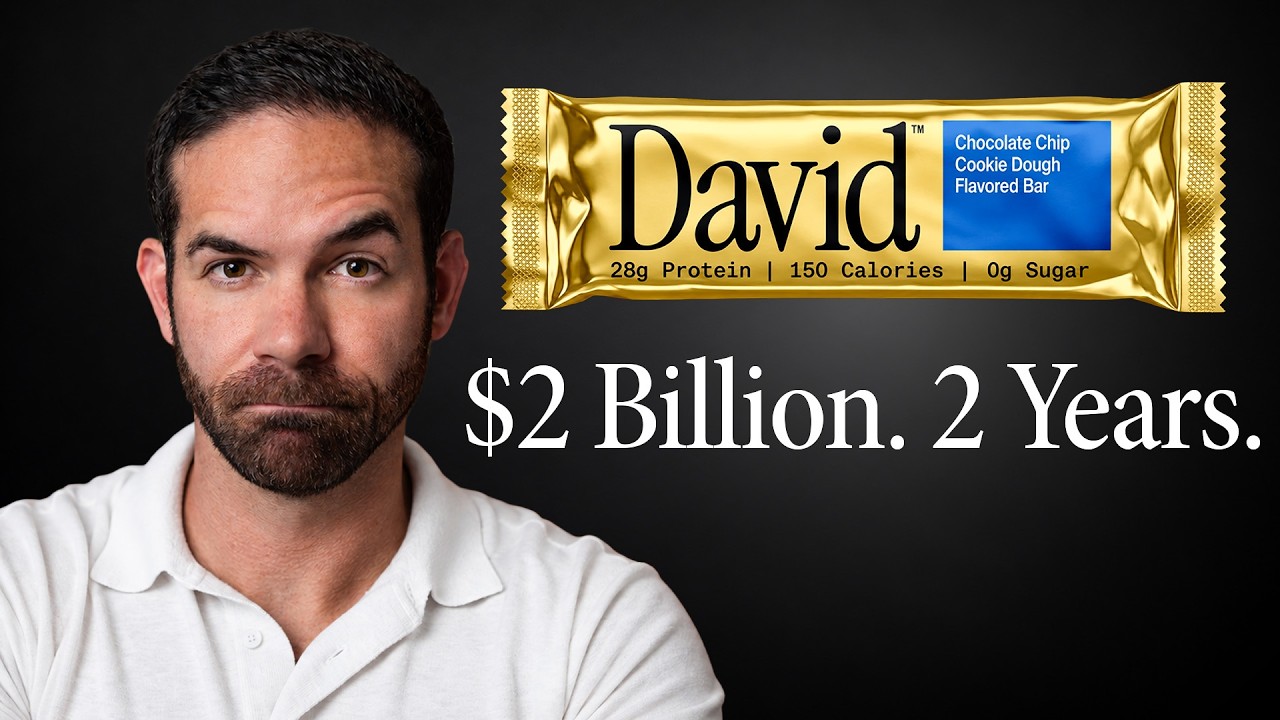
If I had to bet on one brand being the next billion-dollar brand, this might be the dumbest idea I've ever seen. Okay, like, we're done here. We're not even trying to be different anymore. We're just trying to capitalize on a trend. Oh, I would so invest in this company. Greetings, fuckers. You know, some of the brands that you see on the shelf at Target have already sold for billions of dollars, and some of them aren't even gonna exist in 5 years. And surprisingly, you can learn a lot about what brands are gonna win and which ones are not gonna win just by browsing the aisles of a store like Target. So today we're gonna head over to Target and we're gonna look at what brands I think are gonna win. And we'll also look at the ones that I would not touch as an investor, and we'll see what you can learn from both. And then we're gonna try some of the weirdest and most interesting products on the shelves and see if they live up to the marketing hype. So let's go. Man, a brand that is doing it well right now is David's. Now I'm a little butthurt about this brand because they have a monopoly on this ingredient that I was using for one of my brands and now I can't use it anymore. So I'm a little salty, but David has just done an amazing job of getting into a crowded market, then dominating because they did it different enough. If you're gonna go into a saturated space like protein, you have to stand out by being different. Different can be the macronutrient profile, but it can also be the packaging. They're trying to look like a tech company and they're doing it really well. David is actually now following the Quest playbook. So Quest was first to market with a new type of protein bar. And now they're in chips and they have all these other products. What is that? Peanut butter cake? Their play now is to create as many flavors as possible to be a defensible brand. David is early, so they're innovative. This is new. This is different than the market. Their next product is ice cream. At the beginning, you'll see brands try to be very different, and then when they get into defense mode, they start trying to protect shelf space by having more flavors and taking up more of the aisle. So this is the brand, this is the obvious winner if you're an investor or a buyer. It's hard to kick momentum into gear once you've lost it. David has all the momentum versus Quest, which is really struggling to keep up. Hey Silas, have you ever seen these? Pure Genius Protein?
No.
So this is a protein shot. Guess who the founder of this company is? Mel Robbins, the podcaster. Build up an audience, have a decent product idea. You use your connections to broker some deals, and this is what happens. It's actually a good idea. At the beginning of this year, I released a video that was some trends that I saw for the next multimillion and billion-dollar brands. One of them was supplement shots, and we can start to see this happening. We see it in protein. There's also a brand called ZBiotics that does a shot of probiotics. It's like a before-you-drink probiotic. That trend is, is gonna be a thing. Here's the early signs of it, right? Right here, an influencer doing a good job of launching a protein shot. Pretty good idea, Mel. And that's another example of build the audience first, then you can do whatever the heck you want. Audience before product. I'm a little upset at how this one is a little messy on the shelf, but this is Derek Halpern's company. This is Trovani. Have a full podcast with Derek, by the way, on the channel. So they launched around one core influencer and the idea of making the product and the packaging fantastic. They went into the vegan protein space with The distribution of an influencer, hardly any capital, no experience in the space, but they nailed product and they nailed packaging. I think this is gonna be one of the next billion-dollar exits. Watch for that to happen in the next couple years with Trovani. Okay, so what I'm analyzing here is that Groon's just had a $1.2 billion exit and now they're releasing all these new flavors and they've got like a nootropic blend and they've got a sleep blend here, a performance pre-workout blend, but they didn't release any of these until they had the exit. They had a billion-dollar exit. Just with the one formulation. They went really deep with one product, then they got a huge investment. They got acquired by Unilever, and now Unilever has the capital to be able to expand and put them into retail. A lot of entrepreneurs will try to go too expansive into too many products and try to get into retail before they go nail one thing really well. Groon's is a good example of you can have one product, one distribution channel, and then get acquired and then expand. You might notice that in the supplement and protein aisle that this is dominated by internet brands. This aisle used to be dominated by the big box brands, and it's still is if those big brands buy up the small internet brands. You do not want to start off trying to get into the big box retailer. Nail the internet acquisition first. You'll see that reflected in almost every single brand on the shelf. Element is a really good example, started by my buddy Louise. If you want to see how this brand got off the ground, I have a full podcast with that founder. They nailed online first and now they're in retail stores all across the country. Armra, this was a Colostrum brand that nailed Amazon and TikTok Shop. They did not try to go Target and retail first. Don't try to mimic what the big brands do once they're acquired. Mimic what they do at the very beginning so that you follow in their footsteps and you can pursue a big acquisition. I don't want to talk bad about anybody because I actually, I like the people behind this company, but I bet Mary Ruth's struggles over the next couple of years. In 2024, there was some news about them possibly having an exit, but I could never find out if it went through. But I noticed around that time that the value of the brand started to come down, and I think it's because they just went in way too many directions. That's a brand that used to have a very core audience, a very core group of products, and they did it really well. But now they have a product for everything, and you don't really know what that brand stands for anymore. And I think that's when it started to peak and maybe come down. So if I was a betting man or if I was investing in a couple companies, this would be one that I would be really skeptical of. And if they ever went up for sale, I might acquire a company like that and simplify the product line and go back to basics, because that's how I think they would grow again. There's 3 brands right here that are all supplement brands for women. One of them I would invest in, the other 2 I would not. So you've got Primal Queen, Dr. Stephanie's, Array. Now what Primal Queen does well is they've nailed their target audience. What I don't like is that their products look like everybody else's. Dr. Stephanie's does a really good job of leveraging some authority, but what I don't like is if you look at their products, they're often like single ingredient, like shilajit. You can't create a difference out of just Himalayan chilijit. Array, I love this packaging. Absolutely perfect. And their product line is very clearly differentiated. So they got one here for tribiotic, one for bloat. This one over here is their protein. Now here's what I don't like about Array. It's not 100% clear who their customer is, but if you hold it and you read what's on it, it becomes clear that this is a supplement brand for women and women's problems. So I would not invest in Primal Queen. Too trendy, too loud, not different enough. I would not invest in Dr. Stephanie, even though they have an audience and they have authority. Don't like the product line, but I would happily invest in Array because the product line is differentiated. And even though it's not loud about who it's for, you can figure out who the clear target audience is. What the heck is this? Okay, so Kylie Jenner became a billionaire because of her last lip line. This is interesting. Skin hydration. Never I've never heard of this. I have no insight into this brand, but notice how they're leveraging 2 trends, beauty and hydration. And they've got an influencer, big influencer, Call Me Kylie. This brand will do well. Multiple trends combined, big influencer, really good packaging. That's a brand I would invest in. That's going to crush. This is a brand I don't know, but what I look for is how is a brand representing their difference so that they catch the attention of one core target audience? In this case, I'm looking at Just Ingredients. And since I haven't seen this before, I'm looking at, okay, what difference do they highlight? Notice this on the packaging. They say casein-free. There's no trend about that. That doesn't call out to a specific audience, but I would predict that this is a brand that does not make it because they don't have a clear difference on their packaging. This one, however, again, don't know this brand, FlavCity. Notice how it pops off the shelf and notice that it is marketing themselves as different because it's specifically a smoothie powder. So there's a different function, a different use of the protein trend. It solves one little problem, which is putting good tasting mixes and protein into my smoothie. Now, I'm not super hot on that as a product idea, but I would predict that a brand like this would have a much easier time winning than a brand like this. This one pops and has a very clear function. This one doesn't call out to any specific target audience and doesn't have any specific difference. So if I'm an investor, I'm investing in this one, not this one. Lemme is Kourtney Kardashian's brand. I don't know anything about it except, you know, who they're targeting. It's obviously they're targeting women. This packaging is an interesting choice. One of the ways that you can stand out is just being different on the shelf or different on the screen if you're an internet brand. And this is definitely different. The lids pop off real easy. I don't know how I feel about this brand. I think too many brands try to just create the same products as everybody else and then, oh, I've got celebrity or I've got Traffic, so I'm going to take advantage of that. That's what this feels like to me. A brand that looks like everybody else's, but it's got Kourtney Kardashian behind it, so they're able to get distribution. This is not one I would invest in. Now, this is interesting. The vaginal probiotic gummies. I didn't know that you could put probiotic gummies in your hoo-ha.
I
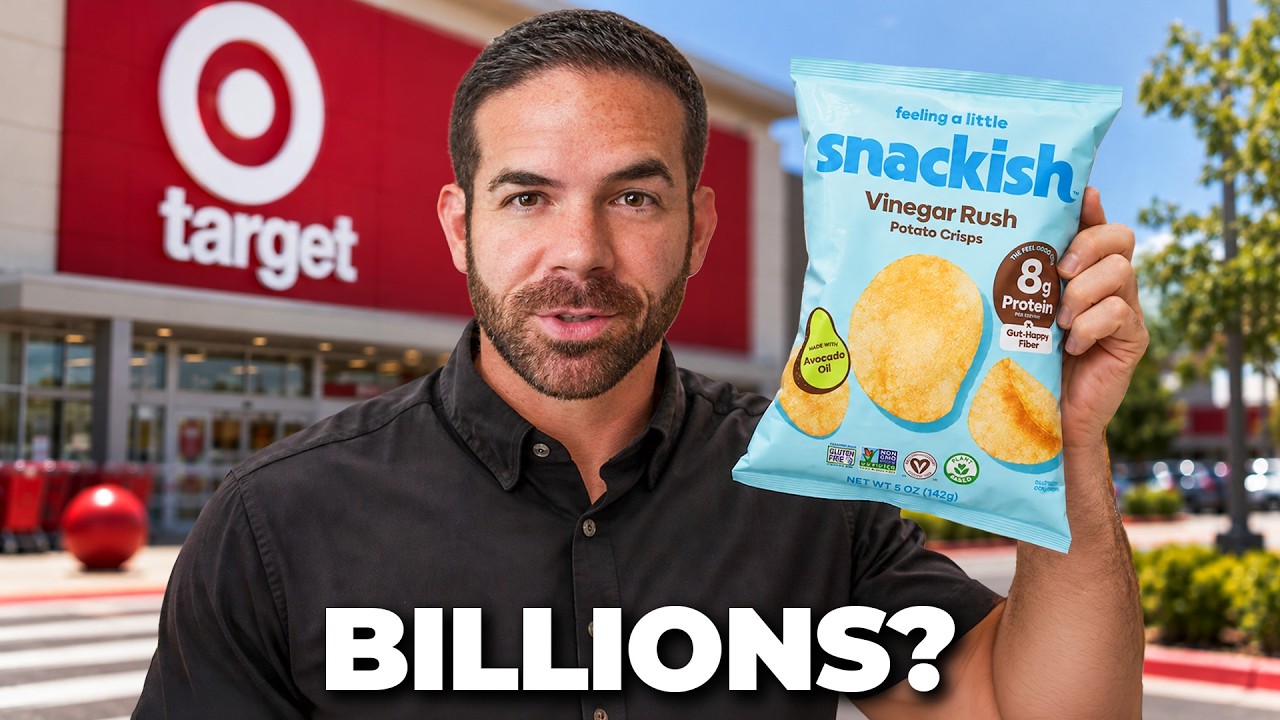
mean, I'm guessing that's how it's administered, right? You take the gummy, put it up there, let it dissolve, and then it's good for you. I use it when I have anal fissures. Works great. What the heck is this? What is Backflip cereal? I love when I discover a new brand I've never heard of. Thank God for Target. I mean, it looks a lot like Three Wishes. The Three Wishes did great. So good luck, Backflip. I'm a little in my head about saying anal fissures on camera earlier. I'm going to get some weird comments about that one. Found it. We found it. We found it. If I had to bet on one brand being the next billion-dollar brand, I would probably bet on Snackish. Now, one of the reasons why I feel that way Even though I haven't tried the product yet, I'm about to. Is because the founder is the founder of Smart Sweets. This is Tara Bosch's new company. So when you have a founder who has had a multi-hundred million dollar exit and comes out of retirement to start a new brand, you know they don't need the money. They've already got all the contacts they could possibly need. They must be passionate about whatever they're doing, and the product looks really good. Packaging looks good, and they're capitalizing on the trend of protein foods. So my guess is this is the first product in a line of products that. If I got this business on my investor desk, this is one that I would absolutely put money into. Really excited about this one. I think this is the next billion-dollar brand. Fantastic. This is actually really good. A lot of times brands that add protein or healthy ingredients, they don't have the same flavor profile or crunch profile. This just tastes like a really good chip. And oh, there's 8 grams of protein. Good job, Tara. Last year I did a grocery store run where I called the top of the keto trend because it was just everywhere. See if we can find that clip. The high protein space is a growing market. The keto space is a dying market. And I said that the protein trend would replace it. Well, now I'm thinking that the protein trend may have gone too far. When you start seeing it in water and you start seeing protein soda, really, do I want that? I don't want to buy protein water. Or protein soda, get them outta here. Get them off my investor desk. What? Prime Pop-Tarts protein? What are we doing here, guys? Collagen peptides. Now here's where I'll soften a little bit. You might have one brand win this space. You are not gonna have 3 protein waters win. It's not gonna happen. Let's save this one for a year from now and see if I'm right. I may soften my stance on this one. Okay, so I just looked at the ingredient profile and the macronutrients of the Prime protein shake. It's basically all protein. The argument you could make over this is that it replaces the other ready-to-go proteins because the macronutrient profile is the same and you have good branding and they've done a crossover with Pop-Tarts so they can make the flavors cool to the right demographic. So you could make an argument that this is the new protein shake. If you're going to market it as protein water, GTFO.
You got to sample it.
You want me to sample? Why? Okay, protein water people, there's only enough room for one winner in this category. So we're going to try all 4. of them and see which one is going to come out on top. I'm going to have such a stomachache after this video. Lumen Sparkling Protein, grape flavor. Very low expectations. That is not bad. That is actually not bad at all. 16 grams of protein. This is actually interesting because now I'm thinking like if I were to drink this instead of a Poppi or an Olipop— You have my attention. Maybe I was a little harsh on you earlier. I still only think one person can win. Protein pop, watermelon, 22 grams of protein. That's exactly how I expected it to taste. This is exactly what I expected. Oh, oh, so this one, clear protein water. Oh, this is Clean Simple Eats. Okay, Clean Simple Eats is actually a legitimate brand. This is just, oh, clear protein water. Let's Oh! Oh, it's worse! Oh, that one's even worse. Okay, this is the Prime. This is technically milk. This is 32 grams of protein. That's insane. I mean, this is basically a David bar in liquid form. It's good. It's good, but it's not that good. I would grab this as an alternative to a different ready-to-go protein shake, but it's not different enough. Controversial hot take: I would not eat this as a meal. Invest in Olipop. Now, Poppy started by a woman who was on Shark Tank and got a deal for $400,000 for 25% of the company. Few years later, sold for $2 billion. It goes to show you that one good advisor can completely change the trajectory of a business. So they did really well. But Olipop was the first to market. They have the biggest customer base. They have the best branding. I think the best product. But I would not invest in them right now. And that's because they created the category. But now all All of these other competitors have moved into the space. Look, even Bloom has a prebiotic soda now. Olipop is not as different as it once was, and I don't think they've innovated fast enough to be able to push all of these other competitors off of their heels. I wonder if they've held on too long and that their big payday might be behind them. Don't know. I just, as an investor or an acquirer, that would be a concern for me. If I were to invest in a packaged drink, I would invest in a brand like Element. Now Element didn't start as a ready-to-go drink. They had salty packs and they just crushed, right? So when they went to the ready-to-go drink, this was just a line expansion. So rather than trying to compete in a big category, they're just expanding upon the number of products that their customers can consume. So they've got one product that is unique, that gets all of these customers. Now they can expand into ready-to-go drinks that don't have direct competition. That's a brand that I'm like, you're going to break out, have a multibillion-dollar exit. That's one that I would invest in. This is a brand that I feel super unsure about. Magic Spoon as cereals just absolutely crushed. Their timing was good, their product was good, their marketing was good. They knew exactly who their target market was. And then the protein treats, these cereal bars, total pass. Don't like 'em. Don't think it's as clear of a match for their target audience. That's a brand that absolutely crushed in terms of size and return on investment with the cereals. But then I don't, I don't like what they did after that. This is a business I wish I had invested in, but I wouldn't invest in them now. I was a little harsh on Magic Spoon earlier. I haven't tried this flavor. Let's see how— let's see how we do. Good. Not great. Good. Their whole thing was that they were going to be high protein, low carb. This is not that. So am I gonna pay a premium for this? Probably not. As a consumer, I will absolutely pay a premium for their high protein, low carb cereal, and those flavors are really good. This, it's got a good amount of protein and sort of low carb, and it's a good product. But it's not amazing. It's not different enough. Would not invest in it. Fun fact, did you guys know that Alex Hormozi was gonna launch a protein bar? And then he tried the Built Bar and he went, I can't do better than that. It's the best protein bar I've ever had. And so he abandoned the idea. I thought I saw a putty tab. Totally outside my area of expertise, but this brand, total smash. I would absolutely invest in Drizzlicious. This breaks all the rules. of what I believe in when it comes to investing. Like, there's no target audience. I don't know why it's different, but everyone I know that tries this loves them, myself included. And what's different about them is it's a low-calorie snack, which is super on trend right now. And so if they branch into other types of products that are low calorie and they keep this flavor profile, oh, they're gonna absolutely smash. So even though it breaks my rules, I think this is just a brand that is gonna win. So if this came across my desk, I'd Absolutely invest in or buy this company. What in the Lord's name? What the French toast are these? Fan Foods? This is a terrible idea. This might be the dumbest idea I've ever seen. You're just trying to take an average snack and make it Star Wars friendly. This is horrible. No, they're Mickey Mouse puffs. Get out of here. Who came up with this? We need to get them on the podcast just to tell them they have an absolutely terrible idea. Let's find out who started Fan Foods. Not
gonna lie, the flavor sounds nice though. Mango chili.
Fan Foods was created by Robert Rosenberg. I don't know who that is, but this is an open invite to come on the podcast and tell me why this is a good idea. Why should I invest in Fan Foods? Because I look at this and I think they're not gonna make it.
Oh my God, bro.
I can't believe I'm actually gonna eat this Fan Foods product. I feel like Ron Burgundy, like, go eat the cat poop. Fine. Okay. It's actually fucking delicious. It looks like Lilo got caught in the lawnmower and now he's had his ear and half his face chopped off. That is actually quite good. I still think it's an absolutely terrible idea for a brand. However, Stellar? Oh, I would so invest in this company. Once again, this is another example of everyone I know loves them. And the interesting thing is there's no trend here they're trying to maximize on. They don't even have a super target audience. They just went into a really big space, pretzels, and did it better. And they are freaking delicious. They're not gluten-free. There's no protein in them. And oh, you know what? This actually might be the new trend, the not healthy trend. Like we're not going to be the protein version of anything. We're not the gluten-free of anything. Like everybody stop with this nonsense. Give me extra MSG and extra gluten and it tastes better. And we're going to innovate on a product that hasn't been innovated on in a long time. They're doing a great job. I would totally invest in this company. Oh, really? This is another protein soda. Really? We need to have five different protein soda brands. What? What? Wait, wait, whoa! We need to hold the phones. This is reminding me of Sir Kensington. Do you remember Sir Kensington? It was a condiment company. They did ketchup and mustard and mayonnaise, and they just went super high end with their packaging. And then the flavor profile was a little bit different, and they crushed it. They had a huge exit. This reminds me of this. So this is. Peanut butter. What? There are some of us who are peanut butter connoisseurs who, after a long depressing day, will eat it straight out of the jar with a spoon. I'm not naming any names, but Ryan Daniel Moran has been known to do that from time to time. So when I look at this as a peanut butter fan, I look at this and I'm like, this is weird, this is different. And just 'cause it's different, I'm gonna pay attention. The best thing in marketing is to be different. Different enough to talk about. This is some weird-ass peanut butter packaging, and as a result, I'm gonna buy it. And I don't even need peanut butter. I just went to Costco. I have 4 jars of peanut butter that are unopened in my house, and I am absolutely gonna open up this weird pink silky smooth peanut butter. It pays to be different. But, and by the way, if you are watching this video and you prefer crunchy over smooth, unsubscribe from my channel. Right now, I have concerns about your mental health. If you like crunchy peanut butter, what are we even doing here? Just get some peanuts and smash them yourself. What's the point of buying crunchy peanut butter? Nothing. Get smooth.
Everyone knows crunchy peanut butter.
You did not just say crunchy peanut butter. Whoa, whoa, whoa.
Everyone knows crunchy peanut butter.
Silas, I know you're new here, but I will, I will pay for your therapy. I will pay for your mental health. We have great healthcare at Capitalism.com.
All right, we're gonna try the peanut butter. The gayest peanut butter anyone's ever made, ever.
If it's good peanut butter, I don't care how gay it is. I don't care at all. Okay, so first thing I noticed, the texture's so totally messed up. This is— this— what, what, what is this? The thought process here is that if you have it upside down, the oils won't separate. But then when you open it up, it's— let's go. Oh no, no, you ruined it! I gave you free press. I gave you a spot on my channel. I told you that I would eat this with a spoon, and you can't even give me a good texture? What are we doing here? Silky smooth. This feels surprisingly seductive for some reason. Like, there's 1% of the audience that is like, yes, eat the peanut butter. This is for you, 1%. Really? Yeah, I'm so disappointed. Really? I'm so disappointed in this brand. I wanted to love you. Hard no. That was so bad. I need to wash that flavor out of my mouth. I need to wash it down with something that actually tastes good. There we go. Mmm, now we're back, baby.
Is that chunky?
Are you kidding? You think I would have chunky peanut butter in my house? Joyride. I was asked to advise this company and I passed. This is what I financially— I've I wish I could take back, but the brand and the product were introduced to me. I didn't know anything about the story, and I just tried the product, and I didn't like it. I thought it wasn't good. And so the only thing that I had to say to them was, make your product better. I wish I could have that one back because they've actually done really well. Let this be a warning to you. Take a look at what brand is not here in the coffee aisle. Bulletproof. It's nowhere to be found. It was the big player in the space of organic mold-free coffee, and then they kicked out the founder, had a big raise. There was an exit, but I don't think anybody made a lot of money on the exit. I think it was a distressed sale and now it's nowhere to be found. In fact, you'll have a hard time finding Bulletproof Coffee in most places. They lost the spirit that made them unique. They stopped innovating. They kicked out the founder who was the spirit behind a lot of it. When you lose that founder energy and you stop innovating, that is when you know that a brand is going to tank. That is my take on something like a Mary Ruth's. That's what I think about the protein water trend. It's just like, There's no spirit in that. We're just trying to siphon off the momentum of a trend. And the opposite, in the event of like a Snackish, you have a passionate founder who is participating in a trend, but is at the right time of the trend and doesn't need to be doing this. So you know that they're going to be innovative and new. That's what I'm looking for behind the scenes of just packaging, just product, just timing. Those are the things that you can't teach and that have to be infused in the spirit of the brand. So I think if I had to put my money into just one of the brands that we saw today, I would choose Snackish. But the thing that stood out to me today is that the brands that are probably gonna win are not the ones that are just chasing the biggest trend. The brands that will win are the ones that have the clearest customer, and they're the ones that have a reason to exist apart from the fact that there are other people making money selling the exact same thing. Same thing. That's how you know a brand is going to win. So what about you? If you've got a product or a brand that you want to bring to life, or if you're an entrepreneur looking for your big thing, I help entrepreneurs launch their brands, get to seven figures, and then prepare for a meaningful exit. And if you'd like some help, I can offer you a bunch of my best stuff for free over at capitalism.com/100k. That's the best place to start so I can serve you on your seven-figure journey. My name is Ryan Daniel Moran. Thanks for being here. Let me know what your favorite brand was that we looked at today in the comments, and I'll see you guys in the next video. Take care.