
Matt Clark: How To Grow A Brand With Other People's Audiences
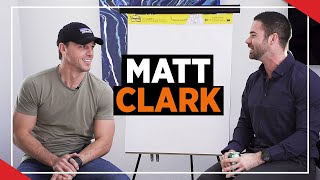
Panel interview (Ryan Daniel Moran, Matt Clark et al.) about growing brands by leveraging other people's audiences. Core themes: choose products you care about; focus on a single, well-served customer; resilience is the main reason entrepreneurs fail; and practical tactics for scaling a coffee DTC brand using paid Facebook ads, long-form funnels, and recruiting affiliates (performance-based and high upfront payouts). Matt describes partnering on an existing coffee business, the sales funnel and offer testing (3‑ and 6‑pack bundles), affiliate recruitment tactics, unit economics, and operational split between founders and a small team.
Questions this video answers
He partnered in January (year prior to the talk) when the business was doing about $17,000/month (previously ~ $15,000/month on Shopify).
About $7,500 per month (agency fee) once scale justified it.
Approximately $30 per sale (affiliate CPA).
Around $35 per sale (ad CPA at scale).
Average order value ~ $66; average price per bag ~ $21.
Chapters
Well, Matt, thanks for the impact you've had on pretty much everybody in the room.
Appreciate it and the entire industry.
Appreciate it.
Thank you.
I think it's fair to say that basically none of us would be here.
If it wasn't for Matt Clark. So give it up for Matt Clark, everybody.
Thank you.
You bastard created all of this, essentially. So I wanted to ask you about the coffee brand a little bit, but before that I just wanted to open up to the group. This is the OG of building brands in today's world. I just wanted to open up to the group to see if there's anything you wanted to ask Matt Clark while he was in your midst.
Let's talk about monetizing audiences.
With this month's theme.
Go ahead, Chris.
I'm just curious if like at this stage you go by like excitement for.
The type of brands you're building or.
If you have like, what's your roles for knowing what kind of brands you want to launch. Yeah, so I mean, I'll say when I first got started I just wanted to like make money and like produce sales and learn marketing and stuff. But then, you know, I've done fairly well and so like that's not super motivating. And so now, I mean, I love doing what we do at amazing because I think we get to actually like impact people and that's super special. But on the physical product side, like the coffee brand he mentioned, it's like for me, and I was just talking to somebody about this is like it needs for me now at this point, it doesn't mean it's the same for everybody if you're like a different stage. But for me now it needs to be a product that I'm like super pumped about and like something that like, for me it helps to like if it's a product I use regularly because then I'm the perfect sort of like beta tester and I test all the products out. And that matters a lot to me now because it's not so much about the money, it's more like how the excited am I going to be about the product. But I think that actually helps you make more money because you know better ways to market it, you know, when there's problems and all that sort of stuff and get feedback from friends and family because if you're sitting there recommending it to them, you hear their complaints and thoughts and all that kind of stuff. And so yeah, that's, that's what's most important to me now, I guess with brands, what do we talk About a.
Thousand times on our. On our calls. If you ask any really successful person once they made it, they come back and they. And they say, well, now I just want to do what I enjoy. Now I just want to build the.
Product I'm excited about.
And it's funny that we have this thing in our brain that says we have to wait until later to do the thing that we want to do now. When, if you ask anybody who's gone through that cycle, they'll say, yeah, I just wish I had done that from the beginning of people that went and.
Did what they're excited about and then say, yeah, that's what got you there. Or do you need to go through this experience of doing something which gets rid of whatever aim you thought you needed to reach in order to reach fulfillment and then realize that you don't.
Any speaker that's ever given a keynote at the Capitalism conference.
Anyone that you put on a pedestal as an entrepreneur.
But they all went through this journey where. So maybe I didn't ask my question very well. All of these people that you're describing went and had a successful business. And after they had a successful business, they realized, well, actually, all this chasing the money, that's not what I want. I actually want to do just be happy or just want do something that's significant. To me, building the business isn't the significant, it's a way to do it. But that's not really what the moment I had it. That's not what I want.
So. Well, making money is a whole hell of a lot of fun. And the whole game of business is a lot less fun if money's not involved. But when it comes to product and the business that you're in.
Almost every.
Entrepreneur who has made it will tell you, I wish I had just built the one that I wanted from the beginning.
So what I'm asking, do you know anybody who has started by building the one that they wanted rather than going through that process of building the one that they didn't want and then going to build?
Yeah, I bought a ton.
Yeah. And I was gonna say, like them, it's like they basically built a business kind of around their career and passions, and they've kind of been able to integrate the whole thing from the beginning. We took ASM4 and we didn't follow the product research strategy at all. You said, all right, let's just do eyes.
Okay.
I think it depends how you're wired, though. It's like, it's hard to tell somebody because we have, like, so much like social conditioning that says like, when you get that car, when you get that house, when you get that stuff, like that's gonna be it. And then you buy your first $200,000 car and you're like, this isn't really that great. You buy your first ridiculous house and you're like, this isn't really that great. It's hard to tell somebody that. Cause we have so much conditioning. And so like, I wish I could tell everybody like, hey, that stuff's not really gonna do it for you. But I think some people may just like have to figure it out on their own. Yeah. So it's hard.
I mean, I question how much we can learn from other experience and just have to. It's part of being a human being is you have to learn something in order to really learn it.
That's actually a great point.
Yeah. I mean, at least if you've learned. If you heard a lot of people say that, it's one of those things, you may have heard somebody say it like a hundred times, but then like you hear the 101st time and then you're finally like, ah, maybe there's something to this. Or like maybe when you experience it, like you learn faster because you heard from them first. So I still think there's a ton of value in listening to what people, even if you don't really listen at first. Yeah, yeah, for sure.
It seems that you've gotten really laser focused at amazing, at serving a very specific person. And me, crazy entrepreneur, would want to do a bunch of things like use that as a platform to do a bunch of other things. But it seems like you've gotten really simple and focused and you've had a lot of success as a result of that. And I was just curious if you'd speak to the mentality of, I think you've had the temptation in the past to do other things with the platform and you've gone back to being really focused. So something you just speak to that.
Yeah, I mean, I think it was like kind of because of like a near death experience we had as a company, you know? You know, it's one of those things like we told people all day long, like, yeah, make sure you focus on like one brand, one product, Go deep, don't go wide. What do we do as soon as, like back in like 2014, 15, when amazing is just growing like crazy, we're like, well, you know, we're never going to become like a billion dollar company if like we keep doing what we're doing. Now, like, this is not what we need to do. We need to go mass market, compete with like Udemy and all those kind of people. And so we basically completely changed the model. We threw away asm. We went to like a low cost subscription model and like, I nearly killed the company. Like, we had half a million dollars we were burning through every single month of like a self funded company. And then, you know, having to lay off like 30 of our 60 plus employees. And it came within like a week of insolvency. So like literally within a week of running out of cash. And so like, I think all that experience was like, and then what kind of the icing on the cake was like, we were still doing our live events at the time with a lot of like, you know, ASM members and stuff from back then. And they were just coming up super grateful. They're like, yeah, you know, you changed our life and this and that. And it was like, all because of like asm. And it was like, big light bulb moment for me. I'm like, holy crap. It's like, what are we doing here? It's like, we know this one thing works and we know people are really excited and it really helps a lot of people. So I'm like, what are we doing chasing all this other stuff and like, rather than trying to like force growth, like, how can we make this thing kind of grow organically from like a solid core and then kind of go from there based on other stuff we can do for people. And so I think it was like because of that super hard experience that we really got more clear in who we're trying to help and how to help them as opposed to trying to force something that just wasn't the case. I think a lot of times we have this idea in our head, but it doesn't mean it's actually like in touch with reality. And so to me, there's a lot of wisdom in trying to like, just grow something organically as opposed to like force it to be something that maybe it's not.
And how would you describe who that person is? I mean, and the reason I'm asking is because I think a lot of people struggle with the idea of once something is working, how they describe who the who is behind it. But you seem to have it really, really dialed in.
Yeah, I mean, I think it's for us.
Our typical target kind of ASM customer, somebody that's frustrated with their lack of financial freedom. They. They want to, you know, have a source of income that they can kind of grow. And control that's not dependent on a job. Our typical person isn't like the, you know, 23 year old, I want to drive a Lamborghini kind of person. Like, it's more of like the person who wants to build a good, solid financial base, take care of people. Like, we got. It's crazy thing, one time we did a survey and we were trying to like, extrapolate some numbers based on the community. We found that people in the ASM community had donated like $100 million to charity. And like, we never asked, we never promoted that, we never did. It was just something they did. And so I think it's like that kind of person that we attract, like the person that tends to have good values, they want to sell good products, they want to take care of people, they want to, you know, give back to their family. A lot of times, like our core sort of target audience, like their big ambition in their business is not to go buy something super nice for themselves. It's to be able to spend more time with their kids or be able to take care of a daughter or son who wants to have some opportunity in life, or be able to take care of an aging parent or something like that. And sure, we all want to make money, have trips, go on vacation, buy nice things, whatever. So I think it's that person that's aligned in that sense of values is who we end up attracting and who we want to attract. And especially people that are willing to kind of dig in, do the work and keep going whenever things get tough, which they inevitably will in any business.
At the beginning, would it be fair to say that you went just like whoever would buy whatever the model that worked and then simplified over time?
I would say so, yeah. And especially because like, like, probably like ever since the beginning of ASM, probably 80% of people that have joined ASM have come through an affiliate, somebody who had their own community and referred people to us, like you and then, you know, Robert Kiyosaki and that kind of thing. And like, especially the beginning, it's like that, like going to certain kinds of affiliates, are going to bring certain kinds of people. And we found that over time. And some of them just weren't really aligned. It's like they just kind of attracted a different kind of person. And so I think that helps us kind of filter also.
That's beautiful.
Okay, Mike, so in all the people.
That you talked of yesterday, tens of.
Thousands of people at this point. Yeah.
What have you found is the number one reason they don't succeed? Because I know the material is good.
Give up too early? 100%. Yeah. It's like one of those things where it's like, no matter what, like, you talk to every, like, you know, this stuff. We never really taught a lot because a lot of times, like, we're very involved at the beginning of somebody's business. But then whenever they start getting to half a million a year, a million bucks a year, a couple million bucks a year, whatever, a lot of times they're kind of living in their own world and they're so busy and stuff like that. But I mean, like, you were probably a perfect example. And I think I've heard some of your story in this kind of. In this sense. But yeah, it's like you're inevitably going to run into issues. And so, like any business is going to run into issues. I mean, look at amazing. Like, we've done well, we've run into issues like coffee business run into issues. And so the people that are willing to, like, push through that stuff and not give up at the first sign of failure. I mean, I think that applies to anything. It's like one of those, like, super basic things, but it's easier said than done. And some people, I think it happens earlier. Like, your first product could have an issue. Your first supplier could screw you over your first product. You live on Amazon. A competitor could do something weird. And some people, fortunately, they face that stuff later in business. But yeah, I think it's that 100% being able to push through those kind of issues and like, not give up at the first sign of trouble or the 10th sign of trouble.
Have you been able to teach that resilience and improve that main problem?
We're working on that. That's a big focus of mine right now because we focus a lot on the tactics of how to launch and sell on Amazon. It's very interesting hearing feedback from this group here and what Ryan's providing, because I do think that's a piece that we haven't done a good enough job on, especially the past few years, is teaching that piece because it is like an inevitability of business.
All right, tell us about the coffee brand.
Yeah, so about a year ago, I think it was like, probably end of the year before end of 2018 or beginning of 2019. A friend of mine, Charles Livingston, I'm sure some of you all have seen, if you've been to any Ezra's events, he always shows him shirtless on the screen. Charles, the nicest guy. He's not super happy about that. But yeah, he's always been big in health and fitness. I've been big into health and fitness and stuff like that. And so he had this coffee business that was sitting there and he had wanted to do this kind of business and, and he had always had in his businesses that have been successful, he's had a couple different eight figure businesses and he's always kind of fulfilled the back end operations piece and he has had somebody else who's been really involved in like the copywriting and sales funnels and stuff. But this business he did on his own. And so he had it kind of just sitting there because he had some big supplier issues early on and he was going to throw the business away because he was like, ah, this is too much trouble, it's not my main focus. But he kept it going because people just kept buying. People really loved the product and people just kept buying again and again. And all he would do is send a couple emails every month. And he was doing like 15 grand a month or something, 100% on Shopify, not on Amazon. And I think he gave me some of the product or something and I really liked it. I got into drinking healthier coffee, read a lot of articles on that. And so I liked the product. And then I partnered with him in January of last year and it was doing about 17 grand a month. And I was like, you know, I really like the product. I want to partner with you to help you grow this. And. And I was like. But I knew I didn't want to be involved as like a CEO running a whole nother freaking business. So I was like, look, I was like, you take care of all the operation stuff that I'm probably not the best person to be doing anyways, but you do all that stuff and if we get to like this certain target, then I'll own this percentage. And if we get to this certain target, then I'll own a bigger percentage. So it's pure performance based deal. And I was like, look, if I don't know how to help you market this thing, then I'm not providing any value anyways. And so I came into him with that kind of deal and yeah, we just kind of blew through those targets. So we started scaling. I kind of redesigned a sales funnel and then started scaling ads on Facebook myself with the help of a guy, if y' all are the last seller kind of guy named Manol. So he was kind of helping me behind the scenes because he was more up to date on some of the Facebook stuff. And then so when we got to a certain point where it made sense to cover his agency fee, which was like 7,500 bucks a month, which, you know, we need to spend a decent amount in ads, otherwise it's kind of like a big cash suck. And so, yeah, ended up, ended up getting, turning over the ads to him when we got to a certain level of scale. And, and then we also recruited a ton of affiliates. I went to one conference in Arizona, kind of a mastermind type conference. And like, these guys were like, yeah, they're like, you know, we don't like doing SEO stuff. So all we did was like, find the people who rank for the stuff we want to rank for. And we either just bought them or like work deals with them. I was like, that sounds way easier. So then I looked for the people who ranked for like, best organic coffee, best low acid coffee. And at first I was literally thinking about buying them because I was like, I don't know how much they would want or whatever. So I contacted them and they wanted like super high valuations. Like, they wanted like 3x annual multiples based on their last like 3 months of profits and like crazy stuff like that. And then also I found out that a lot of their. Because they were all just promoting Amazon associate stuff, and I found out a lot of their commissions were coming from selling these like, you know, $500 espresso machines and stuff. And I was like, this is kind of outside the scope of this brand right now. And so then ended up partnering up with a handful of them. So if you search for any of those terms, like, we're near the top for almost all of that stuff. Like we're according to meaning you have.
A partnership with a site. Who's at the top of all that? Is that what you mean?
Yeah, yeah, yeah. So yeah, if you search for like best low acid coffee or best organic coffee, like, we're gonna be on like half of those sites because we've worked these deals with them, which at first were purely performance based. We're like, look, we'll tell us what you're making from the top listing on this thing and we guarantee you we'll double it or triple it over the next month. Cause we kind of knew our numbers from running our own sales funnels. And we did. And then after that, they're basically just a straight affiliate, but there's nobody else who has a competitive offer from affiliate standpoint. And then I was like, well, I was like, this is working pretty well for us. I was like, but how do These people find out about. Because there's like one or two coffee affiliate programs that weren't on Amazon. I was like, how do these people find out about these coffee affiliate programs? And I was like, I searched, I searched coffee affiliate program in Google and I was like, I knew one of the guys who owns one of those site, Mark Ling. So I knew him, but the other guys I didn't know, but they had their own little blogs that were like best coffee affiliate program. So I contacted them also. So according to the Internet, we're also the number one best coffee affiliate program. And so that started getting us even more affiliates. So that's been great as like a compliment and diversification away from just Facebook ads, which is what everyone does whenever you're not selling on Amazon.
And what does that funnel look like? You have a long form sales letter, I believe that sells a coffee.
Yeah, yeah. And so, yeah, so we have, you know, lots of different Facebook ads. We're always testing. They go to basically a long form sales page and then explains all the benefits, features, all that kind of stuff. And then we have like kind of a never ending like big discount on that page. So and then, then where we did a lot of testing. Like first we tested like the hook, like is it, are people buying this for health reasons or because we donate part of the profits to help the environment or is it because, you know, handful of other different reasons? So we tested those kind of different angles. But the other piece we did was test the offer a ton. And so like typical model and like a direct response kind of sales funnel, like a lot of people did this in the supplement industry is like 1, 3, 6 bottle. If you go to one of these pages, they try to get you to buy a ton of bottles. So we tried 1 through 6. We tried like 2, 4, 8. We tried different bundles and combinations and all this different kinds of stuff. And what actually worked out the best for us was just like 3 and 6. So you can't buy a one bag on that page, but they're getting like a 50% discount and it's still profitable for us. And so you buy a three or six, then we basically ask you if you want to double your order. And so our average order value is basically like 66 bucks for a product that, you know, the average like price per bag is like $21. So we're basically getting on average somebody to buy three bags at a time or which is what made all the ads profitable and allowed us to scale.
The.
Margins on coffee aren't huge. You're not selling supplements at $50 a bottle, that costs three. And if you're paying an affiliate, that eats in your margins as well. How are you able to manage paid ads and affiliates on a low margin product and still be profitable?
Yeah, so with affiliates and our paid ads, the cost per sale is about the same. We pay affiliates about a $30 CPA, which makes it like, way more attractive than the freaking couple bucks they may be making from. Even though, sure, their conversion rate is probably higher. And then whenever we're running ads, our cpa, like, cost to get somebody to buy from that sales funnel is, it's creeped up a little bit because we've gone super wide, but it's around 35 bucks. And so based on our profit margins, we're basically profitable on those customers in like month two. And we run the numbers and we've got some pretty cool apps you can run for Shopify that show basically in nine months, we essentially double the value of a new customer. And so that's kind of our, like, we've pretty much been building this business to sell it. And that's probably, that's part of our story, is to tell them, like, look, if you inject cash into this thing, like, we can show you the data from the past year, like, you're gonna be able to grow way faster if you're willing to go in the negative for like nine months, which is like a typical model for those people. Yeah. So, yeah, that's how the only reason we've been able to do that stuff, which is what I've been kind of like telling people a little bit about, you know, how to scale sales on your own sales funnel. It's like you've gotta get that average order value up because it's not really, like, there's not some holy grail of average order value. It's completely dependent on your market. Like, you have to get it higher than your competitors because you're all competing for the same ad spend. And so, like, if you're competing for the same ad spend, but you can spend more to acquire a customer, the typical direct marketing thing is that you can scale ads faster.
But Matt, would you characterize your product.
As being a low margin product?
Most people would say so, but I was just talking with a guy who's been in this business for a long time, Steve Gray, and he's, you know, I don't know what they do, but they do a lot of volume. And we were comparing our gross profit margin to his, and they were about the Same. And his was some survival physical products things. So it's not that bad because we sell our coffee for a premium price. We also have a premium cost. But I mean, as you all know, like, the difference between like a premium cost product and one that's not can be like a few bucks. It's where you make up the bigger margin is on the selling price side. And so we have the same case. It's like maybe other people are able to get bags of coffee for like three bucks or something of super dirt cheap coffee. And ours may cost us like seven bucks after me playing the bad cop to the supplier and Charles being good cop. So they're probably not a super big fan of me, but I've negotiated that a ton. And so like, that's after negotiating, but still that's what it is. Yeah. So the numbers end up kind of working out for us.
What else would you guys like to know?
If you were starting out with a coffee brand, let's say it's called Black Magic Beans.
And your Shopify store is going to go live in like a week or two and you've got a Facebook group with maybe 100 people in it, what would be your one piece of advice?
What's your goal?
Have run a company that's really, really fun to do.
I mean, is your goal to like, take those people and like, generate as much cash as possible in the short.
Term from the Facebook group? Yeah, the Facebook group's just a way to interact with people. I'd like to run a coffee business that's a lot of fun to run.
Yeah.
What are you asking advice for? What's the best way to have fun?
No, that's not it.
I think we all know the answer to that question.
No.
But at the moment it's a non existent business. And I've never run a coffee business. Just from an operational perspective, what's a good first step to get the ball rolling?
I'll take a swing first. So if the goal is to have fun, then you have as much fun with the people who show up at the very beginning and you blow them away with a customer experience. It's really fun. And as a result, you get really fun testimonials and videos that you're gonna use. Oh, my goodness. If you want to have a lot of fun, take the goofiest review videos and run them as retargeting ads and then send them back to buy more coffee. So if, like, Chris's goal is to be excited, if yours is to have fun with this business, Then don't do anything that isn't fun within the business. So it would be a mistake for you to then go, I know how to scale this. It's to write a sales letter and then you copy somebody else's sales copy rather than writing like the funniest, weirdest ass sales letter anyone's ever seen. And so all of the mechanisms. What's that?
So all of the mechanisms are great as long as the principal goal stays, we're gonna keep this really, really fun. So if you decide to go roll out an E. Com funnel or a long form sales page, you can, as long as the copy that you write is in brand, is in brand that is wacky and fun and has weird testimonials and case studies. Because then you'll get the people that are supposed to be.
Into that funnel. It would be a mistake then say, well, I think it'll convert better if I do this. And now you are thinking instead of doing what it is that you want to do, that's how you will build a brand. That's really fun. And all the mechanisms are bonuses.
Yeah, I mean, Ryan probably said it better than I could, but I mean, I think it's kind of like some of those fundamentals. It's like making sure you're selling a product you're super pumped about, you're treating customers in a way you're happy about and you're marketing it in a way that you're happy about. And then so like to me, those are kind of like things you must have in place now if you want to run a business you're actually going to be like excited about then for me personally, which is not going to be the same for everyone. Like I get excited because of the growth, because I know we're taking care of those pieces. Like I get. It's just one of those things. It's just like a sense of progress, I guess. I don't know, being able to push growth fast. It's like I get, I guess, kind of bored kind of quickly, which is a problem sometimes. But I like seeing the growth. And so.
But none of us can relate to being bored. None of us at all.
Yeah. So Matt, what I heard you say.
Is that the growth of ASM has really been driven by the relationship and structure of the affiliates relationships you built. And it sounds like you use that model to help scale the coffee business.
Yeah. Have you used that type of tapping.
Into affiliate audiences model for other physical.
Products, brands and if so, what, what does that look like?
Is that's A world that it's a whole different world than a lot of us know anything about or never played it. Yeah, we know an audience is important, but building our own and tapping into somebody else's are just two totally different things.
Yeah, yeah. So, I mean, I think the thing is with affiliates, what I've always seen, especially with working with a lot of them, like one on one with asm, and it's the same thing with a coffee thing. And like any physical products business, it's like they really have two needs. Number one, they want to make money. And number two, they want to know that you're taking care of their people because their reputation's on the line by referring people to you. So as long as you can make them more money than anybody else and then make their customers happier than anybody else, then they're going to promote your stuff all day long. And a lot of times maybe third, which is kind of optional. There seems to be a bit of an ego issue involved sometimes too. It's like they want to feel important also, but that's probably like a distant third. And so, like, I think, I think where a lot of times people screw up and where we've screwed up in the past too, is we try to get an affiliate to do something just because of the relationship, but we screw up, like the financial side or we don't deliver a good high quality product and that really starts burning out that relationship fast. But if you can come to them, it's like what I would recommend. Anybody who wants affiliates, unless you just have a friend and you're helping each other and there's some like mutual benefit rather than just the money, is dial in your numbers first before you go to affiliates because then you can come to them and it's less of like a favor you're asking and more like you're almost doing them a favor because you're helping them make more money. Because you've already proven your numbers, you've spent your own ad dollars or however you've tested the stuff, and you're like, look, we have the numbers. We can show you. We'll make you more money than whatever you're doing now. And we have a great product that we're super pumped about and you can show testimonials and stuff like that, then recruiting affiliates typically isn't like much of a problem. There's a bit of a snowball effect too. It's like getting the first one or two is harder because they have to trust you. Once you have those two, you can take Those numbers and use those to recruit more affiliates. And it gets easier and easier and easier. And then if you have a couple.
Notable affiliates are there and they give you permission, I typically extort the crap out by saying, hey, I work with this guy. I make sure that it's cool that.
We'Re saying that about them. And the whales usually like that. But you know, Matt's very good at that too.
And then they'll just.
He's working with them, then I'll do it too. And so there's a little bit of that effect too. Yeah. Back in the day, I guess we'd kind of call it like the Ryan Dice effect. It's like when we were like just getting started out, like he was based in Austin and stuff, as soon as like affiliates found out he was promoting, then all of a sudden we'd get 100 new affiliates just cause like he kind of took some of the risk off the table.
Yeah. What was the offer you found was.
Most effective for getting affiliates?
And then you talked about finding ones.
That fit your audience best.
How did you figure that out?
Which business or doesn't matter.
How do you know which is the.
Right affiliate to work with and how.
What's the offer that they most respond to?
Yeah, so it's, I mean like with, with an offer anybody respond to, it's like, how do you reduce risk for them as much as possible so that they like make as much money? And so for us with the coffee business, it was kind of interesting because, you know, Charles already had the business going and he had found out at some point. I think he learned it from his friend like Joel Marion, who at some point like tried to do like an never ending affiliate cookie thing. And like apparently for biotrust that like ended up not working or something. I don't really know the details. And so Charles at some point decided like, instead of giving people like a never ending sort of lifetime commission, he thought it would be better to give them like a big upfront payment. And so that's kind of what we went into it with. He already kind of had that chosen and we just had to make sure we could back up the numbers with a sales funnel. So that was kind of already in place. But I mean, I think the psychology behind it is just way freaking better than what anybody else would offer. It's like Amazon will give you like, you know, whatever, 6% or whatever for associates. And then like the other coffee affiliate programs, we're giving you like 15% or something on a sales funnel that probably doesn't convert very well. And we're paying you $30 per sale, which is probably like five times more than anybody else. And I think that kind of like translates because like, I mean, as you know from like Internet marketing world, like in Clickbank and stuff, it's like people are giving 50% commission, then 60% commission, then 75% commission, then 90, then 100, then 110% commission on that front end offer because that takes like all the risk off the table for affiliates. They get their cash up front, but you know, you make all your money on the back end. I think the same thing should apply to like a physical products business. And the cool thing is most people aren't doing this stuff unless you're in Internet marketing. Most people are not offering those kind of crazy affiliate commissions to people because like, I remember one point, like my dad sold his medical business like I don't know, five years ago or something like that. And at one point like he was telling me some stuff that they had going on. I was like, why don't you give him like 500 bucks per referral? Because he would make like 900 bucks on the initial sale and then like, I don't know, a couple hundred bucks a month from these people from ordering different products and stuff. I was like, why don't you give people like 500 bucks per referral? And then he was like, yeah, that's a good idea. And so he did it and it worked great. But then he had a hard time ever convincing like the other people to like do it again. And it's like typical kind of thing. But it's like most businesses just aren't doing that kind of stuff because they're, because they're scared. But I think the psychology is all backwards. Do you have to go significantly into the red in order to do this same thing? So on the ads like we're profitable and basically like month two with that.
When we started forcing affiliates to send them to the same sales funnel as our ads. Because at first we had them sending to a sales funnel that had a one bag offer on there. And that one, I don't really remember the numbers, but it was less. Took longer for us to be profitable, but we had them send them to the other one. We already knew all our numbers because the average order value is like 60 something dollars. And we know how many people reorder and stuff.
What does the team look like on the coffee brand?
Me, Charles, an ad buyer and like a customer service person.
And I think the customer, like Charles handles the operations and stuff. So the customer service person may have like a few people working under her because apparently we get like 150 calls a day or something. As you can tell, I'm pretty disconnected from that side of the business, fortunately. So he takes care of all that stuff. Yeah, my job was to scale sales.
Got it. All right, one more. Go ahead, Ron.
So Matt, you stepped into an existing business with kind of a already pre made affiliate model, so to speak, in a way, if you were to start from scratch and you knew that affiliates were one of the ways you wanted to go, how would you set it up? First thing I would look is see what other affiliates are offering right now. And depending on what kind of business you're in, I'm pretty sure it's probably not going to be very attractive or very aggressive. But you should know the space. And so look and see what other similar affiliate programs are offering. Is a percentage. How much is a percentage? What's their like average price point? Because they're not necessarily going to give you their average order value or anything, but you can tell by how much they're selling stuff on the website. So find out what they're offering and then see if you can offer something that's like five times better to people, which is probably not going to be that hard. And so once you kind of figure that out and have a general sense of what kind of affiliate offer you want to make, then I would start dialing in your sales funnel. And so once again, not trying to go with them, like, hey, trust us, you're going to make a lot of money in this and you don't have any proof. Instead you want to be able to go to them. But look, we've already run a bunch of ad spend through this thing. Here's our traffic for the past 30 days. This thing is producing this. It would basically make you this amount of money if you were to promote this thing per click or per sale or whatever. If you can go down with that, it should be no problem. And not all of them will say yes, not all of them will respond. But in our experience, like most do because most just want to make more money. Like for example, like our, our top affiliate that has like an SEO kind of ranked site because we have some other more standard affiliates that have audiences and stuff. But our top one there, like, I think, I think he just sold his business and it was pretty sure purely based on the multiple of, you know, the amount of basically money he was making from commissions. And then so by him promoting our thing like I don't really. I haven't really done the math but I mean we probably significantly increased the value of his business but we also make more money so it's kind of good for everybody. It's not just like a favor. Do you use the dedicated software to run the affiliate side of the thing? We use Affiliate Ly.
Affiliate Ly?
Yeah, it's just like an app for Shopify. Charles is saying like he's like for some reason he wanted to switch. I don't know. But it's done the job for us. I tried for a different reason. Tried setting a post affiliate Pro at some point but I don't know if anybody uses that. But I think it's complicated as hell and so I don't know, maybe there's a better option. But Affiliate Ly has worked fine for us.
Well, Matt, thanks for the impact you've had on pretty much everybody in the room.
Appreciate it.
And the entire industry.
Thank you.







