
Which AI Stocks Should You Buy? And Does The Debt Ceiling Matter?
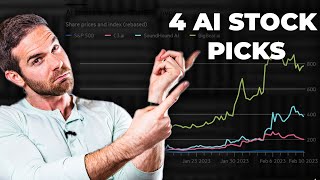
This content was created by Capitalism.com. This content was uploaded by Capitalism.com. This is a YouTube video titled "Which AI Stocks Should You Buy? And Does The Debt Ceiling Matter?" created on May 31, 2023, by Ryan Daniel Moran. The video discusses various economic topics including the US debt ceiling, inflation, and stock market trends, with a focus on AI stocks and companies like Nvidia, Palantir, and Target. It provides insights into investment strategies and the importance of building a brand with a loyal customer base.
Chapters
This week in capitalism, we'll talk about the debt ceiling. We'll talk about the latest trillion dollar company, and we'll talk about the stocks and the companies that I'm watching right now. And we'll talk about how all this affects your business. So we have to talk about the debt ceiling. If you're a normal American, this meant nothing to you and you will live longer that way. I'm jealous of you. But if you're an economics nerd or a political junkie like I am, then this was the most fast, fascinating theater in the whole world. This actually does matter and does impact your business. Here's why. The US Is kind of stuck between a rock and a hard place. We have a lot of inflation right now. This has impacted all of us. And it's actually impacted a lot of physical product sellers, especially those of you who sell on Amazon.com and because there's a lot of inflation, there's talk about where this inflation comes from. And inflation comes from having more money in the system going to a small number of goods or a limited number of goods. Well, most of the noise about inflation comes as a result of discussions around the Federal Reserve's interest rates. If you have low interest rates, you have lower borrowing costs. So there's more money in the system, and it's flowing to some assets like houses and food and stocks. And so you see a big boom in the beginning of an inflationary run. Well, we still have a lot of inflation, but interest rates are higher now. And there's another source of inflation that we don't like to talk about. It comes from government spending. When governments run into debt, they have to get the money from the Federal Reserve. That money gets put into the system and we have inflation. So we have competing forces. Right now we're trying to stave off inflation for also trying to avoid a recession. And oftentimes you can't do both of those things. Now, I don't like to give credit to politicians. I especially don't like to give credit to Joe Biden or to Kevin McCarthy for that matter. But I think that the deal that's on the table is about as good of an outcome as we could have hoped for. Because if you just raise the debt ceiling and you have more money in the system, then you're going to have more inflation. And we're like on the brink of getting that under control. But if you default on your debt, you absolutely will go into a recession. Why is that the case? Because you've damaged the faith in the United states system. And if you don't have faith in the system, then you're not going to have as much investment here, you're not going to have people hiring here. We haven't seen the bill at the time of this recording. We don't know if it's going to pass Congress in time. But as of right now, I do have to give credit to an actually pretty decent outcome. And of course the ideal scenario next would be that we continue to reduce spending over time, but that's probably not going to happen. In the meantime, it seems that we actually got it done and that is very good news for your businesses and for the US economy as a whole. Also this week, Nvidia became the C6th company in the world to have a trillion dollar valuation. I love stories like this. The reason why Nvidia crossed a trillion dollars in value is because there was news that came out about the demand for their chips, specifically in the AI sector. Now personally, I'm not a buyer of Nvidia. Now they're up about 400% over the last year or so. They're up about four times since I bottomed out in October of 2022. So a little bit less than a year. That's an amazing run up. But I believe the statement that you should buy the rumor and sell the news. So when we're looking at AI or we're looking at the next big boom, the pace of change tends to be a little bit more manageable than the rumor suggests. So when I see a company like Nvidia go up 400% as a result of AI chips having increased demand, that's not something that I'm interested in owning in the short term. But there are other companies in this sector that I like that are making investments in the same sector. You see the best time to buy a stock is not when they're big in the news, making huge waves. Hopefully you're knowledgeable about a sector enough to know what companies are planning these bets and those are the ones that you want to look at. My favorite in the sector is Palantir. They trade under pltr, but they're not profitable right now, which means that it's hard to value them. So it's not a stock that I can feel confident buying a lot of. But to me they're one of the more interesting ones in this sector. There are some good examples of this from the last year from, for example, Netflix was down around $170 just a year ago. The reason why they were getting beat up is because People were concerned about their profits eroding. There were fewer subscribers signing up for Netflix and their earnings per share were down just a hair. And people said, oh, this could be the end of the good days of Netflix. The stock fell 50% and today, less than a year later, it's more than doubled. Another good example of this would be meta Facebook. They're trading at $90 less than a year ago because of eroding profit share and because of the concern of TikTok taking away some of their subscribers and their customers. And some of that did happen. But Facebook made a good play to get into short form content. They recovered. Their ad platform is starting to look kind of sexy again. And the stock price has apparently about tripled. Those are the types of things to look for. It's rare that you see really good news and you're like, oh, that's the time to buy. It's when companies are well established and profitable and they really have a foothold in a sector and then they get bad news. In case you're curious about what stocks I track that might match some of that criteria right now, I am not an investment advisor. Don't listen to anything that I say. I'm an idiot that you follow on the Internet. But I'm currently watching PayPal, Alibaba, and pretty much the entire banking sector, my favorite of which being Bank Ozk used to be called bank of the Ozarks. Full disclosure, I do own some of these stocks, so you should know that when you're listening to my bias about how I look at companies, this brings me to the boycotts that are all the rage right now because it's affecting the stock price of a lot of companies. And I think there's a wonderful business lesson in this. I did a video recently about the controversy around Bud Light and how they totally screwed up this influencer campaign with Dylan Mulvaney. Now, I said in that video that we wouldn't know if this hurt their sales until the next quarterly report came out. And those reports are starting to come out and Anheuser Busch is getting taken to the cleaners. Now, this is the type of business that I would actually want to buy. In most cases, they pay a dividend, they're super profitable, and they have a raving customer base. If Anheuser Busch finds a way to navigate this challenge, they'll be fine. Long term. If you think that alcohol sales and beer sales are going to continue to go up, and I do not, a lot of my friends have given up drinking completely. They have other Options. Now, there are other things that they're interested in besides going out for drinks. So I'm just not bullish on the alcohol sector at all. Unless you give me the opportunity to invest in something like June Shine, which is an alcoholic kombucha, which is all the rage here among the hippies here in Austin, Texas. And I have to say, it is delicious. On the other side of the table, there are boycotts happening around Target right now. So I'm a Target superfan. I like to go there. But here's where Target is going to have a hard time. When you're a big box retailer, you don't have a core customer, you're really selling to everybody. Stores like Walmart, they have a Target demographic where it being the lower economic side of the customer base, Target would be kind of middle of that. But you don't have clear psychographics around that person which make it hard to speak to values. Walmart can do that because it's all about low prices. But only a few people can win that game. So with Target, you've got to come up with some other unifying way to bring your customers together. But I happen to think that they'll be fine from this boycott. They're getting crushed in the media right now. Their stock price is way down. And this is a company that I'm eyeing right now because they pay a very strong dividend. They're super healthy in terms of profit. They grow pretty much year over year. And they have a. They have a raving customer base. People like me who like Target, really, really like Target, they're not quite the same fanaticism as Costco shoppers. They're crazy. And I get it. Costco's awesome. But Target is like maybe the next most passionate. And that's why this is a company that I would look at investing in. I think they're still slightly overvalued with some room to come down. If you're a member of the 1%, then you might have seen some of my trainings about how I look for dividend stocks to buy. I look for a 4% dividend in combination of bad news. So if you have a company like Target that comes down so much that their dividend crosses 4%, that in my mind could be an indicator that it is oversold. We're seeing that a lot in the banking sector right now. So if Target comes down to that three and a half to 4% dividend range, that's where I'm really going to pay attention and see about adding to my position in my long term portfolio. There's a great business lesson in this, and that is your job as a company is to develop raving fans that can take you through hard times. All businesses are going to have challenges. All businesses are going to go through a hard economic times. Can you delight a customer enough that they will forgive you for mishaps in marketing? Can you delight a customer enough that they will continue to buy from you during bad economic times or at least when things recover for them? If you can't do that, then you're at the whims of the economy and what competitors will do. This is why I tell new entrepreneurs to choose your core customer first. What does your core customer believe and what journey are they on? If you don't know the answer to that question, then you're just selling a product and you can sell a product profitably for a long amount of time. But it's difficult to come up with a brand that you can scale or sell and it's very difficult to have a product continue to do well in good times and bad and to weather the storms of good marketing and bad marketing and competitors coming in and undercutting you. But if you have a brand that speaks to a core person and you have a values match, which means you stand for something, you stand for your customers own exploration on their journey, then you are the mentor that they will come to all the way through their transformation. If you do that, then you can build a company that can weather the storms and it's a company that will consistently grow its profits and prepare itself for for a really healthy exit, which is what I help people do here@capitalism.com if you want to start a company that gets to a million dollars in top line revenue within about 12 months or so and then you want to grow that and have a meaningful exit, check out the free resources in the description of this video. I'm Ryan Daniel Moran with capitalism.com these were the stories that impacted you, your money and your business this week. If you have some thoughts, drop them in the comments and I'll interact with you there. Thanks for watching. I'll see you next time.







