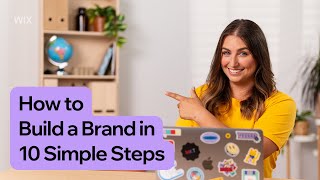
In this instructional video, host Nitani walks viewers through a comprehensive, step‑by‑step process for creating a strong brand identity, whether for a small business or a personal project. The guide begins by defining what a brand is—a cohesive story told through every customer interaction—and then moves through ten practical stages: (1) researching the target audience and building detailed buyer personas; (2) analyzing competitors with SWOT and tone‑of‑voice audits; (3) examining SERP data and social content trends; (4) leveraging free research tools such as Google market searches and Facebook Audience Insights; (5) crafting a brand personality and story that reflects core values and mission; (6) writing a concise brand positioning statement; (7) selecting a memorable, future‑proof brand name and checking its availability; (8) designing a versatile logo using Wix Logo Maker; (9) creating a short, impactful slogan; (10) developing a visual identity—including color palette, typography, photography, and graphic elements—and aligning it with a consistent brand voice across all touchpoints. Throughout, Nitani emphasizes emotional connection, consistency, and the long‑term benefits of a well‑defined strategy, and he points viewers to Wix tools and a deeper blog post for further guidance. The video ends with a call to action to subscribe and explore additional resources.
Chapters
Whether you're running a small business or just doing your own thing, making sure you have a clear, strategic brand identity is absolutely crucial. And that's why I'm here today with 10 steps to help you build up your brand. Hey guys, I'm Nitani, and in this video, we're going to talk about the best ways to build a brand, from creating your site to researching the competition, designing a logo, and everything in between. But before we get into the nitty gritty of it all, let's chat for a second about what exactly a brand is. It's basically the story your company tells throughout every interaction with your audience, from the way it looks to the way it talks. And that all comes together to create a cohesive brand identity. All right, now we've got that covered. Let's dive in. First things first, Get a good understanding of your playing field. Take a look at your target audience and get to know them inside and out. You could do something like create a buyer Persona that represents your ideal customer and put in their age, occupation and interests and really dive into their online world from their favorite subreddits. Even the hashtags they use on Instagram. This will give you really valuable insights into what they like, what they prefer and how they communicate. And knowing your customers this well will make it so much easier to tailor your brand to their needs. Next, take a look at your competitors. Search for other companies in your industry that are targeting the same audience as you. You could do a quick SWOT analysis that's checking the strengths, weaknesses, opportunities and threats they face and jot down what you think is working for them that you might like to use. Also, check out their website or social media platforms to get a taste of their tone of voice and brand messaging. So now we've got an idea of who our audience and competitors are. It's time to do some digging. You'll want to start by checking out the SERP the search engine result page and see what kind of insights you can put together. From there, take a look at your audience's demographics and see what kind of social posts catch their attention. It's all about understanding the relationships and content that's shared by friends. Plus content recommendations based on interests. Now let me share a few super helpful tools to really get to know who your audience is. First up, we of course have Google try searching market analysis for your niche. Like if I ran a pet store, I'd search for pet care market research. This will give you a bunch of sites that break down competitors, trends and insights about your market. But do keep in mind that for most of them you'll need to pay for a more in depth look. Facebook, on the other hand, is free. Just head over to Facebook Audience Insights. It's a really cool tool that lets you filter by things like interests, locations and agents. And this information comes right from the people themselves with the data they share with Facebook+ from third party data partners. And it'll tell you all about them, who they are, even down to what they're looking to buy online. Like if someone's in the market to buy a new car or they want to book a spa treatment or something. And by taking this info and comparing the characteristics of your target audience with the larger Facebook population, you can really start to see what makes your specific audience unique and special. Pretty cool, right? When it comes to developing your brand strategy, think about the characteristics that best describe your company as if you were talking about a person. Is it classy? Cool? Edgy? If it were a celebrity, who would it be? And if you want help building that personality, you can check out our blog post linked in the description where we talk all about it. Next, think about the story you want your brand to tell. It should reflect your values and mission statement and help your audience feel aligned with your goals and ideas. Remember, people don't buy what you do, they buy why you do it. So focus on your brand's core values and purpose and the rest will just fall into place naturally. To help break this all down in your mind, ask yourself, why does your business exist? How do you do business? What makes your brand unique and how are you benefiting your customers? Also, think about what sets you apart. Maybe it's your really fast delivery service or your exceptional customer support. It could be your commitment to sustainability with something like biodegradable packaging, or the fact that you have a personal touch with a family owned business. And as you move forward, it's really important that you make sure your brand identity shines through in all your assets and experiences. Plus, keep in mind, while you want to of course meet your customers needs, you should also tap into their emotions. Consider the emotional benefits your brand provides and how it makes people feel safe or fulfilled because the more you connect with their emotional side, the more successful you'll be. And Pro tip By defining your brand personality from the start, you could really minimize the need for future rebranding. So take your time on this one. A brand positioning statement is a short statement that sets your brand apart in the market and highlights its unique value. And it's not just a tagline or an elevator pitch. It's really a statement that says who you are and who you want to be. To help you write a strong statement, here's a little template you can use. We offer product or service for target market to value proposition. So like if I go back to my pet store example, I'd say we offer eco friendly and stylish products for pet owners to provide a holistic solution for their furry companions. By including this step in your brand building strategy, you'll be able to set your brand apart and gain an edge over your competitors. Okay, your name is who you are. It's the first thing people are going to see when first interacting with your brand. So it's super important that you pick the right one. And this might stick with you forever. So no pressure, but we want to get it right. You here's some food for thought. Firstly, you want a name that captures the essence of your business and instantly boosts its credibility. Look for a name that's short, sweet and easy to pronounce. You want people to easily recognize and remember your name. Try adding in some of your brand's personality or even your product itself. Like if you own a delivery service, you may want a name that conveys speed or efficiency. Also, remember to leave room to grow. If your business eventually gets much bigger, you'll want to make sure your name can stick with it. And if you're having a hard time finding the right name for your brand, you can check out the WIX Business Name Generator. By answering a few simple questions about your business, you'll get a whole list of names. Plus it gives you the option to buy your domain right there, which makes the process of naming your brand and creating a website seamless. But whether you come up with your own name or use a name generator, don't forget to do your research. Check search engines and social media to make sure your name isn't already being used or trademarked by someone else. Okay, let's talk about designing an awesome logo for your brand because this will play a huge role in leaving a lasting impression. It's like the face of your business, so every part of it, from the colors to the typography, should tell your brand's unique story. And luckily, you don't need to have crazy editing software or even a design background to be able to create a great logo. We've got your back here with the WIX Logo Maker. It's this great tool that lets you customize a logo that's perfect for your business. And once you've got A design you love. You can download high quality versions of it to put everywhere from your website. Branded merch stickers anywhere you want. Plus, there are a bunch more branding capabilities in this tool, so you should definitely check it out. Just make sure that you create a versatile logo. It's gotta look good no matter what its size or where you put it. So like, having a full design for most cases is great, but you could also create a simplified icon or word mark for when you have limited space. Okay, this step is definitely a game changer. Along with your brand name and logo, it's a really good idea to come up with a short, snappy slogan. And trust me, it'll be worth the effort. And I know what you might be thinking. Do I really need a slogan? Let me break it down for you. A well thought out slogan not only makes you instantly recognizable, but it'll also give you a powerful edge in your marketing and social media campaigns. Plus, it helps people connect with you and really leaves an impression. So remember to take time, brainstorm and come up with a snappy slogan that truly embodies your brand. Your visual identity is going to play a huge role in establishing a powerful brand presence. It's more than just creating a logo. It's all the elements that make up your brand's look and feel and will keep everything consistent from your newsletter layouts to social media feeds, product design, even packaging. And when building your visual identity, you really need to think about your website. Your site will be the core of your brand that everything connects to, so you need to make sure that it really speaks your visual language. If you need help creating that image, you can check out wix's website templates. They're made by designers so you know they already look good and have a cohesive tone. And then you have a great jumping off point to build your own look. Okay, so what actually makes up this visual identity? It's basically five things. You've got your brand colors, typography, your logo, photography you use, and visual elements. Let's break those down. When it comes to brand colors, choose a palette of like 5 to 10 colors that really embody your brand. And make sure to look into color psychology and colors usually associated with your industry. Like with restaurants, they use a lot of reds, oranges, yellows, and for wellness brands, they go for more green tones. Stick to between one and three to keep a cohesive and easily recognizable look. Also, you could use free fonts, but you might want to think about buying licenses. Remember, these will represent your business for the long run, so you want to make sure that you can always use them and they're always yours. Your logo is like your brand ambassador and will show up everywhere, so make sure to incorporate your colors and typography into your logo design to keep a unified look. When you're working on your brand's photography, it's important to pay attention to the subject, composition and style and make sure to diversify. Graphics, illustrations and icons can give your brand a unique touch, adding to its overall identity. And this can be anything from CTAs on your website to social media profile pictures, even packaging labels. Your visual identity will be something that instantly identifies you, so give this step the time it needs and build something that will really represent the brand. Now that you've established your brand's visual language, it's time to develop your voice. This is how you'll communicate and engage with your audience, both in written and verbal form. And your brand's voice should shine through in your website content, microcopy interactions, even social media hashtags. And your voice should definitely be in line with your brand's personality. If it's more youthful and fun loving, go with casual language, even throw in some slang. But if your brand is more formal and mature, go for a professional tone and make sure to use industry specific jargon. All right, here's the deal. You've got to have a solid brand strategy and stick to it to make sure you really hit home with your target audience. And don't compromise on this as you build up your website and social media. Don't forget the power of brand perception. You want people to see your brand in a super positive and unforgettable way. So make sure you use everything we've been talking about. Your logo, slogans, visuals and brand voice. Remember, as your business grows and changes, your brand will too. So remember, keep it real and there you go. You're now ready to set up your brand. Remember, it's not just about visuals and logos, it's about telling a compelling story and connecting with your audience on a deeper level. So take time to research, define your brand's personality, stay true to your values and purposes, and always engage with your audience to build up those lasting relationships. I hope you found this guide super helpful and if you want more information about anything I've covered here, just check out our blog post where we dive deeper into all the details. And remember, hit that button and subscribe for more great content. See ya.