Drones Could Give Us Total Weather Control
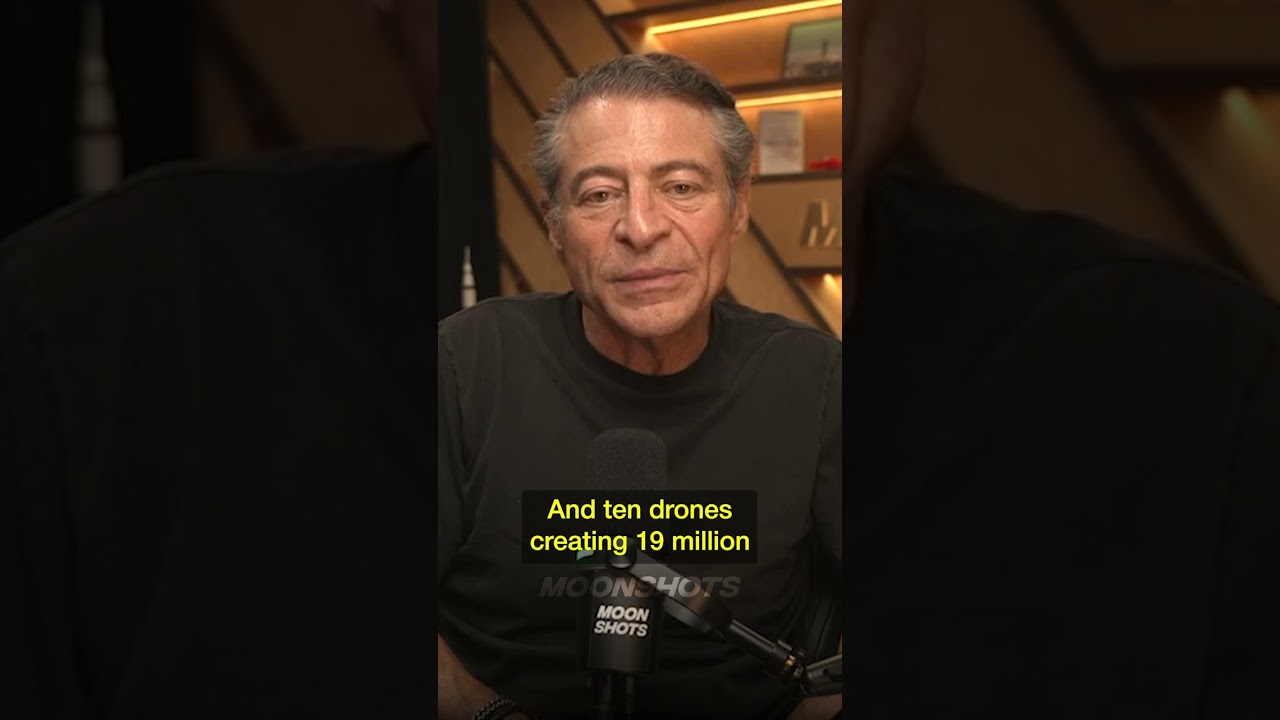
In a brief two‑speaker YouTube discussion, the hosts present Rainmaker’s claim that a fleet of ten drones flying over Alaska’s Kenai Peninsula produced an estimated 19 million gallons of extra rainfall within three hours using a method they call “glacogenic cloud‑seeding.” They outline potential applications such as drought relief, agricultural irrigation, wildfire prevention, and broader water security, linking the claim to an “abundance thesis” that water could become massively abundant once the technology to generate it is cheap. The conversation then shifts to a speculative vision: a permanent, solar‑powered swarm of drones managed by a centralized AI that could dispense cloud‑seeding particles on demand, guided by a global weather model, potentially enabling total weather control—including diverting or dispersing hurricanes before they form.
Chapters
More from Carlo





Robinhood's Vlad Tenev on Tokenizing Everything, OpenAI's 6 Misalignment Reports, Figure's Robot





Frontier Labs Want to Slow Down, OpenAI Delays Its 2026 IPO, Anthropic Flags 5 Bioweapon Cases
