Qualityclass: Change plus Improvement The 'Four Ds plus One' Model
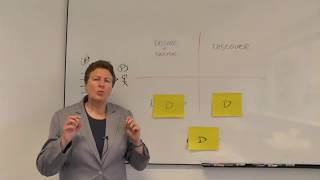
Dr. Cathy Balding presents a five-step change model for healthcare: Decide, Discover, Develop, Do, and Decentralise. She pairs it with four commitments for staff engagement: clarity, comprehension, components, and connection. The approach embeds change into a larger system focused on purpose, people, and processes.
Chapters
Hello, everyone. Cathy Balding here, founder of Quality Class and author of Create a Great Quality System in Six Months Blueprint. Welcome to this mini Quality class and it is my great pleasure today to talk to you about the improvement cycle plus change. Now, what do I mean by that? Well, we all know the improvement cycle plan, do, study, act, widely used in health, age, community, human services and many other sectors. And when well implemented, like everything, it works an absolute treat. It helps us to work out what we're trying to do, how we're going to do it, put it into practice, see if it's working and then decide what we're going to do next. I think, however, there's a bit of an X factor missing from the PDSA cycle that if we add, would make all the difference to staff engagement in change. Now, some of you have heard me talk about this before in terms of my 4C's model for gaining staff commitment to and ownership of change and improvement. And that is something that you can get more detail on. If you head over to cathybalding.com, you'll get all the information there under mini Quality Classes. But when I talk about the four Cs, I'm talking about clarity and that's really knowing exactly where we're going and my role in that. In absolute concrete terms, we're talking about comprehension. Do I understand what we're doing? Do I have the right information and the right skills to be able to engage? We're talking about components. Does the system support me to make the change or does it work against me? And we're talking about connection. Do I receive support for being engaged in the change? Do I get feedback? Can I discuss it with my peers? But if you want more information, as I said, head on over to kathybalding.com and under mini Quality Class, you'll find the video there. Now, today I want to try and put those key aspects of good change together with pdsa. So I've developed a different sort of PDSA model. Building on pdsa, of course, because you wouldn't change it, it's great. But building to it, putting a change component in so we don't do PDSA and then say, oh, we weren't very good at engaging people in the change. How do we do that? But building it in so that it becomes part of that process. So I've got five Ds, the five Ds of change and improvement. And we start with desire and decide. So what does that mean? Well, we know from the research that when people really Desire something, they'll do it. And it's the first step. And so I always think, when we're thinking about change, do we really want to do it enough to see it through? Now, there are some things in our sector that we don't have any control over, and you're well aware of that. Of course, there's some things we just have to do, some things we have to change. They're externally imposed or internally they become such an important part of where we're going that we just have to do them. So we don't always have desire. So if we don't have desire, we at least have to clearly decide this is what we're doing. If we have desire, we're lucky and we want to build on that. If we have desire and if we can build desire in people to want to change, that gives you so much leverage. And spending some time here in this quadrant helping people to develop, that will pay off handsomely when it gets to implementation. So we decide really clearly what it is we're going to do. And we build desire in people by helping them understand their role and also how it's going to help their consumers and their staff, wherever they sit in the organisation, the people they care about, how it's going to help them in their role to do things better every day. So we start with deciding and building that desire in people. And that's very important in terms of that clarity I was talking about with my four Cs. Exactly where are we going? What's my role in it? How will we know when we get there? How will our consumers be better off? Well worth spending the time building desire, something that we skip. I think often when we plunge into pdsa, if we plunge into pdsa, we start with plan, and we haven't done this bit. So the second bit is discover. Once again, we can skip this bit with pdsa. What do I mean by that? I mean we need to do some detective work to find out where we are now before we start charting the path to where we want to go. And if you think about any journey you go on, if you're using a map or a gps, you need to know where you're starting so you can chart the best course to where you're going. And once again, I think with pdsa, we often skip this bit. We plunge into planning, kind of assuming we know where we are. But I found over the years, and certainly in the research that I've done, there is absolutely no doubt that this is a key step, finding out a couple of things, a how things are actually done now. What is the old way before we progress to the new way? The old way isn't always what you think it might be, because in the complexity of our environment, the way things get done changes over time. No one makes a big announcement about it unless we're doing a specific and planned change. But over time, and you know this as well as I do, corners get cut, people discover easier way of getting things done, so they just do it and then they teach the new person that. So the new person thinks, oh, well, that's the way we do it. And over time, even standards will erode because in the complexity of our environment, there's so many forces at work that the way we do things sort of erodes and weathers. And you must make sure absolutely, you know where things are now before you chart your course to where you want to go, before you get started on the plan bit. Otherwise you might be charting your journey according to some ideal way of how things happen now, not how they actually happen. And that means your roadmap isn't going to be very successful. And I think this happens a lot in our industries because of the complexity. So don't look at the policy and the procedure and say, oh, well, that's how it's done now. You've got to go and find out. You've got to talk to people, talk to the people who actually do it. Use flowcharting. Absolutely brilliant tool. Lovely and simple. You'll soon find out if you do some flowcharting with the people actually doing the work. The difference between ideal, actual and that's not anyone's fault. That's the way work gets done in complex systems. And I think we have to work with the way our organisations really operate, not how we wish they operated. The more realistic we are, the easier change will be. So the now story is how people feel and think about how things work now, how wedded they are to the current way and what they feel and think about the new way. And don't be afraid of this. Better to get it out on the table. And that's why a flowchart is great. Put it up on the board. You could have the ideal way that it's being done now, the actual way it's being done now and how we really want it to happen in the new way. And that will tease out a lot of the roadblocks and barriers, things that will work well and things that won't. It will all start that psychological change process of people saying, oh, well, I'M engaged right from the beginning here. I'm being asked for my expert opinion on how things work now, because I'm the expert, I do it every day, and I'm being asked to have input in how it might work a different way. So a really important part of engaging people in that change and helping them on the change pathway is to discover with them what's happening now, how do people think about it and how do they feel about it? Because the stronger their beliefs about the current way, the harder you're going to have to work and perhaps the longer it will take to change those beliefs to supporting a new way, then, and only then, we get on to develop and this is where we can develop our plan, our roadmap for change. So this is the familiar territory now that you'll all have been on many, many times. This is where we say, this is where we want to start, this is where we want to end. We've done the discovery, we know exactly where we're starting. We're not assuming we know exactly where we want to be at the end. In concrete and clear terms now we can develop a map that's more likely to get us there. And I say that in the complexity of our system, put a timeline on it and triple it, and that's probably realistic. I think we have to dial back our expectation a little bit in our environments. Change is not easy and there's all sorts of issues around change that I'm not going to talk about today. I will talk about in another mini quality class sometimes. But we must remember that these things take time. You can change something, you can say, oh, well, I'm going to have the stapler on the left on Monday and on Friday is going to be on the right. Well, that's a change. But the psychological transition around getting used to that and being just as efficient as you were before, even in something that simple, that takes time. So imagine if we're really trying to change something complicated. So relax, plan well, but be prepared to course correct. Because in the complexity of our environment, just like a plane flying from A to B, there will be lots of things in between that the pilot and the plane have to deal with. Might be another plane that's off schedule or off course. It might be a unexpected turbulence or storm, might be a problem at the airport that you have to divert. It doesn't matter. You have to be prepared to course correct. It's part of real life when we're talking about change in our organisation, so don't be afraid of it. But you do have to allow some flexibility around that. Don't get too rigid, because that's not how we work. If you want rigidity, go work in a production line in a factory. That's not how our organizations work at all. And the last D before we get to where we go from there is doit and do it, of course, is pilot. In our complex systems, a pilot is the best way to find out where you've got things right in your plan and where you've got things not so right. Very important to pilot with a small group of consumers or one part of the organisation and do some really honest appraisal about, gee, we didn't really figure that out, did we? Perhaps we didn't do our discovery well enough. Perhaps people aren't clear enough about where we're going. Perhaps we didn't plan well enough. A rigorous and brutal honest evaluation here will stand. You're in very good stead when you do the final step, which is decentralise. After you've done your pilot, then you can spread. But it's important to realize that when you spread, that's not just sending out the new way. Everyone else has to go on this journey too. It should be quicker, it should be easier. But these people outside of the pilot have to go through the decide and desire, discover, develop and do it in the same way. As I said, probably be a bit faster. If you've ironed out the kinks in here, it'll be more streamlined, but they still have to go on that journey. I think often we forget that. We think, oh, well, we've piloted something, we figured it out that it works. Now we'll just send it out as sort of a fait accompli that does not engender engagement in that change. And you can get a lot of resistance and a lot of barriers put up doing it that way. So where does all of this fit in my strategic quality system model? Always good to put these things in context and many of you will know it's a 3Pmodel. Our purpose, what is the great care and the great experience we want for our consumers? Every person, every time, clearly and concretely defined. What other roles of these people in that? The people at the front line of service delivery and care, the people at point of care, that interaction here, these are the people that create that experience. And what are the processes, the pillars of governance that we put in place as an organisation to support those people, to create that experience? So that's my strategic Quality system model. If you'd like more information, head over to kathybalding.com and you'll find it under a mini quality class there. So where do we fit here, our five Ds? What we're talking about is people engaging people in change and improvement to achieve what we're trying to do here, which is create our great consumer experience and as we define it, to every person, every time. So that's the 5D's model of improvement using the PDSA cycle plus change to create something great. I hope it helps you go out there every day and create great experiences for and with your consumers. I'm Cathy Balding. Thank you for joining me. I'll talk to you next time.
More from Dr.
Qualityclass: Goal based Quality Board Reporting for health and human services