Mike Twitty Full Interview: Navigating FEMA, Tax Relief, and Rebuilding After Storm Damage
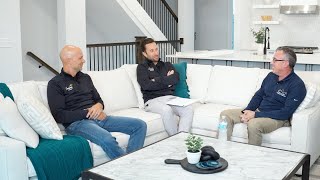
Mike Twitty, Pinellas County Property Appraiser, talks with Mike Zender about navigating FEMA, tax relief, and rebuilding after storm damage. They cover the calamity provision, FEMA regulations, and how the property appraiser's office helps homeowners recover.
Chapters
Hey, guys, Mike Zender with CSafe Homes. Thanks for tuning in. I'm excited to introduce you here to Mike Twitty, the Pinellas County Property Appraiser, who's going to take us through everything related to Pinellas County Property Appraiser's website. Whether we're talking about taxes, property valuations and the calamity clause. A lot to learn here from Mr. Mike Twitty. Thanks for tuning in. Hey, guys, thanks for joining CSafe Homes here today. We are fortunate to have Mr. Mike Twitty, Pinellas County Property Appraiser, with us to talk everything that's going on here from the property appraisers office side of things, which is really timely for us with our CSAFE Homes and our clients who are starting to receive a lot of, a lot of documentation from the floods. There's conversations about rebuilding, insurance, property taxes. So having the opportunity to get you out of the office just for a few minutes here late on a Friday afternoon is really cool. Let me just start off with, though, tell me about this love of the Florida Gators. Is this a. I mean, are we a big Florida Gator fan? Because I'm a University of Miami guy, so there could be a little, a little friction here.
You didn't warn me about that before.
Yeah, exactly.
Put Chad in between us. Yeah. So I was a Gator grad back in the fall of 89 and did my time up there and had a great time and got some good education, I believe. But I still try and go back at least once or twice a year. Not always necessarily for a game. It might be something else. It might be an association situation or. We just had one up there and I was just up there for Florida basketball game. So I got to watch the, the Gators, which they're moving up the ranks right now in basketball. So it looks like we're gonna have a great team this year.
Yeah, I can't say the same for, for my alma mater when it comes to, to basketball at this point, but. And then I thought it was cool. I was, you know, just getting a chance to know you and talk to you a little bit. Just I know you, your kids have, have grown up in this area and they're still living in this area, but you've been involved with youth basketball and little league baseball and things like that just around our community here, which, which I think is cool because before I had a chance to meet you and kind of get to know you a little bit more, I'm just like, hey, this is just, you know, this is the guy with his face on the website, you know, and. But it's just good to know that you're the normal guy, you're the dad, you're the husband, you're out there just doing things. And just in these tense times, it's just good for everybody to realize, hey, we're all in this kind of together. We're working through it.
Absolutely.
Getting information and kind of learning a few things along the way. But at the same time, how did you progress into the role that you are now as the Pinellas county property appraiser? How. How did you get there? What then? Kind of. What if you could explain some. Maybe some of the duties that. That you have?
Yeah, sure. So coming out of Florida, I was a real estate major at Florida. That was back when they still had the undergrad major in real estate there through the business school. Came out was the. The SNL crisis was happening. So there were. I wanted to get into development or things like that. Well, there was nobody hiring. I mean, the only ones hiring were appraisers. So I ended up taking an appraisal job and started learning the ropes and ended up moving up in that company, became a partner and principal and we grew that firm from four people to 20 and moved to a larger office, grew that business. We were very active up and down the west coast of Florida. I did mostly ran the commercial side with another partner and then we had a full service residential side as well and had another partner that managed that side of the house. So got exposed to a lot of. Lot of different interesting real estate. I did specialties like marinas and mines and mixed use. And so I would travel all around the state and sometimes out of state for different projects, some right away stuff. We ended up building an eminent domain team as well. So just got exposed to a lot of different things. It was never part of my master plan to get into the government sector or politics. But I was approached by our clerk of the court, Ken Burke, who was a friend. And we would always see each other at least annually at a mutual friend's Christmas party. And he approached me after one of those parties. This was going back now, probably we're talking nine and a half years ago, I guess nine, 10 years. And he said, hey, Mike, our property appraiser's gonna be retiring. Have you ever thought about running for property appraiser? I said, absolutely not.
Yeah, no way, I'm not gonna touch that. Running for an office, no way.
It's like, no way, I'm not gonna do that. And he Said, well, I think you'd be really good at it. I came from the private sector. He was a CPA in a law firm.
Okay.
So he said, I came over and, you know, it was a really good fit. And he said, we really need good people in government that know what they're talking about. I'd really like our property appraiser to actually be an appraiser. So with the great respect I had for Ken, I said, I'll certainly look at it and do my due diligence. I said, but I, you know, I just can't foresee it happening. At that time I had a, you know, appraisal company, a brokerage company and a receivership company I was, you know, a principal in.
So you were busy.
I was busy.
You were real busy.
So I did, you know, seven months of due diligence trying to figure out, and all these people are trying to pull me in saying I need to file and start to run. And I, I, I said, I got to run my course. I got to be very comfortable before I pull the trigger. I need to, I need to have the right consultant. I need to have, you know, I need all these things. And so I was very, you know, very consistent about being diligent on all that. And I finally got to that comfort level and talked to my wife about it and she said, go for it. And we did. And it worked out well. And it was a, it was a right, it was the right time of my life to do it. My kids were effectively, you know, almost self sufficient at that point, you know, or pretty close. They weren't as, you know, they didn't need us as much as they had in prior years. So it was a good time and it was a good, it breathed new life into me. Instead of serving one client at a time, which I was always, you know, passionate about and wanted to do a good job. Now I felt like all of a sudden the county I was born and raised in, I could literally serve tons of clients at the same time.
Yeah, well, that's really cool. I mean, I can, I can certainly see that diverse background in that area, specialties of whether it's mines or just some of the different things you're talking about there. I mean, that's a really unique skill set of being able to identify the value of these.
Right. What it really helped me do is sit down, I can sit down with any kind of property type and kind of turn it on its head and look at it and tell where the value drivers are and know, you know, is this, is this a cash flow analysis? Is this a direct cap? Is this stabilized? Is it not? Is it right? You know, what is it above market, below market? You know, I can just kind of see all those moving parts, so.
Well, that's funny. I can see why a lot of people probably pepper you and your office with questions on just a wide range of things. I mean, everything from, you know, again, a lot of our clients are starting to get these insurance claims. They're getting mortgage, you know, letters from their mortgage companies. They're getting information from the cities, from fema. So in this whole ball of, of flood and properties and rebuilding, remodeling and taxes, what should, what should people know? When should they contact the property appraiser's office? You know, let's, let's define what we do. Yeah, Mike Twitty knows a lot about a lot of stuff, but specifically for the property appraiser office, what are we looking at?
And first off, I'm not the tax collector, so do not beat up Mike about taxes because we are part of the equation, for sure. We're one of the variables. Value, value times millage rate or tax rate equals taxes. So we determine that value piece as of January 1st each year. That's that snapshot in time. And it's based on, on the condition and of the property and market conditions as of that point in time. So that is one of our duties. So that is to the tune of almost 450,000 parcels of real estate and tangible personal property tangibles that is not exempt, that does not meet the $25,000 exemption. So that's mostly your business equipment that falls under that. So a lot of parcels, that's a lot of stuff for us to try to touch each year. And then exemptions. So we administer all the, the property tax exemptions. So that's everything from homestead, which is the big one, you know, people think about, that includes, you know, administering that save our homes cap that sits on top of homesteaded assessed values. That helps protect people over, over the long haul. And then other types of personal exemptions, whether it's disability, low income, senior, different institutional exemptions, affordable housing exemptions, historic exemptions, all those types of things. We have to administer all that. So those are two of our primary roles. But then we also maintain the ownership records. So we get the deeds from the clerk as those are recorded usually a several day. Well, it depends on market cycles. When we were going crazy and sales were like nuts, we were probably about a month behind in a more normalized market. Clerk's probably within a week. And then we're within a week to half a week behind them to get stuff up onto our website.
Let me ask you a question about that. Does it stress you out when you fall behind? I get stressed out if I have a bunch of emails. It just bothers me.
Right.
I just. I'm like, oh my gosh, I've got emails in my inbox. I've got to respond to these things. I. So anyhow, dad, what. Just from the personal side, does that feel like, hey, I know we're going to get it. We're working as hard as we can.
Right.
Because to your credit, to your office as well, I reached out to them over. I forget what it was, you know, asking maybe about the calamity rules or something along those lines. They responded very quickly. I was pleasantly surprised at how quickly your office reached back out with information and maybe above and beyond. So I want to give credit to them.
Yeah.
For what we saw.
They do a good job of helping me look good. So I appreciate.
We always tell clients, like, if you have a question, call them up. They answer the phone. You're not on hold, typically at all.
Average on hold time is nine seconds.
Wow.
Yeah, it might be up a little bit right now.
Okay.
Just because everything going on, but that's where we typically run. And then we have an email account that we just call Mike Mail. So it's Mike CPAO.gov so that's our main just inbox that gets triaged each day and they try to turn that stuff around within a day in most cases.
What was that called? The mic box.
We just call it Mike Mail.
Mic mail. Okay, gotcha.
I like that.
That's good.
So it's just miccpao.gov Gotcha. Okay.
Well that's an easy way to get. Get in touch right there for sure.
Right. A lot of people think that's coming straight to me because I get all, you know, they'll forward and go, mike, I think this person knows you. You know, I think they, they think they're talking straight to you, but they do a great job of managing those.
And make sure the stuff that needs to get to you gets to you in that form that you. You have that oversight of these things.
Yes.
So in the. In the kind of spirit of rebuilding and looking at all the damages and things like that, kind of walk us through part of the processes that, that the. The. Your office handles in regards to, you know, rebuilding or potentially fixing and, and kind of the different logistics and, and different tools and things that you guys provide.
All right, so we've got quite a bit and we've been developing a lot recently. And again, within our lane, you know, again, that January 1st is that magic snapshot in time. So we're coming up on that. I'm a little concerned about trying to get our arms around. We had actually a director's meeting this morning talking about that because we're going to have to have to use the best data available to get our arms around a lot of that. So some of that comes from the original damage assessments that were done, which were essentially the windshield assessments when not only we support the Pinellas County's building building department's effort in doing those initial damage assessments after hurricane. So that's when you're making major minor affected or destroyed calls. So we have that data. So we're going to be leaning on some of that now. We have water depth data and we have inundation maps and we have lidar. So lidar gives us. We know what grade is. Sorry, I got to get some water. So we'll be using that data to make some of these initial calls. When we get to January 1st, we're going to be waiting for data to come back from the cities and the county that's going to. Okay, these, these people got a substantial damage ladder if they know that they're going to knock their home down. Because a lot of people are telling some of the. The building officials, hey, I'm going to go ahead and knock this down. Let us know that, because then we can take the entire structure off the roll for 20, 25.
Let me just ask that again, because that's very relevant information for us because we have a lot of clients who are in the process and saying, yes, we want to rebuild, but we have to get our substantial damage letter first in their concerned. And again, I don't think this is the majority. I think this is more the minority.
Right.
Comes to being concerned that they're not going to get the substantial damage.
Right. And I know where you're going. So this is a disconnect between insurance and calamity.
Okay?
You don't need us. You don't need a substantial damage letter for calamity. Okay. But you do need one to get your increased cost of compliance, which is your extra $30,000 on your insurance claim.
Okay?
So that's what I think most people are waiting on. They're trying to get that letter so they can get icc. Gotcha.
You're on that real quick. Like I just. Because some people, you know, you hear different things from everybody. Our understanding is the ICC funds are available once you get your substantial damage claim, but it's not in addition to the 250. The 250 would be the all inclusive. Yes, inclusive. So people need to understand you're, you're not going to get 250 plus 30. If you have 220, you could get, you could get up to the 250, but it's not in addition to the 250.
That's spot on. Yes, yes. So, so through that process, like I said, we're going to be collecting all that data. I met with the mayors and Treasure island and Madeira yesterday and reinforced to them, hey, when you know these things, make sure your building officials are sending that data our way. So we can tag those appropriately in our system because we know, you know, even though we're doing an effective date of January 1st, we don't have to, we don't finish the roll and submit it to Department of Revenue till July. So that gives us some Runway to make some adjustments to things up until that time.
So how does that work? If somebody, for instance, like, they know they're going to tear their home down, but we've already seen, you know, it's into January, February, by the time the demo company is going to be able to go there in permitting, how does that affect what you need, you know, from them, what documentation you need from them, and then how do they get that off their tax record? This is layered. And what is an example benefit of, of why they would want to do that?
Well, if, if we're able to take the structure off, it's going to. And not in all cases, it depends on where their save our homes cap is too. I mean, we have people that have been in their homes so long that the, their save our assessed value because the save our homes cap is still below land value. So if you take the improvement off it, it doesn't really have any effect.
Could it potentially increase or it wouldn't necessarily do that.
No, it wouldn't increase. Yeah, because it's not going to reset, especially if they're homesteaded.
Right. Okay.
So that would be an advantage to get that improvement off in many cases. And then, and actually we do usually prorate between the land and the, any improvement for the, the assessment cap. So it, it's to their benefit to let us know as soon as they know that they're going to remove that improvement even. Because even if we can do it before July, really June is a better time because we still have to do our, we do our preliminaries estimates that go to, to the taxing authorities. We do those by June 1 and then by July 1, the official preliminary roll that goes to the Department of Revenue goes there and then it still gets worked over the summer for. Until we get up to trim time, which is, you know, the notice of proposed property taxes.
So when you say, is there a, you know, you kind of like let us know what does that look like? Is that a specific form that they say, an affidavit saying they're tearing down their home or application for a demolition permit? What is, what, what?
Yeah, this is a little, this is different than the normal process because normally what happens is people pull a demo permit, we end up picking up on that permit, we send them what we call a demo letter and we say, hey, we picked up on this demolition permit. Do you plan to keep your home and it's a homesteaded property. Do you plan to keep your homestead intact here? Because you can do that while you're building it as long as you don't claim homestead somewhere else and we can keep your cap in place. So, so that's our normal process. This is a little different. So we'll still go through that process, but if they can shortcut that and let us know in advance, then we can deal with some of that sooner.
Okay, so it's just an email to the mic mailbox?
Yeah, can be.
You can just shoot that on over easy.
Yes. So that's good advice.
So anybody who's thinking of rebuilding next year knows that they're going to rebuild and tear down that home that is currently on the land.
Right.
Do it sooner than later.
Do it sooner than later.
Just push, push that in. Give us your parcel number, your address and your, your name so we can make sure you know your, your ownership matches up with the, with the right property. And then when it comes in the mike mail, it'll get pushed over to the area appraiser that deals with that and they may reach back out and talk to the property owner or they'll at least put that flag on, on that parcel so we know what's going on.
Okay. And just for those who aren't familiar with it, you can find your parcel number by going to the property appraiser website, typing in your address and your parcel number is going to be readily available there. So I would imagine on your email, you know, just being very clear with this, this information probably helps.
It does help just because facilitate and move it along because people don't realize we do have addresses that are the same, like. Like you warned me about even coming to this location. How you can easily get steered to the wrong one because of. If you just, you know, avenue versus terrace can be an issue. But we have some that are like, exactly the same, except one's north and one's south and, you know, things like that, and some that are literally the same name of a tree, you know, and with the same street number but in a different town. And so that's what's nice about the parcel ID is every parcel has a unique parcel id so we can make sure that we get the right one.
It's good advice.
It's really good advice. A lot of people in that situation that'll be helpful. Tell us a little bit more about, again with the letters that are coming out in FEMA and we're talking about land values and 50% rules and things like that. Can you shed any light on how all of that is, you know, kind of comes together and how that ties into.
To your.
To your assessments?
Yeah, Real quick. I think a lot of people are blending different things where they're seeing, you know, I have a letter on the table over there that was from North Redington beach with my substantial damage percentage, which is specifically from that town. It doesn't really have anything to do with you guys, you know, so, yeah, break that because I think people are. People are seeing a few things. They're seeing the substantial damage letters which are starting to come out. They're getting their initial flood claim, you know, information, and then they're seeing the 50% letter that's available on the website. And a lot of people have, like, morphed all this stuff.
Oh, yeah, I think I just did. I think I just did what I was talking about.
Right, right, right. So. Right. If you could clarify that.
Yeah, I'll try it. Yeah. There's a lot of myths and rumors and, you know, if you go on Facebook and next door, you know, you can. You can invest, you know, months going down the rabbit hole on some of that stuff, and there's some good information, some accurate information there, but in many cases, there's a lot of misinformation, so. And a lot of it's very jurisdiction specific, too. So in a case county, where you have 24 different cities, plus on the unincorporated county, you know, they're all doing stuff in a slight variation at a minimum. Yes. So a lot. So I'll go back to. One of the early myths was that our office was sending out this FEMA letter To everyone. We never mailed that letter to anyone. It's been on our website for over a decade and has lived there. That has always broken down. It was there for two purposes for FEMA, 50% rule issues, mostly for substantial improvement for people that are trying to do something, doing work within the floodplain and the special flood hazard area. They have to meet that guideline that's in our floodplain ordinance. It's also in Florida building code. And then obviously it's a NFIP FEMA requirement, which is where it all rained down from to begin with essentially. So we created that just mostly as a convenience. So it was easy for people to get a structure value to do that works really great. You're putting a roof on, putting some new doors and windows in. Things like that was never really designed for worst case scenarios, substantial damage type situations. Now we're faced with that and unfortunately a lot of people are concerned because the structured value comes up light for what they need to do. We don't always get inside houses. We rarely get inside of houses. So we don't know that they just invested $150,000 on the inside and really redid their electric. Some of it's permitted, some of it may not be. And so quality and condition couldn't vary. So those things can obviously affect that value swing. And I'll go into a little bit more of that in a second. I want to get back to the FEMA letter. So FEMA wants me to change the name of our FEMA letter. They don't like being attached to that. I understand that. But at the same time I said I'm not changing anything midstream because that's how what people know it by. And that's really the purpose of it is for the 50% rule. So if I go and call it something else, they're not going to know what the heck I'm talking about. So we can't change horses midstream there. So I've been pushing back on that right now. I said when you guys Change risk rating 2.0 and start listening to us more on giving people a break on elevating their homes and giving them a break on their insurance, then I'll change the name of the FEMA ladder.
Nice. There you go.
A little horse rating.
Yeah, we'll cheers to that for sure.
So, so one thing, so 50% rule. Some jurisdictions have a 49% rule that was adopted by some jurisdictions to get larger discounts within the National Flood insurance program. So if you get a 49%. It gave you more community rating system points, which increases your discount. So that's why some of them did it. So our letter has been reprogrammed to be smart now. So whatever jurisdiction you're in, you'll see it flip from 50 to 49. So it does the math correctly based on where you live. So it picks up on the tax district and, and does it appropriately. So want to let people know because that's a change that we implemented since the storm. Other things we're working on condos right now because condos have not been able to fit the letter because condos have to be an entire building per fema. So you have to roll up all those values but then you got to get the non structure items out of it. So boat slips, other common area stuff, land obviously. So that all gets tricky. So we're engineering that and we hope to roll that out next week so that that will be able to help our condominium owners. And we're recommending that all needs to be done through their association. Associations need to take the lead on those because it's by the building. You know, if they need to order an outside appraisal, it needs to be by the association for the benefit of all the unit owners on whatever buildings have damage. So those are a couple of things moving. Then we're going to move on to puds and townhomes because those are a little bit of a different animal with our data and how that system works. So we'll be working our way towards that. So all that kind of led to us offering a new service called a BVR or Building Value Reconsideration. So this is a. I don't know if anybody, I don't know that anybody's ever done this before. But we decided that we had the ability to deliver it with our staff and our technology and obviously our desire to serve the people and want to try and take any pinch points out for homeowners because I knew the private sector appraisers were going to back up. There's not a whole lot of them that know how to do what we call actual cash value appraisals, which is really just a depreciated structure value appraisal in a nutshell. So they're learning. A bunch more appraisers are coming on board. We actually, we're going to be offering some more training. We're bringing in an outside appraiser that is an expert in this, that's going to be teaching another round of classes on this. So be educating More floodplain administrators, more building officials, anybody wants to know about it, and of course appraisers and insurance people. It helps for them to hear it too. So those efforts are ongoing. And so this new BVR process as we're calling it, offers people a free look. They can submit right through our website, submit documentation to us. It's primarily pre storm photos that are hopefully fairly recent. And if they've got any, you know, contractor invoices or receipts within the past 24 months, things that can just give us guidance and help for justifying a factual change, because that's all we can do is a factual change. It's still going to be running off our system for 2024. You know, what we had in our cost models, what we had in our sales comparison models, that type stuff, it's going to run on that. But we can up or, you know, modify those calls and see where it shakes out. And we've done about almost 100 of them so far. And in most cases there's been some, some form of upward movement, sometimes pretty, pretty large upward movement and sometimes it's been moderate. But it's been enough in a lot of cases to move the needle enough. Especially when people are on the bubble, you know, an extra 10 grand or 20 grand might, might get them where they need to be.
Gotcha. So this is when they are looking at their structure value, trying to remodel, build back.
Yes.
And they are exceeding the, you know, their, their structure values lower than what they feel it should be.
That's right.
So they're going on to the Pinellas County Property Appraiser website and they are looking for the bvr. Where, where would, is that just on a drop down or is that on their property specific?
You can get there a couple of different ways. It's right on our homepage. We've got an area in our announcement section where there's a whole bunch of links that are all storm resource related. One of those says request a building value reconsideration. There's also a speed button off to the left not far from that same area that says storm damage information. And if you go to that, it's take you to our FAQ page, which rolls through about 13 different frequently asked questions all related to the storm. And one of those addresses the BVR and has a link right there where you can jump right in and start your application process.
Gotcha. So I want to raise the value of my structure. I go online, I find the BVR link, I click it, I submit factual information Pictures pre storm. That's justifying what my property look like. Maybe I'm submitting the invoices from the contractor's work. Anything like that that is working to justify that improvement or increased value of that, of that structure.
Right. And I'd like to point out, you know, if it's, if it's the same base sub area, there's no change there. Like you didn't enclose your garage and make it living area and not let us know things like that. It's not going to affect your taxes. Okay. So especially if you're a homesteader. You know, if you're a homesteader that's going to, it's going to protect. It's in the side the same four walls. It's under the save our homes cap. We're just going to move the just value. We're not going to touch the, the assess value.
Gotcha.
Wow, that's, that's cool.
That's pretty cool to know.
So it actually helps reportability at the same time.
Yeah, I mean it's a, it's a.
Good tool because one thing where we've been kind of warning people is you know, before you go get spend money on an appraisal or if you have an insurance claim which is totally separate to have a private adjuster, they're going to take 10% potentially of whatever value they come up with to try to. There's some tools that you can do yourself that might get you what you need to be whether it's to preserve what you have or to get more on your actual claim when it's. Again, this isn't what the topic here is but right on, on your insurance claim. So instead there's a bunch of people out there trying to sell services that you might not that may be really good that are acceptable. That would solve the problem that you don't have to pay money for now. You have to use them and, and, and, and put some time into it. But you could potentially do this yourself.
That that's correct. And I will say in most, in probably almost 100% of the cases, if you got a, an outside actual cash value appraisal, it's, it's going to come up higher than what, what our system is likely going to generate even after we do a bvr. And that's mostly because we're still not getting inside doing an, you know, that inspection. And the actual cash value methodology is slightly different than, than what we do in our system. So they're able to not have to hit it quite as hard on depreciation. They don't have to hit it for obsolescence and things like that, which our system does.
So we're on. You talked about taxes, which want to talk about now. People are the people that are like, hey, look, maybe I could potentially save it, but I just don't want to have to deal with another flood again. And if I save it, I'm saving it, but maybe next year this happens again. Who knows what happens to people that rebuild. And I know that this is something. If you'd talk a little bit about what you advocated for years ago and what we're actually doing now with protecting. So when people do rebuild, what they're allowed to do and how that affects their. Not what they're allowed to do, but how it affects their taxes.
Right. In fact, I just talked to somebody the other day and they said, well, I'm interviewing contractors and I've had, you know, I've talked to three already and one of them is telling me, I don't know what I'm talking about with this calamity rule thing. You're going to be treated as new construction on a rebuild. And this person, the homeowner was very knowledgeable on this, said, no, no, no, there's this thing called the calamity provision that allows you to rebuild up to 110% of your original square footage and stay, keep your assessed value in place, so essentially stay under your assessed value cap. And the builder just would not believe her at all. And so she finally had to send him statutes and everything else. And so he was learning in the process. We're all learning together, right?
This was not a C safe home conversation.
No, it wasn't.
Not us.
We were not that contractor. Just for those watching, we feel like we've got a little more information than that.
Went to University of Miami.
Okay.
All right, here we go. This is good.
Thanks.
Thanks, Mike.
Yeah, nice.
Yes. So. So the calamity provision and calamity rule, it's a great thing, you know, was it was designed for any kind of catastrophic event. Flood, fire, what have you, earthquake, hopefully we don't have, have any of those, but it's a, it's a great thing, especially if you're in an AT grade property because the 110% usually will cover you completely. Unfortunately, when these calamities happen, you've got to also go up in the air. So it's almost, you know, if you're going to replace the same amount of living square footage, you're still going to break the 110 because of your. If you're going to have an enclosed garage below and most people want to have an enclosure, if you keep it open, then there's some more flexibility. It doesn't have to be hit as hard from a value value standpoint that that leads into the, the legislation that actually became a constitutional amendment two years ago. It was on the ballot. I was pushing and championing legislation that under the calamity provision, it would have allowed you to proactively rebuild a home or elevate that home and not count the. That area below base flood elevation against you in your 110% calculation. Because my theory there was that there's huge expense going out for people to invest in their properties to get out of harm's way and they, they're not allowed to build at grade. They have this additional cost that they have to go up. They wouldn't normally be building a garage that large, you know, if, if they had another opportunity.
Yeah, well, we explain that to people all the time. Where, where people initially think, you know, they're like, well, I don't understand how it's. Why it's so expensive. And you know, when we tell them, well, you have to, obviously you have to elevate. And then, and then when we talk to people about, okay, well, I understand you're putting it on some bricks, like to, to really like break it down. Right. And it's like, yes, okay, so we're elevating it to get it up so it doesn't flood again. We also doesn't fall. So it doesn't fall. Right.
It's an important part of it too.
And we kind of tell them, look, there's also the compressive strength of the soil. And then also think about you just lifted this house up in the air where the wind speeds are different and the lateral pressure. So to your point, it's tremendously expensive to elevate a home properly. If you're designing it in, you know, the way that we're doing it is a little higher than 180, 180 mile an hour wind design. D. But you start doing that, I mean, we're accounting for Cat 5 type wins and things like that. It's a, it's a lot of money that you're not really using. You can't live in it. I mean, you can keep your car dry in it, but it's a, it's a tremendous. It is, it is expensive to do. So. Yeah, I mean, I understand why there's some tax on it. Look, Everybody's wishing there was less tax. I mean, I think everybody's. But, but, but, yeah. So talk a little bit about the square footages. You know, and I, and I'm not asking you to cite all of them, but the effective square footage, you know, what a rate on a, on a, on an air conditioned space is versus if it was open down below, versus if it was a garage. You know, it looks, you know, and we have all the data what all those are, but kind of explain sort of why, how, you know, why that.
Works and why it's more complicated than we wish it was. Yes. Yeah, yeah. So what we use when we do those calculations, we lean on something called an effective area or effective square feet. And that's essentially a weighted area, a weighted average of different sub areas that make up the space within a property. So we call living area base. And that when we put a base, base rate on something, a base price per square foot that's based on the living area. And then if whatever else we have is usually something less than. So a garage, for example, you know, a garage is roughly 35% of base. So that, you know, if you used $100 a square foot for base, then that's $35 a square foot on the garage and that. But then we have, I don't know, we probably have 20 different sub areas or actually maybe more. There's a lot of little variations because you got base, you have base, semi finished, you have enclosed porches, open porches areas, there's just lower area finished. We have all these different designations. So all of those, when you do the weighted average calculation is what, what turns into the effective square feet for that home. So that is the number that we take from the old home. Multiply by 1.1 to show you what your, your max effective area can be on a new build or on an elevation. So then, then we have to take, okay, well what are you going to, what's the new build going to be or what's the new finished product going to look like? Even if it's an elevated project and, or elevated existing home, I should say. So then we need to know those various sub areas to plug in to get the new effective area to then see is there an excess and some delta there that we have to deal with? We are building a calamity calculator to help people with that because that math gets dicey before the storm. Usually it's been one offs. It's usually somebody that already knows they're going to demo or, or they were Destroyed. And they're. They get with their contractor, they already have at least floor plans or some kind of information they can give to us. We can run it and plug it in our system. The appraiser can kind of mock it all up and then we can give them an accurate figure. This is different. Now we have a lot of people that were damaged and they're trying to make financial decisions on how much house can I really afford going forward on a perpetual tax bill into the future. So we're building a calculator that will allow them to plug in living area, garage area, you know, some balcony, porch area, things like that. We'll keep it, you know, simplified. So it's not as complex as all of our sub areas. It's still going to be an estimator and it's going to be a hypothetical. So it's going to be based on that snapshot in time for that tax roll year. So it's based on our data and our system as of that particular time. You might not deliver it for three years. You know, it must be.
Some builders might not.
Yeah, well, not CSafe.
Six months with CC.
Right?
Six months with CC. Thank you.
Right.
And just to let people know, you have up until five years to. To leverage the calamity rule. So five years from the January 1st following the event.
Got it.
You have to pull a permit. That's what triggers that you're within the five years.
Wow, that's interesting too. I did not know that.
And that is a new law change as of this January 1st. It becomes effective for five years. Before that it was three years. Okay.
So with what we're doing, since we have all these floor plans existing, the nice thing is when somebody meets with us, okay, we know what the square footage is elevated, obviously, it's all the BAs, the base square footage. And then.
Right.
And then we actually give the people the options to say, you know, how much do you want garage here? Do you want. Some of our. Some of our homes have exterior stairs with a deck. Right. That's how you get in it through the side. Right. And it's just columns. And then, you know, some of them are going to have a very, you know, a 300 square foot entry space with an elevator and some stairs. And you know, I'm sure that's pretty close to the, the full tilt the one for one type of thing. But the cool thing is, is we're not starting from scratch and, and with our stuff we can kind of model it out and say, hey guys, look. Or if somebody's like, man, well, what do I do? We had somebody the other day that said, well, what do I, what do I do? I, I don't want my. I want this size. And we're like, well, to potentially don't enclose anything underneath. I mean, that's gonna be. Your best way is to build it with some stilts. You need a set of stairs to get it in the home. I mean, you don't really have to have a porch. I mean, so there are some little levers that you can pull. I love that there's a tool that they'll be able to take the output that we give them and put it into that and then be able to see. That's super helpful. Then they really actually can play on financially what this is gonna look like.
I wanna make it flexible where it's really easy for them to run scenarios. Just plug numbers in. Let's. And see what that delta is. Right. You know, it'll show a delta in value and in taxes.
Yeah. So it's like, hey, here's how much the garage is going to be. Here's how much it's costing you for this tax year. And probably, you know, potentially it could increase, but this is what next year's tax is going to look like versus if you would have left it. And then they can make that business decision on their own. You know, it's like it's this much money to do it. Hard cost. Now this is in perpetuity. That's really. That's something that's pretty cool. I mean, that's, that's helpful. That's helpful for people. Forget about that. The storm happened. Anybody that's interested in building that would be useful to know as you're designing a home to, to, to. To think about to make those considerations. If you're building an elevated home, period, I think it's a, a tool that'll be used beyond, you know, the years of, of this for sure. It's really. Is it going to stay only for five years or will the tool stay in place? We don't know yet.
Yeah, I mean, I mean, the intention would be for it to. I mean, we're going to call it a calamity calculator. So it's, it's really designed for that, that delta. On that, on that difference. You're still on a new build. I would say you're just fresh without a calamity situation. You're going to be better. Go into our traditional tax estimator and plug in where you think you're going to be value wise when it's, when it's finished. Gotcha. And let it, let it run that way.
So to kind of simplify a few things for people who may not speak the, the base language and all these different base to me is just that the condition square footage where my air conditioner, my heater, stuff like that is, is, is working. That said, effective square footage can also be found on the Pinellas county property appraisers website. You don't have to worry about calculating this stuff yourself. There's a property card that you have. You pull up your property card and it shows you on there the, you know what your effective area or your effective square footage is. So we've been very familiar with it. Just talking our clients through this process, this rebuild, open versus closed, first floor, things like that. In addition, we've also seen, in addition to the 110%, if we have some of those clients who have homes that are, let's say, 1000 or 1200 square feet and they want to rebuild, it looks like you can go up to 1500.
Yes. So I'm glad you brought that up. So it's 110% or 1500 square feet. Whichever is more.
Yes.
Okay. So whichever.
So, yeah.
So if you had an 800 square foot house, you could, you could literally rebuild all the way up to 1500 square feet and it's the equivalent of still being under the 110.
Okay.
You're protected.
And is that only for Homestead properties or is that any property that is.
That is Homestead and not Homestead?
Okay. So long as, as long as they owned it at the time of the.
Disaster, it doesn't transfer to any other.
Right. Okay. This is a. You have to have owned the property. If some investor comes in, buys the.
One that was living there when it was damaged.
Right. Okay.
So there's, you know, rumor mill shut down. You cannot be an investor that's going out there looking for very small homes to then rebuild them bigger, double the size of them, elevate them and capitalize on the calamity rule.
Okay, fair enough.
It's just to save homeowners. That's the idea, right? Yeah. Can you just talk briefly about the difference in damage people just to dispel rumors that things that we hear. And one of our friends has a large adjustment firm, so he's kind of educated us on some aspects of the difference between commercial and residential and how, you know, they're like, well, I don't understand how this restaurant's open and I don't understand how they can build and do. And just talk about there's differences of that on your side.
And the simple thing to think about there is nobody's living in a restaurant. It's not habitable property. So they're not under the same exact rules as a, A dwelling is dwelling. That's why a dwelling needs to be elevated above base flood to be code compliant. You can have retail and restaurants and offices. Those types of things can be closer to aggregate if they do waterproofing and there's certain, certain steps they can take. But there's nobody living inside of there, so they're not at the same kind of risk level.
Right. And there is a. According to our, our adjust, your friend, you can get ICC money for commercial stuff. And he talked about some of these areas, like Louisiana, and there's certain places that just get flooded more often than here. And he was talking about some of these businesses. They may take the 30,000 ICC funds and move up their air conditioner or do parts of it. The way that he sort of explained it to us was, you know, the way that the government, the fema, the federal government thinks about it is, you know, homeowners. There's like a certain bar, right? You don't have to be licensed to be a homeowner. Anybody in this country can own a home to have a business. There's, you know, there's certain things that you're doing. You're not forced to have a business. So there's a higher risk expectation, therefore you're able to forego other things because they're thinking, okay, hey, you took the risk to have a business, therefore you can understand it, versus homeowners. They don't want homeowners being sold a bill of goods. They're protecting retail people. Just like in lending, you have RELA and respa or TILA and respa and things like that where that might not apply to commercial lending. So it kind of seemed like it was along those same lines.
Right, well, and there's different other, other, you know, there's business interruption insurance or, you know, they can have different insurance for their, their contents on their tpp, you know, their FFE versus their, their real estate. And yeah, so it's, it's a little bit of a different animal. But I, I try to explain it mostly between the habitability.
Right, Makes sense.
And, and that's why I have defronims.
Cool. Cool.
How did we just question when we looked. What Chad and I tried to do is we tried to understand, you know, just in different areas. Like, this is the first time our area has been impacted like this, certainly in our lifetime and in a long time. We know that. But then from the standpoint of where, you know, government officials are and trying to make these decisions, and you're getting hit with all this stuff, like, it's. It's new for you as well. Are there counterparts in other areas who have been affected like this, that there's like a roundtable of, hey, like, here's your. Here's kind of your group, your support group. Hey, you know, Fort Myers. Hey, you know, whatever other areas have been impacted like this within our.
Yeah, I mean, we've got, you know, our recent colleagues that were affected and Collier, Charlotte, and in Lee counties down south with Ian. So those are colleagues that I lean on and we compare notes, we go to association events. We pick up the phone and talk to each other and bounce things off each other. We were actually from, I think from Lee county on up to Pinellas, we've been asked to participate in a roundtable, literally, at our January conference in Tallahassee for our Property Appraisers association of Florida event. So about five or six of us are going to be sitting on that panel answering all those kind of questions.
Yeah, well, that's good to hear because it's just challenging. All of us, we feel that this is the first time in, you know, blazing new trails. And the reality is there's. There's precedent that's set there, and sometimes that can be a little bit challenging to, you know, well, it should really be this way or it should be that way, and this is how we should do it. And it's like, well, this is what was learned in the storm before. This is what was learned in 10 storms before that. And this is where we're making these incremental changes. So.
But yet it's still a shifting landscape. It's always changing because technology has changed. You know, the size of the event dictates, you know, what the proper procedure is. Just since I've come in office, my predecessor, she was with the office, I think, for 17 years, and then was property appraiser for eight. They were ready to back up for damage assessment purposes all of that time, and they were never deployed. And then I came in in 2017, and every year we've deployed for damage assessments since I've been there.
Maybe you're bad luck. Yeah.
Don'T say that.
But, yeah, we'll cut that out.
First year in was irmaa, so we had to deal with that. But Where I was going is that each storm event we've had has been a different response because of the type of storm. So IRMAA was a wind event. I knew I was in the eoc, the emergency operations center, with one of my deputies, and as soon as the winds dropped below 30 and like, the sun was just coming up, and I said, come on, get in my truck. We're going out to look. And he was like, well, the roads are. I don't care. I need to see what kind of event we're dealing with because we're locked up in this building with no windows and, you know, we can see some TVs and stuff, but the sun was just barely coming up. I said, I know where I want to go. It doesn't. I don't think we didn't have a storm surge event. I think it's all going to be wind. And I went out and it turned out to be exactly what I thought it was. Rotted out, fences and tree limbs down, and it looked like a bomb went off. But that's what it was. It was just all that debris had blown around. And then you go out and you have another event like Helene, and it was rising water. Nobody saw it coming, really. We've been warned, yeah, the storm surge could be this, but we've had that how many times? And now all of a sudden, boom. It really happens. And that's a totally different deployment. Now you're just coastal. You're looking at your. So we're diving into the data and the GIS systems and figuring out, here's our hotspots to target. So you deploy very different. When it was the wind event, it's like, where are all the mobile home parks? Those are the ones that are going to have the damage. So it's trees, fences, and mobile homes.
Right.
Is where all the damage was. So that's. Those are the types of things you learn in going through those events and talking to your colleagues and giving them advice, because you'll get, you know, initially we were getting guidance from emergency management, like after irmaa, oh, we're going to do it by grid. We want you to do every grid and cover the entire county. And I said, no. I said, that's not. That's not what. What this event is. I said, it's going to be the mobile home parks, and then it's all fences and trees, and then you're going to have a. You're going to have a tree down on a house here and there, and they're going to Self report, we can't go. And they wanted us to look at every single, all those 450,000, you know, structures throughout the county. So we don't have the manpower. We'll be doing this for forever. Yeah.
We won't do any other work.
Right. So it's like we have to strike where, where the need is. And, and so they, they finally, they, they agreed and that worked out well. And then the same thing with, you know, the flood events. We had events where, you know, they were trying to get us to go inland. And I said, no, it's coastal. You know, it doesn't make any sense. Then we had Milton or even Debbie, the, the inland flooding from Debbie, who's in. You know, that was all inland stuff. None of it was coastal. Coastal was fine. It was all rain and, and unclear drainage areas that, you know, caused overflows.
Weird county. Because the coastal stuff isn't really affected by rain.
Right.
As long as the tide's low.
That's right.
Right. But the inland stuff isn't affected by storm surge. You know, I remember leaving after Helene. You know, I live in North Redington, Mike's Indian Rocks beach, and then going to the mainland after Helene. And it was like I went to Starbucks the next day because we were staying with friends because our house was flooded and it was just like business as usual. Right. So it was like there was zero effect because it didn't get windy. But you come over back to the islands and it's like, I mean, you couldn't even get back. We had to boat back and there's mounds of sand on Gulf Boulevard and it's like the Tale of Two Cities almost exactly. You know, it is, it's an interesting thing, for sure.
Yeah. So those are the kind of things that, you know, we've learned through our history, you know. Yeah. You know, being born and raised here, I've, I've been through no name storms and witnessed different events that have happened here that were bad, but never to, to this, this magnitude. And then sharing that information with our colleagues so that they can be better prepared. This, you know, is very important.
Well, it sounds great. I mean, I found this super helpful. I mean, just a, a wealth of knowledge and really enjoyed kind of diving deeper into kind of where we are right now too, through this. I don't know, for me as a, as a person who lives on the beach and getting notices or getting asked questions or trying to, trying to just come up with answers for myself, my friends, family, clients, things like that. So as we've Moved along here, these, these questions have seemed to change a little bit. You know, first, oh, my gosh, what do we do? Who's picking up the trash? How's this all going to work? You know, how high to cut the drywall and all those type of things. And now moving into some of these different details that involve taxes and longer big dollars.
Big, big decisions.
Exactions.
Exactly. And it's. We're going to evolve, you know, as people get further in the process. You know, now, like you were saying, that the sd, the substantial demo letters are just starting to come out, and that's going to trigger, unfortunately, you know, different emotions. You know, people are going to, you know, and we're going to try and help them through that because that's really just the first step, too. When you get that substantial damage letter, you still have the ability to ask for a reassessment, which is going to be a more detailed look. They may ask to come back out and inspect, especially if you come in and say, oh, no, those components that you say are damaged are not damaged in my home. And they may say, well, let us come back out, take a peek. And then even after that, at least within unincorporated, I can't speak for the cities yet, but in unincorporated, they're going to also have an appeal process that would follow even if you were denied on a detailed reassessment. So there would be a special magistrate process that you would go before.
It's interesting because you have two different. Like, nobody's in the middle on this, right? So we have some clients that want substantial damage, which our understanding is that's relatively easy because most of the municipalities, if you're in the floodplain area and you have a home that was, you know, you were close, right? So you were at 46% of. Of flood damage. Well, okay, I. Turns out I cut the drywall and half my walls have termites or, you know, there was some roof damage. It had nothing to do with the flood. But, you know, it. Whatever. It's. It's old roof damage, right? So. So we have some people who. Which that seems to be an easier bar to get, to get substantial damage if it's what you're seeking to get substantial damage. We've been telling people, you know, some people are like, I don't know what to do. You know, we're like, okay, it seems like that's going to be relatively easy to get because that helps the CRS rating for the community. If you have an elevated home and things like that, where the other One's going to take to your point, some more work. There's some more steps and things like that. So you have two different tails on that. Nobody's like, well, I don't really care. It's like you either want this because you can save on the property taxes and potentially get the $30,000 to, to increase, you know, to improve, or the people that are like, look, I just want to get back in my home. I was perfectly good with it. It really wasn't damaged that much, you know, and, and, and this just seems like, you know, they just didn't know about those things. So it's kind of, again, the tale of. Tale of two ends that are totally, you know, very interesting, for sure.
In my office, I live it every day, even before the storm. Whether, you know, people want. They want their, their assessed value low for, you know, when they're owning the property, but then when they're selling, they want it high, right? They want their just value as high as possible so they can get the most portability, you know, so they want.
Their cake and eat it too, which is really funny. Real quick story that David, our friend told us was in. It was at Marco island years ago. The people in Marco island had some homes that were elevated on fill and in fought with the appraisers and things like that and were able to say, well, our land is worth. This land has tremendous value, but our homes are, are not worth a lot of money. And this whole thing, it went all the way through federal court. It ended up going all the way through federal court. But essentially the building, the, the local municipality was like, hey, look, you guys have been paying tax, taxes on this very low basis because of what y' all fought for and achieved. Now we're doing these assessments. Your. Your, Your land had high value, but your structure has very, very low value. And that's what you've been saying with your pocketbook right? Now, all these have to be torn down. They fought it, it went all the way to federal court and there was a summary judgment where they threw the whole thing out and they had to tear these homes down years ago. So huge, huge, hell, huge homes that, homes that our friend who has an adjustment business was saying, you know, the structure value on this home may have been $2 million, and there may have only been, you know, two or $300,000 worth of damage. But because they had this very low basis, you know, and, and again, that's not, we're not saying that's what's happening here. We're just saying like to. To, you know, they wanted their cake and eat it too. But their cake was not good cake. It was. It was. There was no cake left.
Yes.
And. And they actually.
Unintended consequences.
Yes. Yes, for sure. So. Well, we appreciate you coming in. Always fun to hang out.
For sure. Yeah, I appreciate you guys having me on. Thank you for what you're doing to inform, inform our public. You know, our homeowners are hurting at this time and any, any way I can help to get in front of them. Encourage them to go to our website@pcpao.gov and make sure, you know, check out our FAQs, look through all that stuff. Don't be afraid to pick up the phone and call us if you have a question. But we're here to help.
And what was the address again for the mic mail?
Yeah, it's mike@pcpao, like Pinellas county property appraiser's office.gov.gov awesome.
Great information. Hope you enjoyed it. Mike Twitty, thank you again for your time. A busy man, family man. Chad, thank you very much. And see safe homes. Appreciate you tuning in. Until the next time. Thank it.
More from Chad

On the Road with Seasafe: Inside the Offsite Build Center – Key Insights for Homebuyers

Learn About Our Ministry Partner Samaritan Aviation from Founder Mark Palm | Seasafe Homes