Personal Tax Made Simple Top T1 Return Tips from Charles Ndegwe Fergus
Charles Ndegwe walks through filing Canada's T1 personal tax return in four steps, covering what counts as income, which deductions you can claim, and common mistakes like misclassified expenses. The deadline is April 30, and a refund doesn't mean you filed perfectly.
Chapters
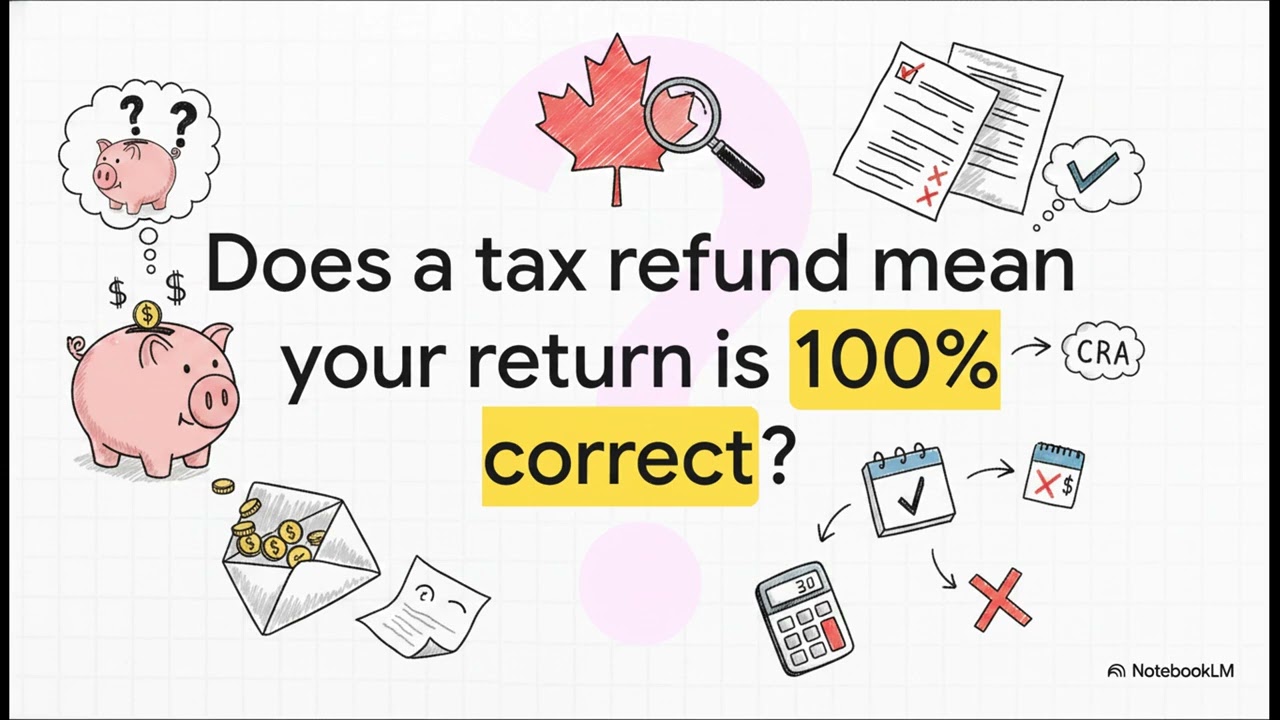
Welcome to The Explainer! Today, we are bringing a sleek, professional focus to something most of us would probably rather avoid. You know, that one annual chore that actually strikes fear into the hearts of many? Yes, the Canadian Personal Tax Return. But don't worry, we are completely demystifying the T1 return today. We're going to transform what is usually a stressful, caffeine-fueled panic into a completely manageable, logical process. No fluff, just the concrete strategies you need to survive and honestly thrive during tax season. And to do this right, we are drawing directly from the expert insights of Charles Ndegwe. Charles is a CPA, CGA, and FCCA based right in Fergus, Ontario. As the founder of CNA Professional Accountants Corp., he's a highly practical, real-world expert who has literally seen every single tax mistake in the book. Today, we're extracting his top 10 practical tips to make your tax season entirely stress-free, totally accurate, and perfectly optimized. Okay, let's dive into this. We've structured our chronological survival guide today into 4 parts: 1, the foundation; 2, the math; 3, the finish line; and 4, the lifeline. Starting right off with part 1, the foundation: T1s and clean records. First things first, let's define exactly what we're talking about here, in plain, simple English. The T1 return is essentially the core document for Canadian taxpayers. It's the central hub where you report all your income for the year, claim any eligible deductions and credits, and figure out the final math— do you owe the government, or are they sending you a refund cheque? Now, we need to debunk a massive myth right off the bat. A lot of folks think the T1 is just for your standard 9-to-5 salaried employee. But no way. It's way broader than that. Freelancers, small business owners, landlords, folks with investment income— you all need to file. And here's the kicker. Even if you had little to no income this year, you still need to file. Why? Because filing is often the only way to ensure you actually keep receiving crucial government benefits and credits. Which brings us to Charles's first major tip. Just contrast these 2 scenarios for a second. On one side, you have the absolute nightmare of trying to reconstruct your financial year from memory in the middle of April. You're digging through old bank statements, kind of half-remembering purchases. This practically guarantees missed deductions and totally avoidable mistakes. But on the other side, the accuracy of keeping clean records— tracking receipts, mileage logs, and tax slips as you go. Remember, your tax return is only as strong as the information backing it up. Let's move into part 2: the math— income and deductions. Tip number 2 is really understanding the sheer breadth of what the CRA actually considers income. And this isn't just your primary salary. It's the rental income, the side hustle, the pension, the investment dividends. And a massive warning here, especially for those of you with side businesses: explicitly separate your personal and business spending. Mixing the two creates an absolute accounting mess when it's time to report. Moving to tip 3: claim what you are legally entitled to. So many taxpayers end up overpaying because they just assume deductions are only for giant corporations. Whether it's childcare, union dues, medical expenses, or charitable donations, if you qualify, claim it. But, and this is absolutely crucial, you have to keep the records safely filed away to prove every single one of these to the CRA if they ever come knocking. For the freelancers and sole proprietors watching, tip 4 is just for you. Stop treating your tax return as just a personal filing. You've got to treat it like a year-end business file. Get a separate bank account, track your income by client, Categorize those receipts, log that vehicle use, and review it all monthly. And this brilliantly illustrates how doing these steps doesn't just prep you for taxes; it tracks your actual business profitability in real time, rather than just crunching tax data. Tip 5 deals with the home office. Working from home is pretty ubiquitous now, but the CRA's rules are actually incredibly strict. To deduct portions of your heat, internet, or electricity, the space must be your main place of business or used exclusively to earn income and regularly meet clients. Charles notes this is a really common place for rushed, sloppy mistakes. You definitely can't claim your whole living room just because you occasionally answer emails from the couch. Alright, shifting gears to Part 3: The Finish Line— Filing and Reviewing. Tip 6 is straightforward but critical: respect the timeline. Let me walk you through these crucial dates. April 30th is the standard personal filing deadline, and more importantly, it's the exact day any balance you owe is due. Now, June 15th is the extended filing deadline, but only if you or your spouse are self-employed. Filing late isn't just an administrative oops; it means hard penalties— compounding interest if you owe money, or painfully delayed refunds if you don't. So I want to ask you this directly as tip 7: Does a tax refund mean your return is 100% correct? The answer is a resounding no. A refund feels great, for sure, but it might simply mean that too much tax was deducted at the source by your employer. It definitely doesn't mean you didn't miss out on lucrative credits or that you didn't forget an entire income slip that the CRA is absolutely going to catch later. Always review before you file. Now, what's really interesting about tip 8 is this fascinating concept of carry-forwards. These are essentially invisible amounts of money. Unused RRSP room, past tuition credits, or capital losses— they don't just evaporate if you don't use them this year; they carry forward to later years. A massive mistake taxpayers make is forgetting these even exist, just because they aren't staring at them on a current-year tax slip. Do not lose track of these! Tip 9 is a rapid-fire list of the most common T1 headaches Charles sees year after year: forgetting a T4, sneaking a personal expense in as a business one, guessing at numbers instead of using the real figures, ignoring that scary brown envelope from the CRA, or simply forgetting to tell the government you got married! These might seem like small administrative hiccups, but trust me, they rapidly snowball into massive CRA reassessments and steep penalties. And that brings us to our final act— Part 4: The Lifeline— Professional Help. Tip 10 details exactly when DIY software just isn't cutting it anymore, and you should elevate your situation to a professional. If you're self-employed, own a rental property, have a complex web of income sources, or went through a major life change like marriage, divorce, or a new baby, you really need to call a pro. A good accountant in these complex situations doesn't just blindly punch numbers into a computer; they provide proactive, strategic guidance to optimize your entire financial life. And this is exactly why residents in and around Fergus trust Charles Ndegwe at CNA Professional Accountants Corp. Tax filing is inherently personal. You need someone with local experience who will answer your questions clearly, navigate complex corporate and personal tax webs with total care, and treat your file with absolute respect and diligence. I absolutely love this quote because it perfectly summarizes his core philosophy: stay organized, report honestly, claim what you are entitled to, and do not wait until the last minute to get help. It's basically the ultimate blueprint for a completely stress-free tax season. It really is that straightforward when you just follow the steps. So as we wrap up this explainer, I want to leave you with this final vital question to think about: are your records actually ready right now, or Or are you about to leave your hard-earned money on the table this tax season? Don't wait for April to start panicking. Organize those receipts today, review your slips, and if your situation has grown complex, reach out to a local professional right now. Thanks so much for joining me on this explainer, and here's to your most successful, stress-free tax season yet.
More from Charles


Canada's Budget 2026: What Ontario Business Owners Need to Know Before It's Tabled | Charles Ndegwe

Where Does Your Cash Actually Go A Bookkeeping Walkthrough for Ontario Business Owners

Canada's New GSTHST Rebate Explained Save Up to $130,000 on Your First Home Charles Ndegwe, CPA