Hair Loss: Doctor Shares What Causes it & the Best Treatments (Minoxidil, Finasteride, Stem Cells)
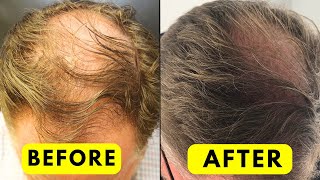
In this video Dr. Charles Pereyra, M.D. provides a comprehensive overview of hair loss—primarily androgenic alopecia—its underlying mechanisms (DHT‑driven follicle miniaturization, inflammation, vascular damage) and the psychosocial impact on patients. He reviews established therapies such as minoxidil, finasteride, PRP, laser, herbal remedies, and surgical hair transplantation, noting their limited efficacy and side‑effect profiles. The core of the presentation focuses on regenerative approaches, especially mesenchymal stem cell (MSC)‑derived extracellular vesicles (EVs) and exosomes. Dr. Pereyra explains the five key biological effects of stem‑cell conditioned media: activation of dermal papilla cells via FGF, epithelial proliferation via HGF, angiogenesis via VEGF, trauma‑induced growth via IL‑6, and DPC stimulation via IGF‑1. He then walks through a series of peer‑reviewed studies and meta‑analyses, highlighting that EVs can prolong the anagen phase, reduce catagen, promote angiogenesis, and lower inflammation. Clinical data show rapid improvements in hair diameter and density within 3–6 months, with response rates ranging from ~64% to >95% in small cohorts. Advantages of cell‑free exosome therapy—long‑term -70 °C storage, low immunogenicity, and precise dosing—are emphasized. The video concludes that stem‑cell/exosome therapy may become a third‑wave, potentially superior, option that can be combined with existing treatments, and encourages viewers to discuss the evidence with their physicians at Springs Rejuvenation.
Chapters
In this video, I'm going to show what you could do to help regrow your hair, whether it's just starting to thin or whether you have active balding or even shiny bald or alopecia, what some people are doing to actually help support the appearance of healthy hair regrowth. Now, we'll talk about things like minoxidil and Propecia or other modalities like PRP, which are obviously things that have been used for quite some time. However, there is another modality in stem cell and exosomes, which is gaining extreme promise, not only in research, but in some clinical applications as well. So let's take a look at this behind-the-scenes overview that I did for a select few of our clients, looking through not only what may cause hair loss and how stem cells and exosomes may help to improve the appearance of healthier hair. Hi, Dr. Charles here, and I'm incredibly excited that you get to join me as I go through these research studies for stem cell and exosomes for hair restoration therapy. Now, this is one of my favorite things to do, is decipher new research and research that seems to be exciting. In the field of anything restorative using stem cells and exosomes. Now, it's important to note that these are my personal interpretations of the study. So, you can make sure to click the button below and download these studies so that you can actually have them for yourself and discuss them with your friends and family, and of course, your doctor at home if you'd like, and as well with our physician in-house at Springs Rejuvenation. So, let's just dive right in with what I find to be really the most interesting title of all. And, Something we're probably all wondering is, for androgenic alopecia, is stem cell an actual elixir or is it a trick? And so the first thing to do here is just define the most common cause of alopecia, which is androgenic. And it can be due to a number of factors with life pressure, tension, anxiety being the most prominent. And also, as we've all seen, it can have serious negative impacts on both mental health and quality of life, which many of our patients, including myself, have experienced. So to dive a little bit further in here, androgenic alopecia, or AGA, it's characterized by a progressive miniaturization, which means that the hair follicles get shortened and the growth period of the dermal papilla cells, or DPCs, leading to hair loss is actually changed. And that's one of the main reasons that you see hair loss in addition to inflammation, and even blood loss from the inflammation causing damage to blood vessels, which can happen not only from DHT, but it could happen for a number of reasons— environmental triggers, genetics, and many other socioeconomic factors, as well as potential things that you do in your environment to your hair, which can make it quite worse. But the main effect is always that damaging of the blood vessels and the damaging and/or the damaging of the hair follicle itself. And so when the article is talking about the present treatments for promoting hair growth, they actually talk about these treatments being limited and having several side effects. And then when they go on to talk about the treatment of hair loss using stem cells here, they're saying not only is it cost effective, but also produces faster results with a similar treatment process, which I tend to agree with. And when it comes to the regenerative medicine technology as a tool, with medicine and surgery being part of the first and second wave, They're now considering stem cell therapy emerging as the third wave of hair loss restoration therapy. And so, to go further down here, just to illustrate some of the things we already know, you know, finasteride, minoxidil, PRP, and herbs, teas, laser, shampoos, as well as a traditional surgical hair transplant, have been the mainstay for a long time. And they all tackle or attempt to tackle a different cause. And usually, you have to do these multiple times, including the surgical hair transplant, where many of our patients have done 2 and sometimes even 3 transplants due to the hairs falling out. And so when you go down here, and we'll zoom in, when you're looking at the stem cell matrix or the conditioned media with stem cells and exosomes, what we're starting to see here is that you're getting 5 main effects. So the first effect is these DPCs, or dermal papilla cells, are actually activating and even growing. And that's due to a factor called FGF. Now, epithelial proliferation is also an important part of hair growth, and we're seeing the potential of HGF in the solution with stem cells and exosomes to induce this epithelial cell proliferation. And what I find to be incredibly exciting, probably most exciting for me, is the angiogenesis process, which happens due to the naturally occurring VEGF. Now, VEGF is also known as vasoendothelial growth factor, And what it does is help normal blood vessels proliferate and become more prominent. So if you're losing blood vessels due to inflammation or any other damage for hair loss, it makes sense that if you have more blood vessels, you have more nutrients added to the scalp. And these other two are also very interesting, and they involve trauma-induced hair growth due to IL-6 mediation, as well as induction of the DPCs using IGF-1, which are just added bonuses in my opinion, looking at hair restoration. Therapies. And so as we go further down here, let's take a look at what some of these studies are saying for stem cell-derived applications. So when you talk about EVs, EVs are exosomes or extracellular vesicles. The name is actually used interchangeably. And what they're saying here is these extracellular vesicles or exosomes may actually be able to promote the anagen phase and delay the catagen phase. Now, the anagen phase is when you're growing hair. Think of cation like catabolic or destroying, and that's where you're destroying hair. And so you're actually getting more hairs in the anagen phase and you're delaying the loss of hair, which is incredibly beneficial. They're also saying that EVs, as we've just seen, extracellular vesicles or exosomes, have the potential to promote angiogenesis and reduce inflammation and promote wound healing, which is incredibly exciting. And one of the main advantages that you're seeing of these is that they can be stored long-term if they're transported in -70°C. It's making it very convenient. And the concentration and dosage route and time of the medication is relatively easy to control. And this study actually describes no risk of immune rejection and tumor recurrence because of the cell not being there. It's just an extracellular vesicle at this stage. And so to go further into the conclusions of this study, they're again talking about the potential of the extracellular vesicles to promote angiogenesis. And again, while considering this is still experimental, they state yet another time the ability of cellular-based therapies to promote hair regeneration and even prevent hair loss. And again, go over the safety and effectiveness of this treatment in the opinion of the study and in my personal opinion as well as an alternative treatment to stop hair loss in patients. So let's go over to another study and take a look at what it says here. So if we're going down to this study here, one of the things you're going to see that's really important is that this is a meta-analysis, meaning that this looks at many different types of studies. It's actually a review published in the Journal of Bioscience and Bioengineering by Elsevier, which is a very popular publishing company. And one of the things I'd like to illustrate here is when we're talking about stem cells and extracellular vesicles, so EV or exosomes, is they can come from many different types of cells. MSCs have been the cell that's most widely studied because they have a number of potentiating factors that include all of these in their extracellular vesicles. And that's what we're starting to see. But possibly the most profound is these Wnt signaling pathways. And again, what you're seeing is this abbreviation for Wnt being able to do a number of different things in helping the cycle of the hair follicle and promoting more of the anagen phase, and less of its phase to catagen, or when the hair is not really being produced and thinning and even falling out. And so if we go here, we're able to see the process of the follicle, which is really important. So what you have is a bunch of signaling cells within the dermis forming what's called a dermal condensate. And this dermal condensation is actually what forms the dermal papilla. And from that, as you can see, you have a hair shaft forming. And all of this takes place due to signaling proteins and signaling factors such as mRNA signaling for this to actually happen in your body and go more towards that antigen or growth phase and less towards that catabolic or the destructive phase. And so I find this article to be incredibly interesting, not only because it's a review, but because it provides really nice illustrations of what's actually happening in the hair cell growth. So let's take a look at what it's saying when it comes to the use of exosomes for hair restoration. So what they're saying in this study is mesenchymal exosomes induce epithelial cells to produce a basement membrane and other proteins necessary for organ formation. So not just hair restoration, but all organ formation. And what they're saying is they're hypothesizing that exosomes have a positive effect on hair follicles. So what they're saying is because they're able to induce this part of epithelialization, that they're helping this process along with the stem cell hair shaft growth. Now, when it comes down to here and we're looking at the conclusion, they're talking about exosomes being widely studied due to their long shelf life. So again, it's easy to store them if you're doing it the right way. And because they're intracellular communicators, meaning they communicate between cells, being so small that they're able to attach to cells, and also that they have a low risk of immune response making them superior to even direct stem cell therapy, which I found incredibly interesting. So again, going back here to yet another study, this is a study that has been published by Regenerative Therapy, and this is the journal homepage. Again, you'll get this as well. And so just to look at the abstract, which is essentially a summary of what you're going to see in the study, is that they're showing stem cells, stem cell exosomes to be a potential effective therapy for not only androgenic alopecia and male pattern baldness, but also female pattern hair loss, and allowing these regenerative cells or these MSCs, which we talked about, the mesenchymal-derived exosomes, to be able to help promote regenerative hair restoration. So to go a little bit further down into these studies here, what we're seeing is again a study citing VEGF and its ability to induce that process called angiogenesis or blood vessel growth. And again, you're seeing the HGF, which is an activator used in the proliferation of those follicular epithelial cells, which we just showed you in the picture before. And the IL-6, which is incredibly interesting because it's involved in wound healing and hair neogenesis. Neogenesis meaning extra hair growth and activation. And these are just 3 of all of the factors that are found in these particular MSCs, which I find to be really exciting. And so when we look at a recent report that was actually stated in this study, it showed that 19 out of 20 participants exhibited an increase in hair diameter and a significant increase in the density of the hair within just 3 to 6 months of treatment. And that's incredible. 3 to 6 months is a very short window to be able to see this. We even tell our patients up to 12 months to allow for that cycle. 3 to 6 months is very exciting. And then we go here, we're looking at cell-free therapies in this article. It's saying they're interesting because the MSC secretome, or the exosome, has the bioactive materials including the growth factors, cytokines, and nucleic acids, which is just that genetic material. And they call these trophic factors, which play an important role in regulating the cell, the cell cycle of hair growth and regeneration. It's actually saying 80% of all the regenerative properties of transplanted stem cells to the live cells are likely due to these extracellular vesicles. So what that means is the stem cells being injected into the scalp, if you're actually using live stem cells, 80% of their effect is just exosomes. So it's really interesting. What would happen if you just gave a very large concentration of exosomes? Would that double, triple, or even quadruple the effect, seeing that most of them, 80%, is due to the exosome proliferation? In the hair shaft. And so let's see what this study here says. So this is a systemic review of exosome treatment for hair restoration. This just means it's another study where they went over a ton of different articles. They looked at reviews using PubMed to see if there really is any efficacy for this new promising treatment. And so we're seeing here is they examined 39 patients with androgenic alopecia with mild to moderate hair loss, and they received an exosome treatment and they were subsequently reviewed, and these were put on with a microneedle roller. And what they saw were significant improvements in hair density, and they actually measured the hair density and hair thickness. These results were also corroborated by another study that they're looking at here, and what they're seeing in this study is after an intradermal injection with this type of EV or exosome in just one course of treatment, that 64.5%, so 20 out of the 31 patients, reported hair growth with a follow-up TrichoScan, which is a unique device which actually measures all the different follicles within a small radius of hair. And so I found this study to be incredibly helpful to go through two different studies essentially in one fell swoop. And so again, we'll go look at yet one more article here so I don't bore you. And this is looking at the role of stem cell and exosomes in plastic surgery. And so what we're seeing is stem cells derived from all sources, even bone marrow and placenta, and adipose—however, my favorite being umbilical cord tissue because I think you just get more—have demonstrated enhanced outcomes not only in skin rejuvenation, scar revision, but hair restoration, which is what we really care about here. And I showed you some of the incredible images before, so I'll skip those and we'll go straight to the, the meat of it here. We're saying exosomes were found to significantly induce and prolong the anagen phase, the hair growth phase, and that resulted in hair growth when reviewing this study over here. So this is the last study I promise, and then we'll let you go. So we're looking at here is another review. So this is taking a bunch of articles and saying, hey, are we seeing an effect or what is our interpretation after reviewing the literature here? And again, we're seeing stem cells having the potential to stimulate growth factors and actually reinitiate the existing follicle that was previously inactive in order to help regrow hair. And male pattern baldness, which is incredibly interesting. They're actually saying the future of stem cell treatment may serve as a viable option that's even superior to already FDA-approved technologies. So such as the surgical treatment or minoxidil or finasteride, which I found to be incredibly interesting for them to say. And actually in the study, what we're looking at is the potential for these stem cells to be a benefit in combination using that with other therapies, which is a really great part of the systemic review, which you can go through and look at. The stem cells they're talking about here as well have the potential to enhance medical treatment. So that means it can actually work in combination with what you're already using. And thank you guys for going through this with me. I know these were a lot of studies. They're very complicated. So, I tried to do this in the shortest way possible. But if you have any other questions, feel free to talk to your care specialist or to your physician. And of course, to any of our physicians or care team here at Springs Rejuvenation. I hope you have a fantastic journey with us. And let me know if you have Any questions? We'll see you soon.
More from Charles

Anti-Aging Expert: Stop Touching Receipts Immediately! The Fast Way To Shrink Visceral Fat!