Stem cell therapies aren't FDA-approved under Section 351, but states like Utah and Florida allow doctors to offer them with patient consent. The FDA permits only minimally manipulated cells under Section 361, while expanded or agitated cells remain unapproved federally, though some clinics operate using cGMP labs and state-level regulations.
Chapters
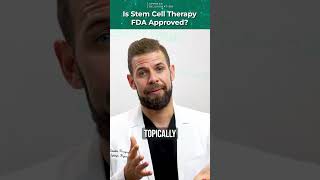
This is a very, very important question and hot topic. Many states now, including Utah and Florida, have passed bills to allow physicians to consent patients to undergo stem cell and exosome therapy. And I see this going very much the way that other bills and laws have passed, whereas multiple states will come together and pass something for the benefit of people. And we've seen incredible benefits across a wide range of conditions, and there's a ton of research out there that is helping to support this. Stem cell therapy can be incredibly beneficial for a wide array of conditions. And we're talking about FDA approved, there's really 2 pathways. There's a more topical pathway, which is typically regulated as a cosmetic, which is used under 361 typically, where it's a minimally manipulated product. So there's not really anything added or taken away from it, and you can do it topically. The other pathway, which is a 351, is when the cells are agitated or expanded. The FDA again has not allowed any treatments with those kinds of cells currently. However, states have taken it into their own hands to decide that they would like patients to, under the consent from a physician and a CGMP approved lab and following strict protocols, to be able to offer patients access to this kind of therapy. So we're in a bit of limbo when it comes to whether or not you can do certain types of stem cell therapy in the US, but it is being done quite regularly.